How do you make a paper lantern?
Short answer
Making a paper lantern involves folding or cutting paper into a cylindrical shape to house a light source. You can create a simple version by folding a sheet of paper in half, making vertical cuts along the fold, and securing the edges into a circle. Always use LED lights for safety.
On this page
How to make a simple paper lantern
Creating a classic paper lantern is a straightforward craft that requires only basic household supplies. You will need a sheet of construction paper or cardstock, a pair of scissors, a glue stick or tape, and a pencil. Choose a paper weight that is sturdy enough to hold its shape but flexible enough to curve without tearing. If you want a decorative touch, use patterned scrapbook paper or add glitter and stickers before assembly.
To begin the construction process, follow these steps:
- Fold a rectangular piece of paper in half lengthwise.
- Starting from the folded edge, cut straight lines toward the open edges, stopping about one inch from the top.
- Unfold the paper and curl it into a cylinder, matching the short ends together.
- Secure the ends with glue or tape, then press down slightly on the top to create the signature lantern bulge.
- Attach a paper strip to the top to serve as a handle.
Best materials for lantern making
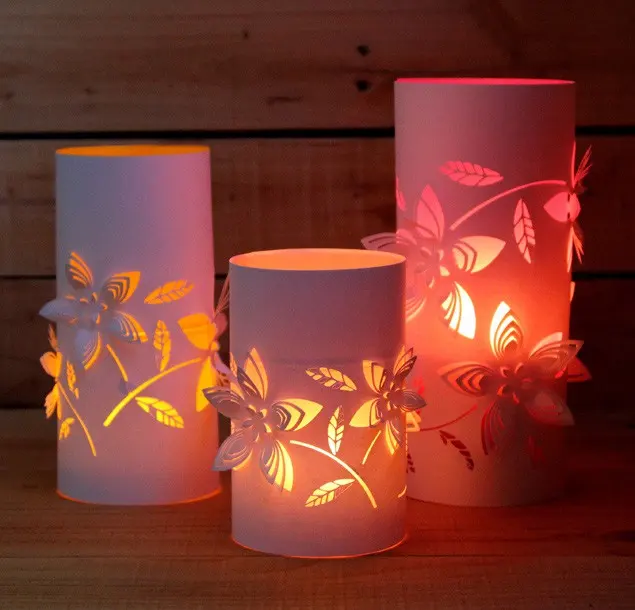
The quality of your lantern depends heavily on the materials you select. Standard printer paper is often too thin and may collapse under its own weight, while heavy cardboard is difficult to manipulate into a perfect cylinder. Medium-weight construction paper or cardstock provides the ideal balance of rigidity and ease of use. For a more sophisticated look, vellum or parchment paper can be used to create a soft, translucent glow when illuminated.
When selecting your light source, prioritize safety above all else. Never use traditional wax candles inside paper lanterns, as the risk of fire is extremely high. Instead, opt for battery-operated LED tea lights or small fairy lights. These options remain cool to the touch and provide consistent, flicker-free illumination for hours. If you are crafting with children, ensure that all adhesives are non-toxic and that scissors are appropriate for their age and skill level.
How long does it take to build a lantern
A basic paper lantern can be completed in approximately 15 to 20 minutes, making it an excellent project for a quick afternoon activity. The process is highly efficient because it requires minimal setup and cleanup. If you are planning to make a large batch for a party or event, you can streamline the production by measuring and cutting multiple sheets of paper simultaneously using a paper cutter or a sharp craft knife.
If you choose to add intricate details, such as paper cutouts, tassels, or painted designs, expect to spend an additional 30 to 60 minutes per lantern. Complex designs often require a drying period if you are using liquid glue or paint. To maximize efficiency, prepare all your decorative elements beforehand. By organizing your workspace and gathering all necessary tools before you begin, you can significantly reduce the total assembly time and focus on the creative aspects of the project.
Common mistakes when making lanterns
One of the most frequent errors is cutting the strips too thin or too close to the edge of the paper. If the strips are too narrow, the lantern will lack structural integrity and may tear easily during the final shaping phase. Always leave at least one inch of solid paper at the top and bottom to serve as a border. This border acts as the frame that holds the entire structure together.
Another common mistake is applying too much adhesive, which can warp the paper or create messy, visible clumps. Use a glue stick for a cleaner finish, or apply liquid glue sparingly using a toothpick. Additionally, failing to measure the handle correctly can result in a lopsided lantern. Always ensure the handle is centered and securely attached to the inside of the rim to prevent the lantern from tilting when it is hung. If you are using tape, clear adhesive is preferred to keep the aesthetics clean.
Why paper lanterns are popular for decor
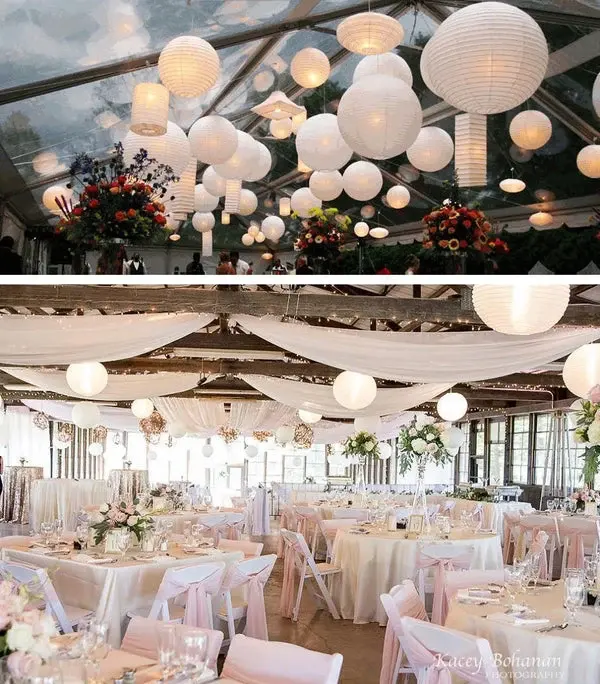
Paper lanterns have been used for centuries across various cultures, most notably as symbols of celebration and guidance. Their enduring popularity stems from their versatility and the warm, ambient atmosphere they create in any space. Because they are inexpensive and customizable, they are a staple for weddings, festivals, and home decor. They provide a soft diffusion of light that can transform the mood of a room instantly.
Beyond their aesthetic appeal, making lanterns is a sustainable way to decorate. You can easily repurpose old newspapers, magazines, or leftover craft paper to create unique, eco-friendly lighting. This project encourages creativity and provides a sense of accomplishment, whether you are making a single piece or a collection to hang in a series. By experimenting with different colors, shapes, and sizes, you can adapt this traditional craft to fit any modern theme or seasonal celebration. The simplicity of the design ensures that it remains a timeless craft for all ages to enjoy.
Key facts
- Paper lanterns originated in China during the Eastern Han Dynasty, around 230 CE.
- Use flame-retardant paper or cardstock to prevent fire hazards when using light sources.
- LED tea lights are the safest illumination option, as they produce no heat.
- Ensure your paper is lightweight enough to allow light transmission but sturdy enough to hold its shape.
- Use double-sided tape or high-quality glue dots for a clean, professional finish without visible drips.
- Always leave at least two inches of space between the light source and the paper walls.
The bottom line
Creating a paper lantern is a rewarding craft that blends historical tradition with modern creativity. By selecting the right materials and prioritizing safety with LED lighting, you can produce beautiful, glowing decorations for any occasion. Remember to measure your folds precisely and use adhesives sparingly to maintain a clean aesthetic. With these simple techniques, you can easily transform basic sheets of paper into elegant, illuminated art pieces.
People also ask
Can I use regular printer paper for lanterns?
Yes, standard 20lb printer paper works well because it is translucent. However, heavier cardstock provides more structural integrity for larger, hanging designs.
How do I hang paper lanterns safely?
Use fishing line or thin twine to suspend them from ceilings or rafters. Ensure the weight of the lantern is fully supported so the paper does not tear at the attachment point.
Are paper lanterns waterproof?
Traditional paper lanterns are not waterproof and will disintegrate in rain. If you need outdoor lanterns, look for those made from treated nylon or specialized weather-resistant paper.
What is the best adhesive for paper lanterns?
Glue sticks are ideal for large surface areas, while hot glue is better for attaching structural supports. Avoid liquid school glue, as it can cause the paper to wrinkle or warp.
How do I make a lantern glow brighter?
Use high-lumen LED bulbs or place multiple small lights inside the lantern. Brighter light is achieved by using thinner paper or lighter colors like white or yellow.
Can I paint my paper lantern?
You can decorate lanterns with acrylic paint, markers, or watercolors before assembly. Apply paint sparingly to avoid making the paper too heavy or prone to tearing.
This answer was created with the help of AI research tools and reference sources. Spotted an error? Let us know — we correct mistakes quickly. See our editorial policy.