What is the difference between graphite and charcoal?
Short answer
Graphite is a crystalline form of carbon that produces a metallic, silvery-gray mark and is primarily used in pencils. Charcoal is a charred organic material, typically wood, that yields a deep, matte black pigment. While graphite is smooth and erasable, charcoal is dusty, bold, and adheres strongly to textured surfaces.
On this page
What is the chemical difference between graphite and charcoal?
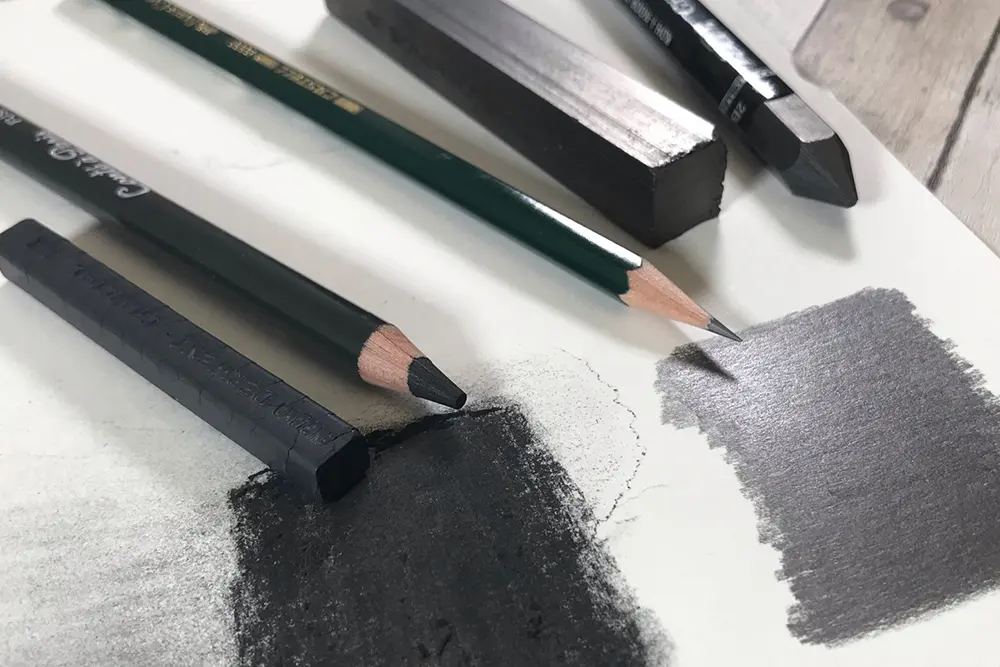
Graphite is a naturally occurring mineral composed of pure carbon atoms arranged in a hexagonal, layered crystalline structure. This specific atomic arrangement allows the layers to slide over one another easily, which is why graphite feels smooth and slippery when dragged across paper. It is chemically stable, non-toxic, and creates a distinct, reflective sheen that varies in darkness depending on the concentration of clay mixed into the pencil lead.
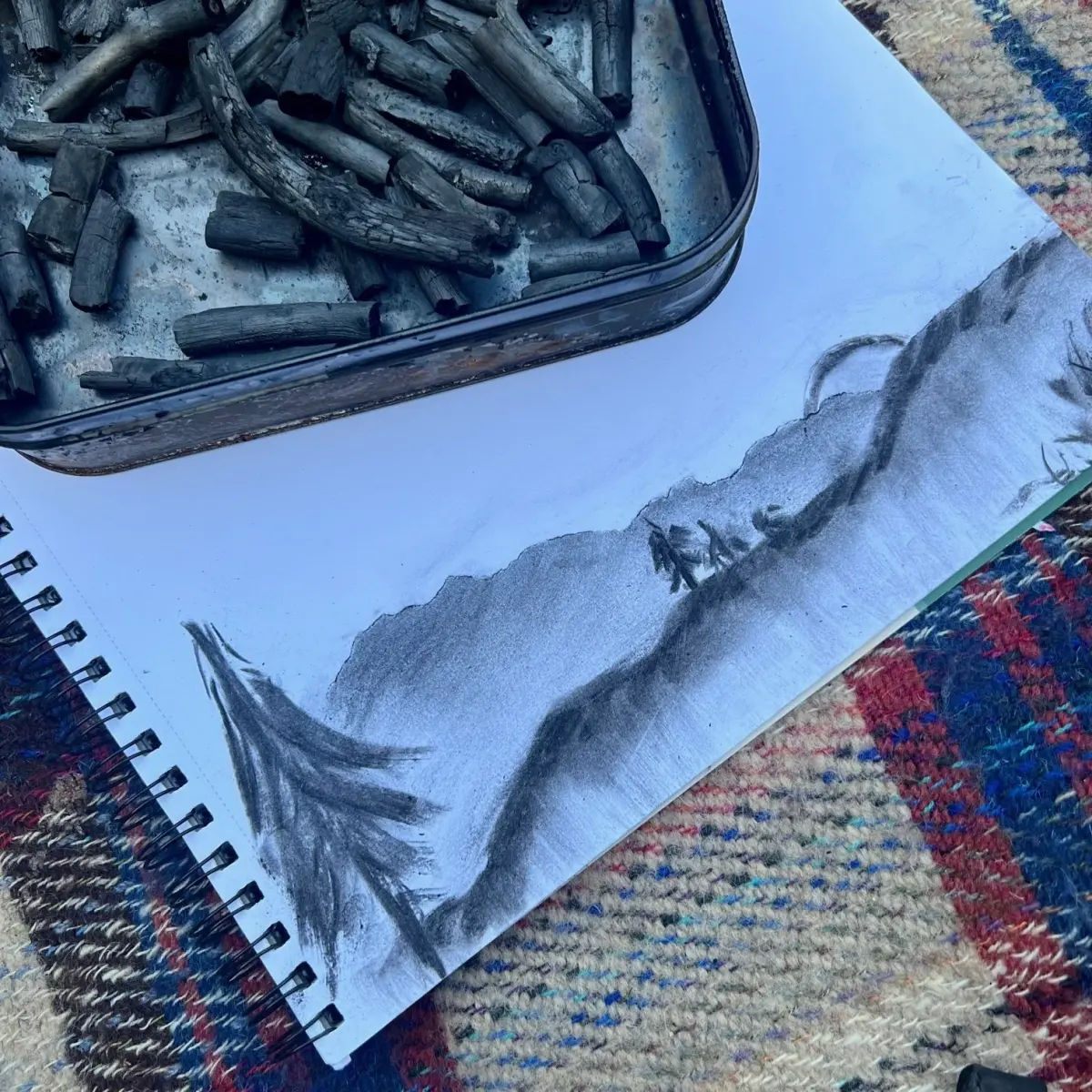
Charcoal, conversely, is an amorphous material created by heating organic matter—usually wood—in an oxygen-deprived environment. This process, known as pyrolysis, removes water and volatile compounds, leaving behind a porous carbon skeleton. Because it lacks the crystalline structure of graphite, charcoal does not slide; instead, it crumbles and deposits loose particles onto the surface. This results in a rich, light-absorbing matte finish that is significantly darker and more intense than the metallic gray of graphite.
How to choose between graphite and charcoal for drawing
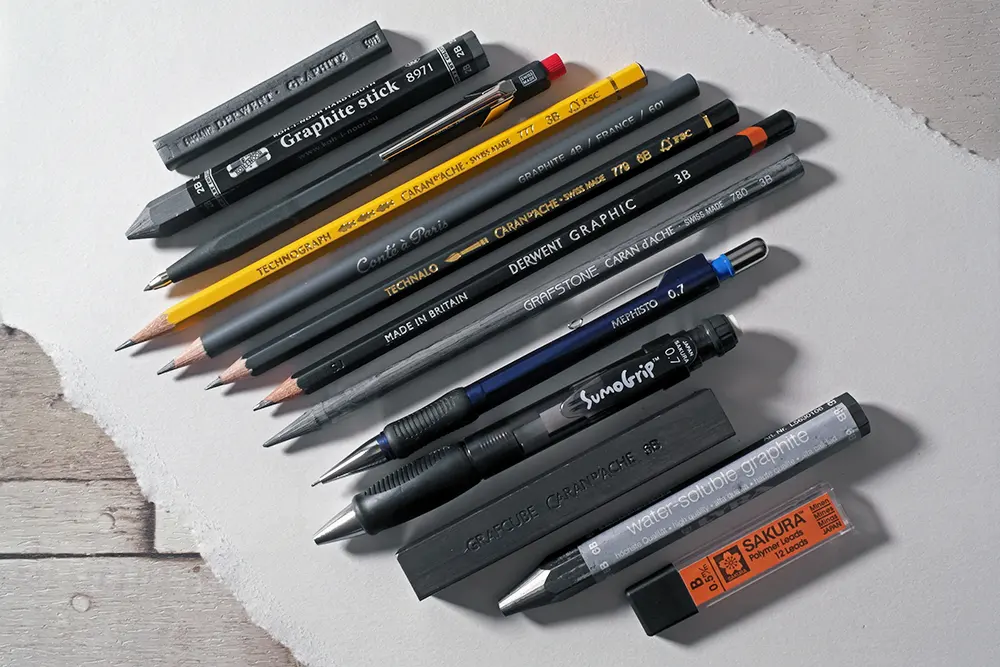
Selecting the right medium depends largely on the desired aesthetic and the level of detail required for your project. Graphite is the superior choice for technical drawing, precise architectural sketching, and fine-detail portraits where clean lines are essential. Because it can be sharpened to a needle point and offers a wide range of hardness grades—from 9H to 9B—it allows for extreme control and subtle tonal transitions.
Charcoal is better suited for expressive, large-scale work where bold values and high-contrast shadows are the priority. It is the preferred tool for gesture drawing and atmospheric landscapes because it can be applied quickly and blended easily with fingers or stumps. When choosing your materials, consider these factors:
- Graphite: Best for precision, clean edges, and layering without excessive dust.
- Compressed Charcoal: Offers the darkest blacks and is ideal for dramatic, high-contrast pieces.
- Willow or Vine Charcoal: Perfect for light initial sketches and underdrawings that need to be wiped away easily.
How to use graphite and charcoal effectively
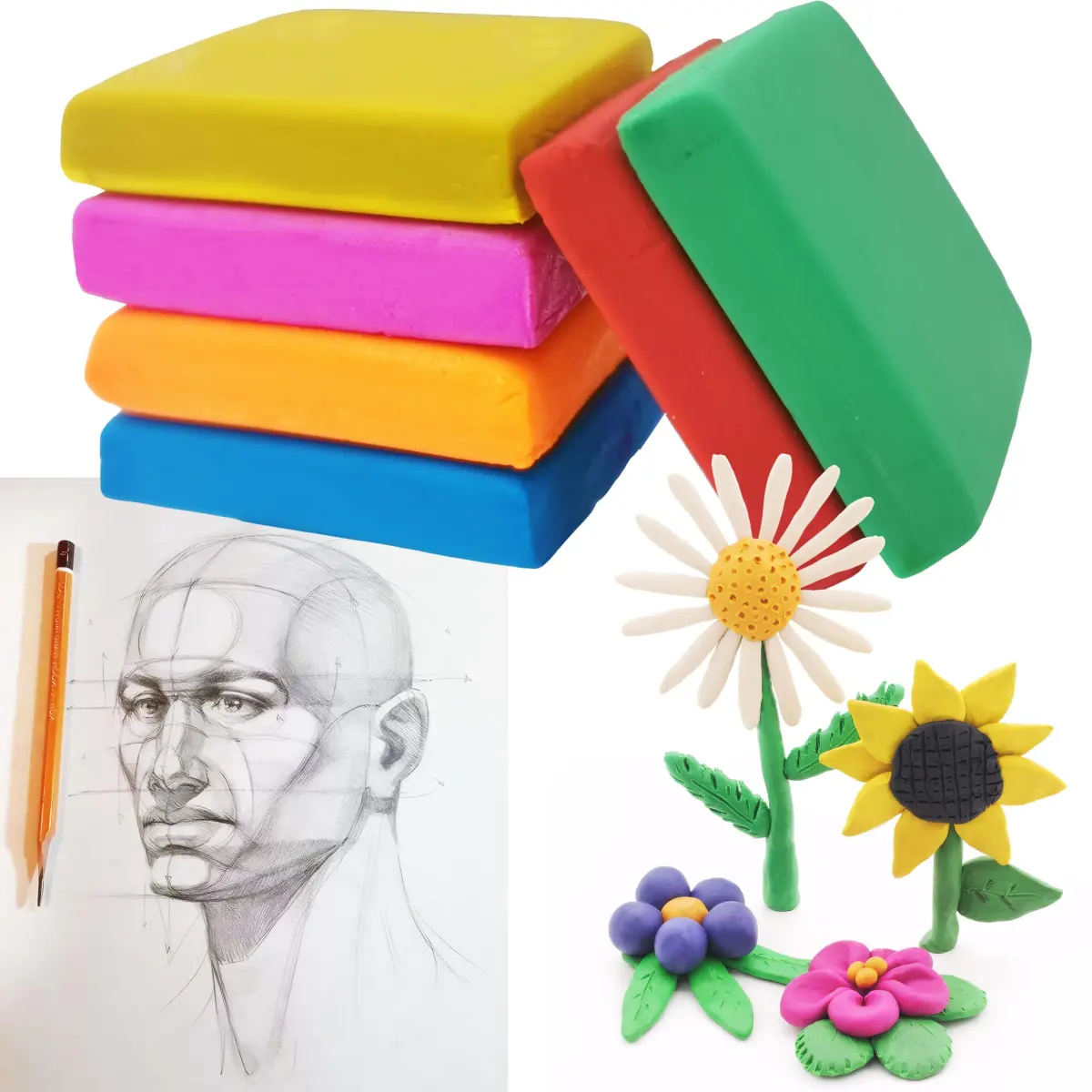
Mastering these materials requires understanding their physical properties and how they interact with paper. For graphite, use a light touch to build up layers gradually, as heavy pressure can burnish the paper and make it difficult to add more graphite later. Keep a kneaded eraser nearby to lift highlights and clean up smudges, ensuring your work remains crisp and professional.
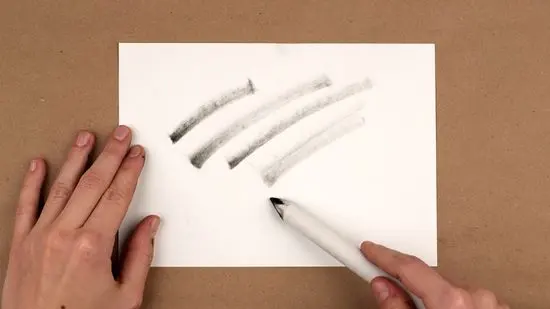
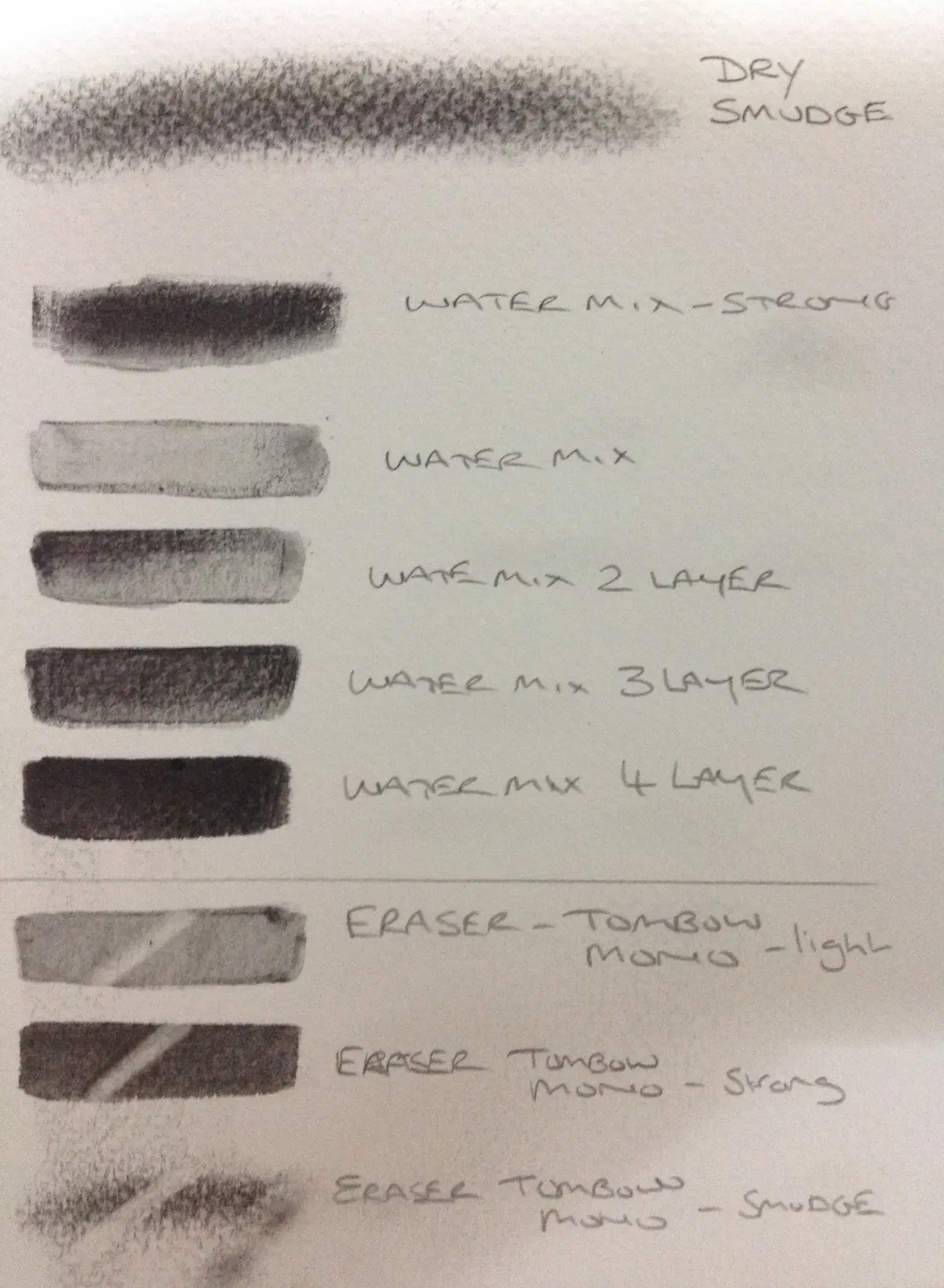
When working with charcoal, the approach is more tactile and less about controlled lines. Use the side of the stick to cover large areas quickly, then use a chamois cloth or a blending stump to push the pigment into the tooth of the paper. Follow these steps for a successful charcoal drawing:
- Establish your darkest shadows first using a soft, compressed charcoal stick.
- Use willow charcoal for mid-tones and structural outlines, as it is easily removed.
- Apply highlights by lifting charcoal away with a kneaded eraser or a precision eraser pen.
- Spray your finished work with a high-quality fixative to prevent the loose carbon particles from smearing or falling off the page.

Common mistakes when using graphite and charcoal
A frequent error with graphite is using the wrong paper weight for the technique. Graphite requires a relatively smooth surface to achieve fine detail; using a heavily textured, cold-press watercolor paper will cause the pencil to skip, resulting in a grainy, uneven line. Additionally, beginners often press too hard with high-grade pencils, which can permanently indent the paper fibers and create a shiny, waxy surface that refuses to accept further layers of graphite.
With charcoal, the most common mistake is failing to manage the dust, which can quickly turn a clean drawing into a muddy mess. Avoid blowing on your paper to remove excess charcoal, as this can spread dust into areas you intended to keep white. Instead, gently tap your drawing board to let the loose particles fall off. Furthermore, many artists neglect to use a fixative, which is essential because charcoal never fully "sets" on its own. Without a protective spray, your work will inevitably smear if touched or stored against other papers.
Why graphite and charcoal are used in different artistic fields
Graphite has become the industry standard for industrial design, engineering, and fine-art illustration due to its permanence and reliability. Because it does not fade or flake off easily, it is the ideal medium for documents and sketches that need to be archived or handled frequently. Its ability to produce consistent, repeatable line weights makes it indispensable for creators who rely on mathematical precision and technical accuracy.
Charcoal remains the traditional choice for academic fine arts and life drawing. Its ability to create deep, velvety blacks allows artists to capture the weight and volume of a subject in a way that graphite cannot mimic. Because it is so easily manipulated, it encourages a fluid, energetic style that focuses on the "big picture" of light and shadow rather than minute details. Whether you are drafting a blueprint or rendering a dramatic portrait, choosing the medium that aligns with your artistic goals is the key to creating a successful and enduring piece of work.
Key facts
- Graphite is a crystalline form of carbon, while charcoal is an amorphous, porous residue of burnt organic matter.
- Graphite leaves a metallic, cool-gray mark, whereas charcoal produces a deep, matte, velvet-black pigment.
- You can erase graphite marks easily with a standard rubber eraser, but charcoal often stains and requires a kneaded eraser.
- Graphite is naturally occurring and mined, while charcoal is manufactured by heating wood in the absence of oxygen.
- Use graphite for precise technical drawings or detailed shading; use charcoal for expressive, bold, and large-scale sketching.
- Avoid using charcoal on smooth, non-porous paper, as it will not adhere well and will smudge uncontrollably.
The bottom line
The primary difference lies in their physical composition and artistic purpose. Graphite offers precision, metallic tones, and ease of use, making it ideal for technical illustration and fine detail. Charcoal provides a rich, dramatic, and expressive quality that excels in bold, gestural work. Choosing between them depends on whether your goal is controlled accuracy or high-contrast, atmospheric depth in your finished artwork.
People also ask
Which medium is better for beginners?
Graphite is generally easier for beginners because it is less messy and allows for more controlled, precise lines. Charcoal requires more confidence and a willingness to embrace smudging and loose mark-making.
Do I need to seal my drawings?
Graphite drawings rarely require a fixative unless they are very dark and prone to smearing. Charcoal is extremely dusty and loose, so applying a spray fixative is essential to prevent the image from fading or rubbing off.
Can you mix graphite and charcoal in the same drawing?
While you can mix them, it is often discouraged because graphite has a reflective sheen that clashes with the flat, light-absorbing nature of charcoal. If you must combine them, apply the graphite first and use the charcoal only for the deepest shadows.
Why does my charcoal drawing look muddy?
Muddy drawings often result from over-blending or using too much pressure, which grinds the pigment into the paper fibers. To keep work clean, use light layers and avoid excessive rubbing with your fingers, which transfer oils that trap the dust.
Is graphite toxic if it gets on my skin?
Despite the common myth, graphite is not lead and is non-toxic. It is perfectly safe to handle, though you should avoid inhaling charcoal dust, as fine particles can irritate the respiratory system.
How do I sharpen these materials?
Graphite pencils can be sharpened with a standard mechanical sharpener or a knife for a longer point. Compressed charcoal is brittle and should be sharpened carefully with a utility knife or sandpaper block to avoid snapping the core.
This answer was created with the help of AI research tools and reference sources. Spotted an error? Let us know — we correct mistakes quickly. See our editorial policy.