How do you draw with charcoal?
Short answer
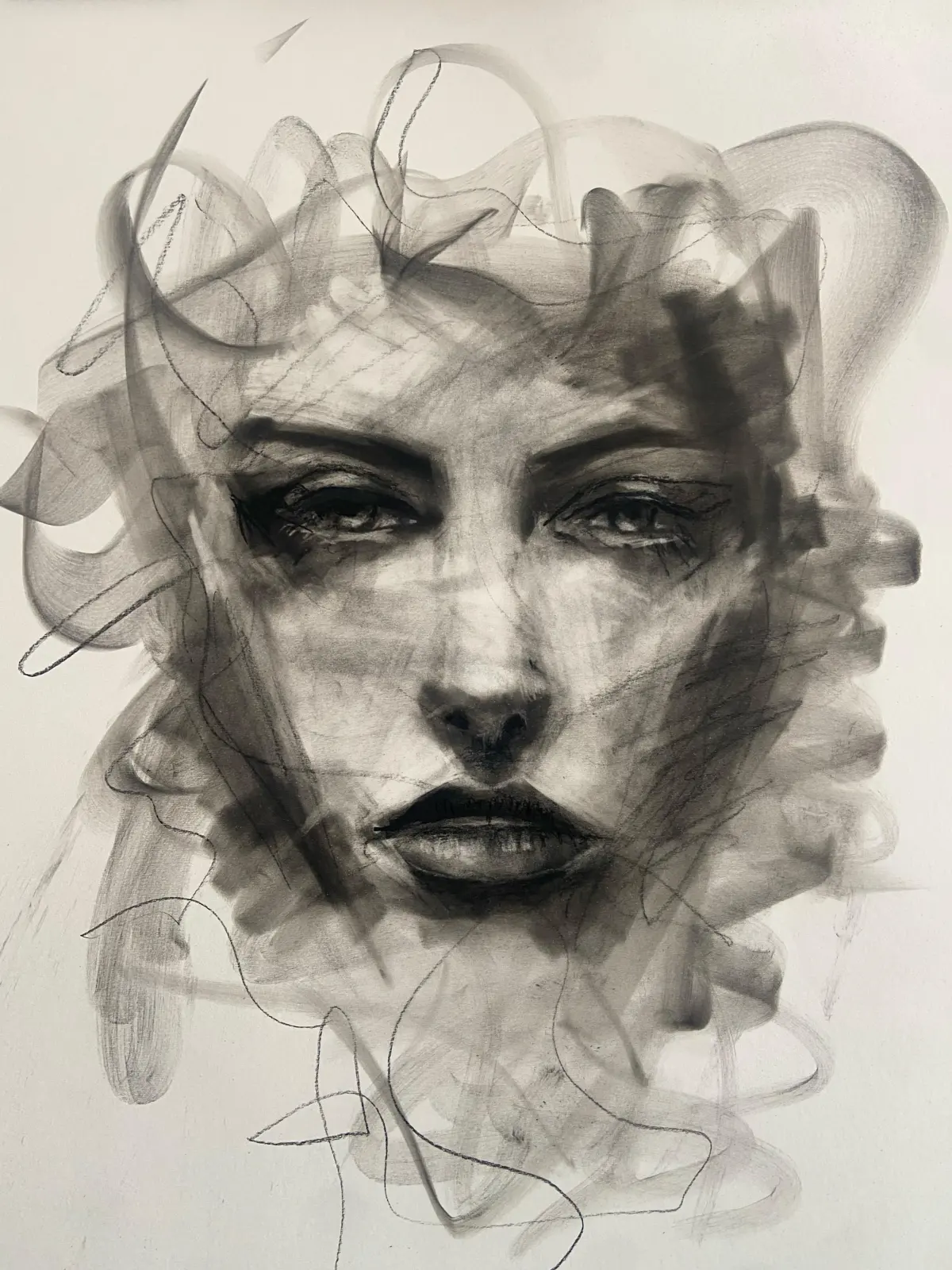
Drawing with charcoal involves applying carbon-based sticks or pencils to paper, utilizing varying pressure to create deep blacks and soft grays. Artists manipulate the medium through smudging, erasing, and layering to build depth and texture. Mastery requires understanding different charcoal types, paper tooth, and the deliberate control of light and shadow.
On this page
What are the different types of charcoal?
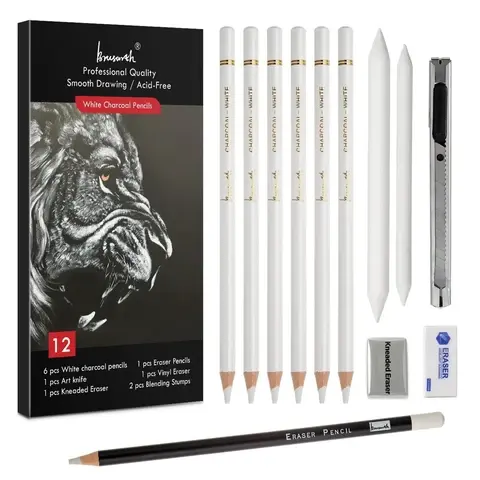
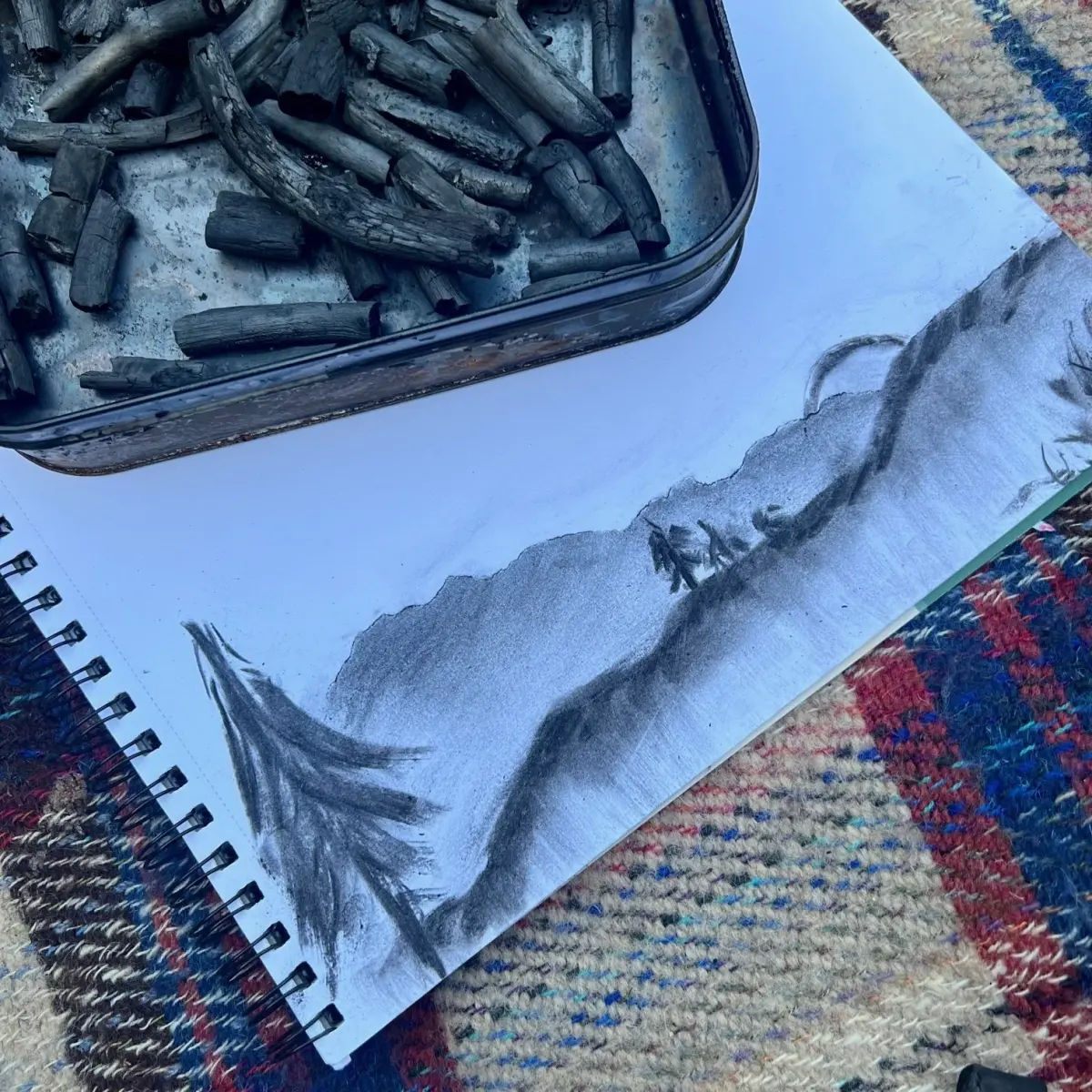
Charcoal comes in three primary forms, each offering unique handling characteristics for different stages of a drawing. Willow or vine charcoal is made from burnt willow branches; it is soft, light, and easily wiped away, making it ideal for initial sketches and underdrawings. Compressed charcoal consists of charcoal powder mixed with a binder, resulting in a much denser, darker, and more permanent mark that is difficult to erase. Charcoal pencils offer the precision of graphite but with the rich, matte black finish of compressed charcoal, allowing for fine details and sharp edges.
Choosing the right type depends on your artistic goals and the desired level of detail. Beginners often start with willow charcoal because it is forgiving and allows for quick adjustments. As you progress, you will likely combine these types to achieve a full range of values.
- Willow/Vine: Best for light sketching and broad, airy strokes.
- Compressed: Essential for deep blacks and high-contrast shadows.
- Pencils: Perfect for intricate lines and defining structural edges.
How to choose the right paper for charcoal
The surface texture, known as "tooth," is the most critical factor when selecting paper for charcoal drawing. A paper with a rougher, more pronounced tooth grips the charcoal particles, allowing for multiple layers and richer, darker tones. Smooth paper, such as hot-pressed illustration board, provides less friction and is better suited for highly detailed, linear work where blending is minimized. Heavyweight paper, typically 80 pounds or higher, is recommended to prevent buckling when applying heavy pressure or using fixatives.
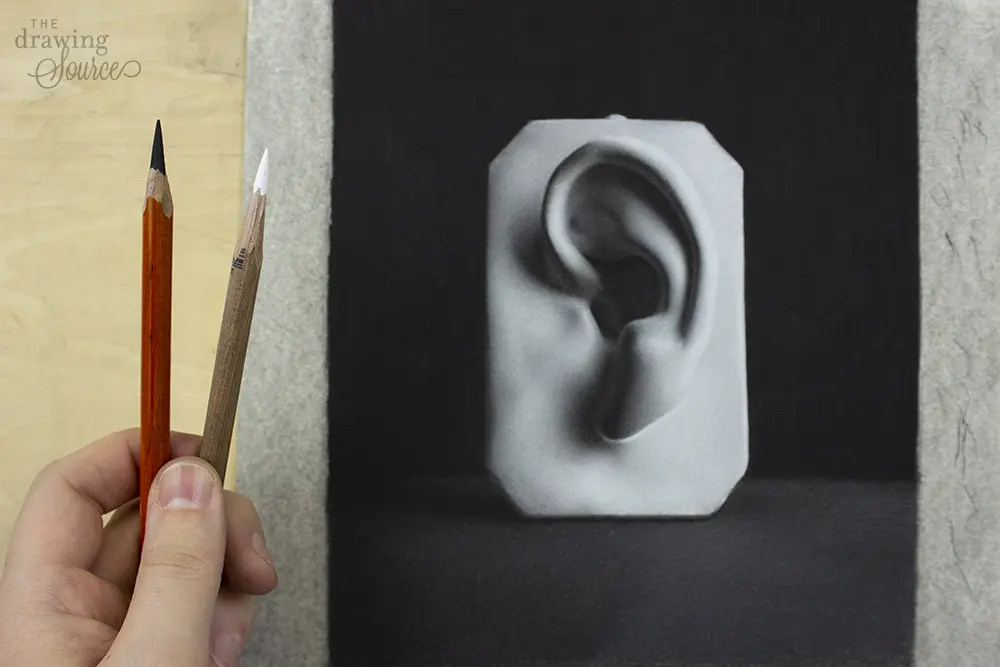
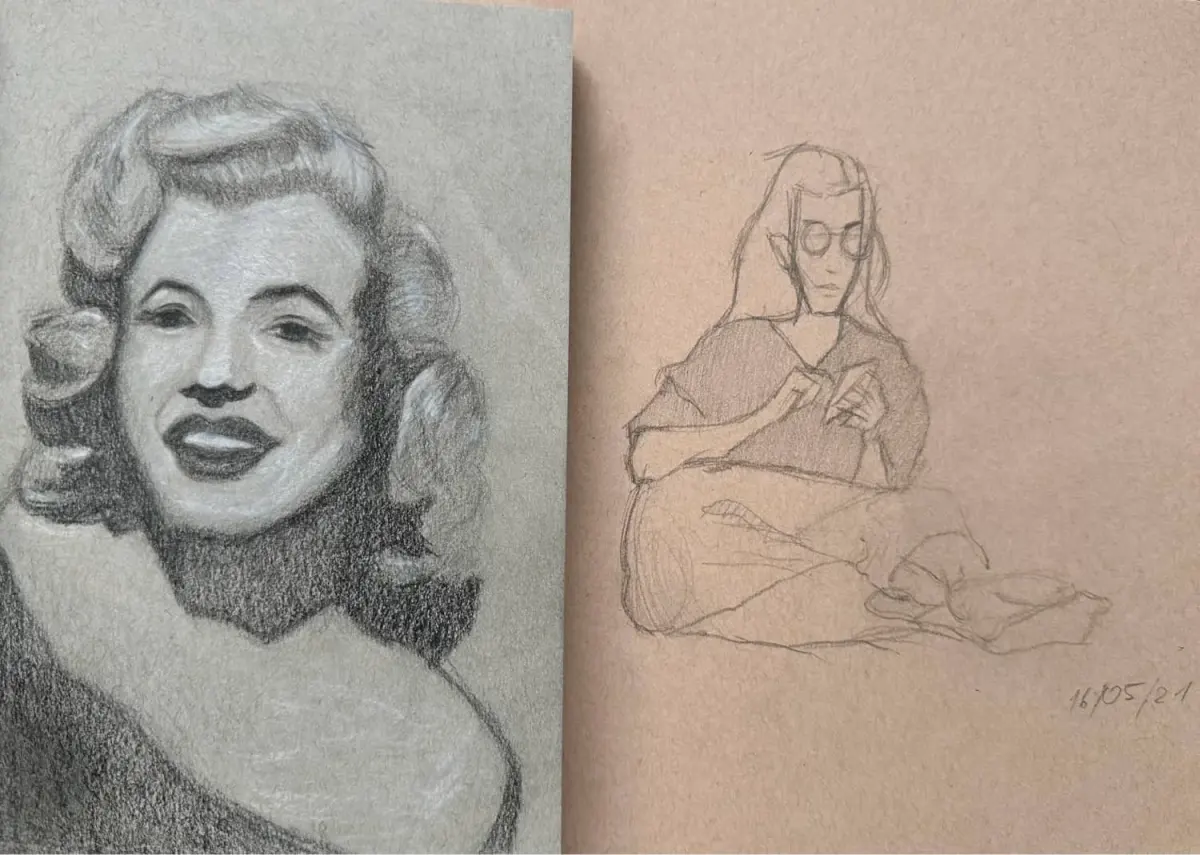
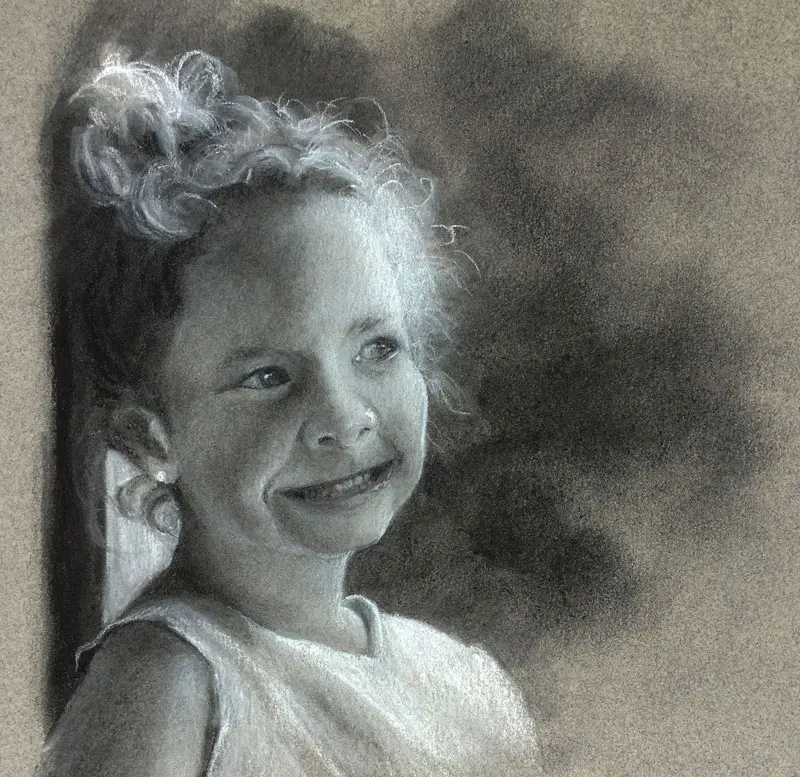
Tone also plays a significant role in your final composition. While white paper is standard, many artists prefer toned paper in shades of gray, tan, or earth tones. Using toned paper allows you to work both forward and backward, adding dark charcoal for shadows and white chalk or pastel for highlights. This technique, often called "grisaille" or "toned-paper drawing," significantly speeds up the process of establishing mid-tones and creates a more cohesive, atmospheric effect in your artwork.
How to start a charcoal drawing
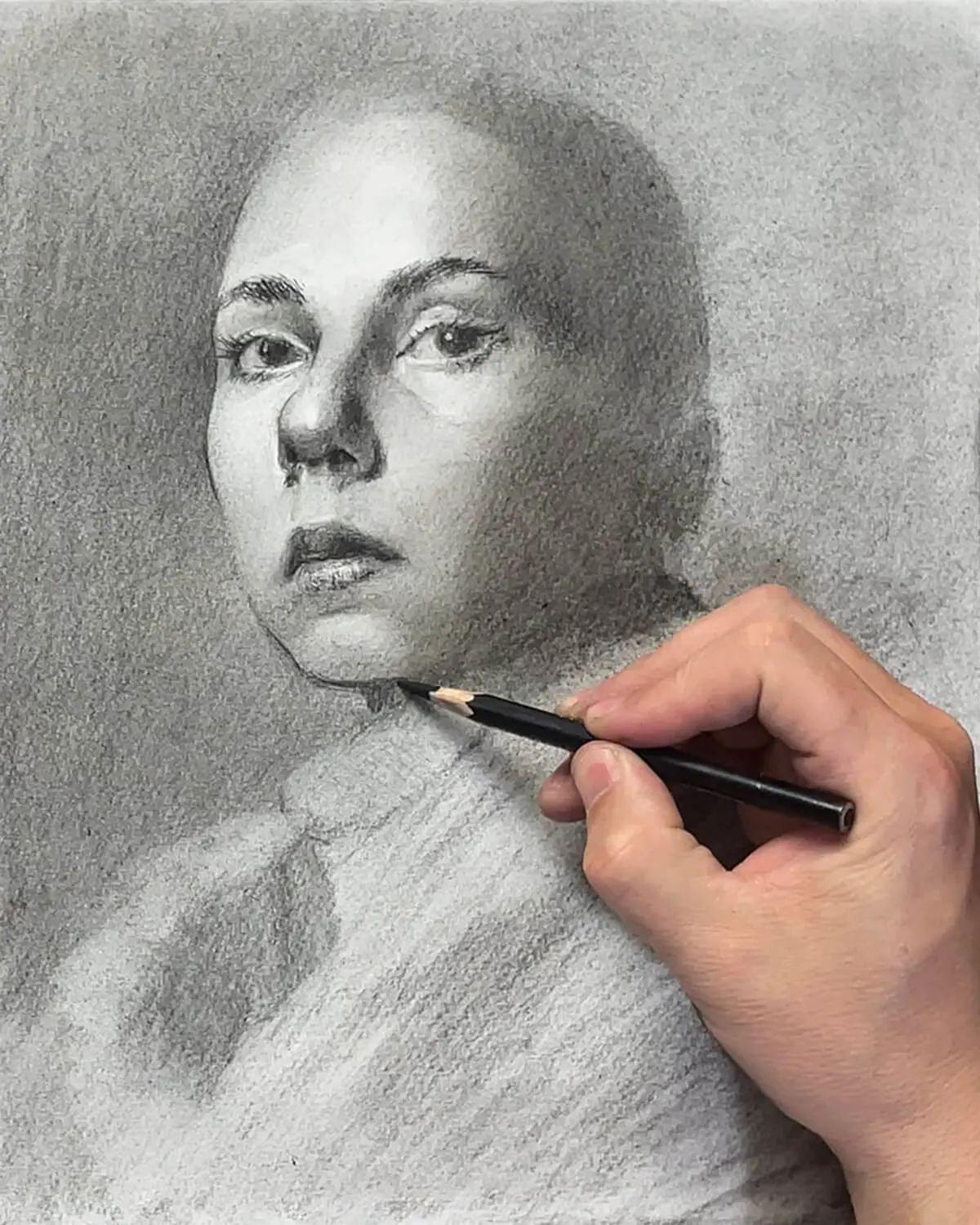
Establishing a solid foundation is the key to a successful drawing, regardless of your subject matter. Begin by lightly mapping out the composition using a thin piece of willow charcoal. Focus on the overall proportions and the placement of major shapes rather than fine details. Keep your hand loose and avoid pressing hard, as early lines should be easily removable or blendable.
Once the structure is set, follow these steps to build your drawing:
- Identify the darkest shadows and apply them using compressed charcoal to establish a value range.
- Use a blending stump or a soft cloth to transition from dark areas into mid-tones, creating smooth gradients.
- Use a kneaded eraser to lift charcoal away, creating highlights or refining edges by "drawing" with the eraser.
- Add final, sharp details with a charcoal pencil to bring the drawing into focus.
Common mistakes when drawing with charcoal
One of the most frequent errors is over-blending, which can lead to a muddy, flat appearance. While blending is a core technique, relying on it too much destroys the crisp edges and textures that give a drawing life. Instead of smearing everything with your fingers, try using hatching or cross-hatching to create depth. Your fingers contain natural oils that can permanently stain the paper and make the charcoal difficult to lift, so use professional blending tools like tortillons or chamois cloths whenever possible.
Another common mistake is failing to manage the dust created by the medium. Charcoal is inherently messy and can easily smear across your work if you are not careful. Always work from the top of the page to the bottom to avoid dragging your hand through finished areas. If you are working on a vertical easel, use a mahl stick to keep your hand off the surface, and periodically tap your drawing board to let excess dust fall away rather than blowing on it, which can spread particles into the air and onto your paper.
How to preserve charcoal drawings
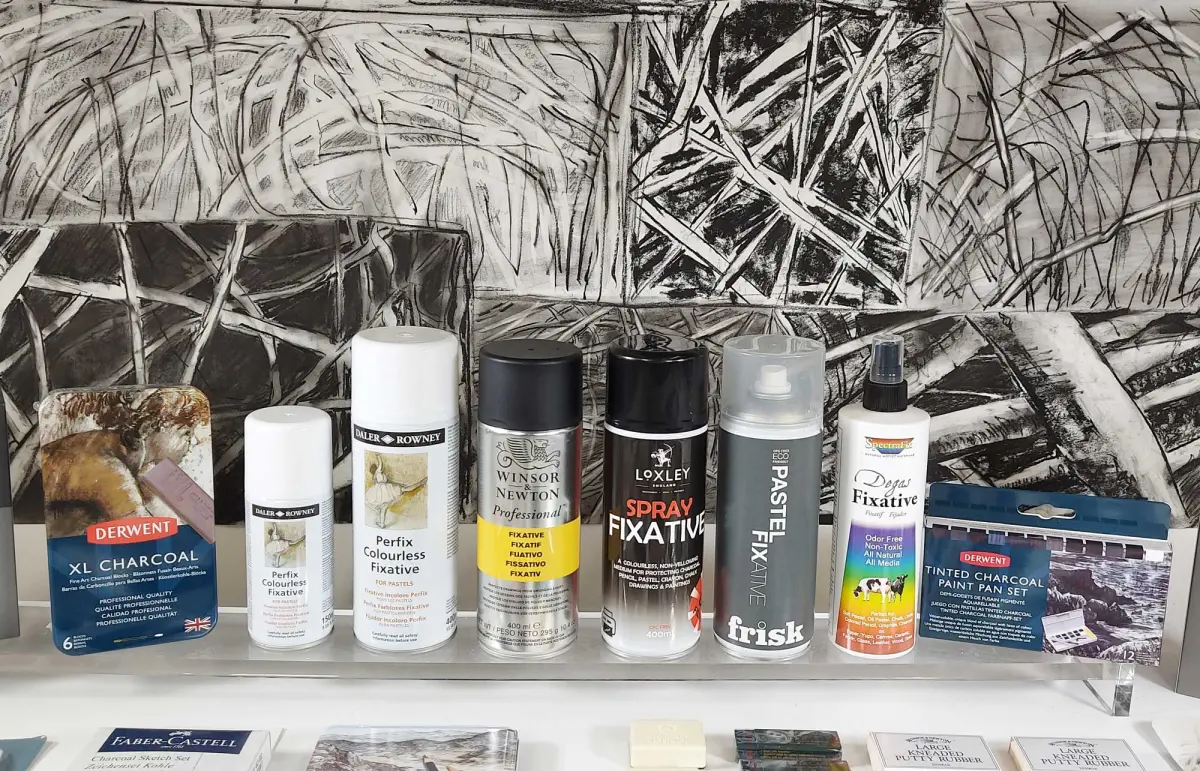
Because charcoal is a dry, powdery medium, it remains susceptible to smudging and fading long after the drawing is finished. To protect your work, you must use a fixative, which is a spray-on resin that binds the charcoal particles to the paper. Apply fixative in several light, even coats rather than one heavy layer, which can cause the charcoal to darken significantly or run. Ensure you are in a well-ventilated area when using these sprays, as they often contain volatile chemicals that should not be inhaled.
For long-term storage, consider mounting your drawing behind glass or storing it in a portfolio with glassine paper between sheets. Glassine is a smooth, acid-free paper that prevents the charcoal from rubbing off onto the back of the next drawing. If you choose to frame your work, use a mat to keep the charcoal from touching the glass, as moisture can cause the particles to adhere to the surface over time. Proper handling and storage will ensure your charcoal drawings remain vibrant for many years.
Key facts
- Willow or vine charcoal is made from burnt twigs and is soft, light, and easily erased.
- Compressed charcoal contains a binder like gum or wax, making it darker, harder to erase, and more permanent.
- Use a kneaded eraser to lift charcoal from the page by dabbing rather than rubbing to avoid damaging the paper fibers.
- Fixative sprays are essential to prevent charcoal drawings from smudging or dusting off the surface once completed.
- Work from dark to light by establishing shadows first, then using your eraser to pull out highlights.
- Use your fingers, a paper stump, or a chamois cloth to blend charcoal for smooth gradients and soft transitions.
The bottom line
Drawing with charcoal is a foundational skill that emphasizes value and contrast over fine line work. By mastering the balance between soft vine charcoal for initial layouts and compressed charcoal for deep, dramatic shadows, you can create expressive, high-contrast imagery. Always prioritize proper paper selection and the use of fixatives to preserve your work, ensuring that your final drawings remain crisp and protected from accidental smudging.
People also ask
What kind of paper is best for charcoal drawing?
Textured paper, such as charcoal paper or heavy-weight sketch paper, is ideal because the "tooth" of the surface grips the loose charcoal particles. Smooth paper often makes it difficult for the medium to adhere, leading to smudging and uneven tones.
How do I prevent my charcoal drawing from smearing?
Keep a piece of scrap paper under your drawing hand to prevent skin oils and friction from smudging your work. Once finished, apply a professional-grade workable fixative spray in a well-ventilated area to lock the particles in place.
Can I use charcoal with other drawing materials?
Yes, charcoal pairs well with graphite, conté crayons, and white chalk for highlights. However, ensure you apply the charcoal before adding wax-based materials, as wax can create a barrier that prevents charcoal from sticking to the paper.
What is the difference between vine and compressed charcoal?
Vine charcoal is brittle and produces light, dusty marks that are easily wiped away, making it perfect for initial sketches. Compressed charcoal is dense and creates deep, rich blacks that are more difficult to remove, making it better for final details.
How do I clean my charcoal tools?
You can clean a kneaded eraser by stretching and folding it until the charcoal is absorbed into the rubber. For paper blending stumps, use a sandpaper block to gently sand away the outer layer of stained material to reveal a clean surface.
Is charcoal suitable for beginners?
Charcoal is an excellent medium for beginners because it is forgiving and encourages loose, gestural mark-making. Its ability to be easily erased or blended helps students learn about value, light, and shadow without the pressure of permanent ink.
This answer was created with the help of AI research tools and reference sources. Spotted an error? Let us know — we correct mistakes quickly. See our editorial policy.