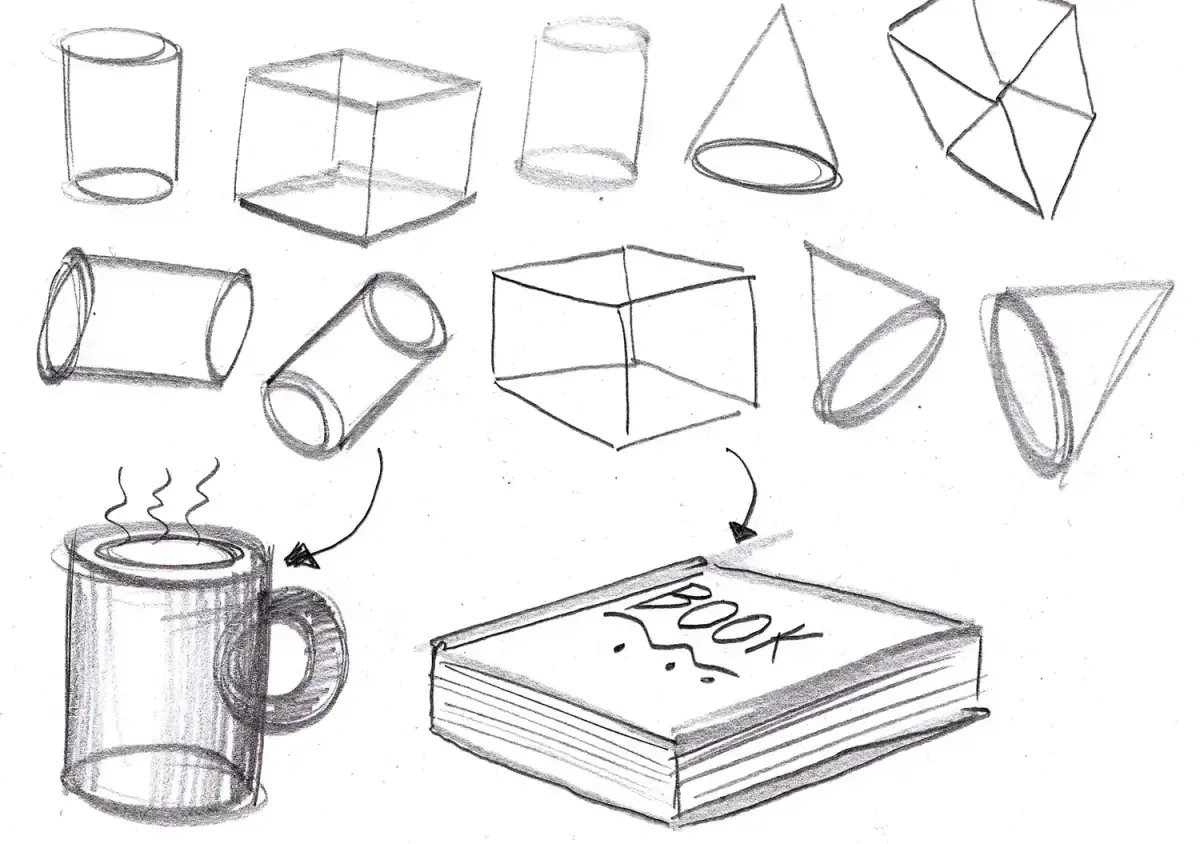
What is the difference between painting and drawing?
Short answer
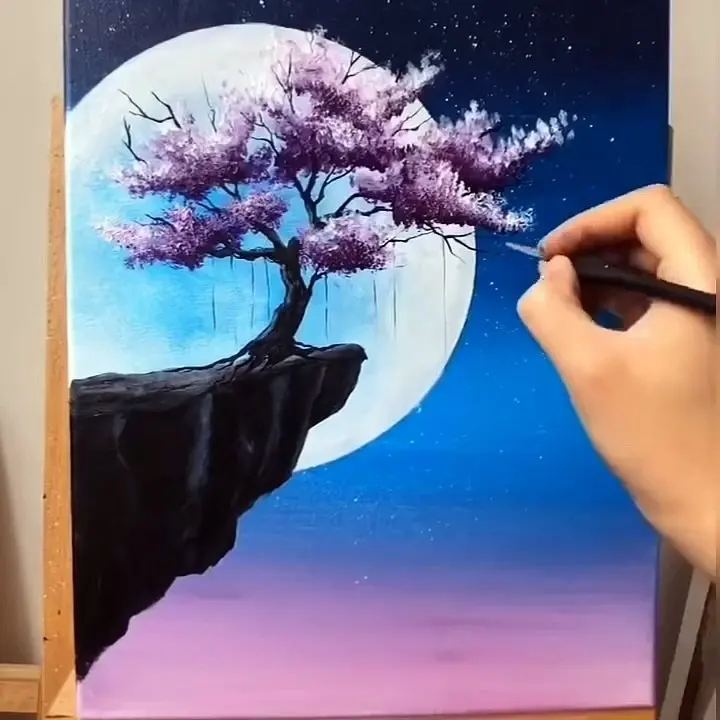
Drawing is primarily defined by the use of linear marks, typically created with dry media like graphite, charcoal, or ink on paper. Painting involves applying pigments suspended in a liquid binder, such as oil, acrylic, or watercolor, to a surface using brushes, knives, or sponges to create areas of color and tone.
On this page
What are the fundamental differences between painting and drawing?
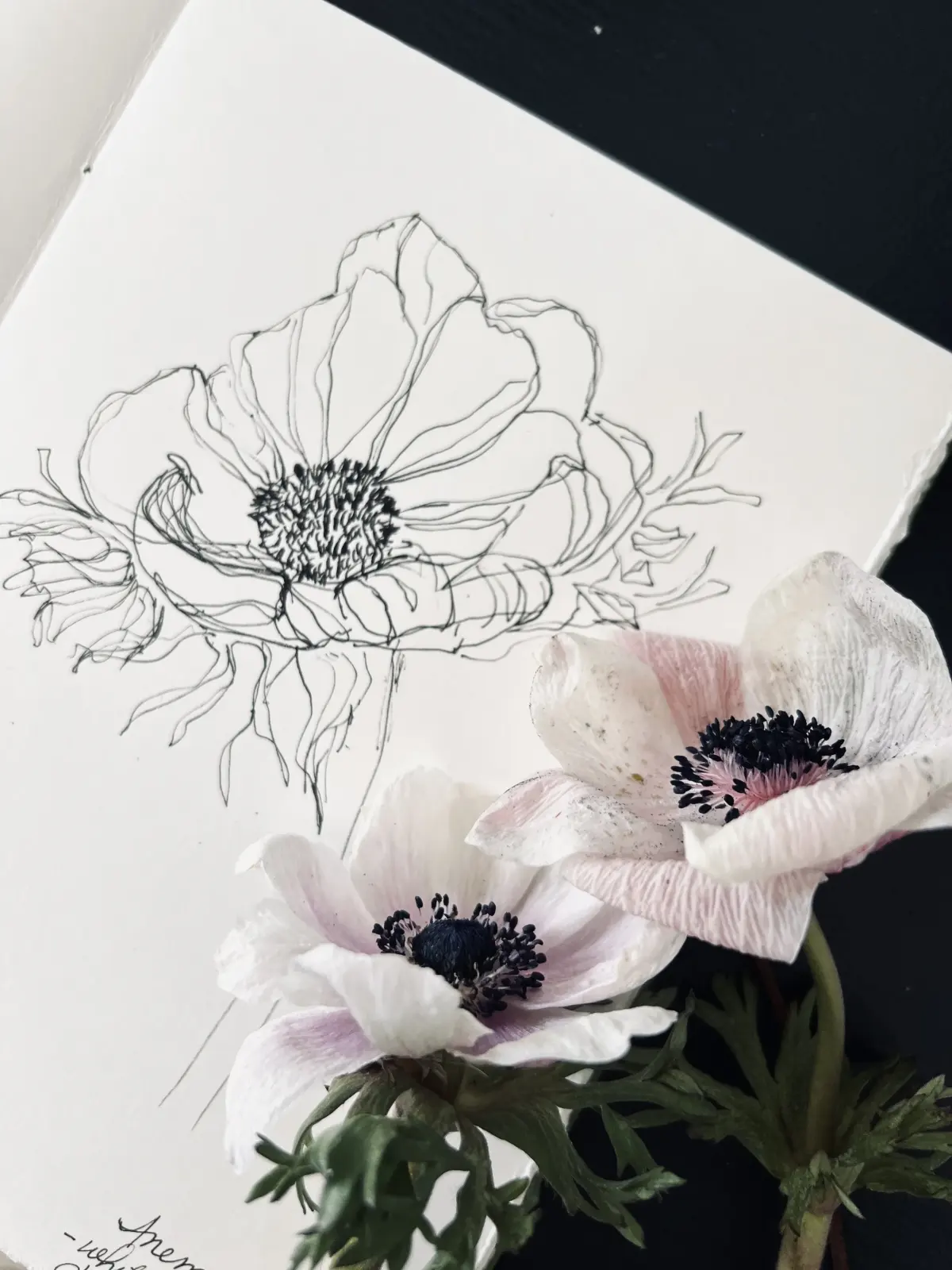
The primary distinction lies in the physical nature of the materials and the way they interact with a surface. Drawing is fundamentally additive and linear, focusing on the edges, contours, and structural framework of an object. Artists use tools like pencils, pens, or sticks of charcoal to deposit dry particles onto a surface, often relying on the texture of the paper to hold the pigment. Because drawing tools are usually hand-held and precise, they allow for high levels of detail and immediate control over line weight and pressure.
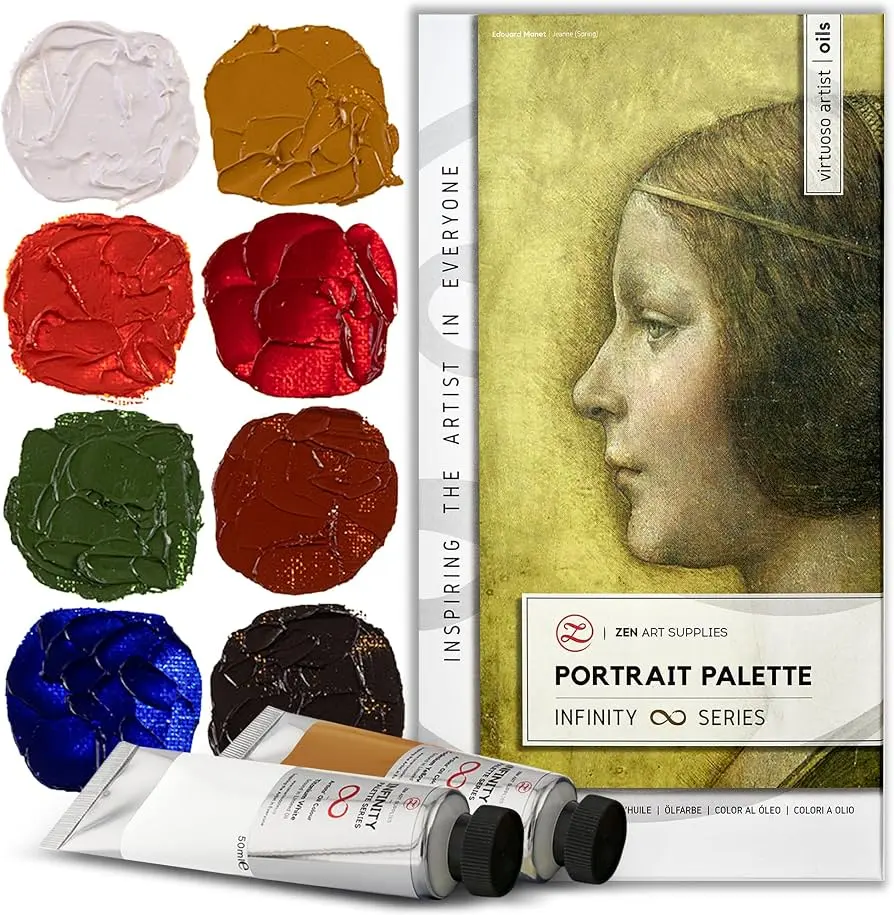
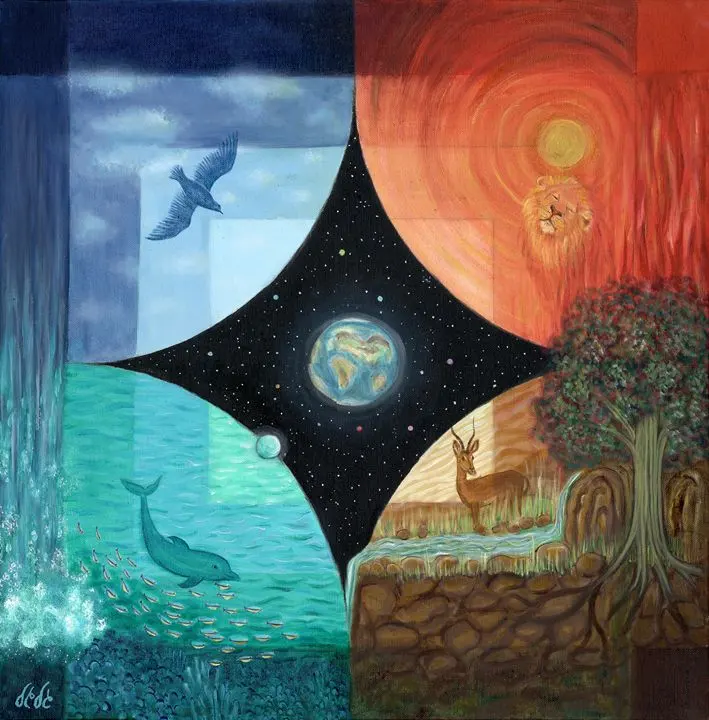
Painting, by contrast, is a tonal and chromatic process that emphasizes mass, volume, and light. Paints consist of pigments mixed with a binder—such as linseed oil for oil paints or polymer emulsion for acrylics—that dries to form a flexible film. Rather than just outlining shapes, painters build up layers of color to create depth and atmosphere. While drawing is often considered the foundation of visual art, painting allows for the complex blending and layering of hues that define the overall mood of a composition.
How to choose between drawing and painting for beginners
For those just starting, drawing is generally the more accessible medium due to its simplicity and low barrier to entry. You only need a pencil, an eraser, and a sketchbook to begin practicing the fundamental principles of perspective, proportion, and shading. Drawing teaches you how to observe the world closely, training your eye to break down complex forms into simple geometric shapes. It serves as an essential precursor to painting, as the ability to map out a composition on a canvas is a critical skill for any painter.
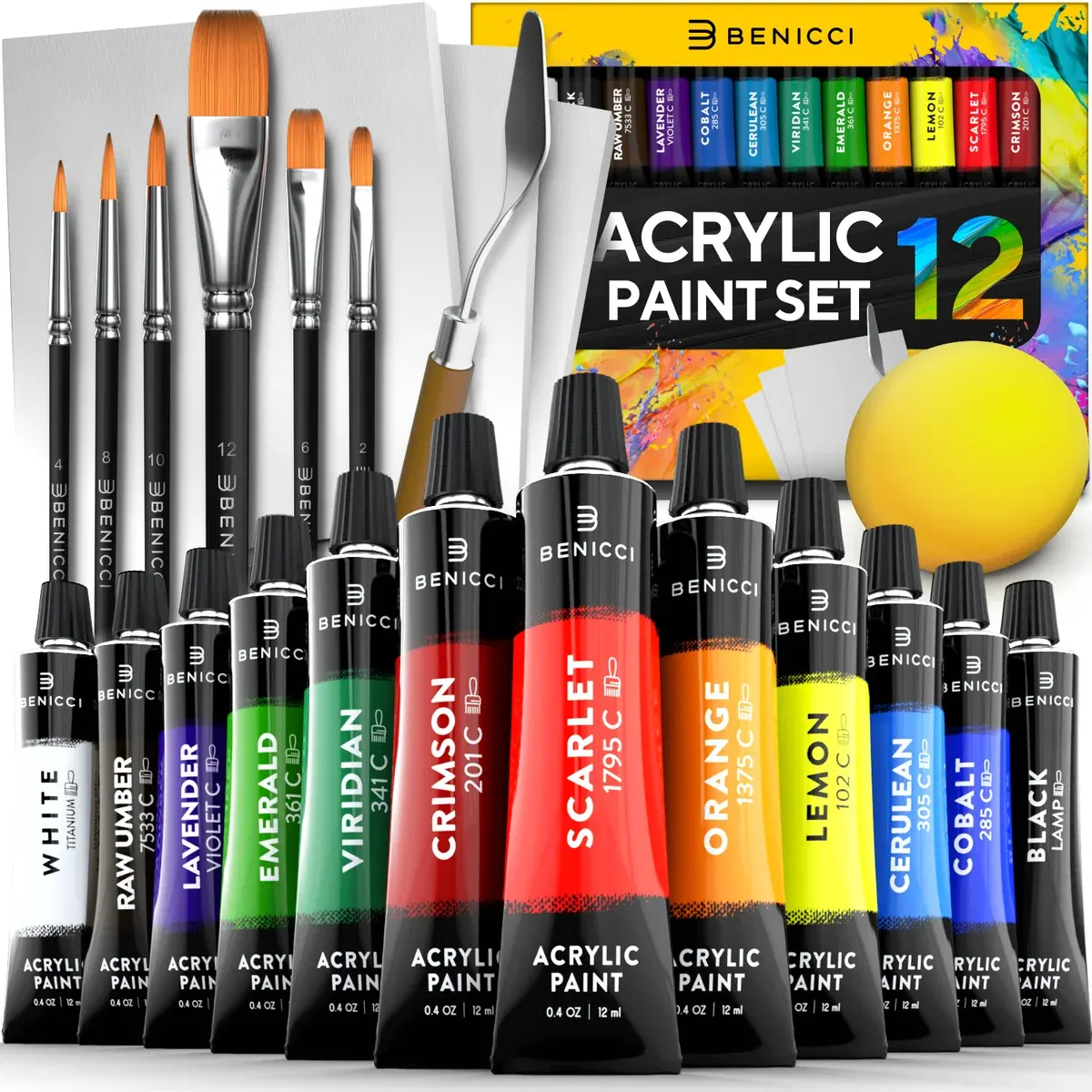
If you are eager to explore color and texture, painting offers a more sensory experience. However, it requires a greater investment in materials, such as brushes, palettes, solvents, and surfaces like canvas or wood panels. When starting with painting, consider these steps to manage the learning curve:
- Choose acrylic paints over oils, as they are water-soluble and dry quickly, making them easier to handle in a home environment.
- Limit your palette to three primary colors plus white to learn how to mix your own secondary and tertiary hues.
- Use a synthetic flat brush to practice applying even blocks of color before attempting complex blending techniques.
Which tools are essential for each medium?
The equipment required for drawing is minimal and portable, making it ideal for artists who want to work on the go. Graphite pencils are categorized by hardness, ranging from 9H (hard and light) to 9B (soft and dark), allowing for a wide range of values. Charcoal provides a more expressive, matte finish that is perfect for large-scale studies, while ink pens offer permanent, high-contrast lines that cannot be erased. Each tool changes the tactile quality of the mark, influencing the final aesthetic of the piece.
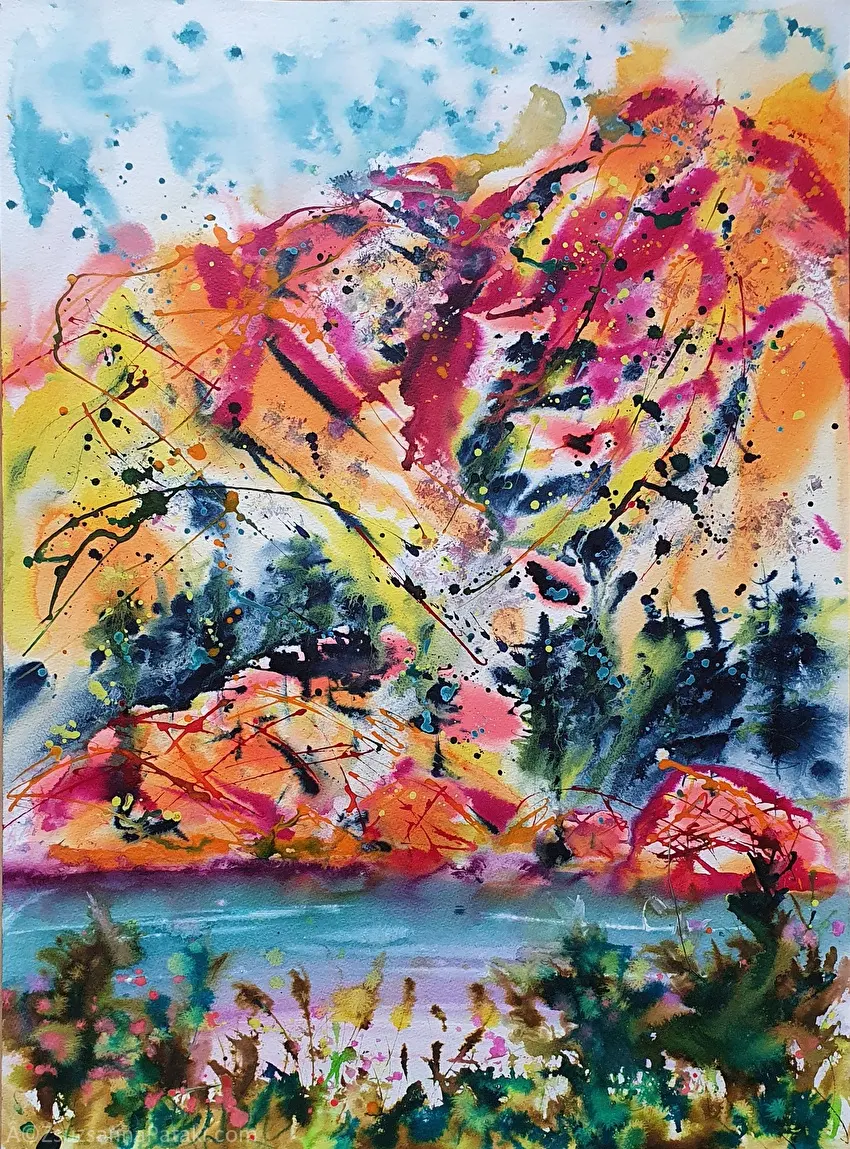
Painting tools are more specialized and depend heavily on the chosen medium. Essential items for a basic painting setup include:
- A set of brushes in various shapes, such as filberts, rounds, and flats, to create different types of marks.
- A palette for mixing colors, which can be made of wood, plastic, or even glass.
- A sturdy support, such as a primed canvas, linen, or heavy-duty paper designed to withstand moisture.
- A cleaning agent or solvent specific to your paint type, such as water for acrylics or odorless mineral spirits for oils.
Common mistakes when starting to draw or paint
A frequent error in drawing is "heavy-handedness," where beginners press too hard with their pencils early in the process. This creates indentations in the paper and makes it nearly impossible to erase or adjust lines. To avoid this, always start with light, gestural marks to establish the composition before committing to darker, more permanent lines. Another common mistake is neglecting the negative space—the area around the object—which is just as important as the object itself for achieving accurate proportions.
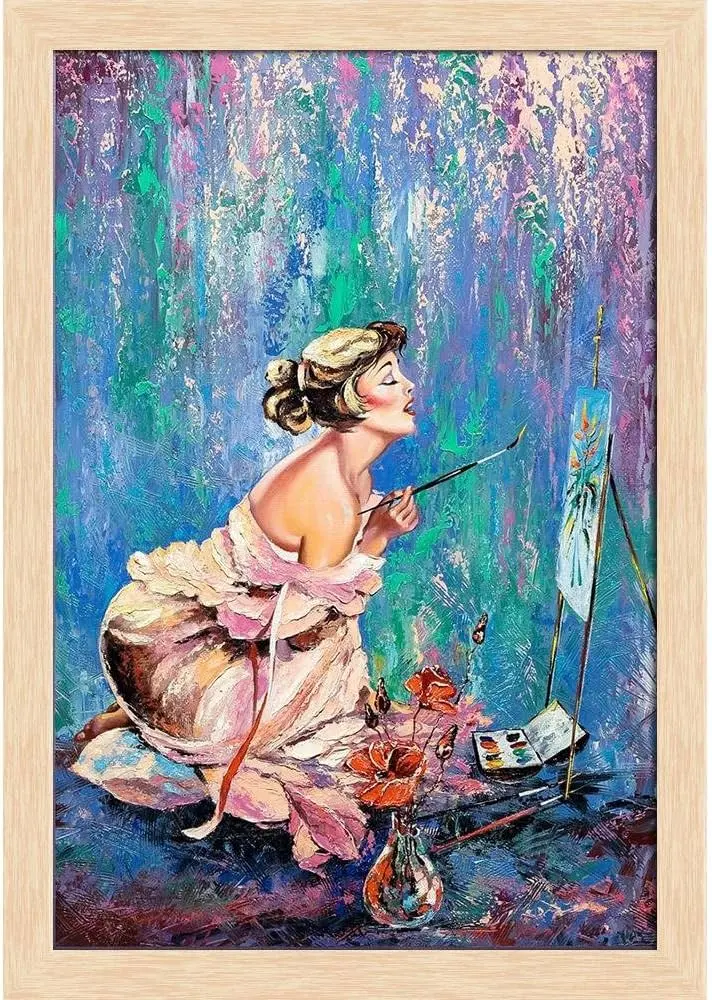
In painting, the most common pitfall is over-blending, which results in "muddy" colors that lack vibrancy. Beginners often mix colors directly on the canvas until the hues lose their individual character. To prevent this, apply paint in distinct strokes and allow layers to dry before adding new ones. Furthermore, many new painters fail to consider the light source, leading to flat images that lack three-dimensional volume. Always identify where the light is coming from and ensure your shadows and highlights remain consistent throughout the work.
How long does it take to master these skills?
Mastery in either medium is a lifelong pursuit that depends more on consistent practice than innate talent. Drawing requires the development of hand-eye coordination, which can take several years of daily sketching to refine. By spending just 20 minutes a day practicing contour drawing or shading exercises, you will notice significant improvements in your ability to capture likeness and form within six months. The goal is to build muscle memory so that your hand translates what you see into marks without conscious effort.
Painting mastery involves not only technical skill but also an understanding of color theory, chemistry, and composition. Learning to manipulate paint to achieve specific effects—such as glazing, impasto, or dry brushing—can take years of experimentation. Professional artists often spend decades refining their personal style and understanding how different binders and pigments behave under various conditions. Regardless of which medium you choose, the most important factor is the willingness to embrace the process, learn from your failed attempts, and continue creating consistently until your technical skills become second nature.
Key facts
- Drawing relies primarily on line and mark-making, whereas painting focuses on the application of color and mass.
- Dry media such as graphite, charcoal, and pastels define drawing, while wet media like oil, acrylic, or watercolor define painting.
- Drawing is often considered the foundational step for painting, used to establish composition and structure before adding color.
- Painters often use a "ground" or primer, such as gesso, to prepare a surface, while drawers typically work directly on paper.
- A common mistake in drawing is pressing too hard, which can damage the paper fibers and prevent smooth layering of tones.
- A frequent error in painting is "over-mixing" colors on the palette, which results in muddy or dull hues rather than vibrant, distinct strokes.
The bottom line
The fundamental distinction between drawing and painting lies in the tools used and the primary focus of the work. Drawing emphasizes line, structure, and dry media, serving as the essential blueprint for artistic expression. Painting centers on color, mass, and fluid application, allowing for complex layering and depth. Understanding these differences helps artists choose the right medium to effectively communicate their specific creative vision and intent.
People also ask
Can you use drawing tools on a painting?
Yes, artists frequently use charcoal or ink to sketch outlines directly onto a canvas before applying paint. This technique, known as underdrawing, helps maintain proportions and composition throughout the painting process.
Is watercolor considered a drawing or a painting medium?
Watercolor is classified as a painting medium because it involves applying pigmented liquid to a surface using a brush. While it requires precision similar to drawing, the fluidity and color-blending nature of the medium are distinct characteristics of painting.
What is the difference between a sketch and a study?
A sketch is typically a quick, rough drawing used to capture an idea or gesture without much detail. A study is a more deliberate, focused piece created to explore specific elements like lighting, anatomy, or color palettes for a larger, final work.
Read the full answer →Do I need to be good at drawing to be a good painter?
While not strictly required, strong drawing skills significantly improve a painter's ability to render form, perspective, and spatial relationships. Mastering the ability to see and translate shapes onto a surface is a fundamental skill for both disciplines.
What are the most common surfaces for each medium?
Paper is the standard surface for drawing because it holds dry media effectively and offers various textures. Paintings are typically executed on canvas, wood panels, or heavy-duty paper treated with a primer to prevent the paint from soaking into the fibers.
How do I choose between drawing and painting for a project?
Choose drawing if you want to emphasize line, texture, and high-contrast detail with minimal setup time. Choose painting if you want to explore color theory, atmospheric depth, and the physical layering of pigments to create a more immersive visual experience.
This answer was created with the help of AI research tools and reference sources. Spotted an error? Let us know — we correct mistakes quickly. See our editorial policy.