What are the best oil paint sets for beginners?
Short answer
The best oil paint sets for beginners balance affordability with high pigment quality, ensuring ease of blending and color vibrancy. Recommended starter kits include Winsor & Newton Winton, Gamblin 1980, and Sennelier Étude. These student-grade lines offer consistent textures and reliable drying times, providing an ideal foundation for learning fundamental painting techniques.
On this page
What are the best oil paint sets for beginners?
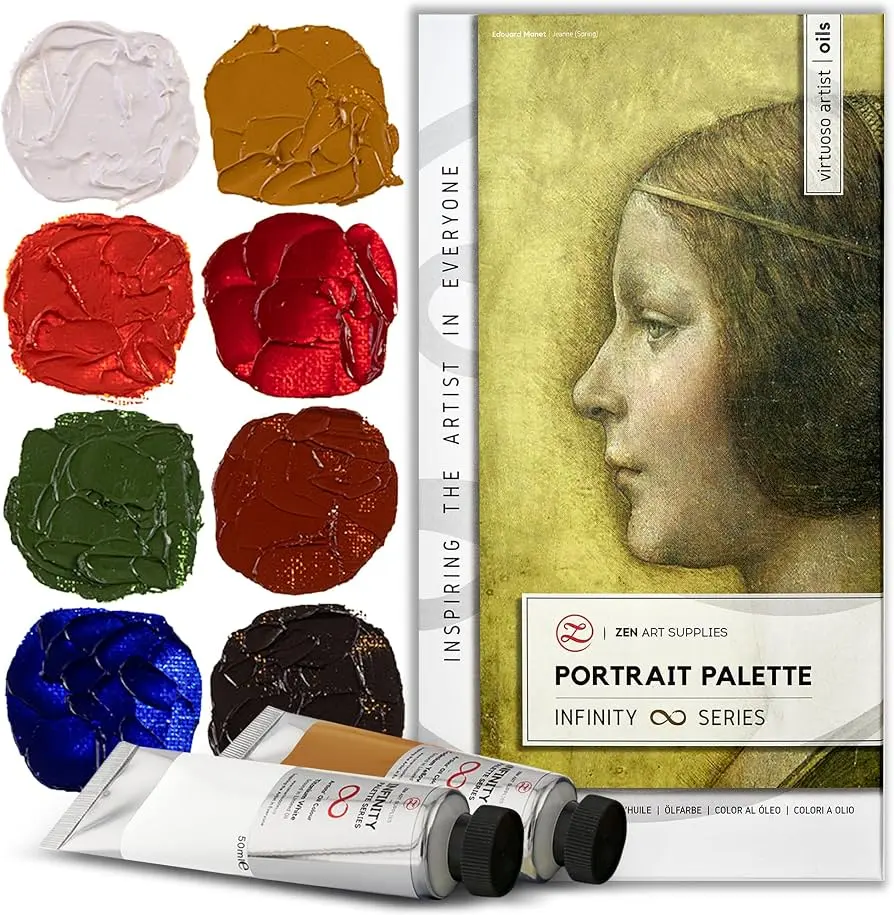
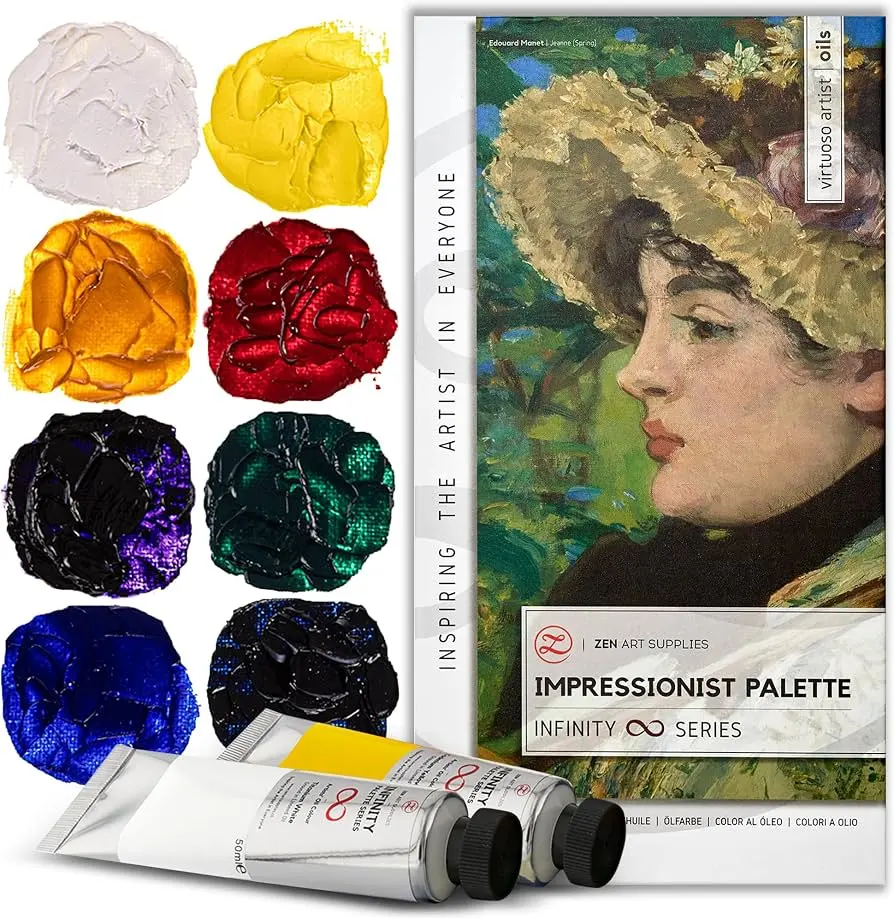
When starting with oil painting, you do not need an exhaustive palette of colors. Instead, focus on student-grade sets that offer a manageable range of essential hues. Winsor & Newton Winton is widely considered the gold standard for beginners because it provides a stiff, uniform consistency that mimics professional paints at a lower cost. Gamblin 1980 is another excellent choice, formulated to be more fluid, which helps those who are still adjusting to the viscosity of oil media.
Sennelier Étude oil sets are also highly regarded for their high pigment concentration, which prevents the colors from looking muddy when mixed. These sets typically include a basic primary palette, which is essential for learning color theory. By limiting your initial palette to a few tubes, you force yourself to learn how to mix secondary and tertiary colors effectively. This practice is far more beneficial for a beginner than owning forty different pre-mixed shades.
How to choose the right oil paint set
Selecting a set involves looking for specific characteristics that indicate quality. Avoid very cheap, craft-store sets that contain high amounts of filler or oil, as these will result in weak, translucent colors that flake when dry. Instead, look for sets that specify "student grade" from reputable manufacturers. These lines use high-quality pigments but reduce costs by using slightly less expensive binders or by limiting the range of colors available.
Consider the following factors when evaluating a potential purchase:
- Pigment load: Look for sets that list the pigments used on the packaging.
- Consistency: The paint should be buttery and hold its shape when squeezed from the tube.
- Permanence: Ensure the paints are rated for lightfastness, meaning they will not fade over time.
- Set size: A set of 6 to 12 tubes is usually sufficient to cover all basic mixing requirements.

What essential supplies do beginners need?
Beyond the paint itself, you must invest in a few supporting materials to ensure a successful painting experience. Oil painting requires solvents and mediums, which can be intimidating for newcomers. Start with a non-toxic, odorless mineral spirit for cleaning brushes and a basic linseed oil for thinning paint. You will also need a selection of hog bristle brushes, which are durable enough to handle the heavy texture of oil paint.
To organize your workspace, follow these steps:
- Secure a sturdy wooden or glass palette to mix your colors.
- Use a palette knife to mix paint, which saves your brushes from unnecessary wear.
- Prepare a jar with a coil or brush washer to clean your brushes during the session.
- Always work in a well-ventilated area to ensure proper airflow while using solvents.
Common mistakes when starting oil painting
One of the most frequent errors beginners make is applying paint too thickly without following the "fat over lean" rule. This principle dictates that each subsequent layer of paint should have a higher oil content than the previous one. If you apply a lean layer—paint thinned with solvent—over a fat layer—paint thinned with oil—the painting will crack as it dries. Understanding this chemical interaction is crucial for the longevity of your work.
Another common mistake is over-mixing colors on the palette, which leads to dull, grayish results. Beginners often stir their colors too much, losing the vibrancy of the individual pigments. Instead, try to mix your colors with just a few deliberate strokes of your palette knife. This preserves the distinct character of each pigment and results in more lively, professional-looking color transitions on the canvas. Additionally, avoid using too much solvent, as this can break down the binder and leave the paint brittle.
How to maintain oil painting equipment
Proper maintenance of your brushes and tools is essential for keeping your initial investment in good condition. Never leave your brushes sitting in a jar of solvent for extended periods, as this can damage the bristles and ruin the shape of the brush head. After each session, clean your brushes thoroughly with soap and warm water until the water runs clear. Reshape the bristles while they are damp and lay them flat to dry.
Storing your paints correctly will also extend their lifespan significantly. Ensure that the caps are screwed on tightly after every use to prevent the paint from oxidizing inside the tube. If you notice a small amount of oil separating from the pigment, simply knead the closed tube gently with your fingers to reincorporate the mixture. By following these simple care routines, your beginner oil paint set will remain usable for years, allowing you to focus entirely on developing your artistic skills and exploring the rich, versatile world of oil painting.
Key facts
- Student-grade paints contain more binder and less pigment than professional-grade tubes, making them more affordable for practice.
- A basic palette of six colors—warm and cool versions of red, yellow, and blue—allows you to mix nearly any hue.
- Oil paints require long drying times, often taking several days or weeks to touch-dry depending on the thickness of the application.
- Always use the "fat over lean" rule: apply layers with more oil on top of layers with less oil to prevent cracking.
- Essential solvents like odorless mineral spirits are necessary for cleaning brushes, but they must be used in a well-ventilated area.
- Beginners should prioritize buying a few high-quality brushes—such as hog bristle flats and filberts—rather than large, cheap variety packs.
The bottom line
For beginners, the best approach is to purchase a modest set of student-grade paints in primary colors, supplemented by a few quality brushes and a bottle of odorless mineral spirits. Focus on mastering color mixing and the "fat over lean" technique rather than investing in expensive supplies. With patience and proper ventilation, you will build the foundational skills necessary to transition toward professional-grade materials later.
People also ask
Do I need to buy expensive brushes for oil painting?
You do not need expensive brushes, but you should avoid the lowest-quality synthetic sets that shed bristles. Look for firm, natural hog hair brushes or high-quality synthetic alternatives that hold their shape under the weight of thick paint.
Can I paint in my bedroom without ventilation?
No, you should never paint in an enclosed space without proper ventilation. Oil paints and the solvents used to clean them release fumes that require an open window or a fan to circulate fresh air.
How long does an oil painting take to dry?
Oil paint dries through oxidation rather than evaporation, which is a slow process. Thin layers may be dry to the touch in a few days, but thick impasto layers can remain tacky for months.
Why is my paint cracking on the canvas?
Cracking usually occurs when a "fat" layer of paint—one with a high oil content—is applied underneath a "lean" layer that has less oil. Always ensure your initial layers are thinned with solvent and your final layers contain more medium.
What is the difference between student and professional oil paints?
Student-grade paints use cheaper fillers and less concentrated pigments to lower costs for learners. Professional-grade paints offer higher pigment loads, resulting in more vibrant colors and better mixing capabilities.
Do I need to prime my canvas before painting?
Most store-bought canvases come pre-primed with gesso, which is sufficient for beginners. If you choose to paint on raw wood or unprimed fabric, you must apply a primer to prevent the oil from rotting the material.
This answer was created with the help of AI research tools and reference sources. Spotted an error? Let us know — we correct mistakes quickly. See our editorial policy.