What is contour drawing?
Short answer
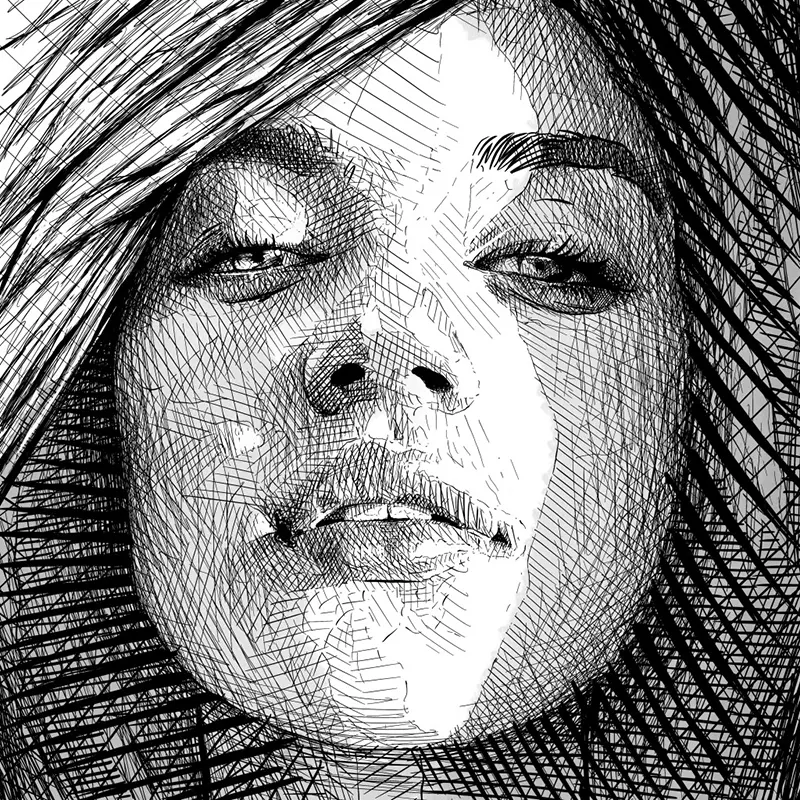
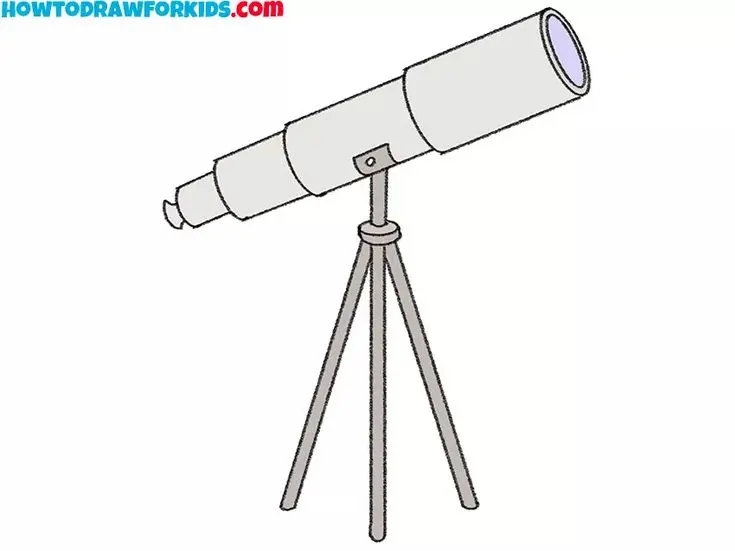
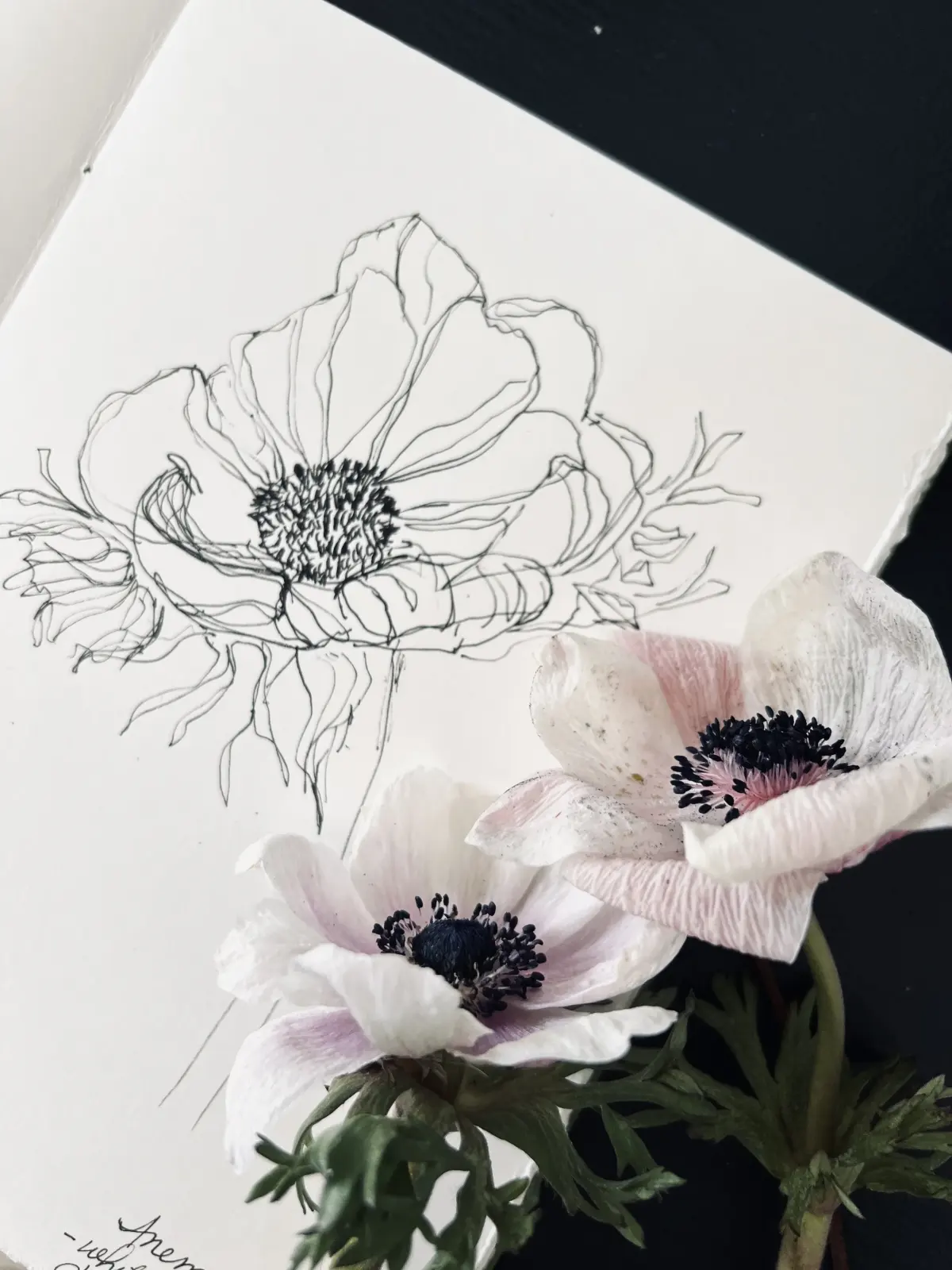
Contour drawing is a fundamental artistic technique where an artist focuses on the outlines and edges of a subject to define its shape and volume. By tracing the borders of an object with a continuous or slow-moving line, the artist captures the essential form rather than focusing on shading or color.
On this page
What is the purpose of contour drawing?
The primary goal of contour drawing is to train the eye to observe an object with extreme precision. Instead of drawing what you think you see based on mental symbols, this method forces you to record the actual physical boundaries of the subject. It is an exercise in hand-eye coordination that bridges the gap between perception and execution.
By slowing down the drawing process, artists learn to identify subtle shifts in direction, depth, and curvature that are often overlooked in quick sketching. This practice is essential for building spatial awareness and understanding how objects occupy three-dimensional space. It serves as a foundational skill for all forms of representational art, from portraiture to still-life studies.
How to practice contour drawing for beginners
To begin, you will need a simple graphite pencil, a piece of paper, and a stationary object. The most effective way to start is through "blind contour," where you never look down at your paper while drawing. This removes the pressure of creating a perfect image and forces your hand to follow your eyes.
- Select a simple object, such as a piece of fruit or a coffee mug.
- Place your pen on the paper and fix your eyes on a single point on the object.
- Move your eyes slowly along the edge of the object, while simultaneously moving your pen at the exact same speed.
- Do not lift your pen from the paper until you have traced the entire visible outline.
- Resist the urge to look at your work until the session is complete.
Why is cross-contour drawing important?
While standard contour drawing focuses on the outer edges, cross-contour drawing involves drawing lines that travel across the surface of the object. These lines act like topographical maps, revealing the volume and topography of the subject. By following the contours of the form, you create the illusion of three-dimensional depth on a flat surface.
This technique helps artists understand the "weight" and "mass" of an object. When you draw lines that wrap around the form, you are essentially describing its physical structure rather than just its silhouette. This is particularly useful when drawing complex shapes like the human body, where muscles and skeletal structures create varied, undulating surfaces that define the figure's presence in space.
Common mistakes when contour drawing
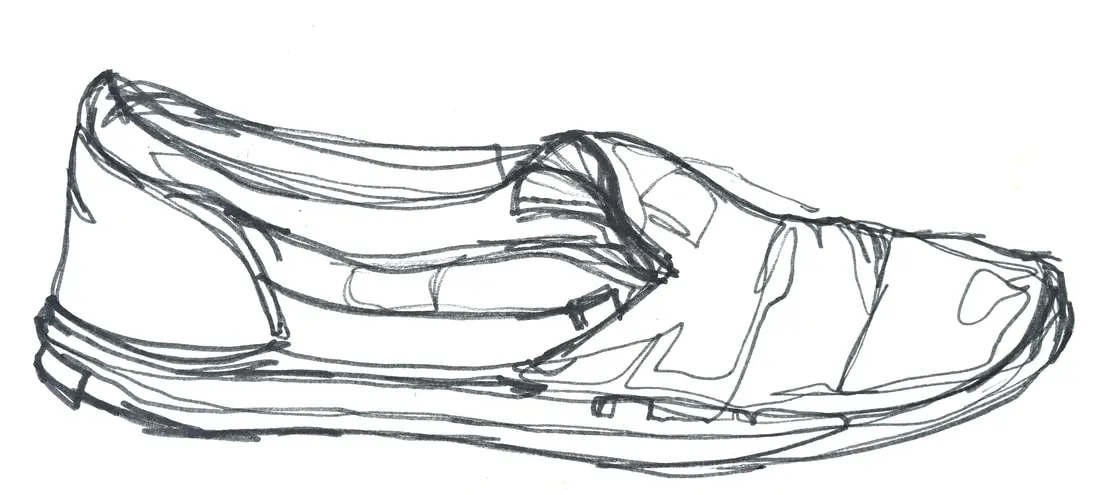
Many beginners struggle because they try to draw too quickly or rely on their memory rather than their direct observation. If you rush, your lines will become erratic and lose their descriptive power. Another frequent error is "symbol drawing," where the artist draws a generic version of an eye or a hand instead of the specific shapes they see before them.
- Checking the paper too frequently, which breaks the connection between the eye and the hand.
- Pressing too hard with the pencil, which creates rigid, unnatural outlines.
- Focusing on internal details like patterns or textures instead of the primary structural edges.
- Becoming frustrated by the distorted results, which is a natural part of the learning process.
- Neglecting to adjust the speed of the hand to match the complexity of the observed edge.
Best tools for contour drawing practice
For those starting out, a standard HB pencil and smooth cartridge paper are ideal. Soft pencils like 2B or 4B are also beneficial for creating varied line weights, which add interest and depth to the drawing. Avoid using erasers during these exercises, as the goal is to develop confidence and accept the marks you make, regardless of their accuracy.
As you progress, you might experiment with fine-liner pens or charcoal sticks. Pens provide a permanent mark that encourages commitment to every line, while charcoal offers a tactile experience that allows for broader, more expressive strokes. Regardless of the tool, the focus should remain on the act of observation. By dedicating just fifteen minutes a day to this practice, you will notice a significant improvement in your ability to translate the physical world into accurate, compelling drawings.
Key facts
- Contour drawing focuses on defining the edges and surface ridges of an object rather than shading or tone.
- The primary goal is to capture the structural integrity and spatial relationship of the subject.
- "Blind contour drawing" requires the artist to look only at the subject, never at the paper, to improve hand-eye coordination.
- Artists often use a continuous line, keeping the pen or pencil on the paper for the duration of the study.
- Cross-contour drawing adds lines that travel across the form, mimicking the way a topographical map shows elevation.
- Avoid the common mistake of "symbol drawing," where you draw what you think an object looks like instead of what you actually see.
The bottom line
Contour drawing is a fundamental artistic technique that prioritizes observation over artistic interpretation. By focusing strictly on edges and internal lines, you develop a deeper understanding of volume and spatial relationships. Whether you are practicing blind contour to sharpen your hand-eye coordination or using cross-contours to define complex forms, this practice remains the most effective way to translate three-dimensional reality onto a two-dimensional surface accurately.
People also ask
What is the difference between contour drawing and outline drawing?
An outline drawing only traces the outer perimeter of an object, creating a flat silhouette. Contour drawing is more complex because it includes internal lines that describe the volume, depth, and texture of the subject.
Can I use shading in a contour drawing?
Pure contour drawing relies exclusively on lines to convey form, so shading is generally excluded. By varying the weight and pressure of your line, you can suggest depth and shadow without using any smudging or tone.
Why do artists practice blind contour drawing?
This exercise forces the brain to slow down and observe the subject with intense focus. It trains the hand to follow the eyes, effectively breaking the habit of drawing from memory or preconceived symbols.
What materials are best for beginners?
A simple graphite pencil or a fine-tip felt pen on plain white paper is ideal. Avoid using an eraser, as the purpose is to accept your mistakes and learn from the natural flow of your linework.
How long should a contour drawing take?
A single contour study can take anywhere from two minutes to an hour. The speed is less important than the level of observation applied to every curve and intersection on the subject.
How do I know if my contour drawing is accurate?
Accuracy in contour drawing is measured by how well you capture the proportions and the "weight" of the object. If the drawing feels three-dimensional and the lines follow the physical contours of the subject, you have succeeded.
This answer was created with the help of AI research tools and reference sources. Spotted an error? Let us know — we correct mistakes quickly. See our editorial policy.