What is wet-on-wet watercolor?
Short answer
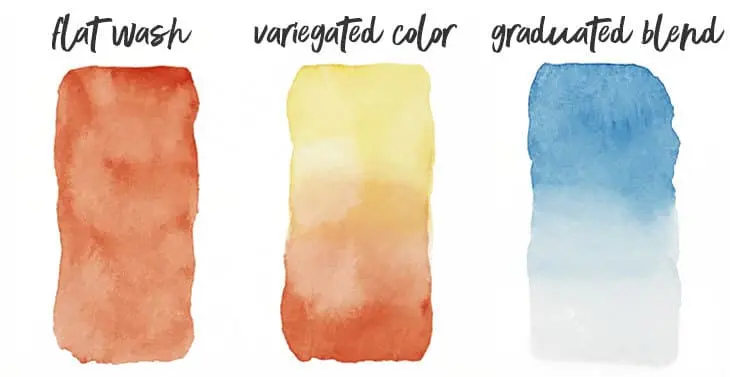
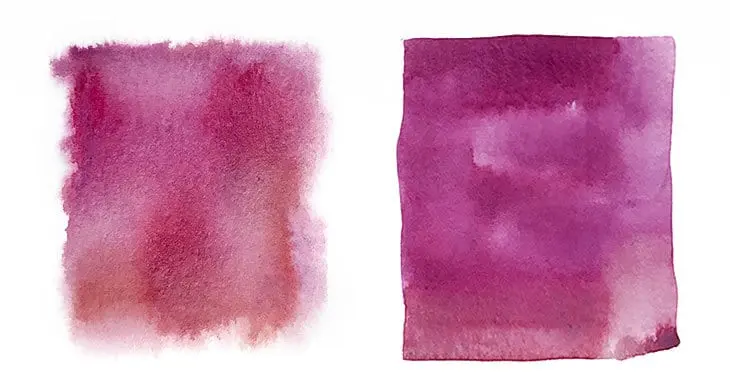
Wet-on-wet is a watercolor technique where paint is applied to a pre-moistened paper surface. This method allows pigments to spread, bleed, and blend naturally, creating soft, diffused edges and ethereal gradients. It is a fundamental approach for capturing atmospheric effects, skies, and blurred backgrounds in fluid, luminous watercolor paintings.
On this page
How to perform the wet-on-wet technique
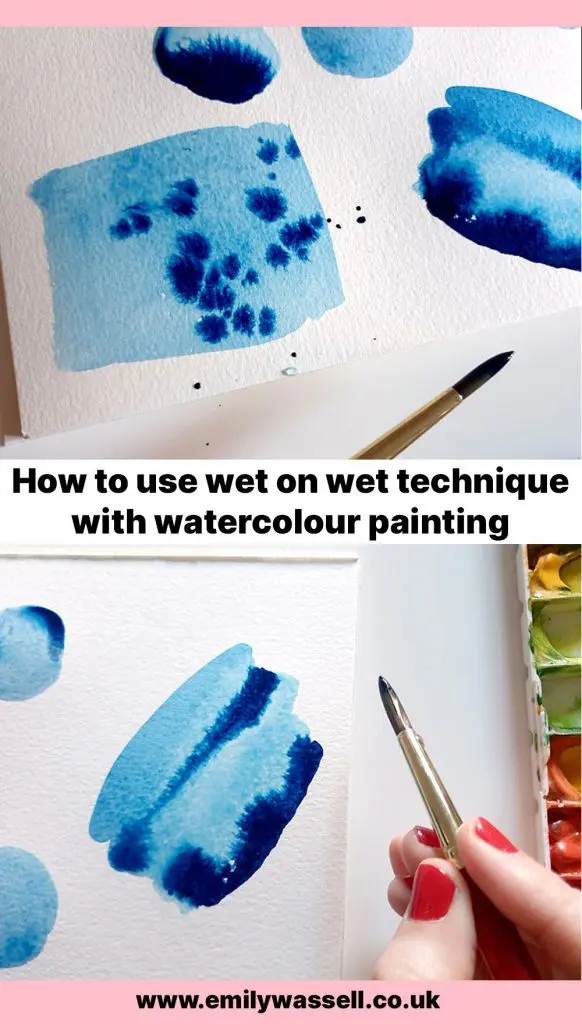
To execute this technique, you must first prepare your paper by applying a clean layer of water with a large brush. The goal is to achieve an even sheen across the surface without creating standing puddles. Once the paper is uniformly damp, load your brush with pigment and touch it to the surface. The paint will immediately begin to migrate outward, following the path of the water.
- Secure your watercolor paper to a board using masking tape to prevent buckling.
- Apply a generous, even coat of clear water to the paper using a flat wash brush.
- Wait a few seconds for the water to soak into the fibers, ensuring a matte appearance rather than a glossy pool.
- Drop concentrated pigment into the wet area, observing how the color expands and softens.
- Tilt the board slightly if you wish to encourage the paint to flow in a specific direction.
Why wet-on-wet creates soft edges
The primary appeal of this method lies in the physics of capillary action and paper absorbency. Because the paper fibers are already saturated, the pigment particles cannot be contained by the stroke of the brush. Instead, they travel through the water film, resulting in blurred boundaries. This is the opposite of wet-on-dry painting, which produces sharp, defined lines.
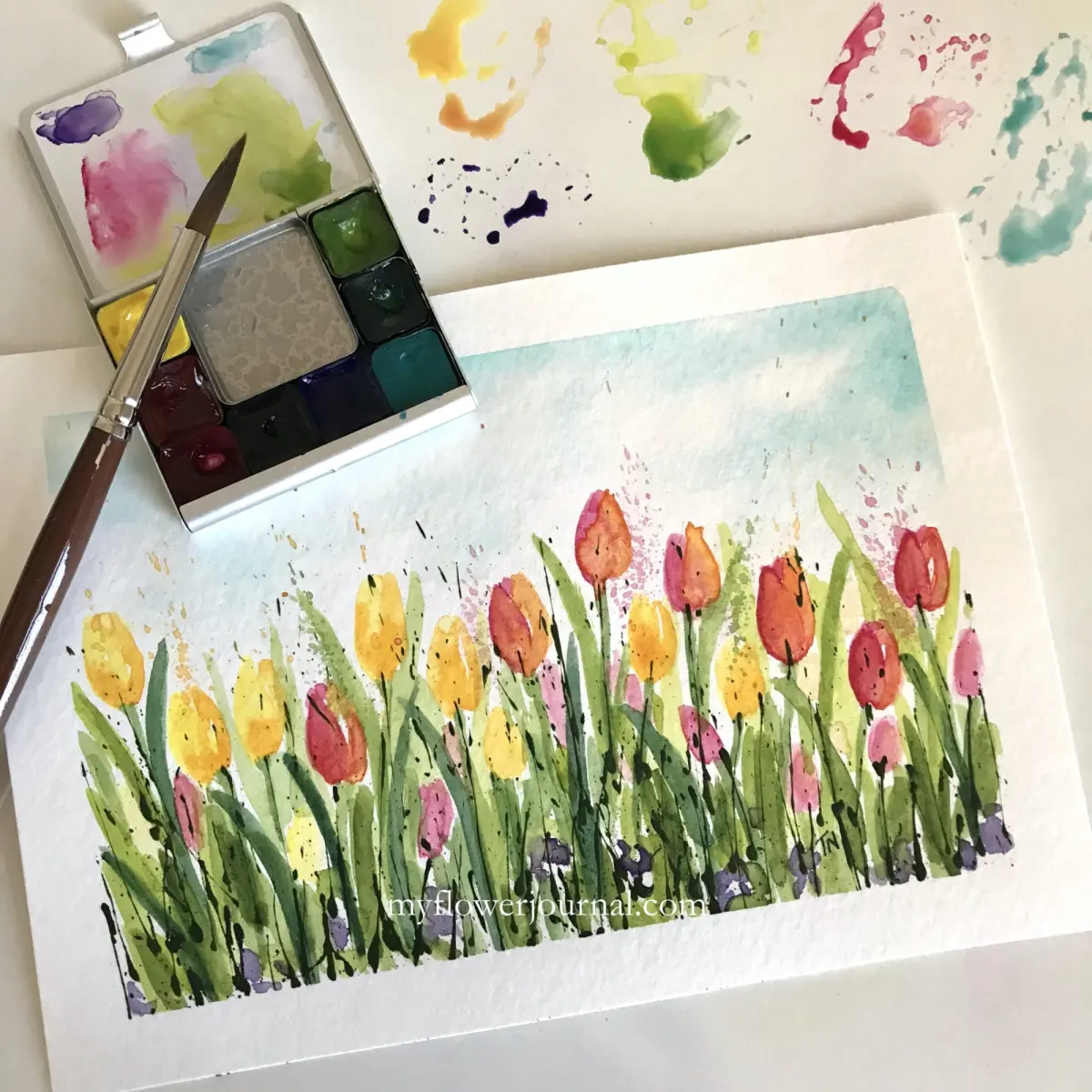
Artists favor this approach for subjects that require a sense of depth or distance. By layering colors while the paper is still damp, you can create seamless transitions between hues. This is particularly useful when painting clouds, distant hills, or soft-focus floral petals. The lack of hard lines mimics the way human vision perceives objects in the far distance, making it an essential tool for landscape painters seeking realism through atmosphere.
Best supplies for wet-on-wet painting
Success with this technique depends heavily on the quality of your materials. You need paper that can withstand significant amounts of water without tearing or pilling. Heavyweight, 300-pound (640 gsm) cold-press or rough watercolor paper is ideal because it holds water on the surface longer than thinner sheets. If you use lighter 140-pound paper, ensure it is stretched or taped down firmly to minimize warping.
- Use professional-grade watercolor paper made of 100% cotton fibers.
- Select soft, natural hair or high-quality synthetic brushes that hold a large volume of water.
- Keep a spray bottle nearby to mist the paper if it begins to dry prematurely.
- Utilize pigments with high staining or granulating properties to add texture to the washes.
- Work on a flat surface to prevent the water from pooling unevenly at the bottom of the painting.
Common mistakes when painting wet-on-wet
One of the most frequent errors is applying too much water, which causes the pigment to "bloom" or create backruns. A backrun, often called a cauliflower effect, occurs when a new, wetter brushstroke is introduced into an area that has already begun to dry. The new water pushes the existing pigment back, leaving a jagged, unsightly mark. Always test the dampness of your paper by looking at the reflection of light across the surface.
Another mistake is overworking the paint. Beginners often try to brush the color into place, which destroys the delicate, spontaneous nature of the technique. Once the paint is on the paper, let it do the work. If you continue to manipulate the wet surface, the colors will turn muddy and lose their vibrancy. Patience is required, as you must learn to trust the water to move the pigment naturally across the damp fibers.
How to control the spread of color
Controlling the flow of pigment requires adjusting the consistency of your paint. If your paint is too thin, it will wash out and become difficult to manage; if it is too thick, it will not spread effectively. Aim for a "tea" or "milk" consistency for broad washes, and a "cream" consistency for adding darker details into the wet area. The moisture level of your brush should also be lower than the moisture level of the paper.
- Mix your desired colors on a palette before touching the paper.
- Test the consistency on a scrap piece of watercolor paper first.
- Apply the paint slowly, starting from the center of the wet area and moving outward.
- Use a dry brush to lift out excess water if you notice a puddle forming.
- Allow the painting to dry completely undisturbed to ensure the soft edges remain intact.
By mastering these variables, you can achieve sophisticated effects that appear effortless. The key is to embrace the unpredictable nature of the medium while maintaining enough control to guide the pigment toward your intended composition.
Key facts
- Wet-on-wet is a watercolor technique where paint is applied to a surface that has already been dampened with clean water.
- The technique creates soft, diffused edges and fluid color transitions, making it ideal for painting skies, water, or misty backgrounds.
- Paper must be high-quality, heavy-weight watercolor paper (at least 300 gsm) to prevent buckling when saturated.
- Because the paper is wet, the paint will travel wherever the water goes, meaning the artist has less control over precise details.
- To maintain the effect, artists often use a large, soft-bristled brush to apply an even sheen of water before adding pigment.
- If the paper begins to dry, the paint will stop spreading, resulting in hard lines known as "blooms" or "cauliflowers."
The bottom line
The wet-on-wet technique is a fundamental watercolor method defined by applying pigment to pre-moistened paper to achieve soft, ethereal transitions. While it requires patience and high-quality materials to manage water flow, it remains the premier way to capture light, atmosphere, and fluidity. Mastering this approach allows artists to embrace the unpredictable nature of the medium, turning potential accidents into beautiful, spontaneous expressions of color and movement.
People also ask
How do I prevent my paper from warping when using wet-on-wet?
Use heavy-weight paper of at least 300 gsm and secure it to a flat board using gummed tape or clips. Pre-stretching the paper by soaking it in a bath for 10 minutes before mounting can also minimize buckling.
Why are my colors turning muddy when I use this technique?
Muddy colors usually occur when too many complementary colors are mixed directly on the wet paper or when the brush is not cleaned between applications. Limit your palette to two or three harmonious colors to keep the wash vibrant.
Can I use wet-on-wet for detailed subjects?
This technique is best suited for broad washes and atmospheric effects rather than fine lines. For detail, wait until the paper is completely dry before applying paint using the wet-on-dry method.
How do I fix a "cauliflower" bloom in my painting?
A bloom happens when a wet brush touches a semi-dry area, pushing pigment outward. You can sometimes soften these edges by quickly dabbing the area with a clean, damp brush, but often it is best to incorporate the texture as a stylistic choice.
What is the best brush to use for wet-on-wet?
A large, round mop brush or a flat wash brush made of squirrel hair or high-quality synthetic fibers is ideal. These brushes hold a significant amount of water and pigment, allowing for smooth, continuous strokes across the wet surface.
How long should I wait before adding more paint to the wet surface?
You can add paint immediately while the surface is glistening. If you wait until the shine disappears, the paper is damp but not fully wet, which may cause the new paint to drag or create unwanted textures.
This answer was created with the help of AI research tools and reference sources. Spotted an error? Let us know — we correct mistakes quickly. See our editorial policy.