How do you paint a desert with watercolor?
Short answer
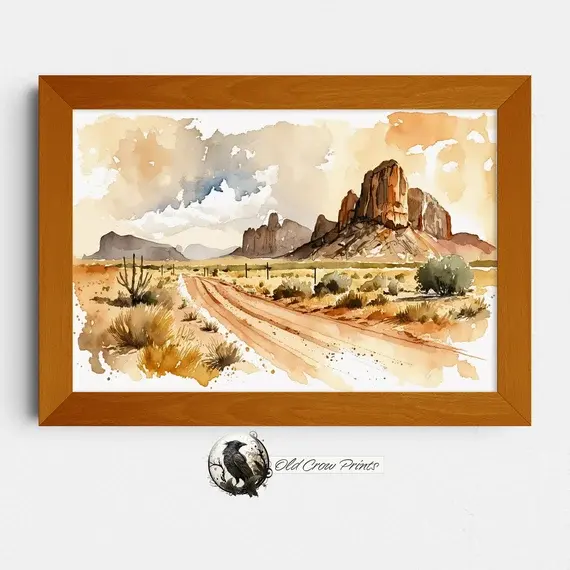
Painting a desert with watercolor requires mastering wet-on-wet washes for expansive skies and dry-brush techniques for textured rock formations. Focus on capturing the high-contrast light of arid environments by preserving white paper for highlights. Use a limited, warm-toned palette and prioritize atmospheric perspective to create depth across vast, sandy landscapes.
On this page
How to choose the best watercolor palette for desert landscapes
Capturing the essence of a desert requires a specific approach to color selection. While many beginners reach for bright oranges and yellows, a realistic desert scene relies heavily on earth tones and subtle neutrals. Start by stocking your palette with pigments like Yellow Ochre, Raw Sienna, Burnt Umber, and Sepia. These colors provide the foundation for sand, dunes, and weathered rock surfaces.
To achieve harmony, limit your palette to six or eight tubes. Avoid using pure, tube-straight colors for large areas, as this can make the landscape look artificial. Instead, mix your earth tones with small amounts of Ultramarine Blue or Cobalt Blue to create complex, muted grays and shadows. This technique mimics the way light interacts with dusty air and rocky terrain.
- Yellow Ochre: Essential for sun-drenched sand and light-struck rock faces.
- Burnt Sienna: Perfect for adding warmth to shadows and creating rich, reddish-brown soil textures.
- Cobalt Blue: Necessary for mixing with earth tones to create natural, non-muddy shadows.
- Paynes Gray: Useful for deep, dark crevices in rock formations, but use sparingly to avoid dullness.
How to paint desert skies and atmosphere
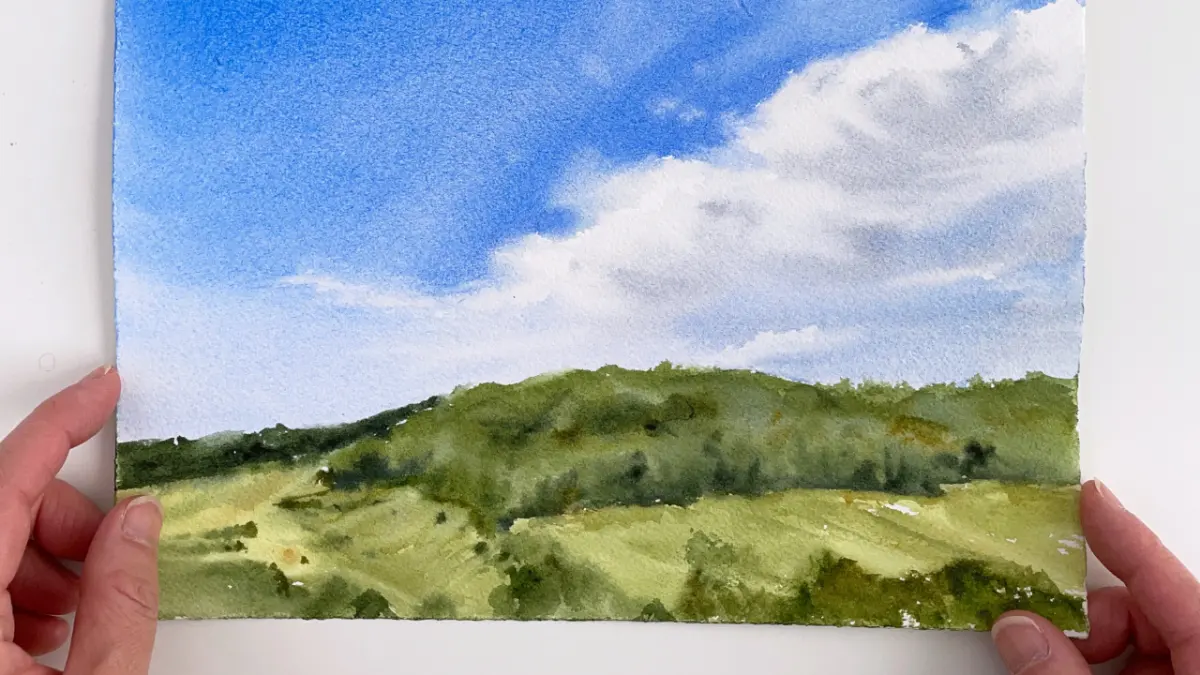
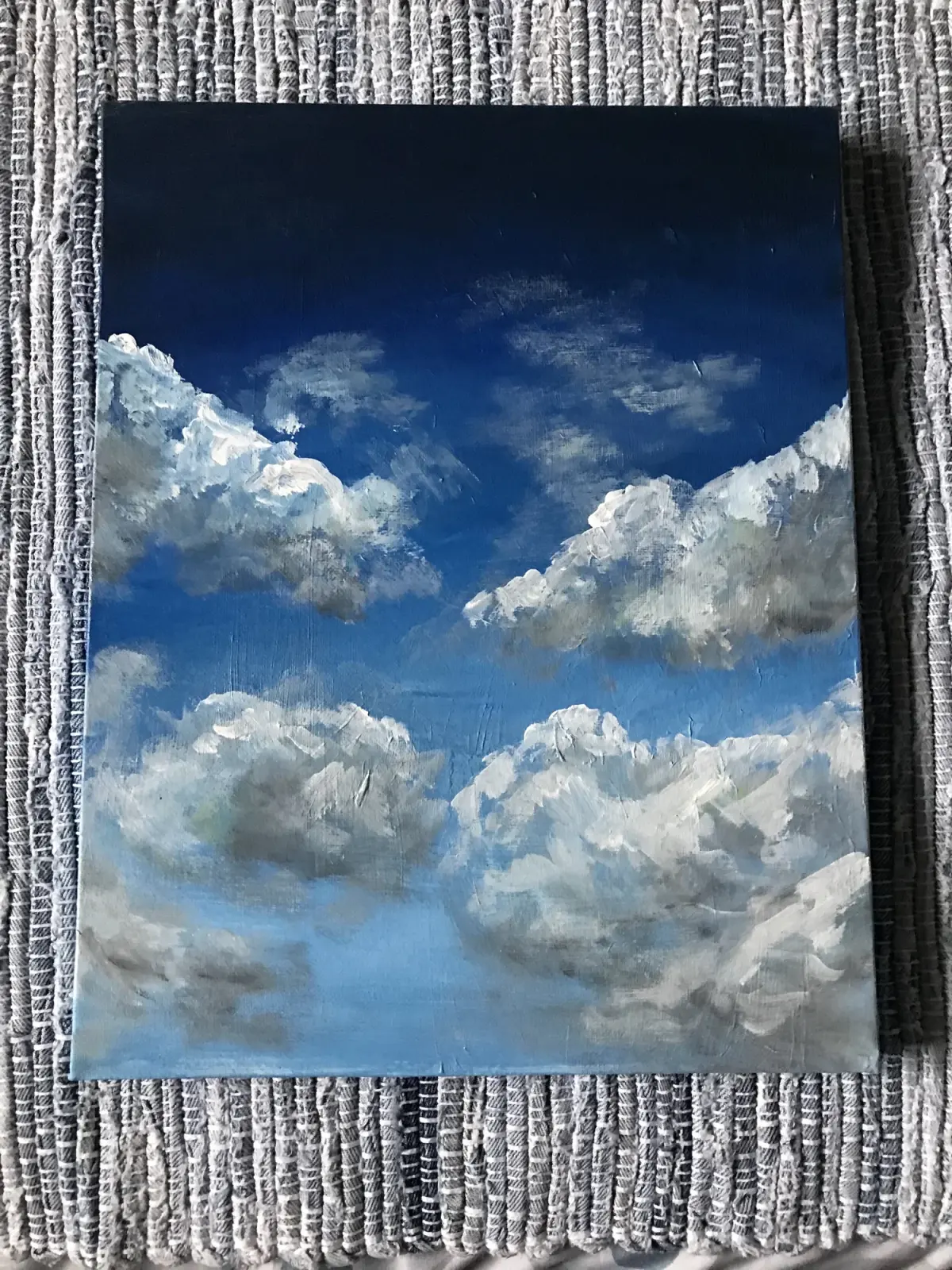
The desert sky is often characterized by its extreme clarity and intense light. To achieve this, use a wet-on-wet technique for the sky wash. Start by wetting your paper evenly with clean water, then apply a diluted wash of Cerulean Blue or Cobalt Blue. Allow the pigment to flow naturally, leaving areas of white paper untouched to represent wispy, high-altitude clouds.
As you move toward the horizon, the sky should become significantly lighter and warmer. Add a touch of yellow or pale orange to your blue wash near the horizon line to simulate the heat haze common in arid regions. This transition is crucial for establishing the vast scale of the desert. If the sky is too dark, it will flatten the composition and diminish the sense of distance.
- Wet the top two-thirds of your watercolor paper with a large flat brush.
- Apply a light blue wash, starting from the top and working downward.
- Introduce a pale yellow or peach hue as you approach the horizon line.
- Let the paper dry completely before adding distant mountains or landforms.
How to create texture in desert rock formations
Texture is the defining characteristic of desert geology. To render rugged cliffs or jagged mesas, use the dry-brush technique. This involves using a brush with very little water and a thicker consistency of paint. Drag the side of the brush across the textured surface of cold-press watercolor paper, allowing the bristles to skip over the grain. This creates the broken, gritty appearance of weathered sandstone.
Layering is equally important when building up rock structures. Start with a light, thin wash of your base color, then gradually add darker, more concentrated pigments to the shaded sides of the rocks. Pay close attention to the direction of the sun. Consistent light sources are vital; if your shadows fall in different directions, the entire structure of the desert will appear disconnected and confusing to the viewer.
- Use a round brush with a sharp point for fine cracks and crevices.
- Apply darker shadows only after the initial base layer has dried to maintain crisp edges.
- Use a lifting technique with a damp paper towel to create highlights on protruding rock edges.
Why desert paintings often look flat
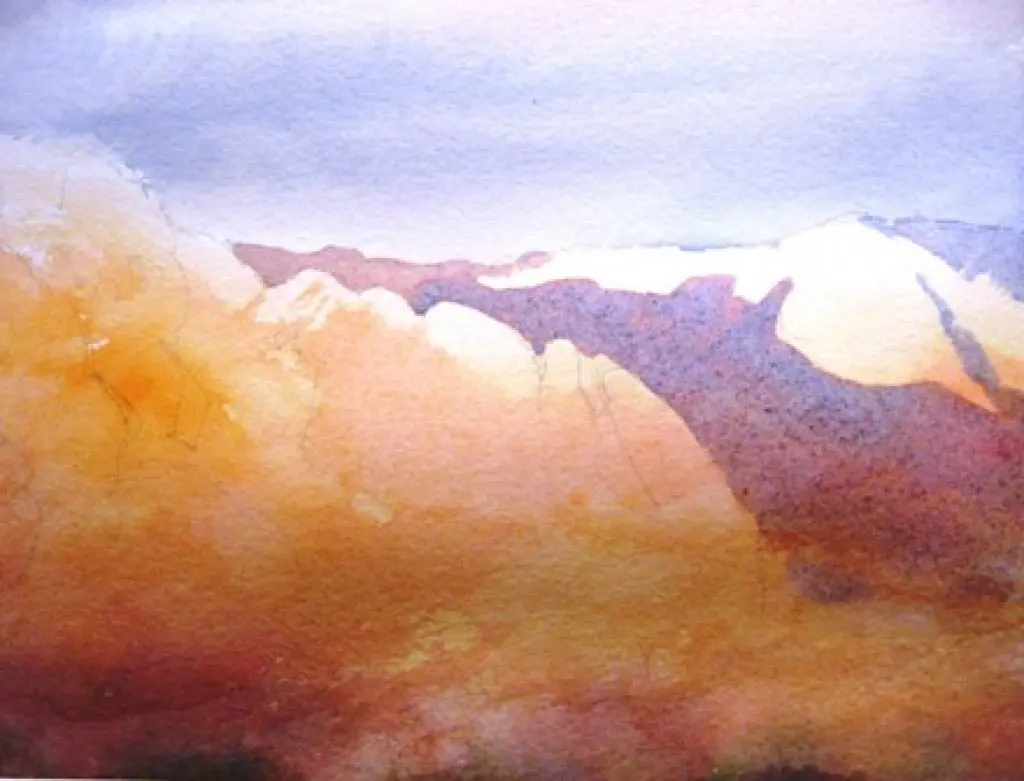
A common issue in desert watercolor painting is the lack of depth. Because deserts are expansive, you must use atmospheric perspective to lead the viewer's eye into the distance. Objects in the foreground should be painted with high contrast, intense color saturation, and sharp details. As objects recede toward the horizon, they should become paler, cooler in color, and less defined.
Another reason for flatness is the uniform application of color. Avoid painting a large dune or flat plain with a single, flat wash. Instead, vary the pigment density within the same shape. By dropping in slightly different shades while the paint is still damp, you create the illusion of undulating sand and subtle variations in soil composition. This organic movement prevents the landscape from looking like a static, painted wall.
- Paint foreground rocks with high-intensity, dark pigments.
- Use muted, lighter tones for middle-ground dunes or vegetation.
- Keep the distant horizon line very pale, almost blending it into the sky.
Common mistakes when painting desert scenes
One frequent mistake is overworking the painting. Watercolor thrives on transparency and freshness, but beginners often try to fix mistakes by scrubbing the paper or adding too many layers. This leads to "muddy" colors, which destroy the vibrant, sun-baked aesthetic of the desert. If a wash does not look right, it is often better to start over than to attempt to correct it with heavy, opaque layers.
Another error involves the scale of elements like cacti or scrub brush. These items should be used to provide a sense of scale rather than being the primary focus of the composition. Placing a single, well-defined cactus in the foreground can immediately anchor the viewer and establish the size of the surrounding landscape. Ensure that your shadows for these small objects match the angle of the shadows on the larger rock formations to maintain visual consistency throughout the piece.
Key facts
- Use a "wet-on-wet" technique for the sky to achieve soft, atmospheric gradients that mimic the vastness of desert horizons.
- Limit your palette to warm earth tones like yellow ochre, burnt sienna, and raw umber to capture the arid landscape's natural color scheme.
- Apply masking fluid to preserve the sharp, bright highlights on rocks or sand dunes before you begin painting the surrounding areas.
- Incorporate ultramarine blue or cobalt into shadows to create a cool contrast against the warm, sun-baked desert floor.
- Use a dry brush technique with a stiff-bristled brush to add texture to rocky outcrops and craggy terrain.
- Keep your paint mixtures thin and watery for distant elements to create the illusion of atmospheric perspective and depth.
The bottom line
Painting a desert with watercolor requires a balance between soft, expansive washes and sharp, textured details. By utilizing a limited warm palette, mastering the wet-on-wet technique for skies, and employing dry brushing for rocky terrain, you can effectively capture the unique light and heat of an arid environment. Remember to prioritize atmospheric perspective, keeping distant elements light and blurry while grounding your foreground with deep, cool shadows.
People also ask
How do I make sand look realistic in watercolor?
Use a light wash of yellow ochre and allow it to dry completely before adding darker, thin horizontal strokes to represent ripples. Avoid overworking the paper, as this can make the sand look muddy rather than granular.
What paper should I use for desert landscapes?
Cold-press watercolor paper with a 140-pound (300 gsm) weight is ideal because its textured surface holds pigment well. This texture helps create natural-looking shadows when you drag a brush across the paper.
How do I paint a realistic desert sky?
Start by wetting the sky area with clean water, then drop in diluted cobalt blue at the top, fading it toward the horizon. Leave the area near the horizon lighter to simulate the heat haze common in arid regions.
Should I use a lot of water or very little?
Use plenty of water for the sky and distant mountains to keep them soft and light. Use less water and more pigment for foreground details to ensure they appear crisp and close to the viewer.
How can I fix a mistake if the paint is too dark?
If the paint is still wet, lift it gently with a clean, damp paper towel or a thirsty brush. If it is dry, you can try to lift it by scrubbing lightly with a stiff brush and clean water, though this may damage the paper.
How do I create depth in a flat desert scene?
Use atmospheric perspective by painting distant landforms in lighter, cooler, and less detailed tones. Keep foreground elements darker, warmer, and more saturated to pull them visually toward the viewer.
This answer was created with the help of AI research tools and reference sources. Spotted an error? Let us know — we correct mistakes quickly. See our editorial policy.