How do you paint a landscape in watercolor?
Short answer
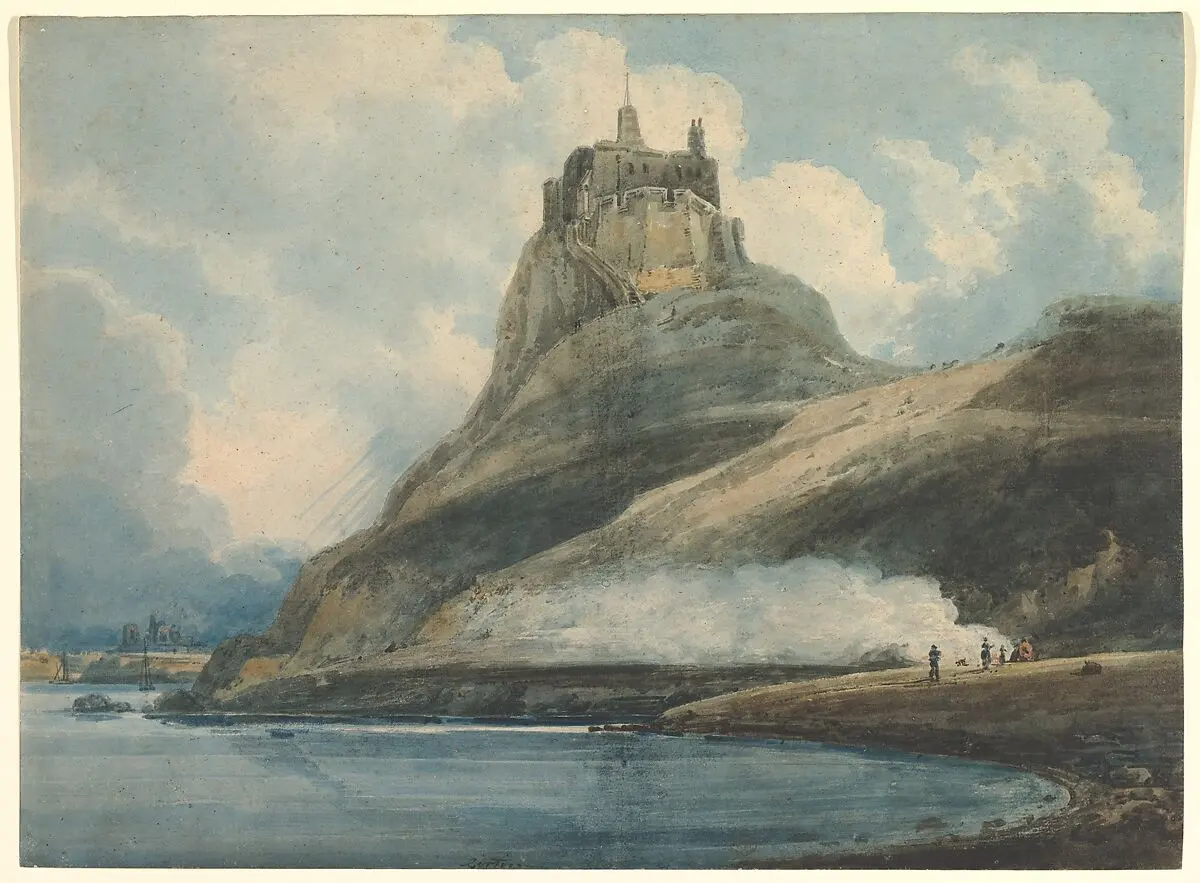
Painting a landscape in watercolor requires layering transparent washes from light to dark. You must plan your composition, preserve white highlights with masking fluid or careful brushwork, and control water-to-pigment ratios. By working from the background to the foreground, you create depth, atmospheric perspective, and vibrant, luminous results on specialized paper.
On this page
What materials are needed for watercolor landscapes?
To begin painting landscapes, you need a basic set of professional-grade supplies. High-quality materials significantly improve your results, as student-grade paints often lack pigment density and cheap paper buckles under water. Invest in cold-press watercolor paper with a weight of at least 140 pounds (300 grams per square meter), as it provides the necessary texture to hold pigment.
For brushes, you only need three to start: a large round brush for washes, a medium round brush for general shapes, and a small pointed brush for fine details. A basic palette should include both warm and cool versions of the primary colors, such as Ultramarine Blue, Cerulean Blue, Cadmium Yellow, Yellow Ochre, Burnt Sienna, and Alizarin Crimson.
- Paper: 140lb cold-press cotton paper.
- Brushes: #12 round, #6 round, and #2 detail brush.
- Palette: A plastic or metal folding tray.
- Extras: Two jars for water, masking tape, and paper towels.
How to prepare a watercolor landscape composition
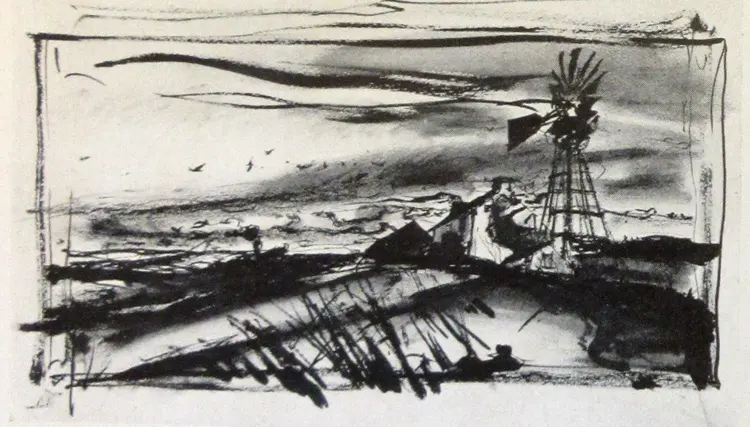
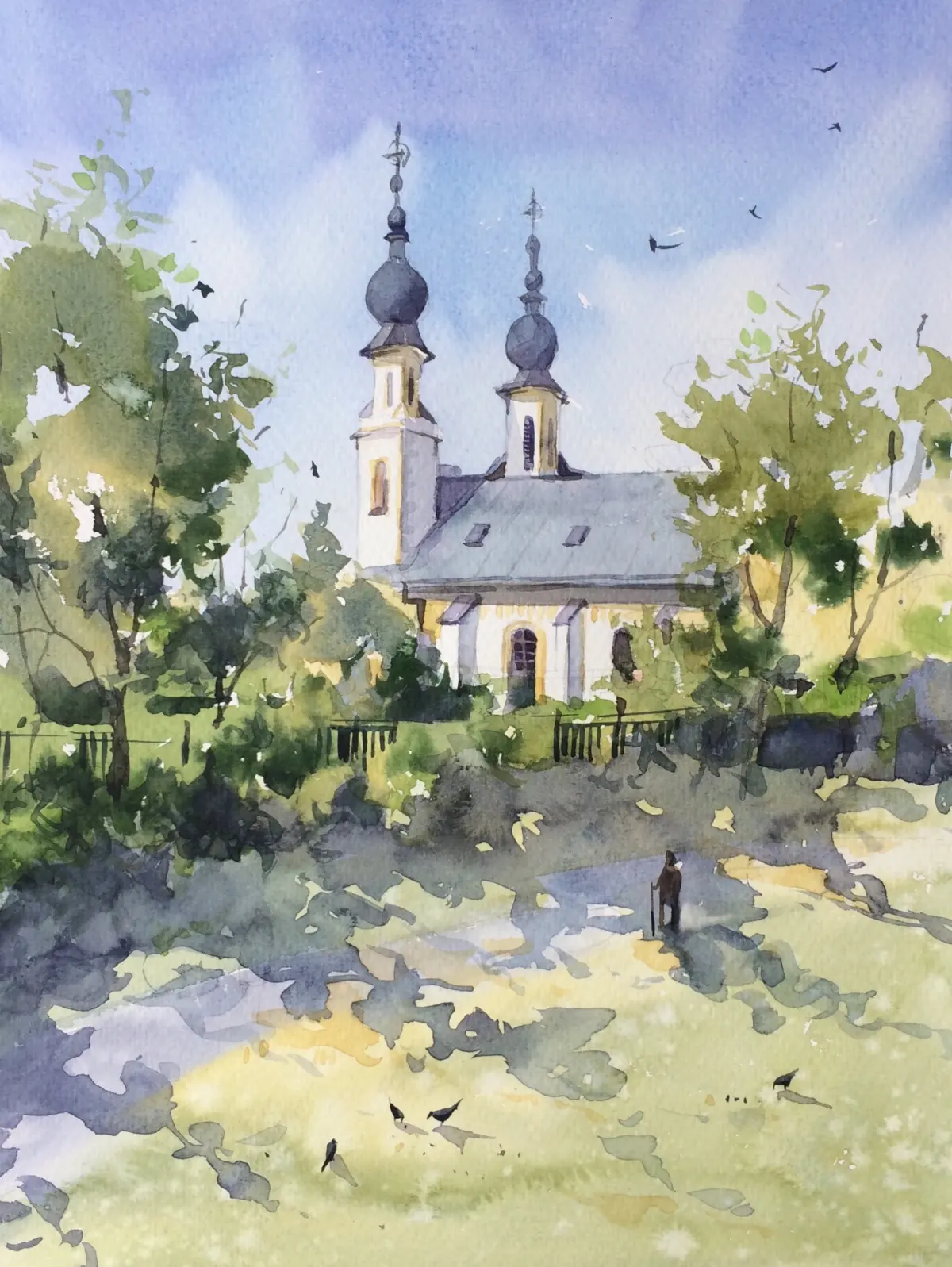
Before applying paint, sketch your landscape lightly with a hard pencil, such as an H or 2H. Focus on the rule of thirds, placing the horizon line either one-third from the top or one-third from the bottom to avoid a static, split image. Identify your focal point, such as a mountain peak or a lone tree, and ensure it is not placed exactly in the center of the page.
Consider the light source early in the process. If the sun is low, your shadows will be long and cool-toned. If the sun is high, shadows will be shorter and more intense. Use masking fluid to protect areas you want to keep perfectly white, such as sparkling water or highlights on clouds, before you begin your first wash.
- Sketch the main shapes lightly.
- Mark the horizon line.
- Apply masking fluid to highlights.
- Test color mixtures on scrap paper.
How to paint the background and sky
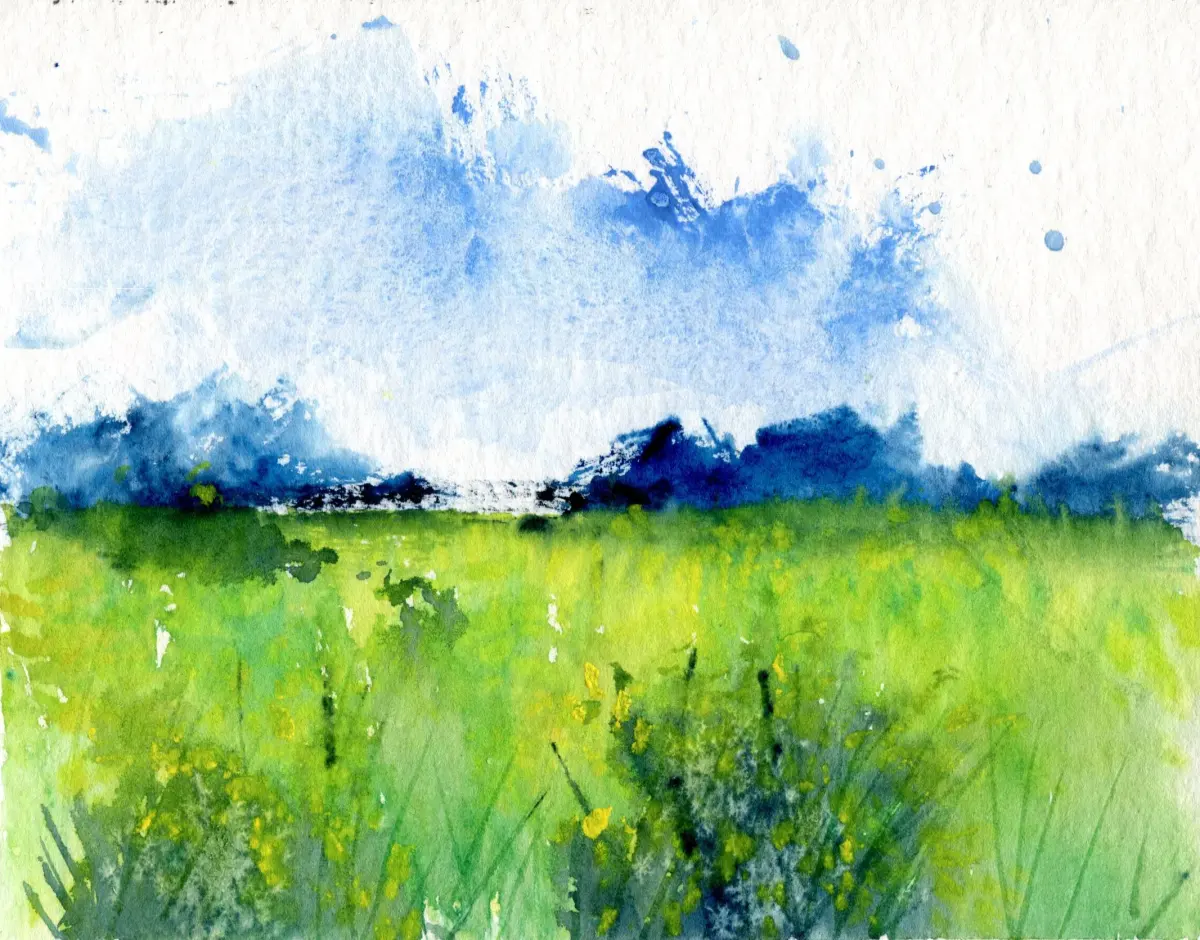
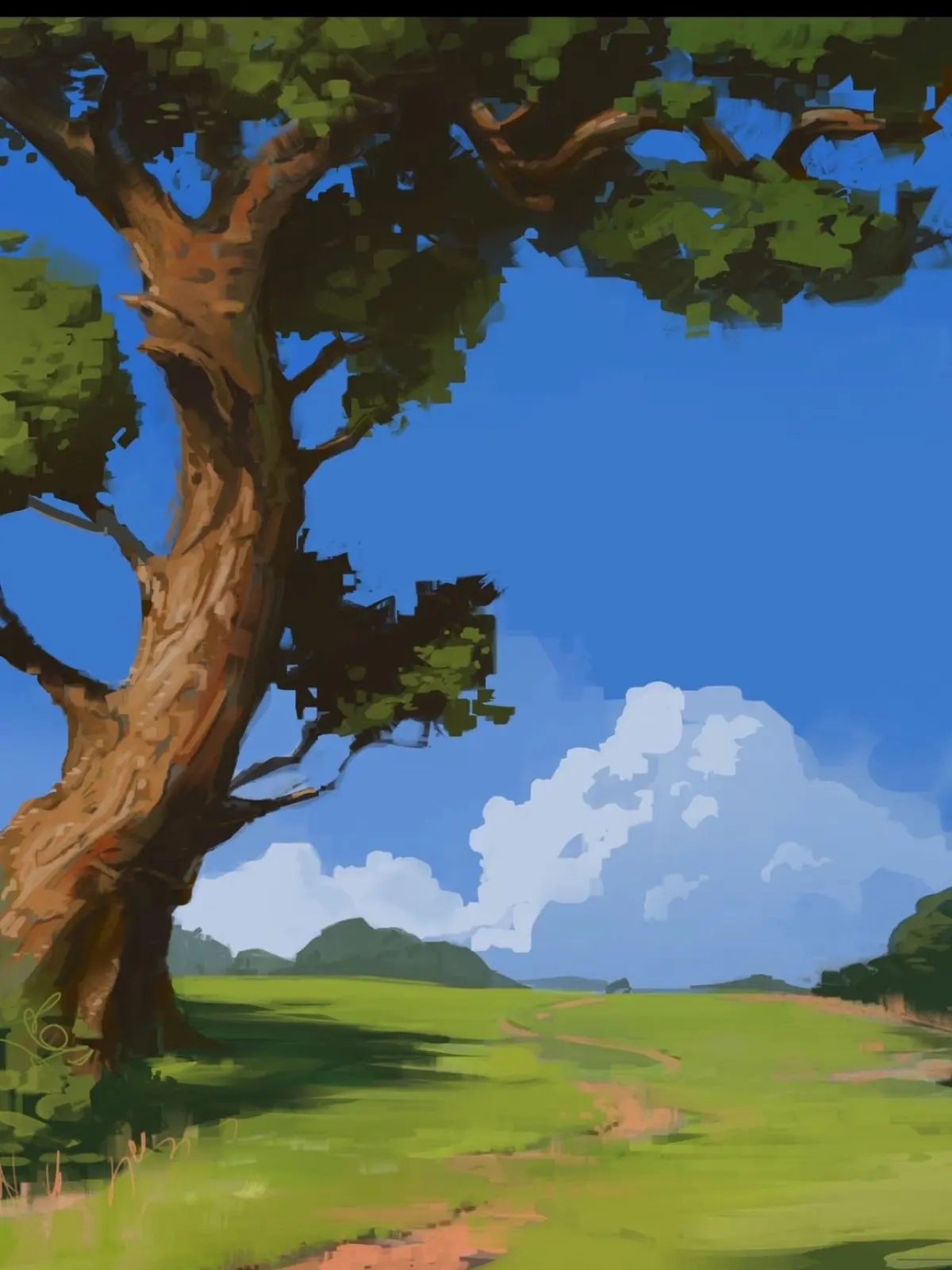
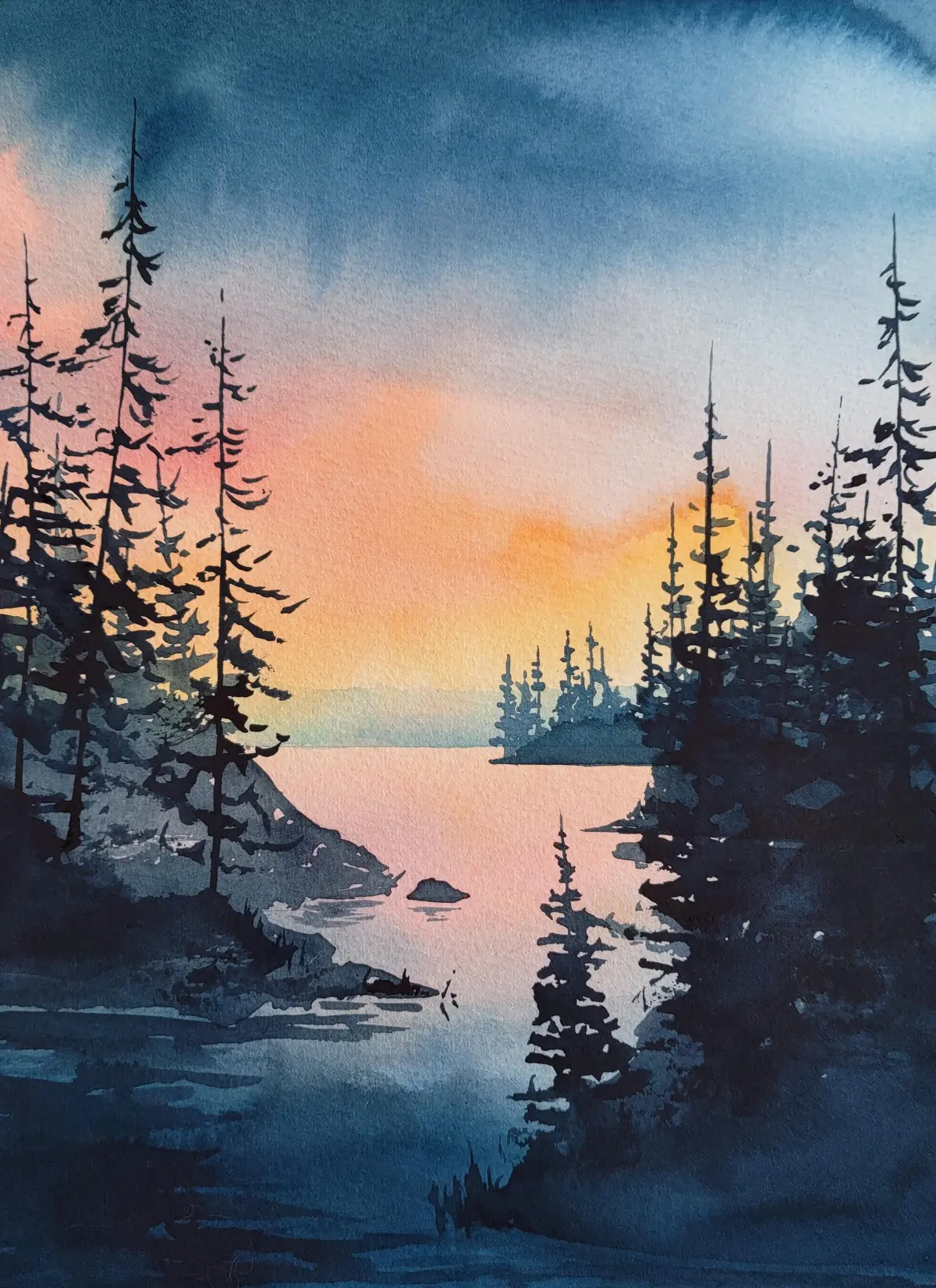
The sky is usually the lightest part of the landscape and should be painted first. Use a large, flat wash of diluted blue, perhaps adding a touch of yellow or red to create a natural gradient as it approaches the horizon. While the paper is still damp, you can lift out clouds using a clean, slightly damp brush or a paper towel to create soft, fluffy edges.
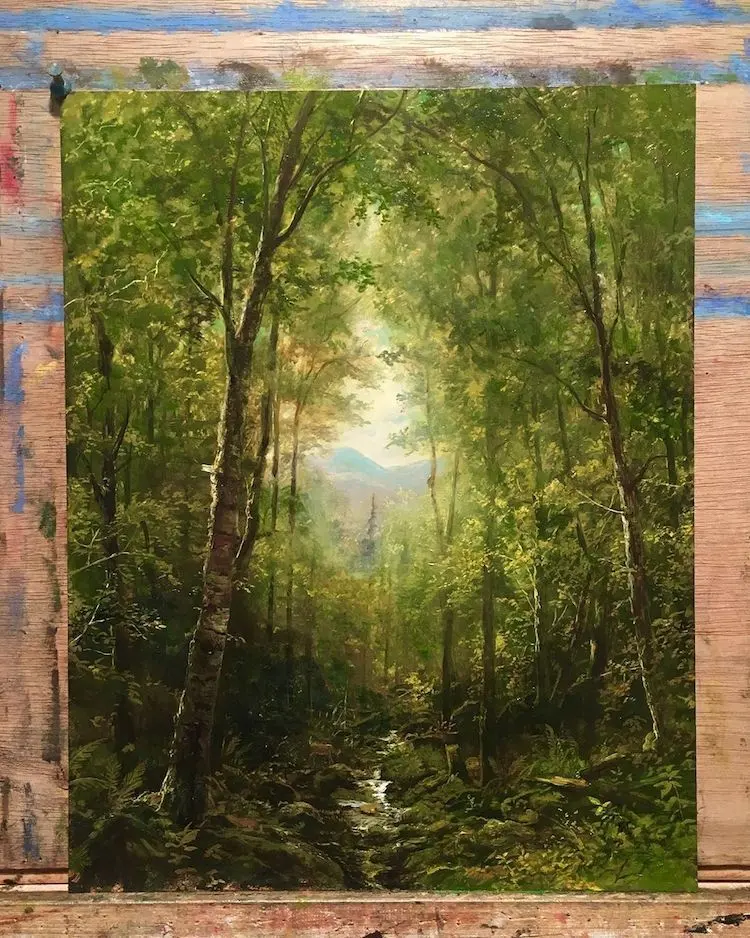
As you move toward the distant hills or mountains, use cooler, paler colors to create atmospheric perspective. In nature, objects that are farther away appear lighter, bluer, and less detailed than those in the foreground. By keeping your background washes thin and desaturated, you naturally push those elements back, creating a sense of vast space and depth in your painting.
How to add detail and foreground elements
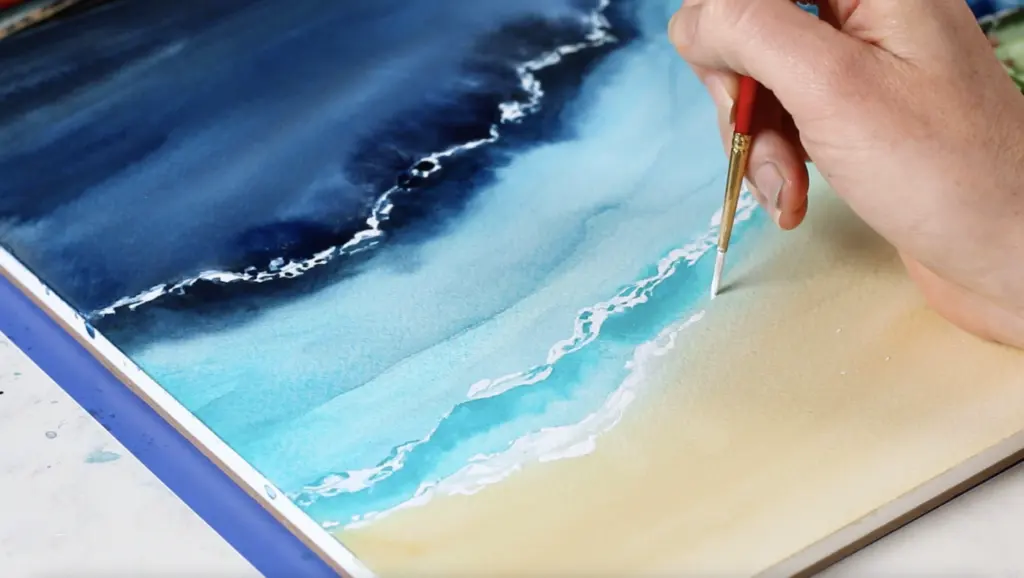
Once the background is dry, move to the mid-ground and foreground. These areas should feature warmer colors, higher contrast, and sharper edges. Use a thicker paint consistency—less water and more pigment—to define trees, rocks, or buildings. Layering is key here; allow each application of paint to dry completely before adding darker shadows or textures on top to avoid muddying your colors.
Texture is essential for realistic landscapes. Use a dry-brush technique, where you drag a brush with very little water across the paper, to suggest the roughness of tree bark or craggy rocks. You can also use a fan brush or a sponge to stipple in foliage, creating the illusion of leaves without having to paint every individual shape. Focus on the rhythm of the landscape rather than hyper-realistic detail.
Common mistakes when painting landscapes
One of the most frequent errors is overworking the paper. Watercolor thrives on fresh, confident strokes; if you brush over an area too many times, the paper fibers will break down and the colors will lose their brilliance. Avoid the temptation to fix every small mistake, as watercolor is a medium that celebrates spontaneity and the natural flow of water.
Another common mistake is using too much water in the later stages of the painting. If your brush is too wet, you will create unwanted blooms or "cauliflowers" where the new paint pushes the previous layer aside. Always test your paint consistency on a scrap piece of paper before touching the main work. Finally, remember to step back frequently to view your painting from a distance, as this helps you maintain perspective on the overall composition and tonal balance.
Key facts
- Watercolor paint is transparent, meaning you must work from the lightest colors to the darkest.
- Use cold-press watercolor paper with a weight of at least 140 pounds (300 gsm) to prevent buckling.
- Natural hair brushes, such as sable, hold more water and pigment than synthetic alternatives.
- The "wet-on-wet" technique involves applying wet paint to dampened paper for soft, diffused backgrounds.
- Masking fluid allows you to preserve white highlights by covering specific areas before applying washes.
- Always test your color mixtures on a scrap piece of paper before applying them to the final painting.
The bottom line
Painting a watercolor landscape requires patience and an understanding of how water interacts with pigment. By working from light to dark and mastering techniques like wet-on-wet washes, you can capture the atmospheric depth of nature. Avoid overworking your paper, as this muddies the colors. With practice and the right materials, you will learn to embrace the unpredictable, fluid beauty that defines this classic medium.
People also ask
What is the best way to prevent watercolor paper from warping?
You can prevent buckling by stretching your paper before painting. Soak the sheet in water for a few minutes, then tape it down to a rigid board using gummed paper tape until it dries completely.
How do I fix a mistake in a watercolor landscape?
Watercolor is difficult to erase, but you can lift wet paint by dabbing it with a clean, damp brush or a paper towel. For dry paint, try gently scrubbing the area with a stiff brush and clean water, though this may damage the paper surface.
Why do my colors look dull once they dry?
Watercolor paint typically dries about 30 percent lighter than it appears when wet. To compensate, mix your pigments with slightly more intensity than you think is necessary to achieve your desired vibrancy.
Should I paint the sky or the foreground first?
Most artists begin with the lightest elements, such as the sky or distant mountains. Working from back to front helps establish the atmospheric perspective and overall light quality of the landscape.
How many brushes do I need to start?
You only need three brushes: a large round or flat brush for broad washes, a medium round brush for general shapes, and a small detail brush for fine lines. Quality is more important than quantity when building a basic kit.
What is a "wash" in watercolor painting?
A wash is a thin, fluid layer of paint applied over a large area to create a smooth, even tone. A flat wash uses a single color, while a graded wash transitions from dark to light by adding more water as you move down the paper.
This answer was created with the help of AI research tools and reference sources. Spotted an error? Let us know — we correct mistakes quickly. See our editorial policy.