What is the difference between fixative and varnish?
Short answer
Fixatives are thin, spray-on coatings used during the creative process to prevent smudging and stabilize loose media like charcoal or pastel. Varnishes are thicker, final coatings applied after a painting is completely dry to protect the surface from dust, UV light, and environmental pollutants while unifying the artwork’s overall sheen.
On this page
What is the primary purpose of fixative?
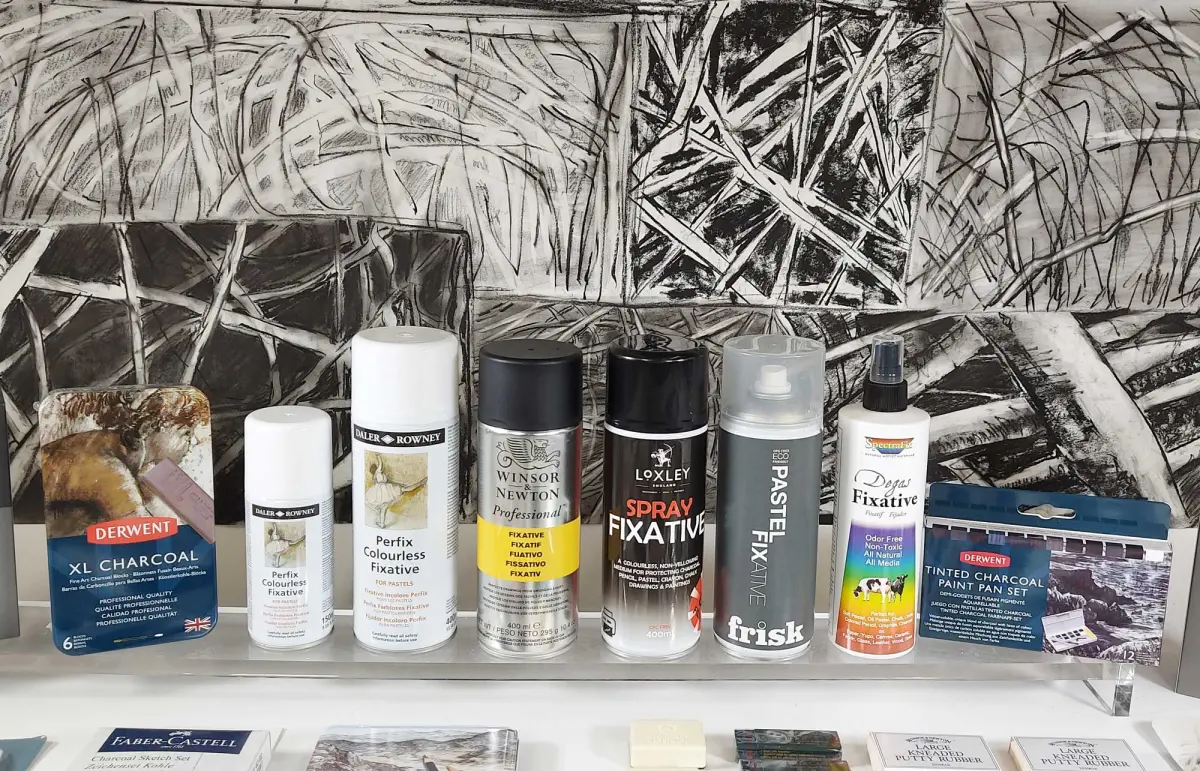
Fixatives act as a temporary or permanent binder for dry media. When you work with charcoal, graphite, or soft pastels, the pigment particles sit loosely on the surface of the paper. Without a fixative, these particles can easily smear, rub off, or fall away when the paper is moved or stored. By applying a fine mist of resin or synthetic polymer, you effectively "glue" the dust to the substrate, ensuring the integrity of your drawing.
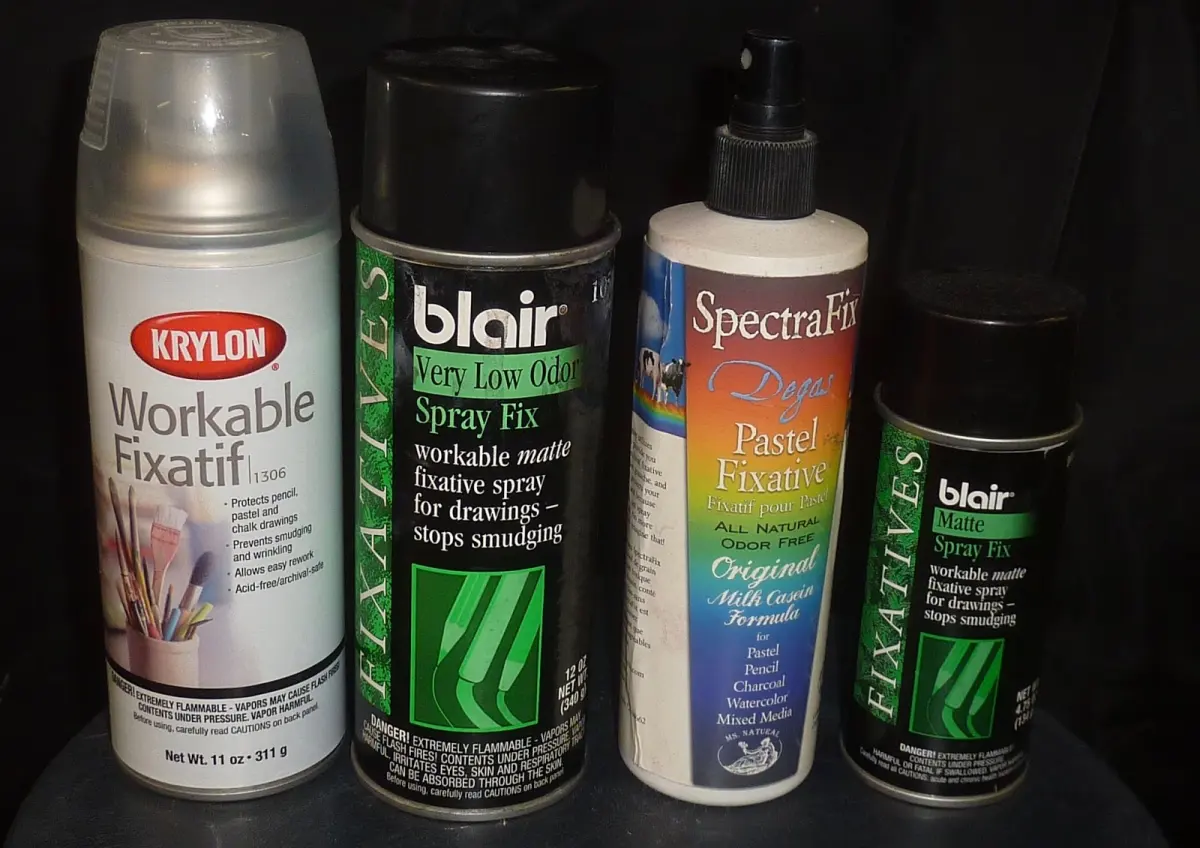
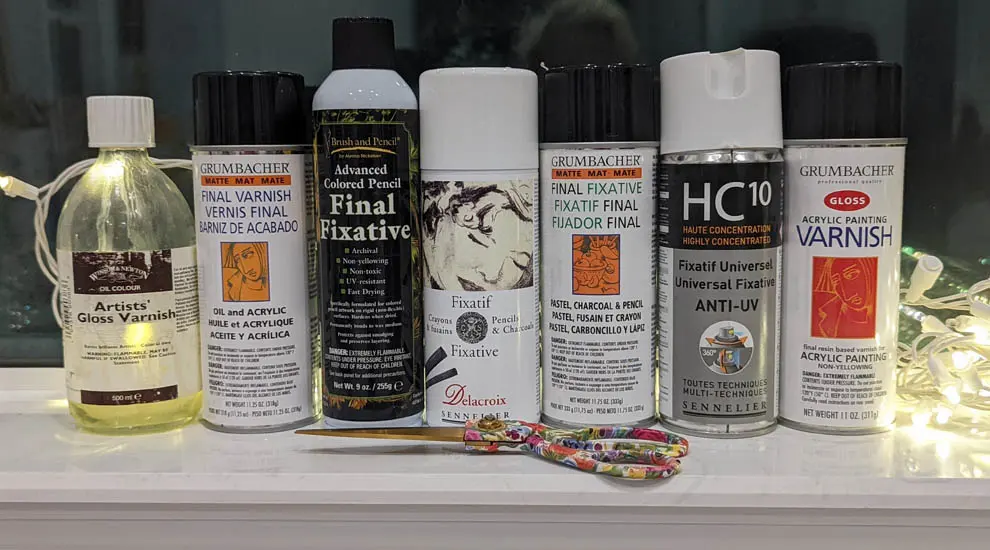
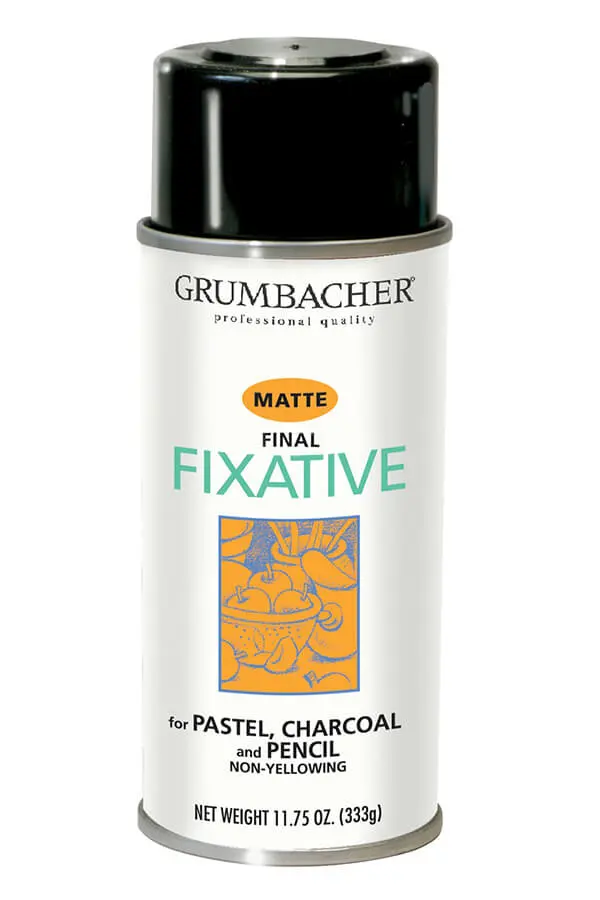
Artists typically use fixatives in two distinct ways: as a workable fixative or a final fixative. Workable fixatives allow you to continue layering media on top of the drawing without losing the tooth of the paper. Final fixatives are designed to be the last step, creating a more robust seal that prevents smudging once the piece is finished. Choosing the right type depends on your specific goals for the artwork:
- Workable fixative: Allows for additional drawing and layering.
- Final fixative: Provides a permanent, non-removable protective layer.
- Matte fixative: Maintains the original appearance of the dry media.
- Glossy fixative: Can be used for specific effects but may darken colors.
When should you apply varnish to a painting?
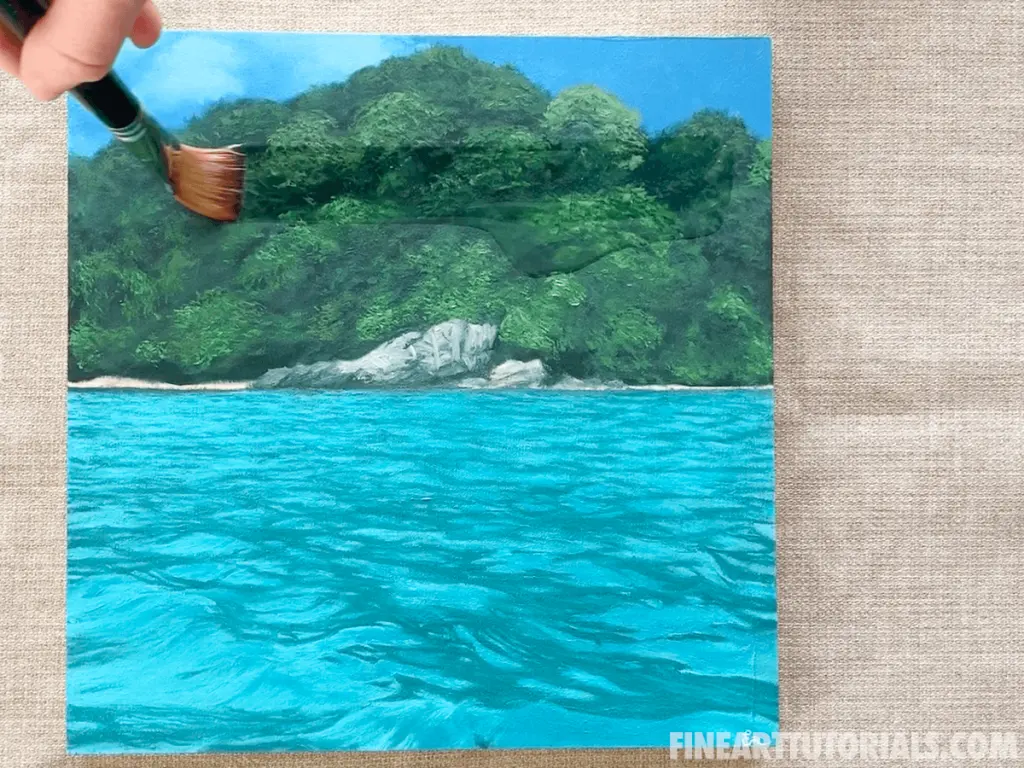
Varnish is strictly a finishing product for paintings, such as oils or acrylics, rather than dry media. Unlike fixatives, which are often applied in thin, aerosolized layers during the creation process, varnish is usually brushed or sprayed onto a painting only after it has fully cured. For oil paintings, this can take anywhere from six months to a year, as the paint must be completely oxidized to prevent cracking or clouding under the varnish layer.
The primary role of varnish is to provide a sacrificial layer that protects the paint film from atmospheric contaminants. Over time, dust, smoke, and grime will settle on the surface of a painting. Because varnish is designed to be removable, a professional conservator can strip away the dirty varnish and apply a fresh coat, restoring the painting to its original vibrancy without damaging the underlying pigment.
- Ensure the painting is completely dry and dust-free.
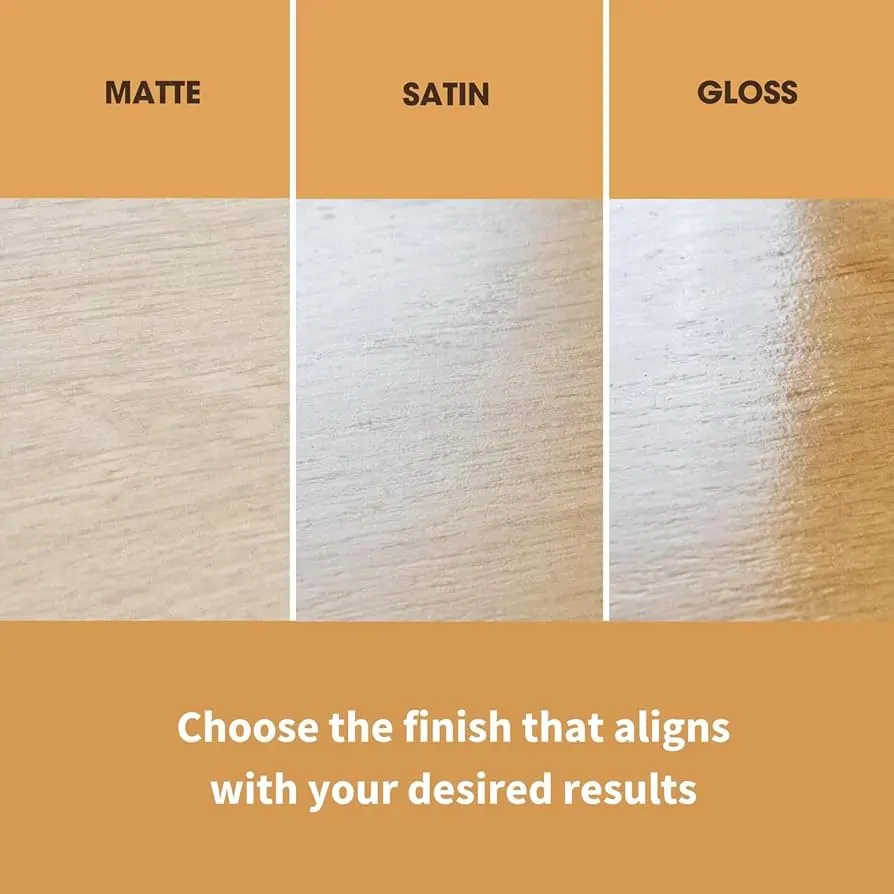
- Choose a finish: gloss, satin, or matte.
- Apply in thin, even coats using a high-quality, soft-bristled brush.
- Allow the first coat to dry completely before applying a second.
- Work in a dust-free environment to prevent particles from settling in the wet varnish.
How to use fixatives safely and effectively
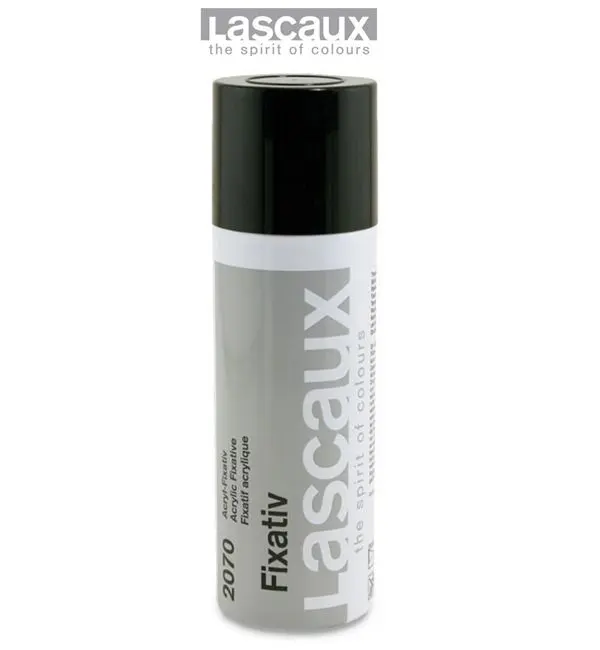
Using fixatives requires careful technique to avoid ruining your work. Because they are aerosol-based, they contain solvents that should not be inhaled. Always work in a well-ventilated area, preferably outdoors or in a spray booth, and wear a respirator mask. Holding the can too close to the paper is a common error that can cause the liquid to pool, creating dark, wet spots that permanently alter the appearance of your drawing.
To achieve a professional result, hold the can at least 10 to 12 inches away from the artwork. Use a sweeping motion, starting and ending your spray off the edge of the paper to ensure an even distribution. If you apply too much at once, you risk "drowning" the drawing, which can darken the colors and flatten the texture. It is always better to apply two or three very light, mist-like layers than one heavy, saturated coat.
Common mistakes when protecting artwork
One of the most frequent mistakes is using a fixative on an oil painting or a varnish on a charcoal drawing. These products are chemically formulated for specific media and are not interchangeable. Applying a varnish to a charcoal drawing will likely cause the pigments to bleed, resulting in a muddy, ruined image. Conversely, using a fixative on an oil painting will provide almost no protection against environmental damage and may interfere with the long-term chemical stability of the oil film.
Another common pitfall is ignoring the drying time requirements. If you apply a final varnish to an oil painting that is still "touch dry" but not fully cured, the varnish may trap moisture or solvents beneath it. This can lead to blooming—a cloudy, white haze that develops between the varnish and the paint—or even cause the varnish to peel away as the paint continues to shift during the curing process. Always check the manufacturer’s instructions regarding the necessary cure time for your specific medium.
How to choose the right finish for your project
Selecting the correct finish depends on the aesthetic outcome you desire. Fixatives for dry media are generally matte, as the goal is to keep the drawing looking as natural as possible. If you use a glossy fixative, it can create an unnatural sheen that makes it difficult to view the artwork from certain angles due to glare. When choosing a varnish, you have more creative freedom to decide between high-gloss, satin, or matte finishes based on the style of your painting.
Glossy varnishes tend to saturate colors, making them appear deeper and more vibrant, which is often preferred for traditional oil paintings. Matte varnishes, while popular for modern works, can sometimes make dark colors appear slightly gray or washed out if applied too thickly. Before committing to a final finish, many artists test their varnish on a small, inconspicuous corner of the canvas or on a test swatch painted with the same colors. This ensures that the final result enhances the work rather than detracting from the artist's original intent.
Key facts
- Fixatives are primarily used during the creative process to prevent smudging on dry media like charcoal, pastel, or graphite.
- Varnish is applied only after a painting is completely dry to provide a permanent protective layer against dust, UV light, and moisture.
- Never use varnish on a work that is still curing, as trapped solvents can cause the paint to crack or yellow over time.
- Fixatives are generally thin and matte, designed to be invisible so they do not alter the appearance of the artwork.
- Varnishes come in various finishes, including gloss, satin, and matte, which significantly change the light reflection and depth of the colors.
- Always apply both products in a well-ventilated area using light, sweeping motions to prevent pooling or drips.
The bottom line
The fundamental difference lies in their purpose and timing: fixatives are temporary or semi-permanent tools used to stabilize dry media during the creative process, while varnishes are final, protective coatings for completed paintings. Using them correctly ensures that your artwork remains vibrant and structurally sound for years. Always prioritize archival-quality products to avoid long-term damage like yellowing, cracking, or premature fading of your artistic materials.
People also ask
Can I use hairspray as a fixative for my charcoal drawings?
While some artists use hairspray in a pinch, it is not recommended because it is acidic and will cause paper to yellow and become brittle over time. Professional archival fixatives are formulated to be pH-neutral and long-lasting.
How long should I wait before varnishing an oil painting?
You should wait at least six months to a year for a standard oil painting to fully cure before applying varnish. This ensures that the oxidation process is complete and no moisture remains trapped beneath the surface.
Does a fixative protect a painting from sunlight?
Most standard fixatives do not provide significant UV protection. If you want to prevent your work from fading, look for specialized archival sprays that specifically mention UV-resistant properties on the label.
Can I apply varnish over a drawing that has been fixed?
It is generally not recommended to varnish a drawing, as the porous nature of paper and dry media can absorb the varnish unevenly and ruin the texture. Varnish is intended for non-porous surfaces like canvas or wood panels.
What happens if I apply fixative too close to the paper?
Holding the can too close causes the liquid to pool, creating dark, wet spots that can ruin the delicate pigment distribution of a drawing. Always maintain a distance of at least 10 to 12 inches from the surface.
Is there a difference between workable and final fixative?
Yes, a workable fixative allows you to continue adding layers of media on top of the drawing without losing tooth. A final fixative is designed to be the last step and may create a surface that is too slick for further drawing.
This answer was created with the help of AI research tools and reference sources. Spotted an error? Let us know — we correct mistakes quickly. See our editorial policy.