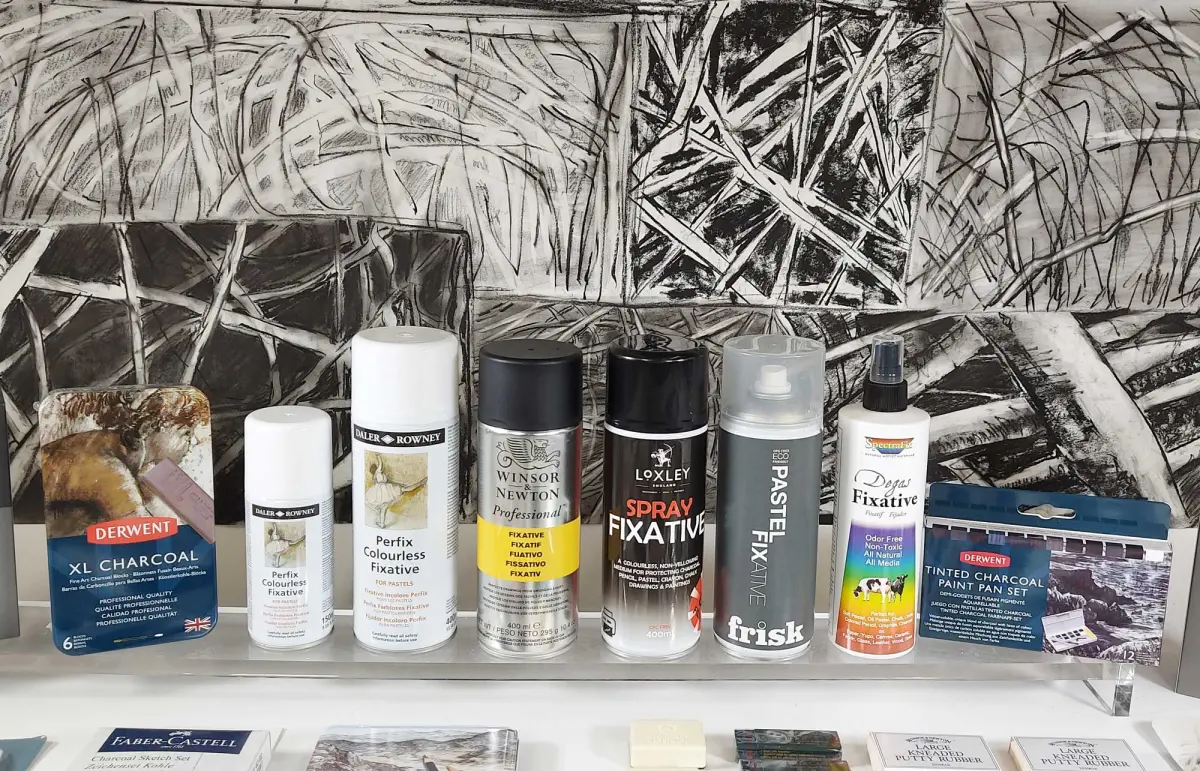
How do you use workable fixative?
Short answer
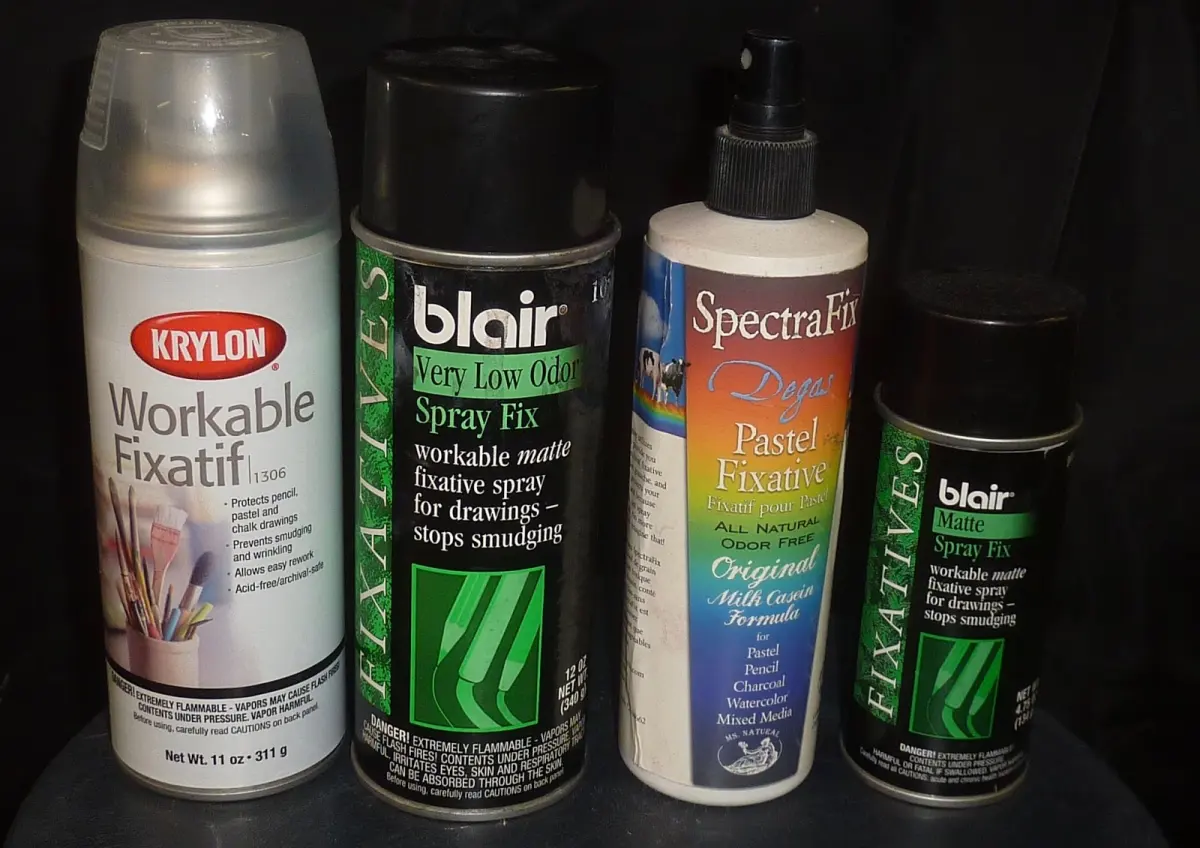
Workable fixative is a spray-on adhesive used to secure loose media like charcoal, graphite, or pastel to a surface. Apply it in thin, light layers from 12 inches away to prevent smudging while allowing for further work. Always use it in a well-ventilated area to avoid inhaling harmful aerosolized chemical particles.
On this page
How to apply workable fixative correctly
Applying fixative requires a steady hand and a controlled environment to ensure an even coat. Begin by placing your artwork flat on a protected surface or mounting it vertically on an easel. Shake the can vigorously for at least one minute to ensure the binding agents and solvents are thoroughly mixed, which prevents sputtering or uneven application.
Hold the nozzle approximately 10 to 12 inches away from the paper. If you hold the can too close, the liquid may pool and cause your media to bleed or create unsightly dark spots. Use a sweeping motion that starts off the edge of the paper and continues across the surface, finishing off the other side. This technique ensures that the spray mist settles consistently without creating heavy droplets.
- Shake the can for 60 seconds.
- Hold the nozzle 12 inches from the surface.
- Spray in a continuous, side-to-side sweeping motion.
- Allow the first layer to dry for two to five minutes.
- Apply a second light layer if necessary for better adhesion.
Why use workable fixative instead of final fixative
Workable fixative is specifically formulated to be thin and porous, allowing artists to continue drawing or painting on top of the surface after it dries. Unlike final fixative, which creates a thick, protective, and often glossy barrier, workable versions contain fewer resins. This makes it an essential tool during the mid-stages of a project when you need to prevent smudging without sealing the paper permanently.
Artists frequently use this product when working with high-dust media like soft pastels or compressed charcoal. Because these materials are prone to shifting or smearing during the creative process, a light mist keeps the particles locked in place. It effectively "freezes" a layer of detail so you can build up darker values or add finer lines without lifting the underlying pigment. Once the final piece is completed, you may choose to apply a final fixative for long-term archival protection.
Best environment for using fixative spray
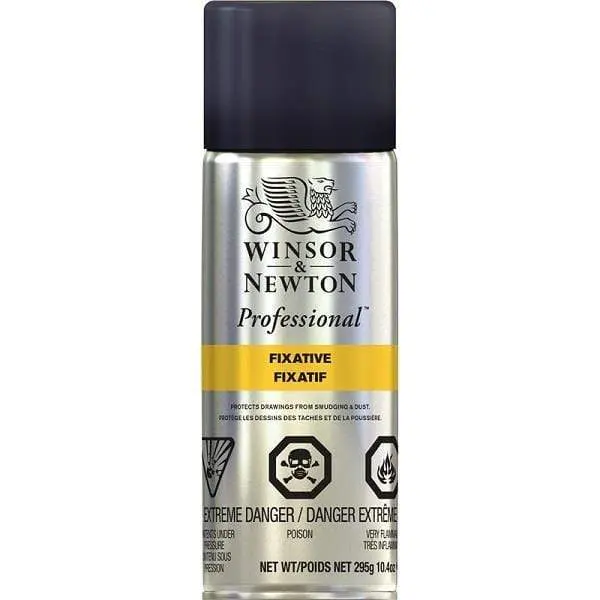
Safety is the most critical factor when using aerosol fixatives because they contain volatile organic compounds (VOCs) and chemical solvents. You should always work in a space with high-volume airflow, such as an outdoor area, a garage with the door open, or a room equipped with a professional-grade spray booth. Never spray fixative in a confined space, as the fumes can cause respiratory irritation or dizziness.
In addition to ventilation, consider the ambient temperature and humidity. Most fixatives perform best in moderate temperatures between 60 and 80 degrees Fahrenheit. If the air is too humid, the fixative may turn cloudy or "bloom" on the surface of your paper, leaving a milky white residue that ruins the contrast of your drawing. Always test the spray on a scrap piece of paper first to ensure the nozzle is clear and the mist is fine.
- Work outdoors or in a well-ventilated studio.
- Wear a respirator mask if you are sensitive to chemical fumes.
- Avoid spraying near open flames or heat sources.
- Place a drop cloth beneath your work to catch overspray.
Common mistakes when using fixative
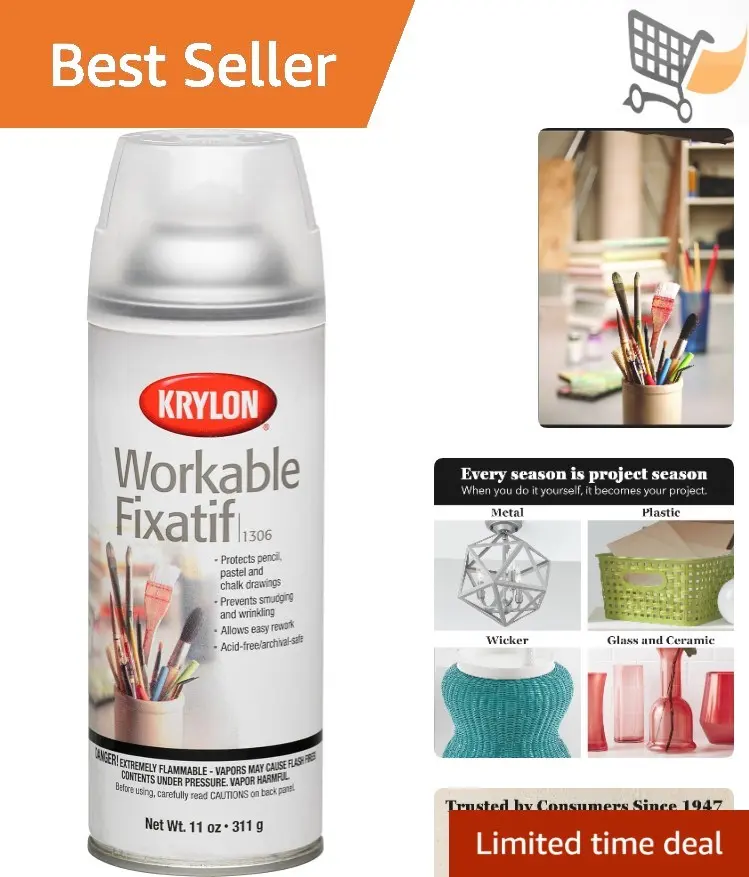
One of the most frequent errors is applying too much product at once. Beginners often believe that a heavier coat provides better protection, but this usually results in the media dissolving or the paper buckling. A heavy application can also darken the colors of your drawing significantly, as the liquid saturates the pigment and alters how light reflects off the surface.
Another common mistake is failing to clear the nozzle after use. If you store the can without cleaning the spray tip, the residual adhesive will harden inside the mechanism. This leads to clogging, which causes the can to sputter or spit large, wet droplets onto your artwork during the next session. To prevent this, turn the can upside down and spray for a few seconds until only clear gas emerges, effectively clearing the internal tube.
- Over-saturating the paper, which causes pigment bleeding.
- Holding the can too close, leading to uneven, blotchy coverage.
- Forgetting to shake the can, resulting in an inconsistent mixture.
- Spraying in a room without proper ventilation or airflow.
How to store and maintain fixative cans
Proper storage extends the shelf life of your fixative and ensures it remains functional for future projects. Keep cans in a cool, dry place away from direct sunlight and extreme temperature fluctuations. Heat can cause the pressurized contents to expand, while cold can solidify the resins, making the spray perform poorly. Always replace the plastic cap immediately after use to prevent accidental discharge and keep the nozzle free of dust or debris.
If you find that your fixative has become thick or the spray pattern is inconsistent despite your best efforts, the product may have expired or been stored improperly. Most aerosol fixatives have a shelf life of two to three years when stored at room temperature. If you notice a foul odor or a significant change in the consistency of the spray, it is time to discard the can and purchase a fresh supply to protect your valuable artwork.
Key facts
- Workable fixative is a spray-on resin designed to secure dry media like graphite, charcoal, or pastel to a surface without preventing further additions.
- Hold the spray can 10 to 12 inches away from your artwork to ensure an even, light mist rather than a heavy, wet coat.
- Always apply fixative in a well-ventilated area, preferably outdoors or near an open window, to avoid inhaling chemical fumes.
- Move the can in a horizontal sweeping motion across the paper, starting off the edge of the page to prevent pooling or splattering.
- Allow the first layer to dry completely for at least 15 to 30 minutes before deciding if a second coat is necessary.
- Store your fixative cans at room temperature and clear the nozzle by spraying upside down for two seconds after each use to prevent clogging.
The bottom line
Workable fixative is an essential tool for artists working with dry media, providing a temporary barrier that prevents smudging while allowing for continued layering. By maintaining proper distance and applying light, even coats in a ventilated space, you can preserve the integrity of your drawings. Always prioritize archival-grade products over household substitutes to ensure your artwork remains protected against yellowing and deterioration over time.
People also ask
Can I use workable fixative on oil paintings?
No, workable fixative is formulated specifically for dry drawing media and will not adhere properly to oil paint. Using it on oils may cause the surface to become tacky, cloudy, or prone to long-term cracking.
Will workable fixative change the color of my drawing?
It may cause a slight darkening or shift in the tone of charcoal and pastel pigments. Test the spray on a scrap piece of paper with similar media before applying it to your final work.
Is there a difference between workable fixative and final fixative?
Yes, workable fixative allows you to continue drawing over the surface, while final fixative is a permanent, non-porous coating. Final fixative should only be applied once the artwork is completely finished.
Can I use hairspray as a substitute for professional fixative?
Hairspray is not recommended because it contains oils and additives that will yellow or degrade your paper over time. Professional fixatives are acid-free and archival, ensuring your work remains stable for years.
How do I know if I have applied enough fixative?
You should apply just enough to keep the loose particles from smudging when lightly touched. If the paper looks shiny or wet, you have used too much, which can create a slick surface that resists further pencil marks.
Does workable fixative protect against UV light?
Most standard workable fixatives do not provide significant UV protection. If you intend to display your drawing in direct sunlight, look for a specialized archival spray that explicitly mentions UV resistance.
This answer was created with the help of AI research tools and reference sources. Spotted an error? Let us know — we correct mistakes quickly. See our editorial policy.