How do you draw a beach step by step?
Short answer
Drawing a beach involves establishing a clear horizon line to separate the sky from the ocean, followed by adding textures for sand and water. By layering light and dark values, you create depth. Focus on the interaction between the tide and the shore to provide a realistic sense of scale and movement.
On this page
How to draw a beach for beginners
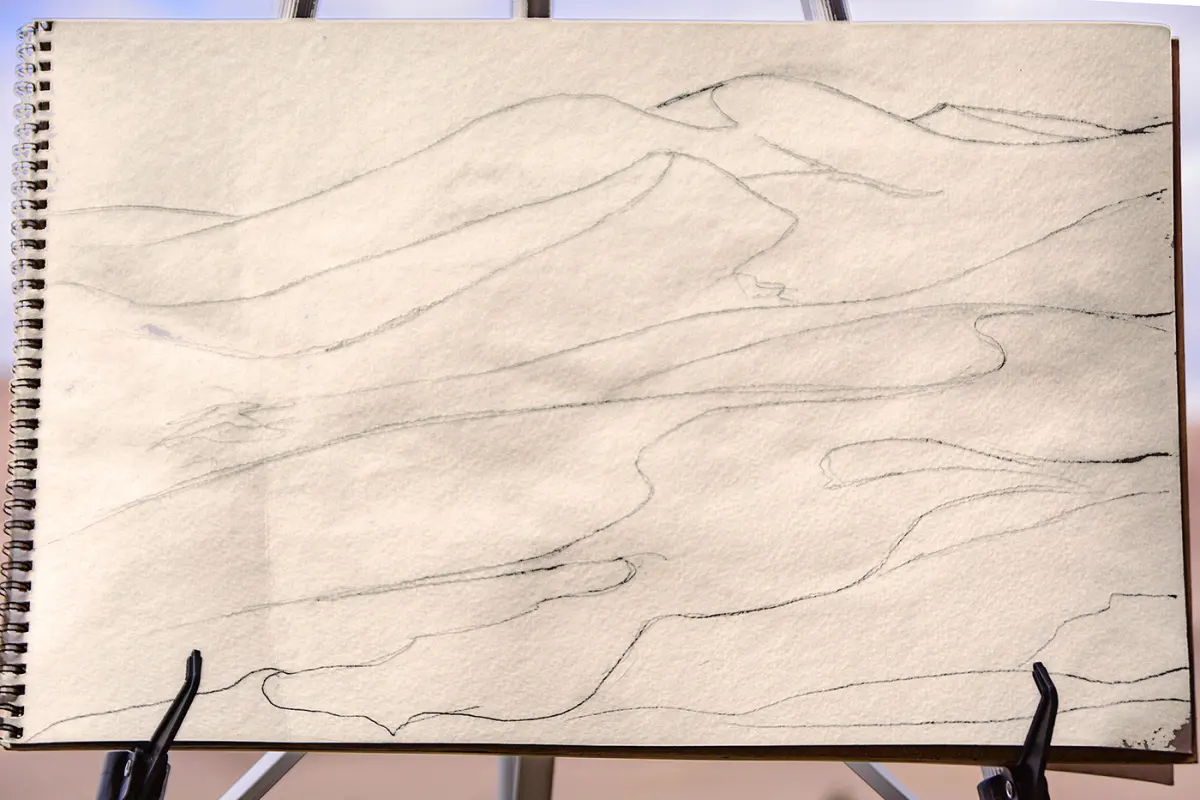
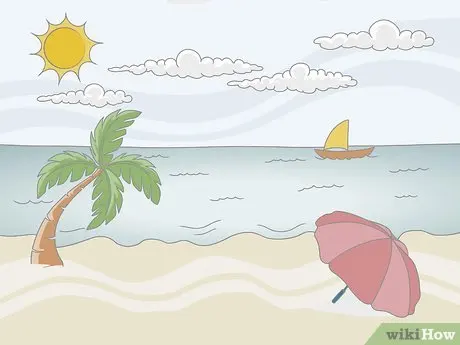
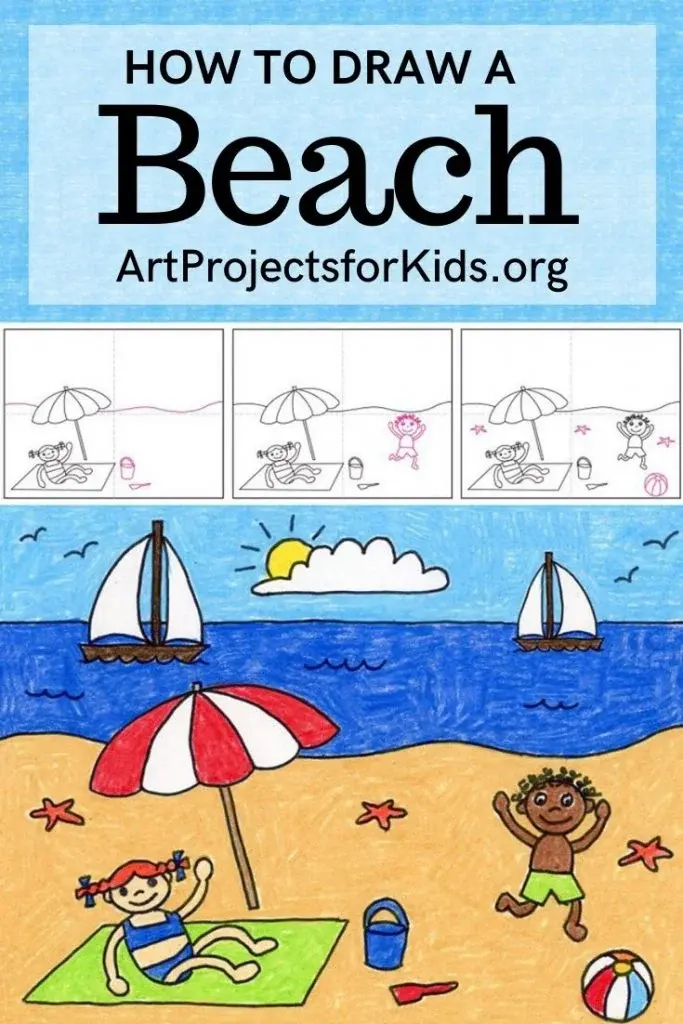
Beginners should start by establishing the composition using a simple horizontal line. This line marks the horizon, where the sky meets the water. Position this line slightly above or below the center of your page to avoid a static, split-composition look. Once the horizon is set, draw a gentle, sweeping curve across the bottom third of the paper to represent the shoreline. This curve creates a natural focal point and prevents the drawing from appearing flat.
Focus on creating a sense of perspective by making the sand area wider at the bottom of the page and narrower as it approaches the water. Use light, horizontal pencil strokes to suggest the texture of sand. Keep your lines loose and fluid; rigid, perfectly straight lines often look unnatural in a landscape setting. Practice these basic shapes before moving on to adding details like waves or vegetation.
How to draw realistic ocean waves
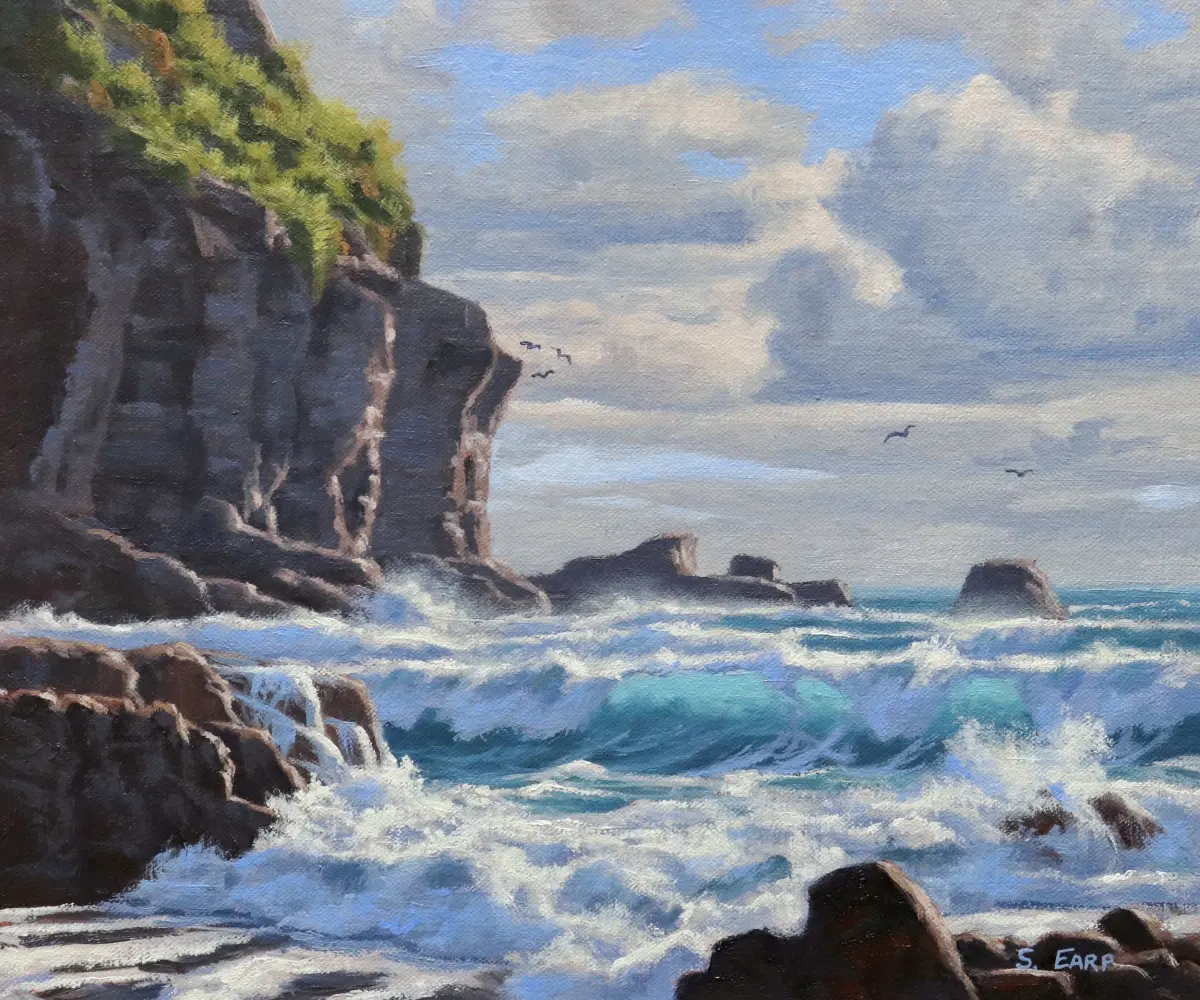
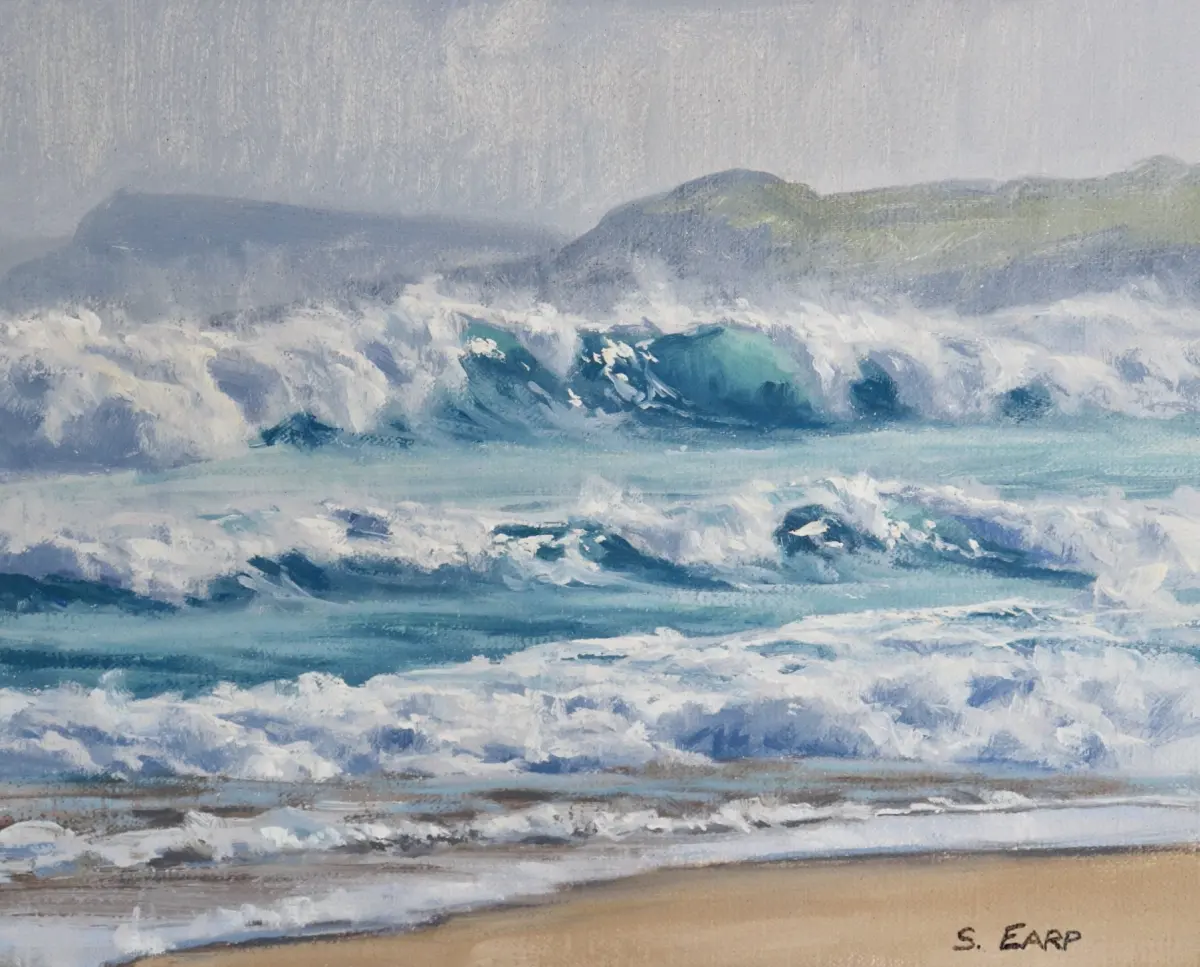
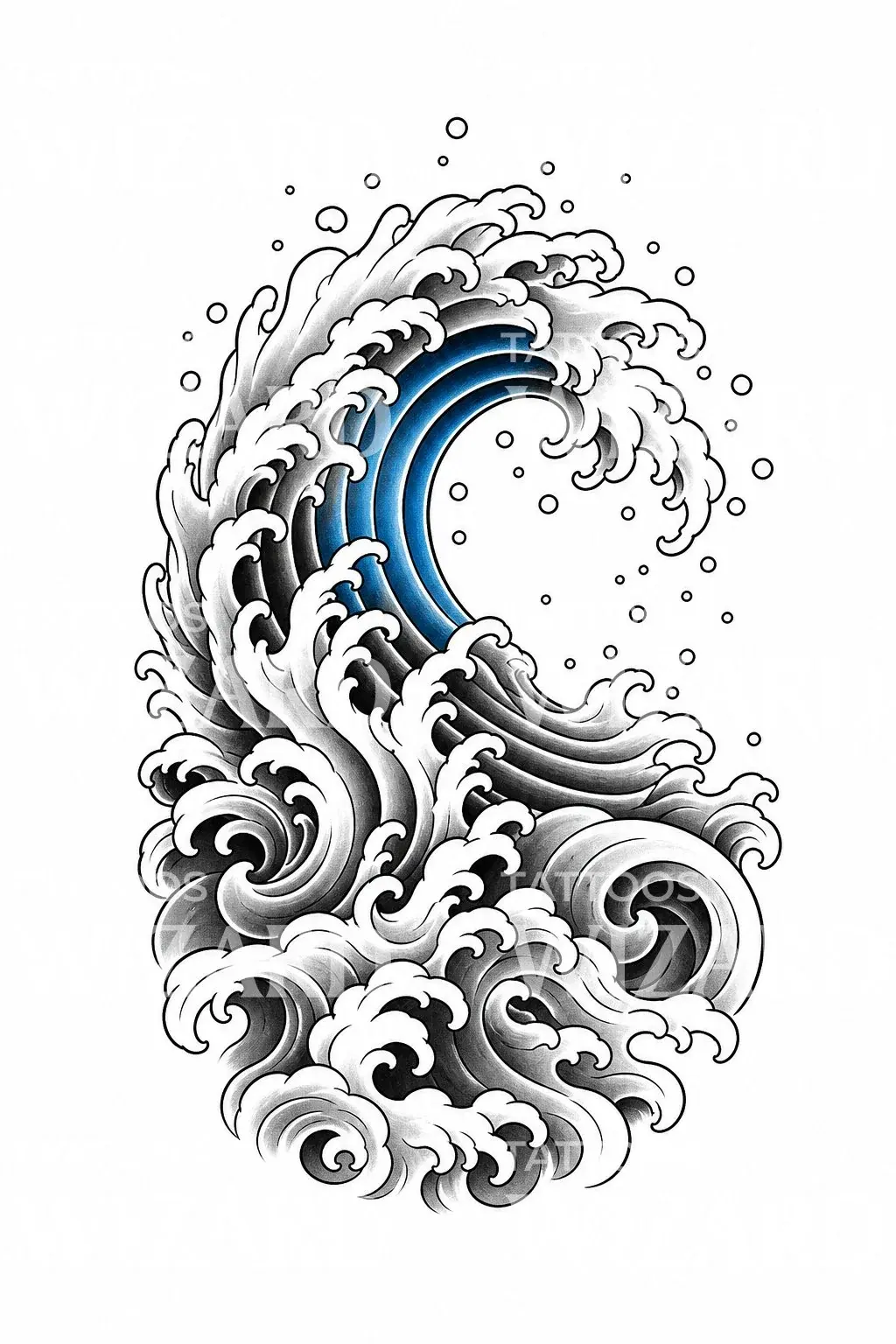
Capturing the motion of water requires observing how waves break toward the shore. Start by sketching the crest of the wave as a series of connected, irregular humps. As the wave approaches the sand, the base should become flatter and wider. Use darker shading under the crest to indicate the shadow cast by the curling water, which adds immediate three-dimensional volume to your drawing.
- Sketch the main arc of the wave using a light lead pencil.
- Add foam patterns at the base using small, circular motions.
- Use a blending stump or your finger to smooth out the transition between the deep water and the white foam.
- Apply darker graphite near the base of the wave to emphasize the depth of the water.
- Add highlights with an eraser to create the glistening effect of sunlight on the surface.
How to add texture to sand and sky
The sky and sand are the largest areas of your drawing, so they require subtle textures to remain interesting. For the sky, use a soft graphite pencil to apply light, even shading. If you want clouds, leave small, irregular white spaces blank or gently lift graphite with a kneaded eraser. Avoid drawing thick outlines for clouds, as they are soft, atmospheric formations that lack hard edges.
For the sand, focus on the wet versus dry areas. The wet sand near the water line should be darker and smoother, reflecting the sky above. Use horizontal strokes to mimic the flat nature of a beach. In the dry sand area further back, add small dots or light, irregular marks to suggest pebbles, seashells, or footprints. These small details provide visual interest and break up the monotony of the large, empty space.

Common mistakes when drawing a beach
One of the most frequent errors is creating a horizon line that is not perfectly level. Even a slight tilt can make the ocean look as though it is spilling off the side of the page. Always use a ruler or a straight edge to ensure your horizon is parallel to the top and bottom of your paper. Additionally, beginners often make the sand too dark, which can make the entire scene feel gloomy or muddy.
Another common mistake is neglecting the scale of objects. If you include items like palm trees, rocks, or people, ensure they are sized appropriately for their distance from the viewer. Objects closer to the bottom of the page should be larger and more detailed, while those near the horizon should be smaller and less defined. Maintaining this atmospheric perspective is essential for creating a believable sense of distance and depth.
Best tools for drawing landscapes
The choice of tools significantly impacts the final quality of your beach scene. A range of pencils, from 2H for light initial sketches to 6B for deep, dark shadows, allows for a full spectrum of values. Graphite sticks are also excellent for covering large areas, such as the sky or the ocean, without leaving harsh, individual pencil marks. Use a high-quality, acid-free drawing paper with a slight tooth to hold the graphite effectively.
- Use a kneaded eraser to lift highlights and create soft, cloud-like shapes.
- Keep a blending stump handy to smooth out transitions between water and sand.
- Utilize a mechanical pencil for fine details like distant birds or small shells.
- Protect your work with a fixative spray once finished to prevent smudging.
- Always keep your pencils sharp to ensure that your lines remain crisp and intentional throughout the entire drawing process.
Key facts
- Establish a horizon line roughly one-third of the way down the page to create a natural sense of depth.
- Use a light blue gradient for the sky, transitioning from a darker shade at the top to near-white at the horizon.
- Draw gentle, horizontal S-curves to represent the shoreline where the wet sand meets the water.
- Add small, irregular shapes along the waterline to simulate sea foam and breaking waves.
- Apply darker, cooler tones to the wet sand near the water and lighter, warmer beige tones for dry sand.
- Include vertical, slightly curved lines for palm trees or jagged shapes for rocks to add visual interest to the foreground.
The bottom line
Drawing a beach effectively relies on mastering atmospheric perspective and the contrast between textures. By establishing a clear horizon and using lighter tones for distant elements, you create an expansive sense of space. Remember to focus on the interaction between the water and the sand, as this transition is the focal point of any coastal scene. Practice layering colors to achieve depth and natural light.
People also ask
How do I make the water look realistic?
Use horizontal brush strokes and vary the opacity of your blue paint or pencil pressure. Adding thin, white highlights along the crests of waves creates the illusion of sunlight reflecting off moving water.
Should I add people to my beach drawing?
Adding small, simplified figures helps establish the scale of the landscape. Keep human forms minimal, using basic shapes to represent silhouettes against the vastness of the ocean.
What is the best way to draw clouds?
Use a soft eraser or white charcoal to lift color from the sky, creating fluffy, irregular shapes. Avoid drawing hard outlines around clouds, as they are naturally soft and diffused.
How do I create the texture of sand?
Use stippling, or small dots, to suggest the grainy texture of dry sand. Focus these marks more heavily near the foreground to provide a sense of detail that fades as the distance increases.
Why does my beach look flat?
A flat appearance usually results from a lack of atmospheric perspective. Ensure that objects closer to the horizon are lighter in color and have less contrast than those in the foreground.
What colors are essential for a beach scene?
You will need various shades of blue for the water and sky, along with ochre, tan, and white for the sand. Adding a touch of violet or grey helps create realistic shadows in the sand or clouds.
This answer was created with the help of AI research tools and reference sources. Spotted an error? Let us know — we correct mistakes quickly. See our editorial policy.