What does a wave tattoo mean?
Short answer
A wave tattoo typically symbolizes the ocean's power, emotional depth, and the constant cycle of life. It represents resilience, change, and the ability to navigate life's challenges with grace. Often chosen by those with a deep connection to the sea, these designs reflect both tranquility and the unpredictable nature of existence.
On this page
What do wave tattoos symbolize?
Wave tattoos are multifaceted symbols that bridge the gap between nature and human experience. At their core, they represent the fluidity of life, acknowledging that existence is a series of highs and lows, much like the rhythmic motion of the tide. Many people choose this design to honor their resilience, viewing the wave as a metaphor for overcoming obstacles and moving forward despite adversity.
Beyond personal growth, these tattoos often signify a profound spiritual connection to the natural world. In many cultures, the ocean is viewed as a source of life and purification. A wave tattoo may serve as a reminder to remain grounded while embracing the inevitable changes that come with time. Whether rendered in a minimalist style or as part of a complex scene, the wave remains a timeless emblem of strength, mystery, and the enduring power of the elements.
How to choose a wave tattoo design
Selecting the right design requires balancing personal meaning with aesthetic preference. Consider how the style of the wave influences the message you wish to convey. A single, clean line might suggest simplicity and peace, while a crashing wave with intricate foam details often emphasizes power and intensity. Think about the placement on your body, as the curvature of a limb can enhance the movement of the design.
When planning your tattoo, consider these popular stylistic approaches:
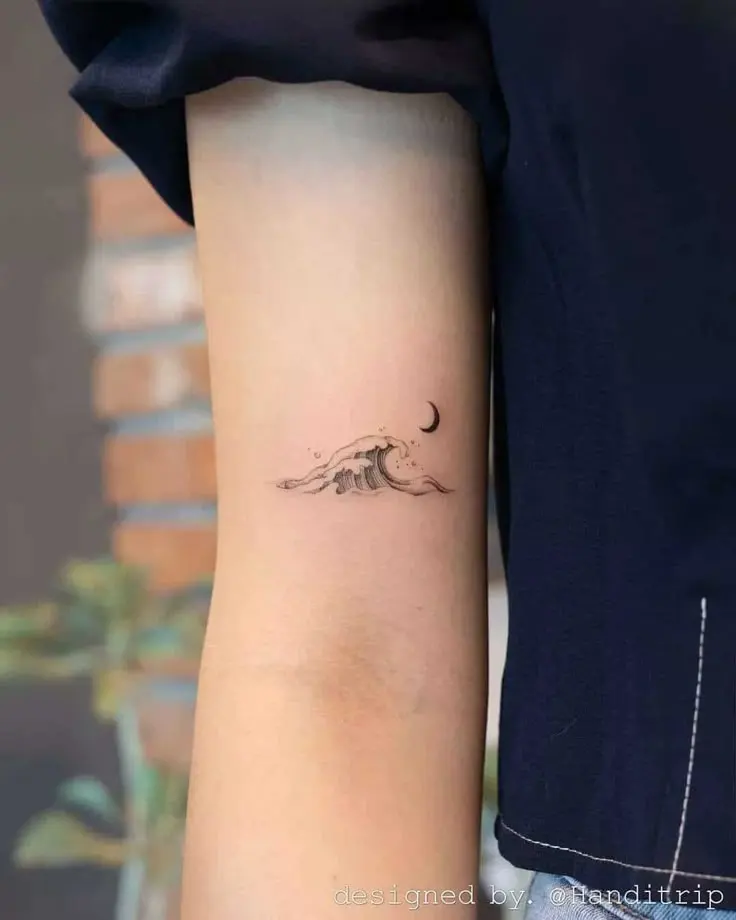
- Minimalist line art: Ideal for small, subtle placements like the wrist or ankle.
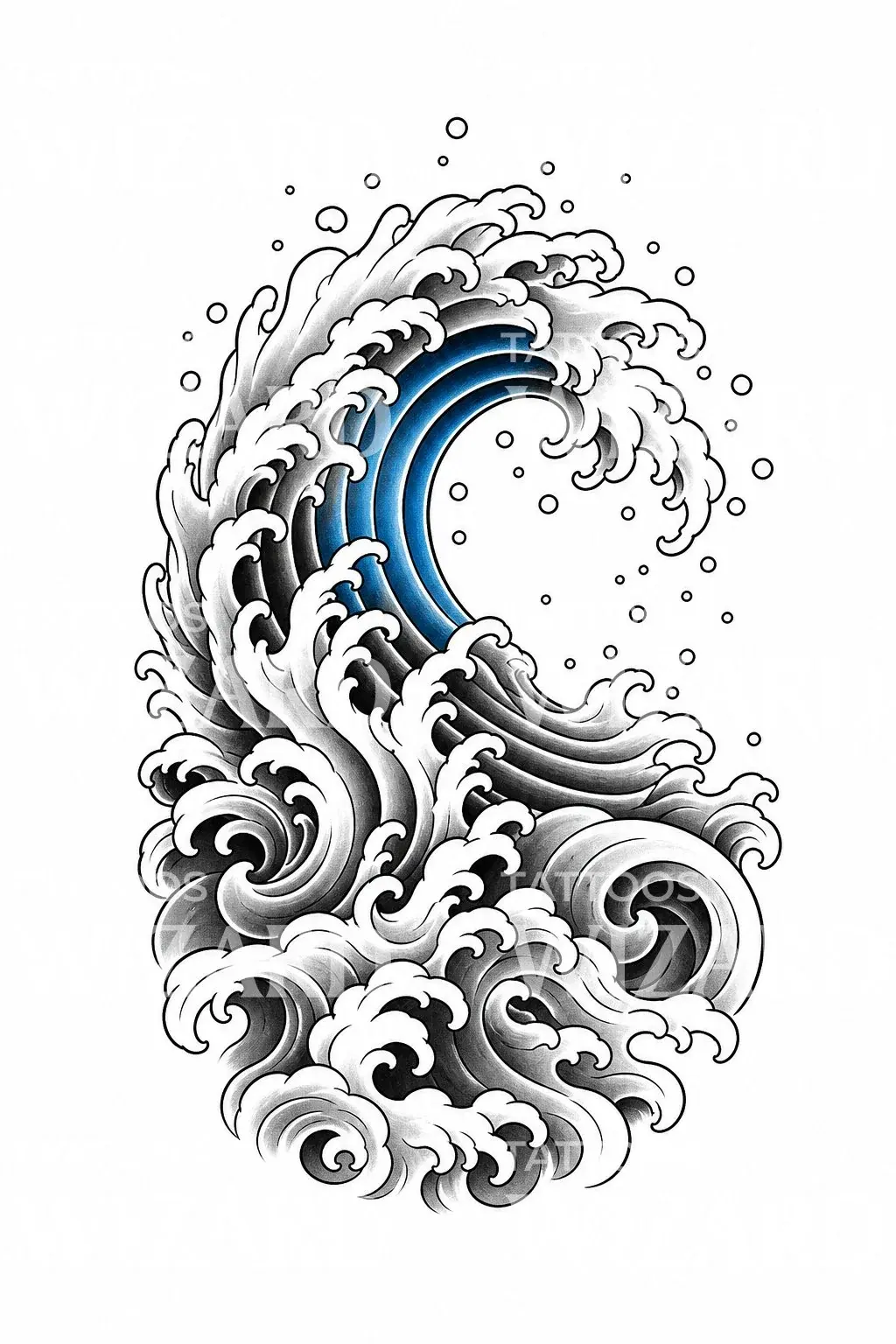
- Traditional Japanese (Irezumi): Often features bold, stylized waves known as "kanami," symbolizing strength and good luck.
- Realistic shading: Focuses on depth and texture to make the water appear three-dimensional.
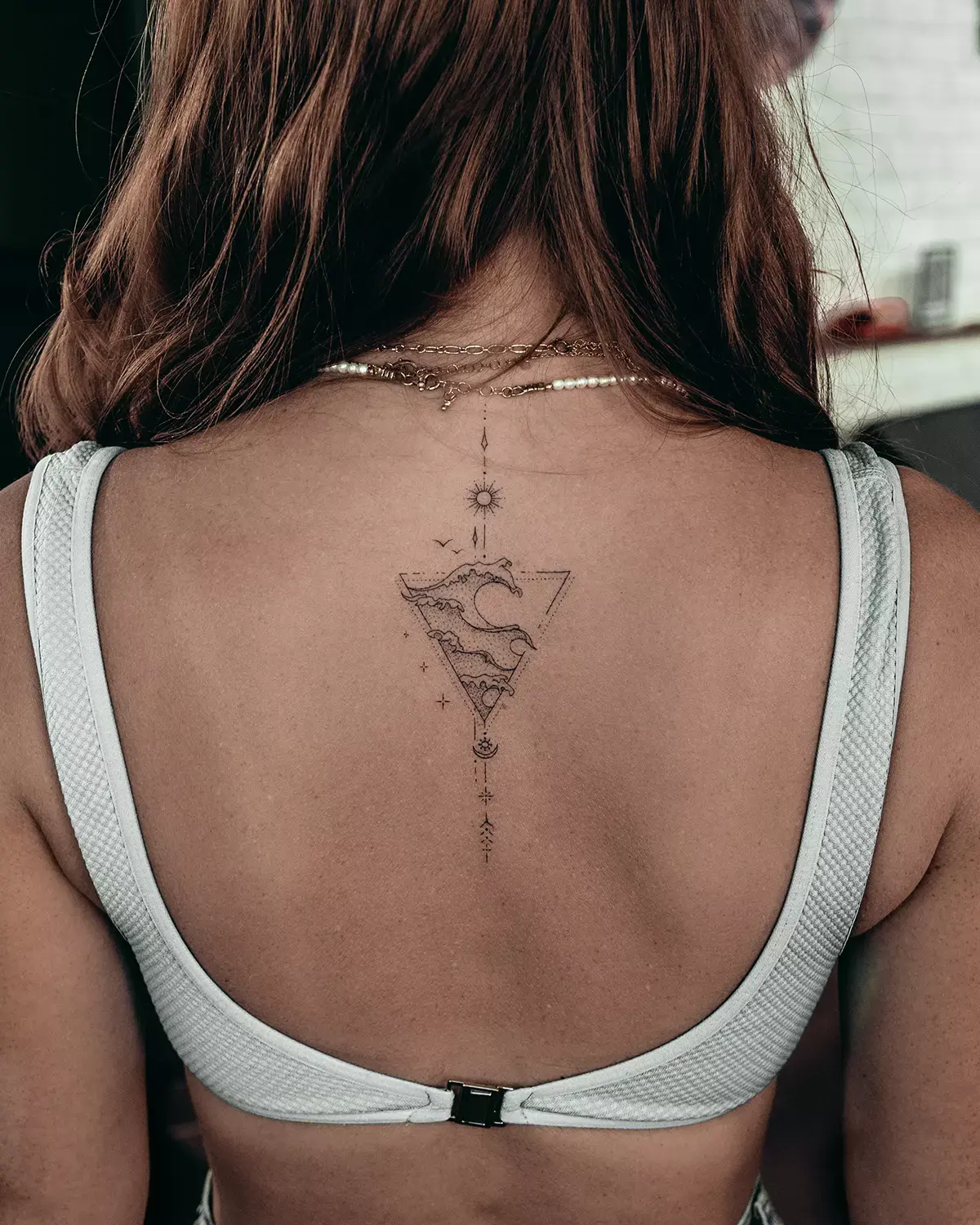
- Geometric patterns: Uses triangles and lines to create a modern, abstract representation of the ocean.
Where to place a wave tattoo
Placement is a critical factor in how your tattoo will be perceived and how it will age over time. Larger, more detailed pieces often require flat, expansive skin surfaces like the back, thigh, or shoulder blade to allow the artist enough room to capture the motion of the water. Smaller designs are highly versatile and can be placed on the inner forearm, behind the ear, or along the collarbone.
When deciding on a location, keep these factors in mind:
- Visibility: Decide if you want your tattoo to be easily hidden or prominently displayed in professional settings.
- Skin elasticity: Areas like the stomach or chest may change shape over time, which can distort the flow of a wave design.
- Pain tolerance: Bony areas such as the ribs, feet, or spine are generally more sensitive during the tattooing process.
- Longevity: High-friction areas like the hands or fingers may cause the ink to fade faster, requiring more frequent touch-ups.
How to prepare for a tattoo appointment
Proper preparation ensures a smoother tattooing experience and better long-term results. Start by researching artists who specialize in the specific style you have chosen, such as fine-line or illustrative work. Once you have selected an artist, schedule a consultation to discuss your vision, size requirements, and budget. Ensure you are well-rested and have eaten a balanced meal before your session to keep your blood sugar stable.
Avoid these common mistakes when preparing for your appointment:
- Consuming alcohol or blood-thinning medication 24 hours before your session, as these can increase bleeding.
- Sunburning the area you intend to tattoo, which makes the skin fragile and difficult to work on.
- Arriving with unrealistic expectations regarding size and detail, as some designs cannot be shrunk without losing clarity.
- Failing to hydrate your skin in the days leading up to the appointment, as dry skin does not hold ink as effectively as well-moisturized skin.
How to care for a new tattoo
Aftercare is essential for preserving the vibrancy and detail of your wave tattoo. Immediately following the session, your artist will apply a bandage to protect the open wound from bacteria. Keep this covering on for the amount of time recommended by your professional, typically between two to four hours. Once removed, gently wash the area with fragrance-free, antibacterial soap and lukewarm water, patting it dry with a clean paper towel.
Follow these steps to ensure proper healing:
- Apply a thin layer of unscented ointment or lotion to keep the skin hydrated without suffocating the tattoo.
- Avoid submerging the tattoo in water, such as swimming pools, hot tubs, or bathtubs, for at least two weeks.
- Keep the tattooed area out of direct sunlight to prevent fading and irritation during the sensitive healing phase.
- Resist the urge to pick or scratch at any scabs that form, as this can pull out the ink and cause scarring.
Key facts
- A wave tattoo commonly symbolizes the power, unpredictability, and eternal nature of the ocean.
- In Japanese art, the "Great Wave off Kanagawa" by Hokusai is the most iconic reference for wave-themed ink.
- Minimalist line-work waves often represent a personal journey, inner peace, or the ability to "go with the flow."
- Placement on the wrist or ankle is popular for small, discreet designs, while full-sleeve waves allow for complex, flowing detail.
- Choosing a reputable artist is critical, as fluid, curved lines require high technical precision to prevent distortion over time.
- Always research the cultural history of specific wave styles, such as traditional Polynesian tribal patterns, to avoid unintentional cultural appropriation.
The bottom line
A wave tattoo is a versatile design that blends aesthetic beauty with profound personal symbolism. Whether you choose a traditional Hokusai-inspired print or a modern minimalist line, the ocean's movement reflects themes of resilience, change, and emotional depth. By selecting an experienced artist and considering how the design interacts with your body’s anatomy, you can ensure your piece remains a timeless representation of your personal journey.
People also ask
Do wave tattoos have a specific religious meaning?
While they are not inherently religious, waves can represent spiritual cleansing, rebirth, or the cycle of life in various cultures. Some individuals use them to signify a connection to deities associated with water, such as Poseidon or Mazu.
Is a wave tattoo considered a masculine or feminine design?
Wave tattoos are widely considered gender-neutral. The style and artistic execution, rather than the subject matter itself, typically determine how the tattoo is perceived.
What is the best placement for a wave tattoo?
Placement depends on the size and shape of the design. Long, flowing waves work well on forearms or calves, while small, circular wave motifs are ideal for the wrist, behind the ear, or the collarbone.
Will a wave tattoo fade quickly?
Like all tattoos, fading depends on sun exposure and skin care. Because wave designs often feature thin lines or delicate shading, they may require touch-ups every few years to maintain crispness and contrast.
What are common mistakes to avoid when getting a wave tattoo?
A common mistake is choosing a design that is too small and detailed, which may blur as the ink settles over time. Additionally, failing to account for the natural curvature of your body can cause the wave to look distorted or "broken" once applied.
Can I combine a wave with other symbols?
Yes, waves are frequently paired with anchors for stability, suns for energy, or mountains for a contrast between land and sea. These combinations often serve to create a more personalized narrative for the wearer.
This answer was created with the help of AI research tools and reference sources. Spotted an error? Let us know — we correct mistakes quickly. See our editorial policy.