What does a moon tattoo mean?
Short answer
Moon tattoos symbolize transition, feminine energy, mystery, and the cyclical nature of life. Because the moon waxes and wanes, it represents constant change and personal growth. Individuals often choose these designs to honor intuition, emotional depth, or a connection to the natural world, making them versatile symbols of both light and darkness.
On this page
What do different moon phases mean?
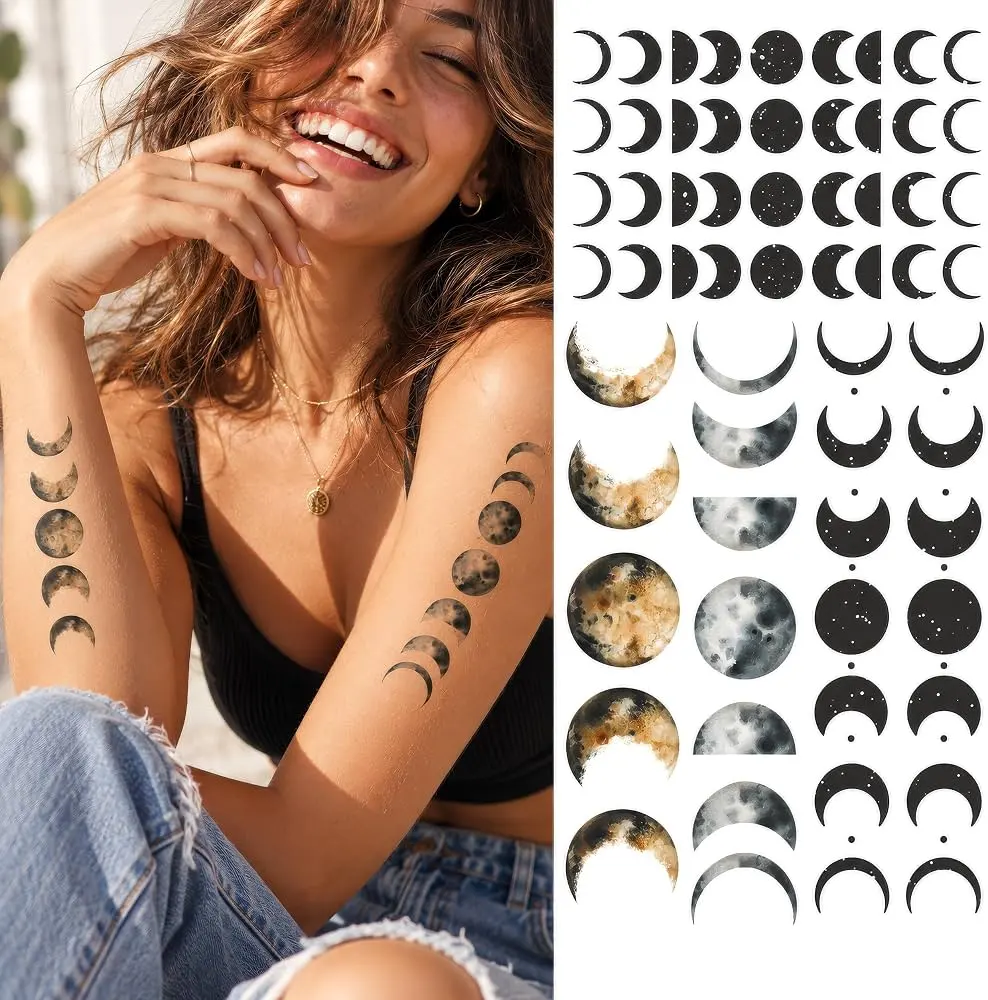
The appearance of the moon in a tattoo often dictates its specific symbolic weight. A crescent moon is frequently associated with new beginnings, creativity, and the manifestation of dreams, as it represents the start of a lunar cycle. In contrast, a full moon signifies completion, peak power, and the illumination of hidden truths. Because the moon reflects light rather than producing it, it is also seen as a symbol of clarity during dark times.
When selecting a phase for a tattoo, consider the following meanings associated with the lunar cycle:
- New Moon: Represents potential, birth, and the "blank slate" of a new chapter.
- Waxing Moon: Symbolizes growth, ambition, and moving toward a goal.
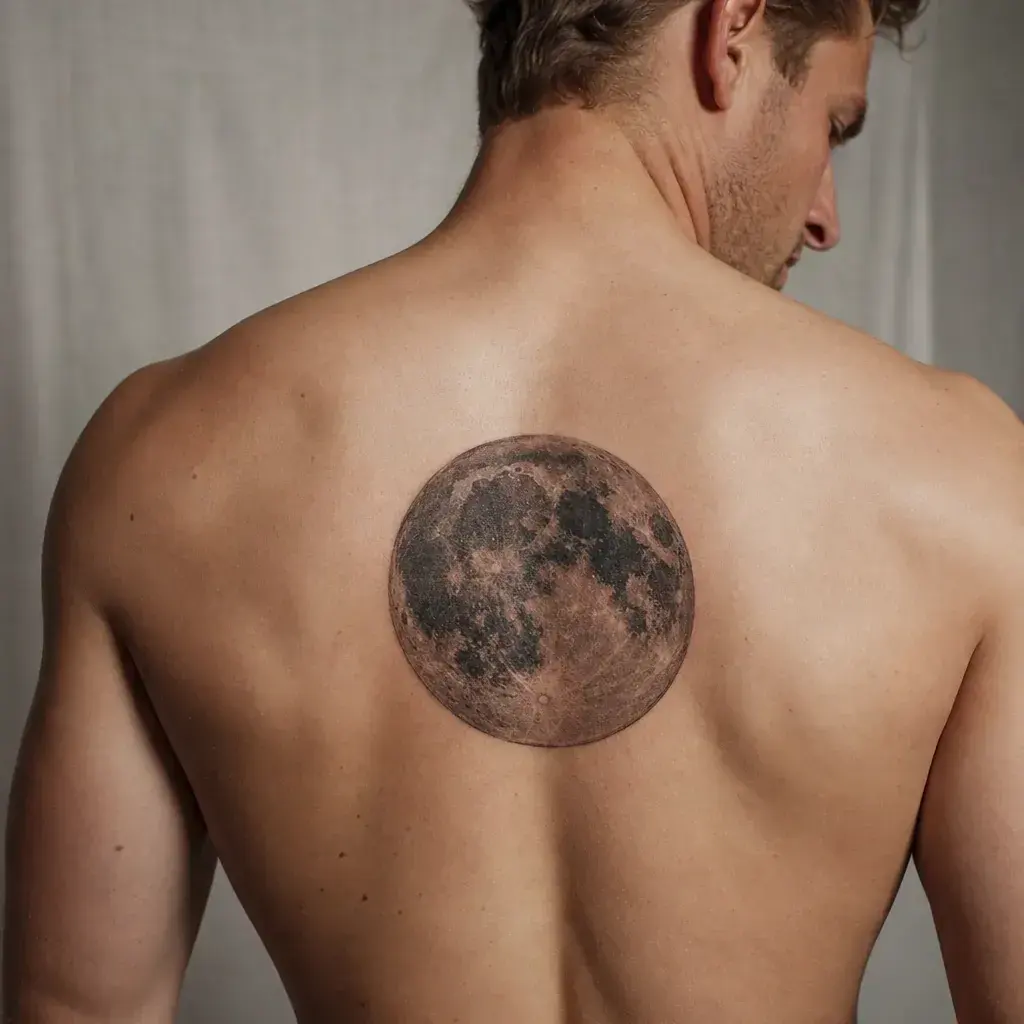
- Full Moon: Denotes wholeness, peak energy, and spiritual enlightenment.
- Waning Moon: Signifies release, letting go of burdens, and introspection.
- Dark Moon: Represents rest, reflection, and the wisdom found in silence.
How to choose a moon tattoo design
Choosing a design requires balancing aesthetic preference with personal intent. Some people prefer minimalist, fine-line crescent moons that offer a subtle, elegant appearance suitable for small areas like the wrist or behind the ear. Others opt for intricate, celestial-themed pieces that incorporate stars, clouds, or geometric patterns to create a sense of cosmic depth. The style you choose—whether it is traditional, dot-work, or watercolor—will significantly influence how the tattoo is perceived by others.
To ensure your design is effective, follow these steps:
- Research various artistic styles, such as blackwork or neo-traditional, to see which aligns with your personal taste.
- Consider the placement on your body, as the curve of a limb can complement the shape of a crescent moon.
- Consult with an artist who specializes in fine lines if you want a delicate, precise look.
- Scale the design to ensure that small details do not blur together as the ink settles into the skin over time.
Why do people get moon tattoos?
Many individuals choose moon tattoos to represent their connection to the natural world and the passage of time. The moon has historically been linked to the tides, agriculture, and the rhythms of the human body, making it a powerful symbol of earthly cycles. For many, the tattoo serves as a grounding reminder that life is constantly in flux and that periods of darkness are always followed by light. It is a permanent marker of one's ability to adapt to change.
Beyond the natural connection, the moon is a deeply personal symbol for many. It is often used to represent motherhood, femininity, and the nurturing aspects of the psyche. In various cultural mythologies, the moon is personified as a deity or a guardian, offering protection to those who travel at night. By wearing this symbol, individuals often seek to channel the moon's perceived qualities of intuition, emotional intelligence, and quiet strength in their daily lives.
Common mistakes when getting a moon tattoo
One frequent error is failing to consider how the moon's shape interacts with the anatomy of the body. A crescent moon placed on a highly mobile area, such as a joint, can become distorted when the skin stretches or moves. Additionally, some people underestimate the importance of line weight. If the lines are too thin or placed too close together, the ink may spread over the years, causing the moon to lose its crisp silhouette and appear as a blurry smudge.
Another common mistake is neglecting the healing process or choosing an artist who lacks experience with celestial imagery. Because moon tattoos often rely on clean, smooth curves, a steady hand is essential. If the artist lacks precision, the symmetry of the moon will be compromised, which is immediately noticeable to the eye. Always ask to see a portfolio specifically featuring circular or curved work before committing to an appointment, and ensure you follow the aftercare instructions provided by your professional artist.
Best placement for moon tattoos
The placement of a moon tattoo is a critical decision that affects both the visibility and the longevity of the ink. Smaller, minimalist designs are best suited for areas with less sun exposure and thinner skin, such as the inner wrist, the ankle, or the back of the neck. These locations allow for a discreet, elegant display. If you prefer a larger, more detailed piece, the shoulder blade, forearm, or upper thigh provides a larger canvas that can accommodate complex shading and additional celestial elements without crowding the design.
When deciding on the perfect spot, keep these factors in mind:
- Skin texture: Areas with more frequent friction or movement may cause the ink to fade faster.
- Visibility: Consider whether you want the tattoo to be easily hidden for professional reasons or displayed prominently.
- Pain threshold: Areas closer to the bone, such as the ribs or feet, are generally more sensitive during the tattooing process.
- Future additions: Think about whether you might want to expand the design later into a larger celestial sleeve or a scene involving other astronomical bodies.
Key facts
- A crescent moon often symbolizes growth, creativity, and the manifestation of new beginnings.
- Full moon tattoos frequently represent completion, peak power, and the culmination of a personal journey.
- The lunar cycle is a universal metaphor for impermanence, reflecting the natural ebb and flow of life.
- Many cultures associate the moon with feminine energy, intuition, and the subconscious mind.
- Consider the moon's phase carefully, as a waxing moon signifies development while a waning moon suggests release.
- When choosing a design, ensure the shading is high-contrast to prevent the ink from blurring into a solid blob over time.
The bottom line
Moon tattoos serve as versatile symbols of the human experience, reflecting themes of transformation, intuition, and the cyclical nature of time. Whether you choose a simple crescent or a detailed full moon, the design acts as a permanent reminder of life’s constant movement. By selecting a phase that resonates with your personal history, you create a meaningful piece of art that remains relevant throughout your journey.
People also ask
Does the placement of a moon tattoo change its meaning?
While placement is often aesthetic, some people choose the wrist or hand to symbolize a connection to time and cycles. Placing it over the heart can signify emotional depth or a personal connection to the night sky.
Are there specific cultural meanings associated with moon tattoos?
Yes, in many ancient mythologies, the moon is linked to deities like Selene in Greece or Chang'e in China. Researching these figures can add layers of historical significance to your specific design.
What is the best style for a moon tattoo?
Fine-line, dotwork, and blackwork styles are currently the most popular for lunar imagery. These techniques allow for intricate details like crater textures or celestial clouds that look clean as the tattoo ages.
How do I avoid common design mistakes?
Avoid overly small, intricate designs that may lose detail as the skin ages. Ensure your artist uses bold enough lines to maintain the moon's shape even as the ink settles into the skin.
Can a moon tattoo represent a specific date?
Yes, many people tattoo the exact phase of the moon as it appeared on a significant date, such as a birth or an anniversary. You can use online lunar calendars to find the precise illumination percentage for any historical day.
Do moon tattoos have to be black and white?
While monochromatic designs are traditional, many modern tattoos incorporate watercolor splashes or vibrant blues and purples. Choose colors that complement your skin tone and personal aesthetic preference.
This answer was created with the help of AI research tools and reference sources. Spotted an error? Let us know — we correct mistakes quickly. See our editorial policy.
