What does a mountain tattoo mean?
Short answer
Mountain tattoos symbolize resilience, personal growth, and the overcoming of life’s obstacles. They represent a connection to nature, a love for adventure, or the achievement of significant personal milestones. Because mountains are immovable and enduring, they often serve as permanent reminders of inner strength, stability, and the pursuit of higher perspectives.
On this page
What is the symbolism of mountain tattoos?
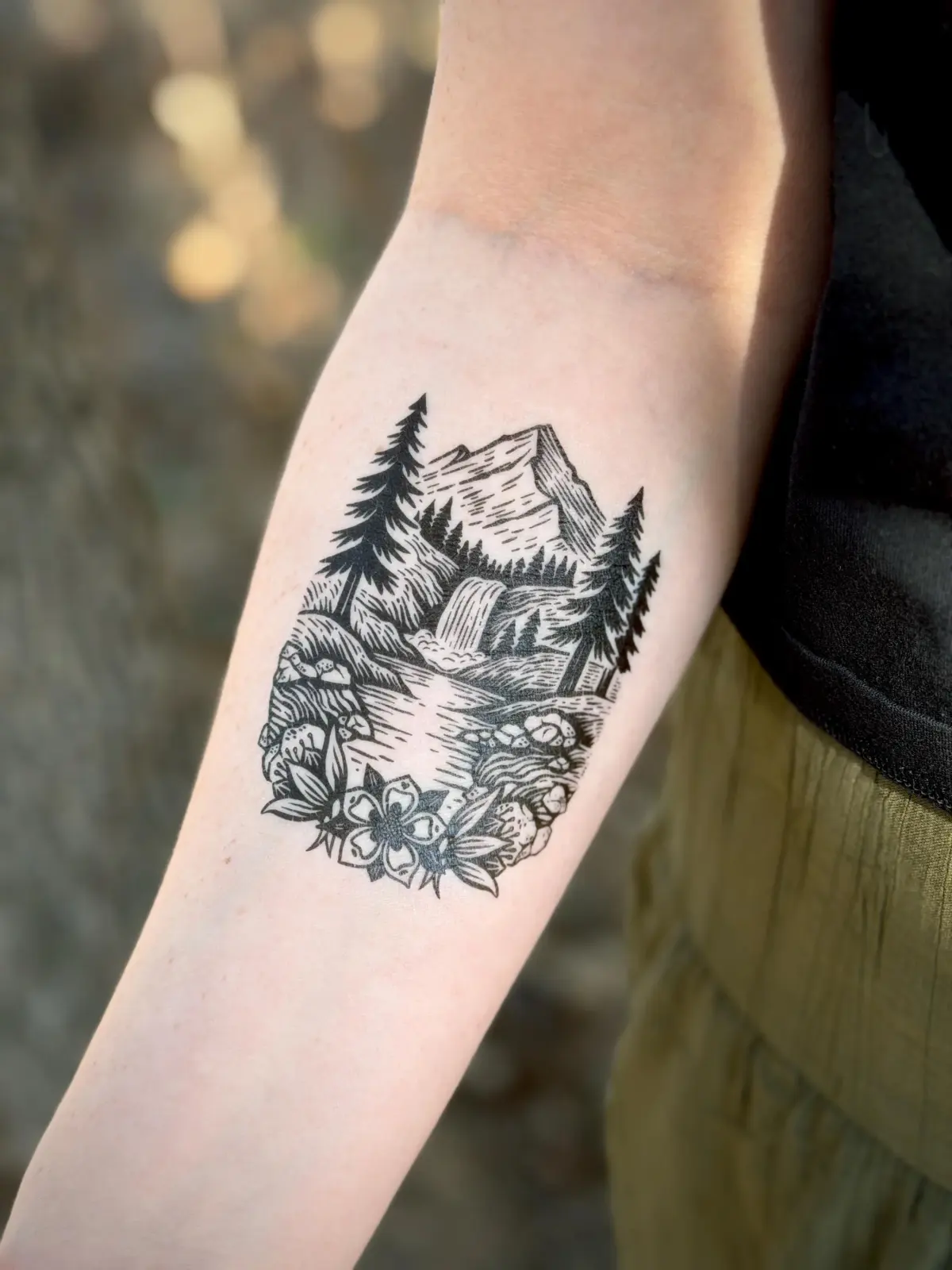
Mountain tattoos carry profound symbolic weight, often serving as a visual metaphor for the human experience. At their core, mountains represent the challenges we face and the strength required to ascend them. For many, the peak signifies a goal achieved or a state of enlightenment reached after a long, arduous journey. The jagged lines of a mountain range can also reflect the ups and downs of life, reminding the wearer that both valleys and summits are essential parts of one's personal history.
Beyond personal struggle, these designs frequently represent a deep-seated connection to the natural world. They are popular among hikers, climbers, and travelers who find solace in the wilderness. By etching a mountain onto their skin, individuals carry a piece of the landscape with them, signaling a commitment to exploration and a reverence for the earth's grandeur. Whether minimalist or hyper-realistic, the mountain remains a universal symbol of endurance, perspective, and the quiet power of the natural environment.
How to choose a mountain tattoo design?
Selecting the right design involves balancing personal meaning with aesthetic preference. Before committing to a permanent piece, consider the artistic style that best resonates with your personality. You might prefer fine-line work for a subtle, elegant look, or bold, traditional shading for a more striking, graphic impact. Think about whether you want the mountain to be the central focus or part of a larger landscape scene involving trees, rivers, or celestial bodies.
When planning your design, consider these common stylistic approaches:
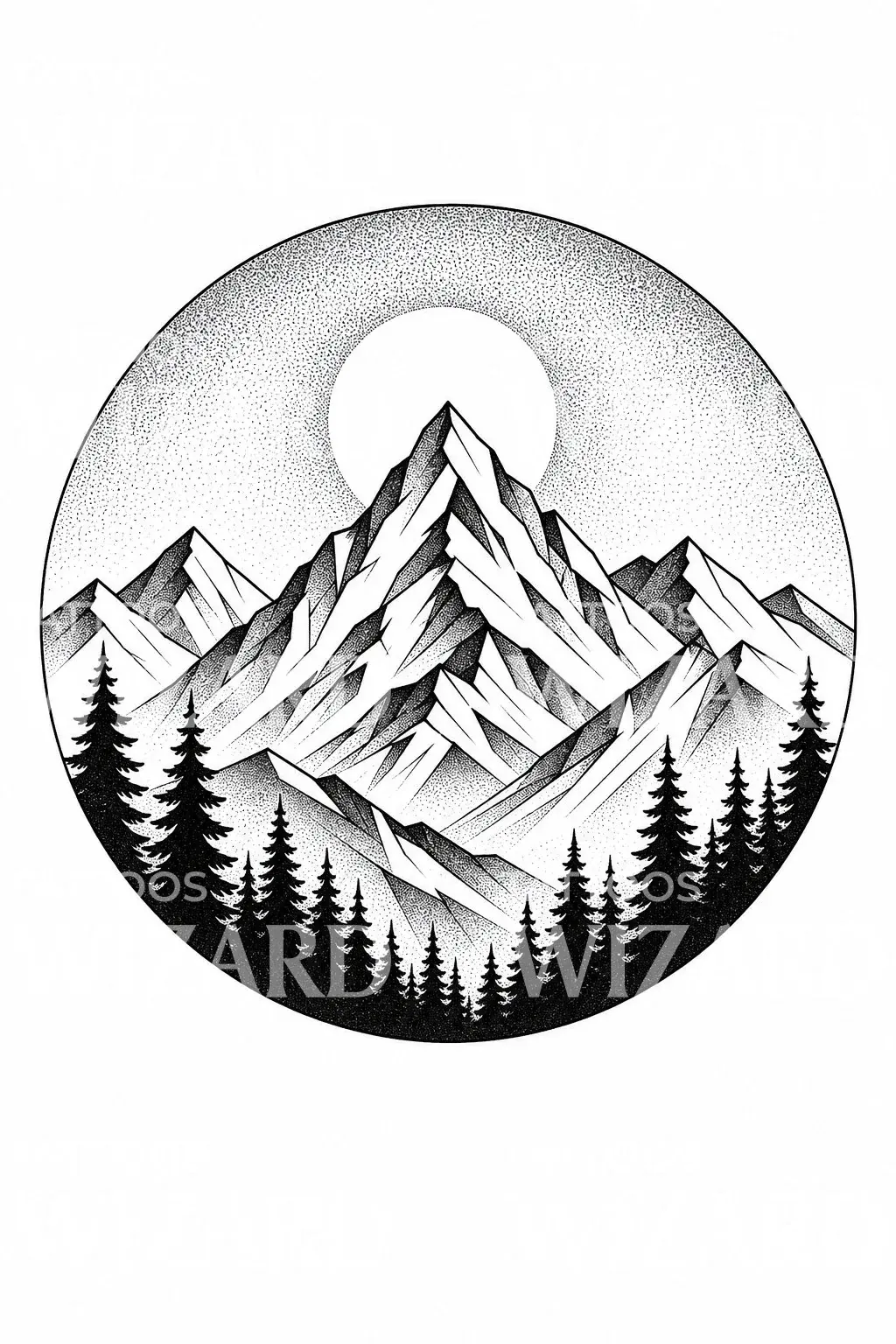
- Geometric: Uses clean lines and shapes to create a modern, abstract representation of peaks.
- Minimalist: A single, continuous line or a small silhouette that captures the essence of a mountain range.
- Illustrative: Detailed, hand-drawn styles that focus on texture, shading, and realistic depth.
- Traditional: Bold lines and limited color palettes that provide a classic, timeless appearance.
- Watercolor: Soft, vibrant splashes of color that blend into the mountain shape for a dreamlike effect.
Where is the best placement for a mountain tattoo?
Placement is critical because it dictates how the tattoo interacts with your body’s natural contours. For vertical designs, such as a single peak or a narrow range, the forearm, calf, or spine are excellent choices. These areas provide a long canvas that complements the height of the mountain. If you prefer a wider, panoramic view of a range, the upper back, chest, or shoulder blade offers more horizontal space to capture the breadth of the scenery.
Consider these factors when deciding on your placement:
- Visibility: Choose a spot that you can easily see, such as your forearm, if you want the tattoo to serve as a daily reminder.
- Pain tolerance: Areas with more muscle or fat, like the outer thigh or shoulder, are generally less painful than bony areas like the ribs or ankles.
- Size: Small, intricate designs often look best on wrists or ankles, while larger, detailed pieces require broader areas of skin to ensure the fine lines do not blur over time.
- Future growth: Think about whether you plan to add more tattoos around the mountain, as this will influence how much empty space you should leave.
Common mistakes when getting a mountain tattoo
One common error is failing to consider how a tattoo will age. Intricate, tiny details—such as microscopic trees or overly complex shading—can blur together over the years as the ink spreads slightly beneath the skin. To avoid this, ensure your artist uses bold enough lines to maintain the mountain's structure as the design settles. Always discuss the long-term visibility of your chosen design with your artist, as they can advise on how to simplify a concept to ensure it remains legible for decades.
Another mistake is rushing the design process without researching the artist's specific portfolio. Not every artist excels at landscape work; some specialize in portraits or lettering. Look for an artist who has a track record of tattooing nature scenes or fine-line geometry. Furthermore, neglecting aftercare can ruin even the most masterfully executed tattoo. Follow your artist’s cleaning and moisturizing instructions precisely during the first two weeks of healing to prevent scabbing and color loss, which can permanently damage the crispness of your mountain peaks.
How to prepare for your tattoo appointment
Preparation begins long before you sit in the chair. In the days leading up to your appointment, focus on hydrating your skin by drinking plenty of water and using moisturizer. Avoid excessive sun exposure, as a sunburned or damaged area of skin cannot be tattooed safely. On the day of your session, eat a substantial meal to keep your blood sugar stable, which helps prevent lightheadedness during long sessions. Wear comfortable clothing that allows easy access to the area being tattooed.
During the appointment, communicate clearly with your artist about your vision and any concerns you have regarding the stencil placement. Trust their professional judgment regarding the size and flow of the design on your specific body type. Once the session is complete, listen carefully to the aftercare advice provided. By treating your skin with care and choosing a skilled professional, you ensure that your mountain tattoo remains a beautiful, enduring symbol of your personal journey for the rest of your life.
Key facts
- Mountain tattoos often symbolize personal obstacles, resilience, and the journey toward overcoming life's challenges.
- Geometric mountain designs use clean lines and symmetry to represent order, balance, and modern stability.
- Traditional landscape styles, often featuring forests or rivers, emphasize a deep connection to nature and solitude.
- Placement on the forearm or calf is popular because these areas provide a vertical canvas that complements the shape of a peak.
- Fine-line mountain tattoos are prone to fading faster than bold, traditional styles, requiring touch-ups every 3 to 5 years.
- Researching a specific mountain range, such as the Andes or the Himalayas, can add a layer of personal geographic significance to the design.
The bottom line
A mountain tattoo serves as a powerful, versatile emblem of endurance and personal growth. Whether you choose a minimalist geometric outline or a sprawling, detailed landscape, the design reflects your unique journey through life’s peaks and valleys. By selecting a meaningful location and working with a skilled artist to ensure proper scale, you create a lasting piece of body art that honors your resilience and spirit.
People also ask
Does the direction the mountain peak faces change the meaning?
Generally, a peak pointing upward symbolizes growth, ambition, and reaching higher goals. A downward-facing or inverted mountain is rare and typically represents internal reflection or a focus on grounding oneself.
What is the best skin area for a detailed mountain scene?
Large, flat surfaces like the back, thigh, or chest are ideal for intricate, realistic mountain landscapes. These areas allow for more shading and detail without the distortion caused by joints or curved muscles.
How do I avoid a "generic" mountain tattoo?
Incorporate personal elements such as specific constellations, family initials, or a particular compass heading. Avoid stock images found online and work with an artist to sketch a custom silhouette based on a place you have actually visited.
Are mountain tattoos considered masculine or feminine?
Mountain tattoos are gender-neutral and highly versatile in style. They can be rendered as delicate, minimalist line art or as heavy, dark-shaded traditional pieces depending on the wearer's aesthetic preference.
What is the most common mistake when getting a mountain tattoo?
The most common error is choosing a design with too much detail in a small space. Over time, ink spreads slightly under the skin, which can cause fine lines to blur and turn the mountain into an unrecognizable dark blob.
Do mountain tattoos have religious meanings?
In many cultures, mountains are viewed as sacred places where the earth meets the heavens. Some people use these designs to represent spiritual enlightenment or a metaphorical pilgrimage toward a higher state of consciousness.
This answer was created with the help of AI research tools and reference sources. Spotted an error? Let us know — we correct mistakes quickly. See our editorial policy.
