What does a circle symbolize in art?
Short answer
The circle symbolizes wholeness, unity, and the infinite nature of existence across global cultures. In art, this geometric form represents the cyclical patterns of life, the cosmos, and spiritual perfection. Because it lacks a beginning or an end, it serves as a universal archetype for protection, divinity, and the eternal cycle of time.
On this page
Why do artists use circles in composition?
Artists utilize the circle as a fundamental tool to guide the viewer’s eye toward a focal point. By placing a subject within a circular frame, such as a tondo, the artist creates a sense of containment and intimacy. This shape naturally draws attention inward, preventing the gaze from wandering off the edges of the canvas. It provides a balanced, stable environment that feels both complete and self-contained.
Beyond composition, the circle acts as a symbol of cosmic order. Throughout history, painters have used circular motifs to represent the sun, the moon, and the celestial spheres. This association links the artwork to themes of divinity and the natural world. By incorporating these shapes, artists can evoke feelings of harmony and serenity, as the human brain often perceives the circle as a soft, non-threatening, and aesthetically pleasing form.
How to incorporate circles into your artwork
Integrating circular elements requires careful planning to ensure they do not disrupt the balance of your piece. You can use circles as structural anchors or as repetitive patterns to create rhythm. When adding these shapes, consider the following methods to enhance your composition:
- Use a compass or circular templates to ensure geometric precision if you are aiming for a clean, modern look.
- Experiment with "implied circles" by arranging objects in a curved formation rather than drawing a literal line.
- Vary the size of your circular elements to create a sense of depth and hierarchy within the frame.
- Overlap circles to suggest movement or to create complex, organic shapes that feel more dynamic.
Avoid placing a single, large circle directly in the center of the canvas unless you intend to create a static, iconic feeling. Doing so can sometimes make a composition feel overly symmetrical or stagnant. Instead, try offsetting the circle to create tension and visual interest.
What are the historical meanings of the circle?
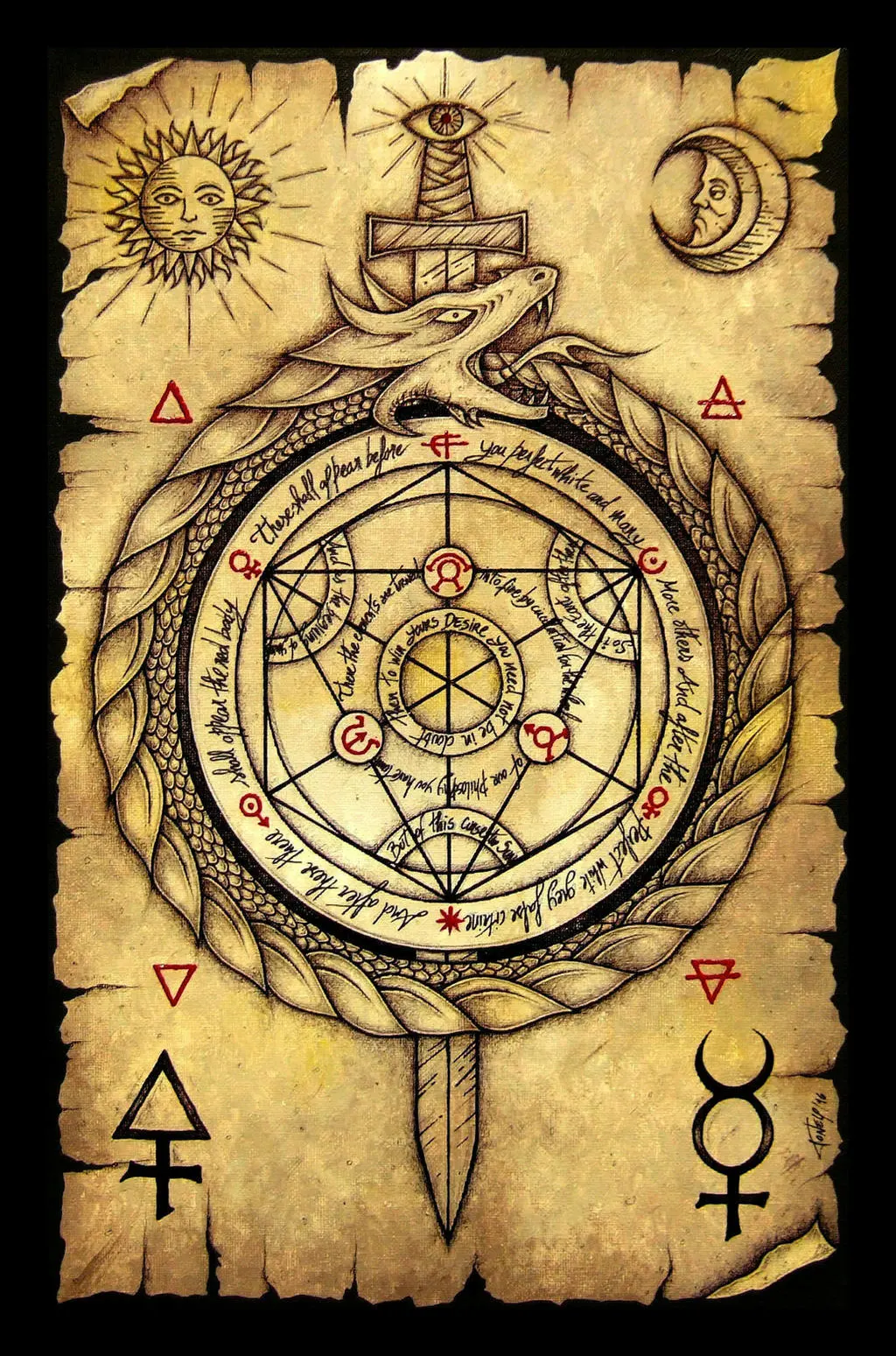
The circle has held profound symbolic weight in art history, appearing in everything from prehistoric petroglyphs to Renaissance masterpieces. In many ancient cultures, the circle represented the sun and the cycle of the seasons. For instance, the mandala in Hindu and Buddhist art serves as a spiritual map, representing the universe and the path to enlightenment. These intricate, circular designs are meant to aid meditation and focus the mind.
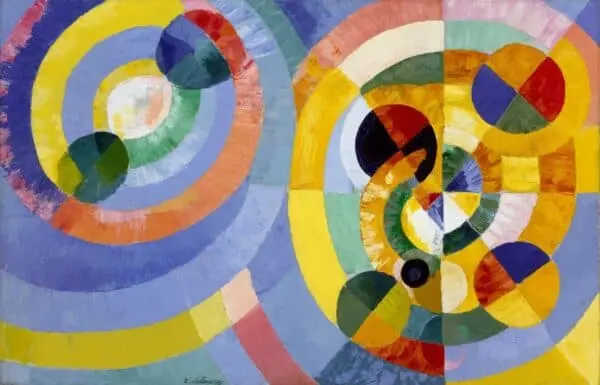
During the Renaissance, artists like Leonardo da Vinci explored the circle as a symbol of human perfection. His famous "Vitruvian Man" depicts the human form inscribed within both a square and a circle, blending the physical and spiritual realms. This era cemented the circle as a symbol of divine proportion and mathematical beauty. Later, in the 20th century, artists like Wassily Kandinsky used circles to explore abstract emotional states, viewing the shape as a symbol of the "greatest tension" and the "most peaceful" union.
Common mistakes when drawing circles
Many beginners struggle with the rigidity of circular shapes, often resulting in drawings that look mechanical or unnatural. One common mistake is attempting to draw a perfect freehand circle without establishing a structural foundation first. This often leads to wobbly lines or irregular shapes that distract from the intended message. To improve your accuracy, always start by sketching a light square or a cross-axis to act as a guide for your curves.
Another frequent error is failing to consider the perspective of the circle. When a circle is tilted or viewed from an angle, it becomes an ellipse. Beginners often draw a perfect circle even when the object is receding into the distance, which makes the artwork look flat and distorted. To avoid this, observe how the width of the circle narrows as it turns away from the viewer. Practicing the construction of ellipses is essential for creating realistic, three-dimensional forms within your artistic compositions.
How to use circles to convey emotion
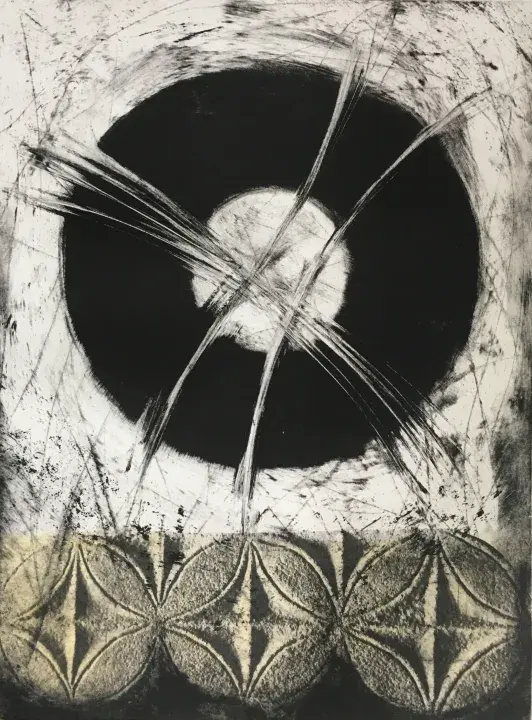
The way an artist renders a circle can drastically change the emotional impact of the piece. A thin, delicate circle might suggest fragility or ethereal beauty, while a thick, bold, and jagged circle can convey aggression or confinement. By adjusting the line quality and texture, you can communicate different moods. For example, a hand-drawn, imperfect circle often feels human and vulnerable, whereas a crisp, digital circle can feel cold, calculated, or futuristic.
Consider the color and opacity of your circles to further influence the viewer’s reaction. A translucent, overlapping circle can create a dreamlike, layered effect that suggests mystery or memory. Conversely, a solid, opaque circle creates a strong, undeniable presence that demands immediate attention. By manipulating these variables, you can use the circle as a versatile instrument to tell a story, evoke a specific feeling, or provide a sense of closure to your artistic narrative.
Key facts
- The circle is a universal symbol representing wholeness, unity, and the infinite, as it has no beginning or end.
- Ancient cultures often used the circle to represent the sun, the moon, or the cyclical nature of life and seasons.
- In Zen Buddhism, the ensō is a hand-drawn circle representing a moment when the mind is free to let the body create.
- Artists use circular compositions, such as the tondo format, to draw the viewer's eye toward the center of the image.
- To create a balanced circular composition, place your focal point slightly off-center to avoid a static or boring appearance.
- Avoid placing circular elements too close to the edge of a frame, as this creates visual tension that can distract from the subject.
The bottom line
The circle remains one of the most potent symbols in art, bridging the gap between mathematical perfection and spiritual infinity. Whether framing a portrait within a tondo or exploring the meditative flow of an ensō, artists leverage the circle to guide the viewer’s eye and evoke feelings of unity. By mastering circular composition, you can create balanced, harmonious works that resonate with universal human experiences.
People also ask
Why do artists use the tondo format?
The tondo, a circular painting or relief, was popular during the Italian Renaissance to create a sense of intimacy and focus. It forces the viewer to engage with the subject matter in a contained, harmonious space.
What is the spiritual significance of a mandala?
A mandala is a geometric configuration of symbols, typically circular, used in Hindu and Buddhist traditions to represent the cosmos. It serves as a tool for meditation and a representation of the journey toward enlightenment.
How does a circle affect the mood of a painting?
Circles generally evoke feelings of comfort, safety, and community because they lack sharp, aggressive edges. They are perceived as softer and more organic than squares or triangles, which often signify stability or conflict.
What is the golden ratio's role in circular design?
The golden ratio is often applied to circular compositions to ensure that the placement of elements feels naturally balanced. It helps artists determine the ideal size and spacing of circles to create a pleasing aesthetic.
Can circles represent negative concepts in art?
Yes, circles can represent entrapment, isolation, or the feeling of being stuck in a repetitive cycle. An artist might use a circle to hem a subject in, suggesting a lack of escape or freedom.
How can I draw a perfect circle without a compass?
You can use a string tied to a pencil or trace circular household objects like bowls or lids. For digital work, use the shape tool set to a fixed aspect ratio to ensure geometric precision.
This answer was created with the help of AI research tools and reference sources. Spotted an error? Let us know — we correct mistakes quickly. See our editorial policy.