How do you write about art?
Short answer
Writing about art requires a blend of objective observation and subjective interpretation. You must first describe the physical elements of the work, such as medium, color, and composition, before analyzing its historical context or emotional impact. By balancing factual details with thoughtful inquiry, you create a compelling narrative for your reader.
On this page
How to describe an artwork for beginners
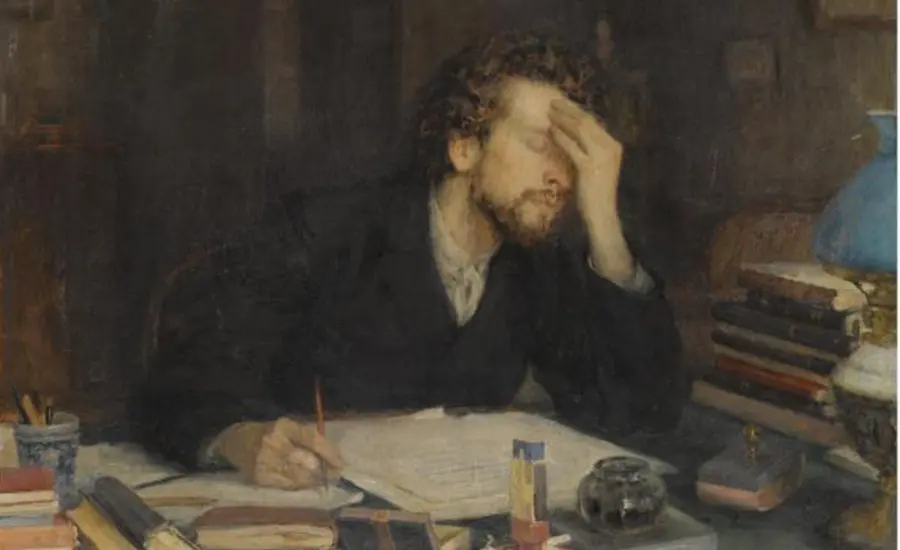
The foundation of art writing is careful, systematic observation. Before forming an opinion, you must document exactly what is present in the frame. Start by noting the formal elements: the medium (oil on canvas, bronze, digital print), the dimensions, and the date of creation. Describe the color palette, the use of light and shadow, and the arrangement of figures or objects within the space.
Avoid jumping immediately into your personal reaction. Instead, focus on the "what" rather than the "why." For instance, rather than saying a painting is "sad," describe the heavy, muted brushstrokes and the slumped posture of the subject. This evidence-based approach allows your reader to visualize the work clearly. Use a structured process to ensure you capture every detail:
- Identify the artist, title, and date.
- Note the primary materials and techniques used.
- List the dominant colors, textures, and lines.
- Describe the focal point and the movement of the viewer's eye.
How to analyze the meaning of art
Once you have established the physical facts, you can begin to interpret the work's deeper significance. Consider the historical and cultural context in which the artist lived. A work created during the 1930s Great Depression will carry different weight than one created during the 1960s Pop Art movement. Research the artist’s intentions, but remain open to how the work functions independently of their stated goals.
Think about the relationship between the subject matter and the viewer. Does the work challenge existing social norms, or does it reinforce them? Explore the symbolism embedded in the imagery. For example, a skull in a 17th-century Dutch still life often represents the concept of vanitas, or the fleeting nature of human life. By connecting visual evidence to broader themes, you transform a simple description into a meaningful critique that invites the reader to think critically.

How to structure an art critique
A well-organized critique guides the reader through your thought process logically. Start with an introduction that includes the basic facts of the piece and your primary thesis statement. The body paragraphs should then expand on your observations, moving from formal analysis to thematic interpretation. Conclude by summarizing how the work succeeds or fails in its apparent goals.
Follow these steps to build your critique:
- Write an introduction that identifies the work and states your central argument.
- Devote one paragraph to formal analysis, covering composition and style.
- Dedicate subsequent paragraphs to historical context and thematic meaning.
- Conclude by evaluating the overall impact of the piece on the viewer.
This structure ensures that your argument remains coherent. Each paragraph should build upon the previous one, creating a seamless transition from the visual surface to the intellectual core of the artwork.

Common mistakes when writing about art
One frequent error is relying too heavily on jargon. Terms like "chiaroscuro," "impasto," or "juxtaposition" are useful, but they should not be used to obscure your meaning. If you use a technical term, explain it briefly or ensure the context makes its definition clear. Over-explaining can be just as detrimental as under-explaining, so aim for a balance that respects the reader's intelligence while remaining accessible.
Another common pitfall is the "I feel" trap. While art is subjective, writing about it requires more than just listing your personal preferences. Avoid phrases like "I liked this painting because it was pretty." Instead, focus on how the artist achieved a specific effect. If you find a piece moving, explain which specific elements—such as the sharp contrast of colors or the deliberate distortion of scale—triggered that emotional response. Grounding your subjective experience in objective reality makes your writing authoritative and persuasive.
How to improve your art writing style
Developing a distinct voice takes time and constant practice. Read the works of established art historians and critics to see how they manage the balance between description and argument. Pay attention to how they use verbs to describe the action within a static image. Instead of saying "there is a tree," use active verbs like "a gnarled tree dominates the left foreground," which creates a sense of dynamism.
Keep a notebook dedicated to your observations of different works. Visit galleries or look at high-resolution images online and practice writing short, timed descriptions. Focus on precision and economy of language. The more you practice, the more natural it will become to identify the core message of a piece and articulate it clearly. By refining your vocabulary and sharpening your observational skills, you will eventually develop a writing style that is both informative and deeply engaging for your audience.
Key facts
- Focus on what you actually see, such as color, line, and composition, rather than guessing the artist's intent.
- Use precise vocabulary like "impasto" for thick paint or "chiaroscuro" for strong light-dark contrast.
- Describe the work in the present tense, as the art exists in the moment of viewing.
- Provide essential context, including the artist's name, the date of creation, and the medium used.
- Avoid flowery adjectives like "beautiful" or "amazing" in favor of descriptive verbs that explain how the work functions.
- Consider the physical scale of the piece, as size dramatically changes the viewer's emotional response.
The bottom line
Writing about art requires a transition from passive viewing to active observation. By prioritizing formal analysis, using precise terminology, and grounding your observations in physical evidence, you create a bridge between the image and the reader. Avoid the trap of vague praise; instead, focus on how specific choices in color, composition, and medium create a distinct visual experience that communicates ideas beyond simple words.
People also ask
How do I start writing about a painting I do not understand?
Begin by listing every object, color, and shape you see on the canvas. This objective inventory helps you build a foundation before you attempt to interpret the meaning or emotional impact.
Should I include my personal feelings in an art critique?
While your reaction is valid, professional art writing prioritizes analysis over personal preference. Focus on how the work achieves its effects rather than whether you personally like the subject matter.
What is the most common mistake when writing about art?
The most frequent error is over-interpreting symbols without looking at the formal elements. Always ground your claims about meaning in the visual evidence provided by the artist's technique.
How much historical context is necessary?
Provide only the context that directly informs the visual experience. Knowing the year of creation or the political climate of the time can be helpful, but avoid turning your critique into a dry history lesson.
How do I describe color effectively?
Avoid simple labels like "blue" or "red." Instead, use modifiers like "vibrant," "muted," "translucent," or "earthy" to help the reader visualize the specific quality of the pigment.
Is it better to write a long or short description?
Clarity is more important than length. A concise paragraph that highlights the most striking features of a work is more impactful than a sprawling essay that loses the reader's focus.
This answer was created with the help of AI research tools and reference sources. Spotted an error? Let us know — we correct mistakes quickly. See our editorial policy.