What does an art conservator do?
Short answer
Art conservators preserve, stabilize, and restore cultural heritage objects to ensure their longevity. They combine scientific analysis, art history, and manual craftsmanship to repair damage while maintaining the integrity of the original work. By balancing aesthetic intervention with ethical preservation standards, they prevent further deterioration and protect artifacts for future generations.
On this page
What does an art conservator actually do?
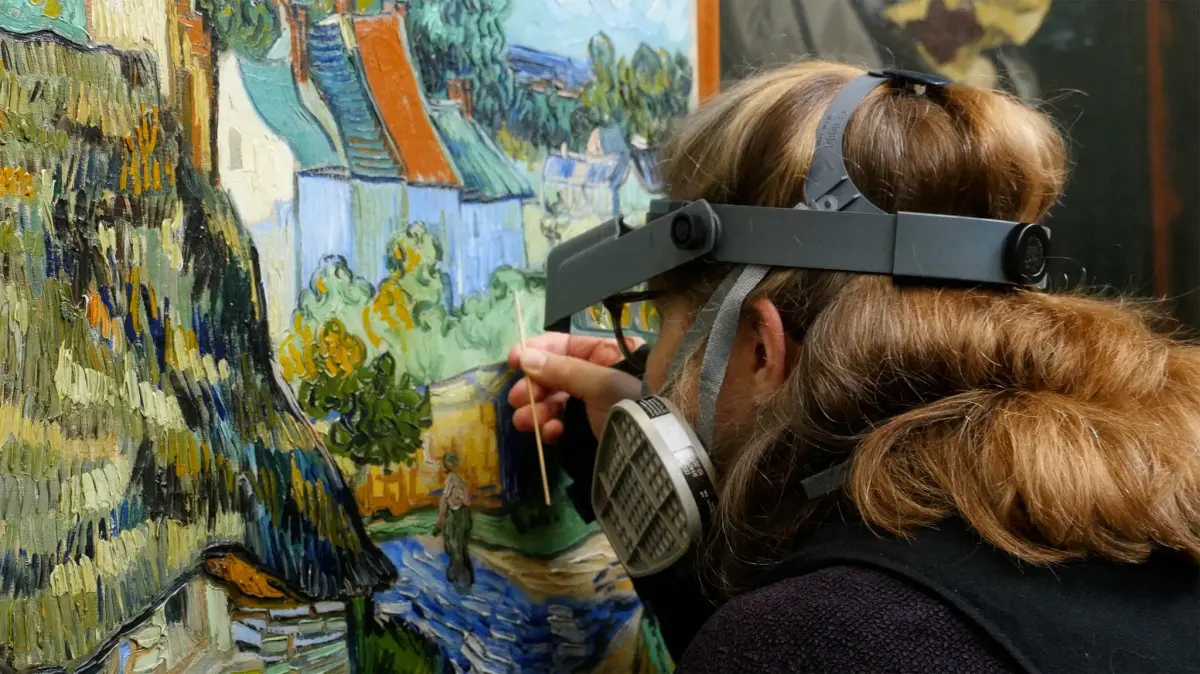
Art conservators serve as the bridge between the past and the future, applying rigorous scientific methods to the physical care of art. Their primary objective is preservation, which involves managing the environment around an object to slow natural decay. When an item is damaged, they perform interventions that range from minor cleaning to complex structural repairs. Unlike restorers, who might focus solely on making an object look new, conservators prioritize the principle of reversibility. This means any material added during a treatment must be removable in the future without harming the original substance.
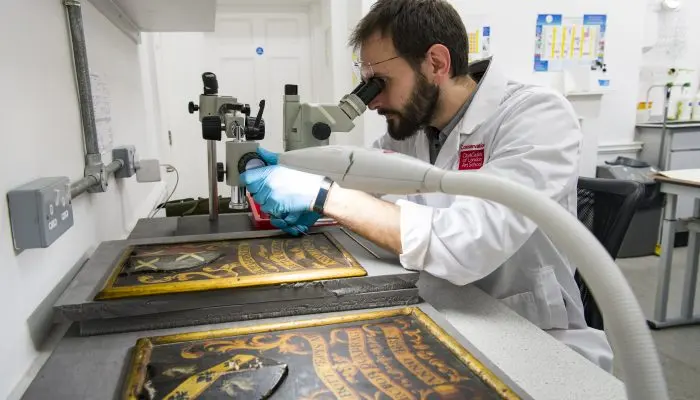
The daily workflow of a conservator is highly methodical and documentation-heavy. Before touching an object, they conduct an extensive examination using tools like ultraviolet light, infrared reflectography, and X-ray fluorescence to identify hidden layers or previous repairs. They maintain detailed records of every chemical or physical change made to an object. This documentation is essential for future researchers who may need to understand the history of the object's treatment. By blending technical expertise with historical context, they ensure that the object remains as close to its original state as possible.
How do conservators treat damaged art?
The treatment process is a deliberate, step-by-step journey that begins with a thorough assessment of the object’s current condition. Conservators must determine the cause of degradation, whether it is environmental, biological, or the result of previous poor-quality repairs. Once the diagnosis is complete, they develop a treatment plan that balances the needs of the object with the ethical requirements of the profession. This plan is often discussed with curators or owners to ensure that the final result aligns with the intended use of the piece.
Treatment often follows a structured sequence to ensure safety and stability:
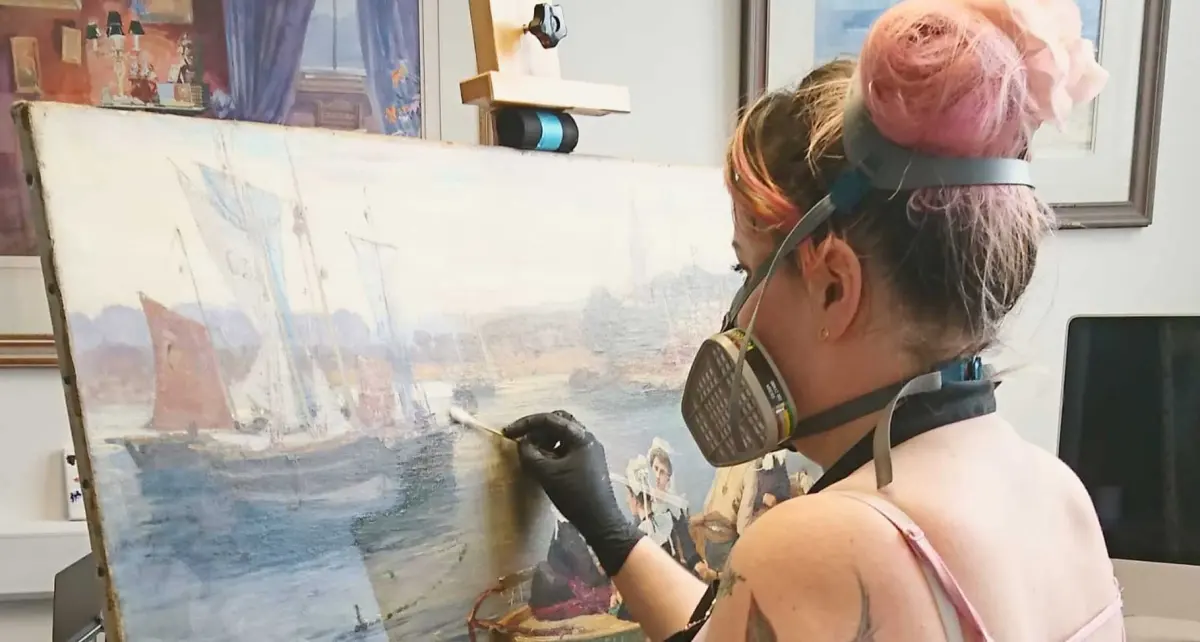
- Surface cleaning to remove accumulated dust, grime, or soot that may be acidic or abrasive.
- Consolidation of flaking paint or loose materials using specialized adhesives that remain stable over time.
- Structural repair, such as mending tears in canvas or stabilizing cracks in wood or stone.
- Inpainting, where the conservator carefully matches colors to fill losses, ensuring the repair is visible under close inspection but invisible from a normal viewing distance.
- Application of a protective coating, such as a stable varnish, to shield the surface from environmental pollutants.
Why does art deteriorate over time?
Art is constantly reacting to its environment, and even the most stable materials undergo chemical changes over decades or centuries. Light exposure is one of the most common culprits, as ultraviolet radiation breaks down chemical bonds in pigments, causing colors to fade or shift. Humidity fluctuations are equally destructive, particularly for organic materials like wood, ivory, and canvas. When humidity rises, these materials absorb moisture and swell; when it drops, they contract. This repeated cycle of expansion and contraction leads to warping, cracking, and the eventual separation of paint layers from their supports.
Biological threats also pose a significant risk to cultural heritage, especially in humid or poorly ventilated storage conditions. Fungi, bacteria, and insects can consume organic materials, leaving behind irreversible damage. Additionally, chemical pollutants in the air, such as sulfur dioxide or ozone, can react with metallic surfaces or delicate textiles to cause corrosion or discoloration. Conservators combat these issues by implementing strict climate control protocols. They often work with museum staff to maintain stable temperatures, typically between 65 and 70 degrees Fahrenheit, and relative humidity levels around 50 percent to minimize these natural degradation processes.
Common mistakes when handling art
Many people accidentally damage art by attempting DIY repairs or using improper storage methods. One of the most frequent errors is the use of household adhesives, such as superglue or duct tape, which are acidic and impossible to remove without damaging the object. Another common mistake is the use of harsh cleaning agents or abrasive cloths to remove surface dirt. These materials can easily scratch delicate finishes or strip away original glazes. Furthermore, hanging art in direct sunlight or near HVAC vents exposes the work to extreme temperature swings and damaging light levels that accelerate aging.
To protect your personal art collection, follow these simple guidelines:
- Avoid using adhesive tapes of any kind on paper or canvas, as the adhesive will stain and degrade the material.
- Never use household glass cleaners on frames or paintings, as the chemicals can seep into the edges and cause damage.
- Keep art away from direct sunlight, radiators, and damp basements to prevent fading and mold.
- Use archival-quality, acid-free materials for any framing or storage needs to ensure long-term stability.
- If an object shows signs of cracking, loose parts, or active mold, consult a professional rather than attempting to fix it yourself.
How to become an art conservator
Becoming a professional conservator requires a unique blend of academic training and hands-on experience. Most practitioners hold a master’s degree from a specialized graduate program, which typically requires a strong background in chemistry, studio art, and art history. During their training, students learn the chemical properties of pigments, binders, and solvents, alongside the history of artistic techniques. This scientific foundation is crucial for understanding how different materials interact and how they will behave under various environmental conditions.
The path to the profession is rigorous and highly competitive:
- Complete an undergraduate degree with a focus on chemistry and art history.
- Gain significant hands-on experience through internships or volunteer work at museums or private studios.
- Apply to a graduate program in art conservation, which involves an intensive portfolio review and interview process.
- Complete a multi-year graduate degree that includes a year-long internship in a professional lab.
- Join a professional organization, such as the American Institute for Conservation, to adhere to ethical standards and stay updated on new research.
After formal education, many conservators choose to specialize in a specific medium, such as paintings, paper, textiles, or objects. This specialization allows them to develop deep expertise in the specific challenges associated with those materials. Throughout their careers, they must continue to study new materials and technologies to ensure they are providing the most effective care for the objects entrusted to them.
Key facts
- Art conservators require a master’s degree, often involving chemistry, art history, and studio art training.
- The primary goal is preservation, meaning all interventions should be reversible whenever possible.
- Conservators use specialized tools like ultraviolet (UV) lights to detect past repairs or hidden damage.
- Professionals strictly follow the Code of Ethics established by the American Institute for Conservation.
- Cleaning a painting often involves testing various solvents on microscopic areas to ensure the original pigment remains intact.
- Environmental control is vital; museums maintain strict relative humidity levels, typically between 45% and 55%, to prevent warping.
The bottom line
Art conservation is a rigorous scientific discipline dedicated to extending the life of cultural heritage. By balancing chemical analysis with manual precision, conservators stabilize objects while respecting their historical integrity. Whether managing museum collections or private heirlooms, the practice emphasizes prevention and reversibility. Ultimately, the conservator acts as a guardian, ensuring that physical artifacts remain intact for future generations to study and enjoy.
People also ask
How does a conservator differ from a restorer?
A conservator focuses on scientific preservation and stabilizing an object to prevent further decay. A restorer often prioritizes aesthetic appearance, sometimes using techniques that are irreversible or damaging to the original material.
Can I clean an old painting at home with soap and water?
Never use household cleaning products, water, or oil on a painting. These substances can cause permanent swelling, clouding of the varnish, or the lifting of paint flakes from the canvas.
How long does a conservation project take?
Simple stabilization might take a few days, but complex treatments involving structural repairs or extensive overpaint removal can span several months or years. Each step requires careful documentation and drying time.
What is the most common cause of art deterioration?
Fluctuations in temperature and humidity are the primary culprits. These environmental shifts cause materials like wood, canvas, and paper to expand and contract, leading to cracking, buckling, or mold growth.
Do conservators ever leave damage visible?
Yes, if a repair would require inventing missing parts that cannot be verified by historical evidence. Modern conservation often favors "minimal intervention" to maintain the integrity of the object’s history.
How do I find a qualified professional for my artwork?
You should search the "Find a Professional" tool provided by the American Institute for Conservation. Always request a condition report and a formal treatment proposal before allowing anyone to work on your piece.
This answer was created with the help of AI research tools and reference sources. Spotted an error? Let us know — we correct mistakes quickly. See our editorial policy.