What is photojournalism?
Short answer
Photojournalism is a form of visual storytelling that uses still images to document news, social issues, or historical events. It prioritizes factual accuracy, objective representation, and emotional impact. By capturing candid moments, photojournalists provide context to complex narratives, serving as a primary medium for informing the public about the world’s current affairs.
On this page
What is the history of photojournalism?
Photojournalism emerged in the mid-19th century, though its golden age began in the 1930s with the invention of portable 35mm cameras like the Leica. These devices allowed photographers to move freely and capture spontaneous action rather than static, posed portraits. The rise of illustrated magazines such as Life and Picture Post transformed how society consumed news, placing visual narratives at the forefront of journalism.
Key figures defined the field’s ethical and aesthetic standards during this era. Henri Cartier-Bresson, a pioneer of the "decisive moment," emphasized capturing the exact fraction of a second when an event’s significance is most apparent. Robert Capa, famous for his harrowing coverage of the D-Day landings in 1944, demonstrated the risks photographers take to document conflict. Their work established the core principles of the profession: being present, maintaining neutrality, and telling a coherent story through a sequence of frames.
How to start a career in photojournalism
Entering the field requires a blend of technical proficiency, journalistic integrity, and an eye for human interest. Most professionals begin by documenting local community events, town council meetings, or high school sports to build a portfolio. Developing a "beat" allows a photographer to become a trusted presence in a specific environment, which is essential for capturing authentic, unposed moments.
To build a professional foundation, follow these steps:
- Master manual camera settings to react instantly to changing lighting conditions.
- Study the work of established agencies like Magnum Photos or the Associated Press.
- Develop a narrative focus, such as environmental issues, humanitarian crises, or urban development.
- Pitch photo essays to local newspapers or digital news outlets to gain editorial experience.
- Learn basic non-destructive editing software to ensure your images meet industry standards for clarity and color balance.
What is the code of ethics for photojournalists?
The primary mandate of a photojournalist is to record reality without manipulation. Ethical standards dictate that photographers must not stage scenes, alter the content of an image through digital editing, or misrepresent the context of a photograph. If a subject is staged or posed, it must be clearly labeled as a portrait rather than a news photograph.
Common ethical pitfalls include:
- Removing or adding elements to an image using software tools.
- Using deceptive cropping that alters the viewer's perception of the event.
- Failing to obtain consent or provide context when photographing vulnerable populations.
- Prioritizing a "dramatic" shot over the safety or dignity of the subjects involved.
- Accepting gifts or payments from subjects that could compromise journalistic objectivity.
How to capture a compelling photo essay
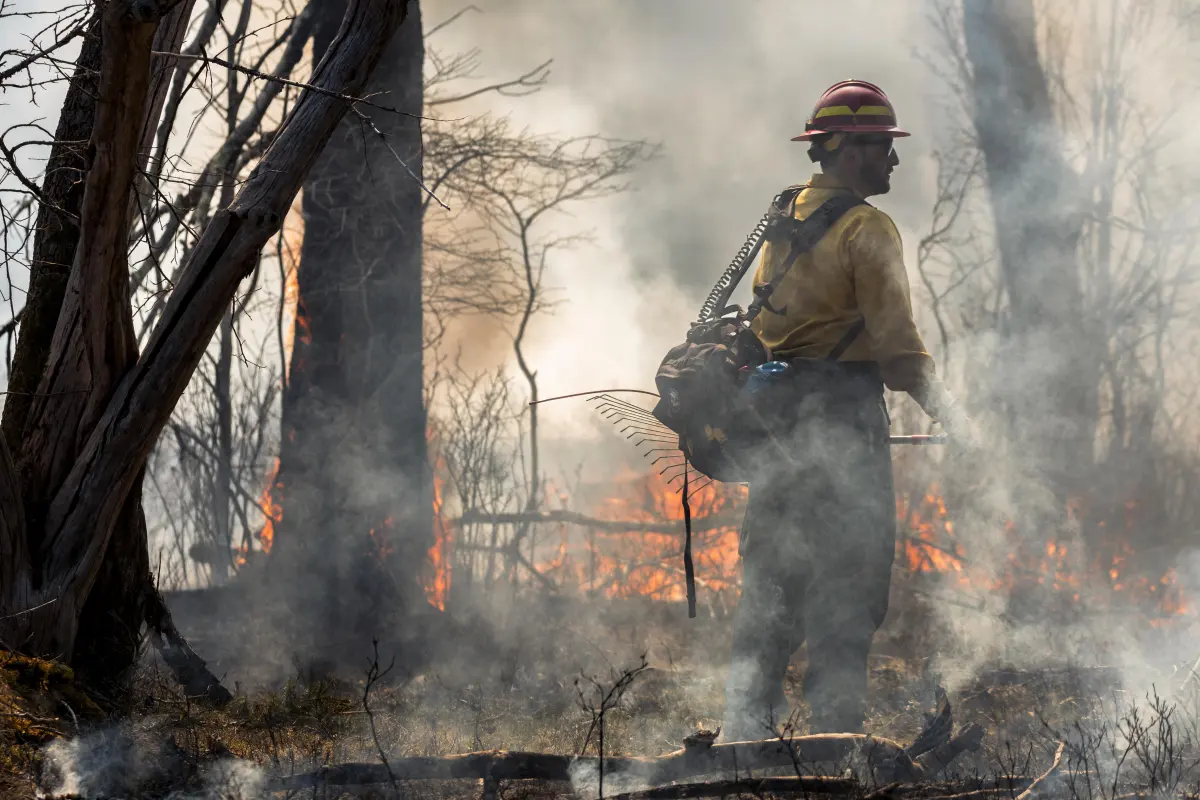
A photo essay is a collection of images that tells a story through a sequence, rather than a single frame. A successful essay typically includes a "lead" image that grabs attention, a series of "detail" shots that provide context, and a "closer" that offers a final emotional or narrative resolution. The goal is to provide a comprehensive look at a subject that a single photo cannot convey.
To create a cohesive visual story, consider the following elements:
- Range: Mix wide-angle shots for context with tight close-ups for emotional intimacy.
- Pacing: Ensure the sequence of images creates a natural flow that guides the viewer through the narrative.
- Consistency: Maintain a unified visual style, such as consistent color grading or black-and-white treatment, to keep the viewer focused on the story.
- Research: Understand the background of your subject before you start shooting to anticipate key moments and identify the most important people involved.
Common mistakes when shooting news events
Even experienced photographers can struggle with the pressure of live news environments. One common error is focusing too much on the "main" action while ignoring the peripheral details that provide essential background information. Another frequent mistake is failing to capture the human element; a photo of a disaster is often less impactful than a photo of a person reacting to that disaster.
Beginners often fall into the trap of over-shooting, which leads to difficulty in selecting the best images during the editing process. It is better to wait for the right moment than to fire hundreds of shots in hopes that one will be usable. Furthermore, photographers must avoid becoming a distraction to the event they are covering. Being an effective photojournalist requires the ability to blend into the background, allowing the story to unfold naturally without the presence of the camera dictating the behavior of those being documented.
Key facts
- Photojournalism is the practice of telling a news story primarily through photographs rather than written text.
- The Golden Age of photojournalism occurred between the 1930s and 1950s, driven by magazines like Life and Picture Post.
- Ethical standards require that images remain unmanipulated to preserve the objective truth of the event.
- Henri Cartier-Bresson coined the term "the decisive moment," referring to capturing a fleeting event at its peak visual impact.
- Modern photojournalists must balance technical camera skills with the ability to gain the trust of their subjects quickly.
- To avoid legal trouble, always obtain a signed model release if you intend to use identifiable photos for commercial purposes.
The bottom line
Photojournalism serves as the visual record of history, bridging the gap between complex global events and human experience. By adhering to strict ethical standards and focusing on narrative truth, photojournalists provide context that words alone cannot convey. Whether documenting conflict or community life, the practice remains an essential tool for public awareness, requiring both technical proficiency and a deep, empathetic understanding of the human condition.
People also ask
What is the difference between photography and photojournalism?
While photography is a broad artistic medium, photojournalism is strictly bound by journalistic ethics and a commitment to documenting reality. It prioritizes the narrative of a news event over aesthetic perfection or personal expression.
Do photojournalists use flash?
They avoid flash whenever possible to remain unobtrusive and avoid disrupting the natural flow of an event. When lighting is too low, they rely on high-ISO settings and fast lenses to capture images without drawing attention to themselves.
How do I start a career in photojournalism?
Begin by covering local community events, town hall meetings, or protests to build a portfolio. Networking with local newspaper editors and pitching specific, well-researched story ideas is the most effective way to secure freelance assignments.
What is a common mistake for beginners?
A frequent error is focusing too much on gear rather than the story. Beginners often miss the emotional core of a scene because they are distracted by camera settings or trying to capture "pretty" shots instead of meaningful ones.
Is it okay to crop photos?
Minor cropping for composition is generally acceptable in news photography. However, removing, adding, or significantly altering elements within the frame violates the fundamental code of journalistic integrity and can end a career.
How do you capture a good candid photo?
The key is to blend into the environment and wait for the subject to forget you are there. By anticipating action and keeping your camera ready, you can document authentic human reactions before the subject poses.
This answer was created with the help of AI research tools and reference sources. Spotted an error? Let us know — we correct mistakes quickly. See our editorial policy.