What is a Japanese tattoo?
Short answer
Japanese tattooing, or irezumi, is a traditional art form characterized by large-scale, intricate designs covering significant portions of the body. It utilizes specific motifs from folklore, nature, and mythology, often applied using the tebori hand-poking technique. Historically associated with social status and protection, it remains a globally respected, highly disciplined aesthetic practice.
On this page
What is the history of Japanese tattoos?
The practice of tattooing in Japan, known as irezumi, dates back thousands of years, with early evidence found in clay figurines from the Jomon period. By the Edo period (1603–1867), tattooing evolved into a sophisticated art form influenced by woodblock prints, or ukiyo-e. Artists began depicting legendary heroes, deities, and animals on the skin, often as a mark of devotion or status among commoners and laborers.
During the Meiji era, the government banned tattooing to improve Japan’s international image, pushing the practice underground. Despite this, the tradition survived through secret societies and dedicated artisans who passed down techniques through rigid apprenticeships. Today, irezumi is recognized globally as a fine art, though it still carries complex cultural connotations within Japan, where it is frequently associated with the yakuza criminal underworld.
What are the traditional Japanese tattoo motifs?
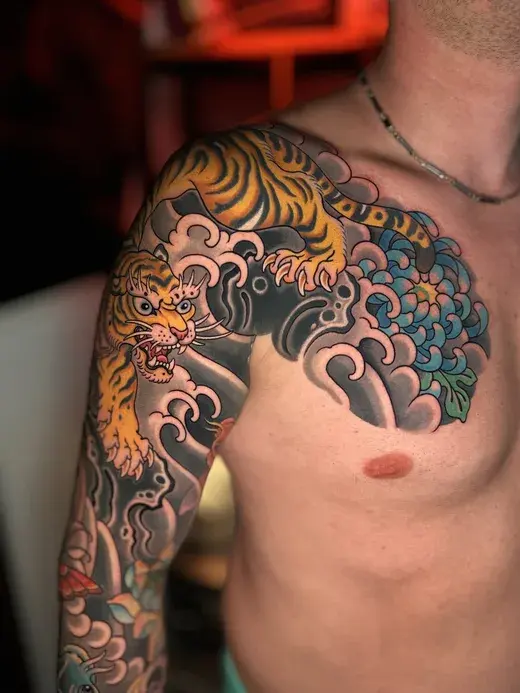
Japanese tattoos rely on a symbolic language where every element serves a specific purpose. These designs often feature a central figure surrounded by background elements like wind bars, clouds, or waves to create a cohesive flow across the body. Common motifs include:
- Dragons: Symbols of wisdom, strength, and protection.
- Koi fish: Representing perseverance, courage, and the ability to overcome adversity.
- Tigers: Embodying power, bravery, and the warding off of evil spirits.
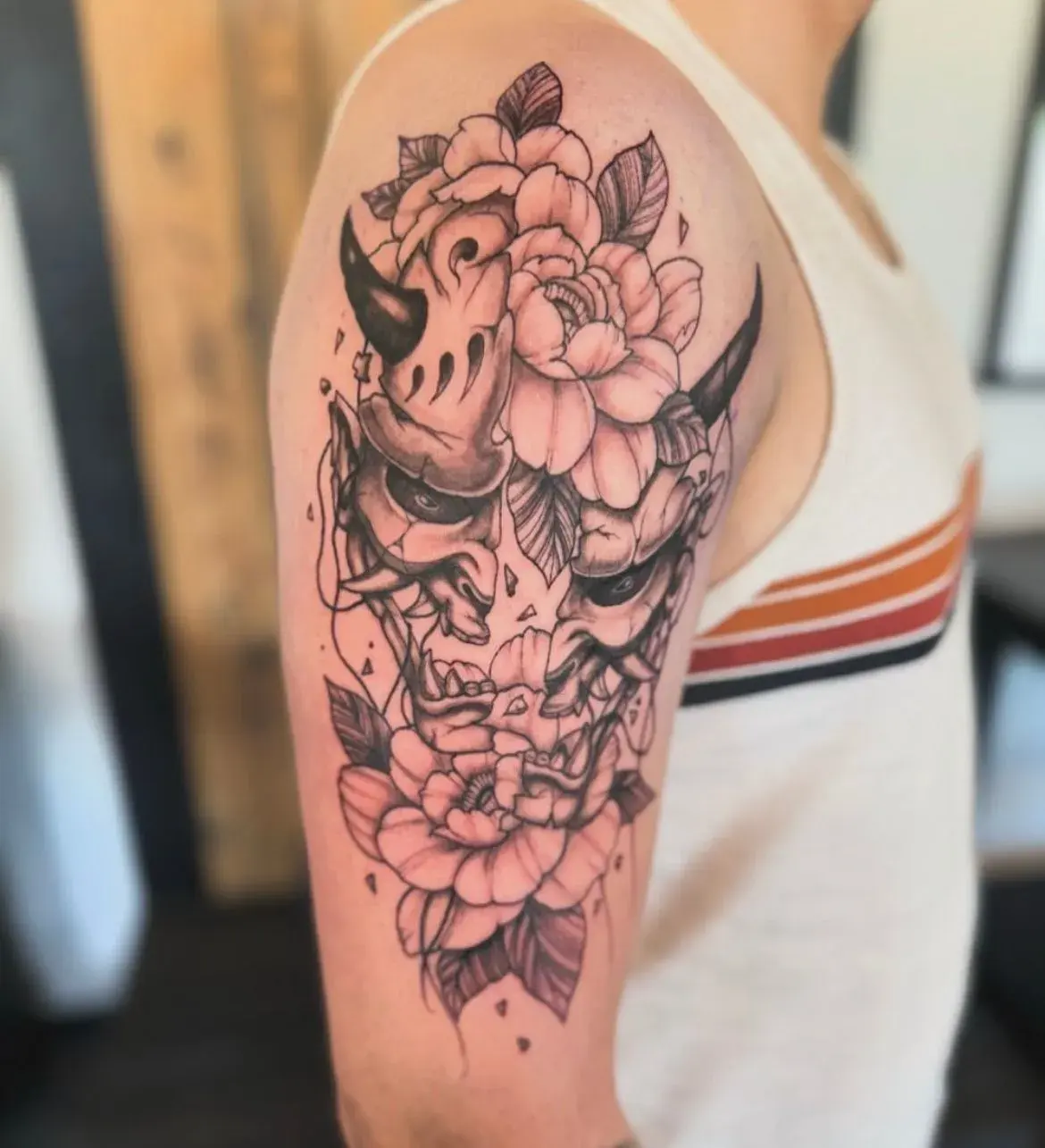
- Hannya masks: Depicting jealous female demons, often used to represent complex human emotions.
- Cherry blossoms: Signifying the transient nature of life and beauty.
These motifs are rarely chosen at random; they are intentionally paired to tell a narrative or represent the wearer's personal values. A skilled artist ensures that the placement of these figures respects the anatomy of the body, allowing the tattoo to move naturally with the wearer’s muscles.
How is a Japanese tattoo applied?
The most authentic method of applying irezumi is tebori, a manual hand-poking technique. In this process, the artist uses a long tool—typically made of bamboo or metal—tipped with a cluster of needles to push ink into the skin. This method is significantly slower than modern machine tattooing, often requiring years for an artist to master the correct depth and rhythm.
- The artist prepares the design using traditional ink, which often has a distinct bluish-black hue.
- The skin is stretched taut to ensure the needle enters at the precise angle.
- The artist rhythmically taps the tool into the skin, creating a dense, saturated look that is difficult to replicate with electric machines.
- The process is repeated over many sessions, as large-scale pieces can take hundreds of hours to complete.
While many modern artists now use electric machines for efficiency, purists argue that tebori creates a softer, more organic aesthetic that ages better on the skin.
How to choose a Japanese tattoo artist?
Selecting the right artist is the most critical step in obtaining a high-quality piece, as traditional Japanese tattoos require a deep understanding of historical composition. You should look for an artist who specializes in horimono—the art of large-scale body suits—rather than someone who only does small, disconnected designs. Review their portfolio specifically for their ability to execute background work, which is the hallmark of a true master.
- Research the artist’s lineage and training background to ensure they understand the cultural nuances.
- Attend tattoo conventions or visit studios to see their healed work in person, as fresh tattoos often look different from those that have settled.
- Schedule a consultation to discuss your vision and ensure the artist is willing to collaborate on a design that respects traditional rules.
- Avoid artists who rush the process or refuse to explain the symbolism behind the motifs they suggest for your specific body placement.
Common mistakes when getting a Japanese tattoo?
One of the most frequent errors is failing to commit to the scale of the design. Traditional Japanese tattoos are designed to cover large areas like the back, chest, or full limbs; trying to shrink these designs into small patches often results in a loss of detail and poor readability. Additionally, many beginners ignore the importance of the background, which is essential for tying the central figures together and providing a sense of depth.
Another common mistake is neglecting the aftercare process, which is vital for maintaining the vibrancy of the ink. Because these tattoos are so extensive, they require meticulous cleaning and moisturizing to prevent scarring or loss of pigment. Finally, do not choose motifs based solely on aesthetics without researching their meanings. For instance, pairing certain flowers with specific animals may contradict traditional folklore, leading to a design that lacks internal logic. Patience is the ultimate requirement for this art form, as rushing a session or a full suit will inevitably compromise the final artistic result.
Key facts
- Traditional Japanese tattoos are known as irezumi, a term that historically referred to criminal punishment but evolved into a sophisticated art form.
- The style is characterized by large-scale designs, often covering the back, arms, and legs, known as tebori when applied by hand.
- Common motifs include dragons, koi fish, tigers, cherry blossoms, and mythological figures like the hannya mask.
- Composition relies on gakubori, which refers to the background elements like wind bars, water waves, or clouds that connect the primary subjects.
- Many practitioners follow the horishi tradition, where an apprentice trains for years under a master to learn the specific aesthetic and technical requirements.
- Modern enthusiasts should avoid "cultural appropriation" concerns by researching the symbolic meanings of motifs, as many carry specific folklore or spiritual significance.
The bottom line
Japanese tattooing is a profound art form rooted in centuries of folklore, symbolism, and meticulous craftsmanship. Whether opting for traditional hand-poked techniques or modern machine application, the style emphasizes large-scale storytelling through intricate motifs and fluid background compositions. By respecting the cultural history and symbolic weight of these designs, enthusiasts can appreciate the enduring beauty and discipline that define this iconic aesthetic tradition today.
People also ask
Is it offensive to get a Japanese tattoo if I am not Japanese?
Generally, it is not considered offensive, provided you approach the art form with respect and cultural awareness. Many Japanese tattoo artists welcome international clients who appreciate the historical significance and craftsmanship of the style.
What is the difference between tebori and machine tattooing?
Tebori is the traditional method of tattooing using hand-held bamboo or metal tools, which often results in a softer, more saturated look. Machine tattooing is the modern standard, offering faster application and more precise lines, though it lacks the historical ritual of hand-poking.
Why are Japanese tattoos often so large?
Traditional irezumi is designed to flow with the anatomy of the body, often covering large areas like the back or full limbs to create a cohesive mural. This scale allows for the inclusion of complex backgrounds that tell a complete narrative story.
Do the symbols in Japanese tattoos have specific meanings?
Yes, most motifs are deeply symbolic; for example, a koi fish often represents perseverance and strength, while a dragon symbolizes wisdom and protection. Understanding these meanings is essential to ensuring your tattoo aligns with your personal values.
How long does a full-body Japanese tattoo take to complete?
A full-body suit, or horimono, can take several years to complete, requiring dozens of sessions. Most artists work in stages, focusing on the outline first before moving to the shading and coloring phases.
Are there places in Japan where tattoos are still prohibited?
Yes, many public bathhouses, gyms, and hot springs in Japan restrict access for people with visible tattoos due to their historical association with the yakuza. It is common practice to cover tattoos with bandages or clothing when visiting these public facilities.
This answer was created with the help of AI research tools and reference sources. Spotted an error? Let us know — we correct mistakes quickly. See our editorial policy.