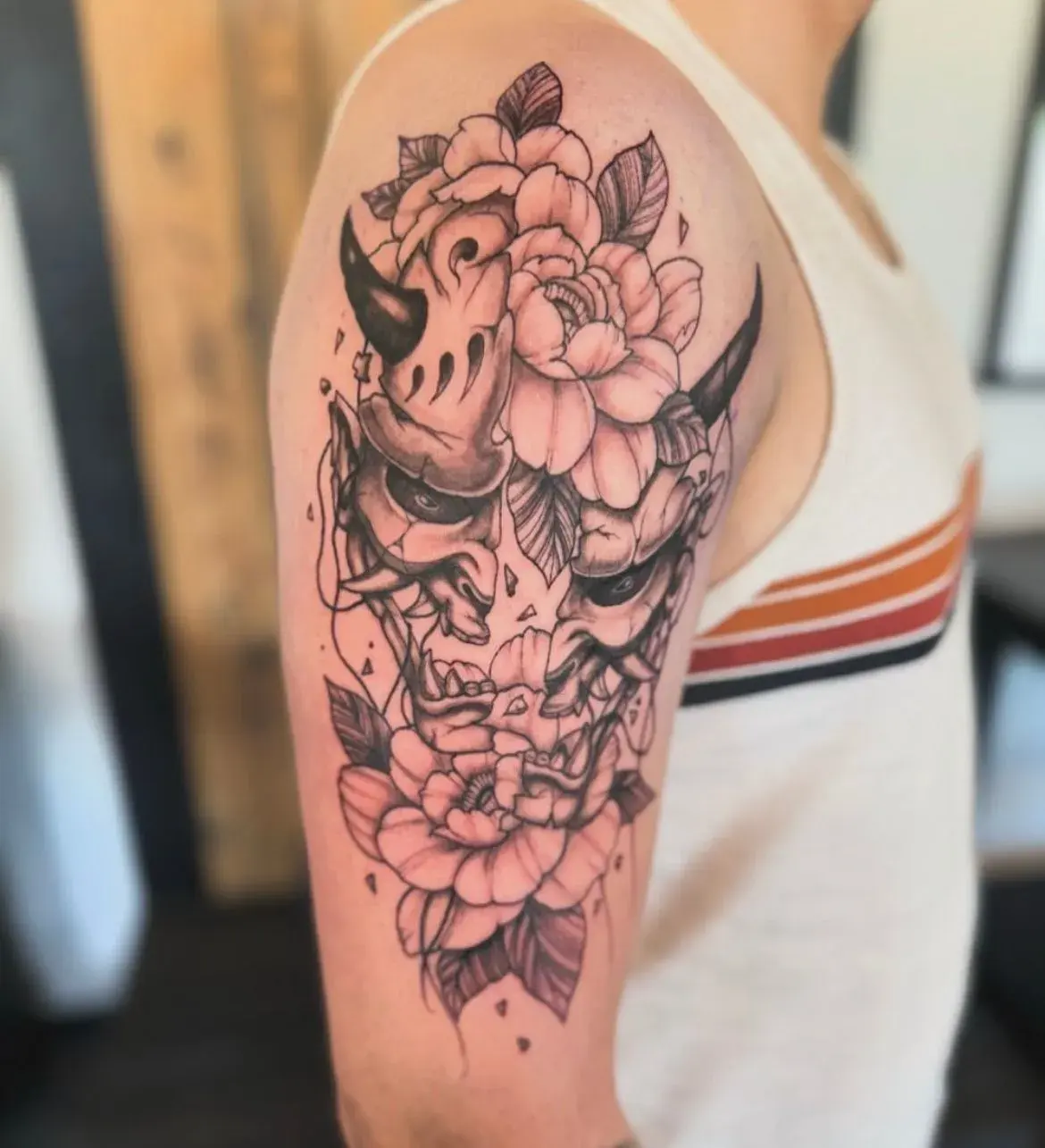
What is a blackwork tattoo?
Short answer
Blackwork is a tattoo style characterized by the exclusive use of black ink to create bold, graphic designs. It encompasses various techniques, including solid black fills, intricate geometric patterns, tribal motifs, and heavy linework. This aesthetic prioritizes high contrast, negative space, and architectural composition over color, shading, or realistic portraiture.
On this page
What defines the blackwork tattoo style
Blackwork is a broad category of tattooing that relies entirely on black pigment to define form and structure. Unlike traditional styles that utilize a full spectrum of color or complex gray-wash shading, blackwork focuses on the raw power of solid ink. Artists often use heavy lines and dense saturation to create striking visual impacts that stand out sharply against the skin.
This style has roots in ancient cultural practices, such as Polynesian and tribal tattooing, which utilized geometric patterns to signify status or heritage. Modern blackwork has evolved to include contemporary sub-genres like neotribal, ornamental, and blackout tattooing. In these variations, the artist treats the body as a canvas for abstract shapes, often covering large areas of skin to create a bold, monochromatic aesthetic that emphasizes the natural contours of the wearer's anatomy.
How to prepare for a blackwork session
Preparation for a blackwork tattoo is critical because the style often involves large areas of solid saturation. Because these pieces can be physically demanding on the skin, you must arrive in optimal health to ensure the best possible healing process. Proper hydration and skin care are the most effective ways to help your artist achieve a smooth, consistent finish.
- Moisturize the target area daily with unscented lotion for at least two weeks before your appointment.
- Avoid direct sun exposure on the area to prevent sunburn, which makes tattooing difficult or impossible.
- Eat a substantial meal at least two hours before the session to maintain your blood sugar levels.
- Wear loose, comfortable clothing that allows the artist easy access to the skin without rubbing against the fresh tattoo.
- Get a full night of sleep to help your body manage the stress of the tattooing process.
Why blackwork tattoos require specific healing
Healing a blackwork tattoo is often more intensive than healing smaller, fine-line pieces due to the high volume of ink deposited into the dermis. Because large areas of skin have been traumatized to achieve solid black coverage, the body requires significant energy to repair the tissue. You should expect the healing process to take between three to six weeks depending on the size and placement of the design.
During the first few days, the tattoo may weep excess ink and plasma, which is a normal part of the healing cycle. It is essential to keep the area clean and protected from bacteria while avoiding tight clothing that might trap moisture. Proper aftercare prevents complications such as scabbing or ink fallout, which can lead to patchy areas that require expensive touch-ups later. Follow these steps to ensure a clean recovery:
- Wash the tattoo gently with lukewarm water and fragrance-free antibacterial soap twice daily.
- Apply a very thin layer of tattoo-specific ointment or unscented lotion to keep the skin supple.
- Avoid submerging the tattoo in pools, baths, or the ocean until it is fully healed.
- Refrain from scratching or picking at any scabs that form, as this can remove pigment.
Common mistakes when getting blackwork tattoos
The most frequent error individuals make when seeking blackwork is failing to research an artist who specializes in heavy black saturation. Not all tattooists possess the technical skill to pack black ink evenly without causing scarring or "blowouts," where ink spreads beneath the skin. Always review an artist’s portfolio for healed examples of their work, as fresh tattoos often look different than those that have settled over time.
Another common mistake is underestimating the pain and duration of large-scale blackwork. Because the needles must pass over the same area multiple times to achieve total opacity, the process can be significantly more uncomfortable than other styles. Rushing the process by trying to complete a large piece in one sitting often leads to skin trauma and poor healing outcomes. It is better to break the work into multiple shorter sessions, allowing the skin to rest and recover between each appointment.
How to maintain blackwork tattoos over time
Blackwork tattoos are susceptible to fading if they are not protected from environmental factors, particularly ultraviolet radiation. Over time, sun exposure breaks down the pigment particles, causing deep black ink to take on a bluish or grayish tint. To preserve the intensity of your tattoo, you must prioritize long-term skin maintenance and protection against the elements.
- Apply a high-SPF, broad-spectrum sunscreen to your tattoo whenever it is exposed to sunlight.
- Keep your skin hydrated by drinking plenty of water and using high-quality body lotions regularly.
- Avoid harsh chemical exfoliants on the tattooed area, as these can dull the appearance of the ink.
- Schedule periodic touch-up sessions with your artist if you notice the black saturation beginning to thin or fade unevenly.
By treating your tattoo as a permanent investment, you ensure that the bold lines and solid black fields remain sharp and vibrant for many years. Regular attention to skin health is the single most effective way to keep your blackwork looking as crisp as the day it was finished.
Key facts
- Blackwork tattoos use exclusively black ink, omitting color to focus on contrast, shape, and bold lines.
- The style encompasses diverse techniques including tribal patterns, geometric designs, dotwork, and heavy blackouts.
- Artists often use a "whip shading" technique to create gradients by flicking the needle in and out of the skin.
- Blackwork is highly durable because black pigment is more resistant to fading and sun damage than colored inks.
- The style originated from ancient tribal tattooing traditions, such as those practiced by Polynesian and Maori cultures.
- Modern blackwork artists often specialize in "blackout" tattoos, which involve covering large sections of skin entirely in solid black ink.
The bottom line
Blackwork is a versatile tattooing style defined by its exclusive use of black ink to create bold, high-contrast designs. Whether you choose intricate geometric patterns, dotwork, or full blackout coverage, the style emphasizes form and longevity. Because black ink is highly durable and effective at masking previous tattoos, it remains a popular choice for those seeking striking, timeless body art that withstands the test of time.
People also ask
Does blackwork hurt more than color tattooing?
Generally, the pain level is similar, but blackwork often requires more passes over the same area to achieve solid saturation. This can lead to increased skin irritation compared to lighter, single-pass color work.
How long does a large blackwork piece take to heal?
Most blackwork tattoos take two to four weeks to heal on the surface, though deeper skin layers may take longer. Proper aftercare, such as keeping the area clean and moisturized, is essential to prevent scabbing and ink loss.
Can blackwork tattoos be removed by laser?
Black ink is the easiest color to remove with laser treatments because it absorbs all laser wavelengths effectively. However, large blackout tattoos are significantly more difficult and expensive to remove due to the massive volume of pigment.
What is the difference between blackwork and black-and-grey?
Black-and-grey tattooing uses black ink diluted with water to create shades of grey for realism and portraits. Blackwork relies on high-contrast solid black shapes and patterns rather than soft, realistic shading.
Will a blackwork tattoo fade over time?
While black ink is very stable, it can lose some intensity over many years due to sun exposure and natural skin cell turnover. Using high-quality sunscreen on the tattoo will help maintain its sharpness and deep black color.
Can I cover up an old tattoo with blackwork?
Blackwork is one of the most effective methods for covering up unwanted tattoos because the dense pigment easily hides previous designs. Artists often use intricate patterns or solid black shapes to integrate the old tattoo into a new, cohesive piece.
This answer was created with the help of AI research tools and reference sources. Spotted an error? Let us know — we correct mistakes quickly. See our editorial policy.