What is a fine line tattoo?
Short answer
A fine line tattoo is a style characterized by thin, delicate, and precise lines that create elegant, minimalist designs. Unlike traditional tattoos that rely on bold outlines and heavy shading, fine line work uses single-needle or small-grouping needles to achieve a refined, jewelry-like appearance that often resembles a delicate pen-and-ink drawing on skin.
On this page
What defines a fine line tattoo?
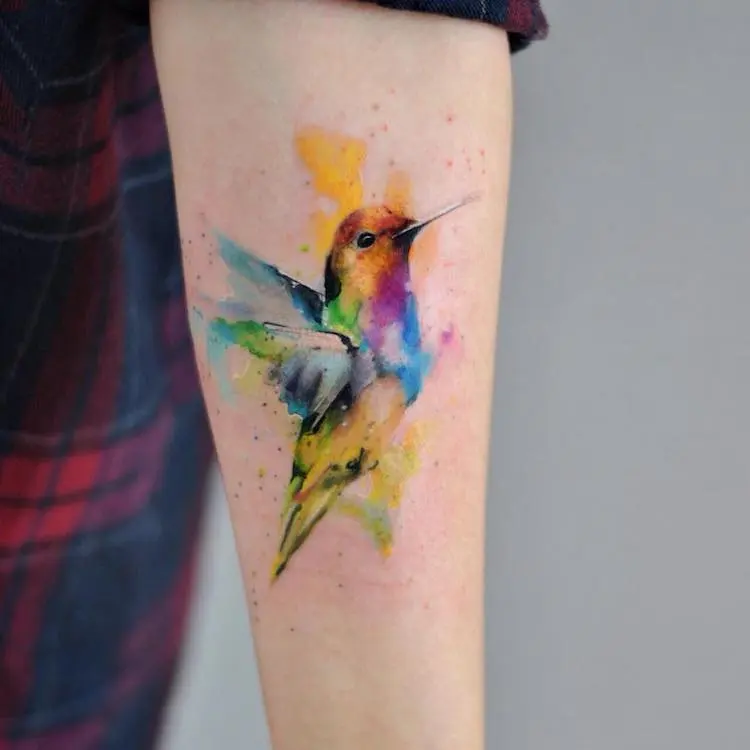
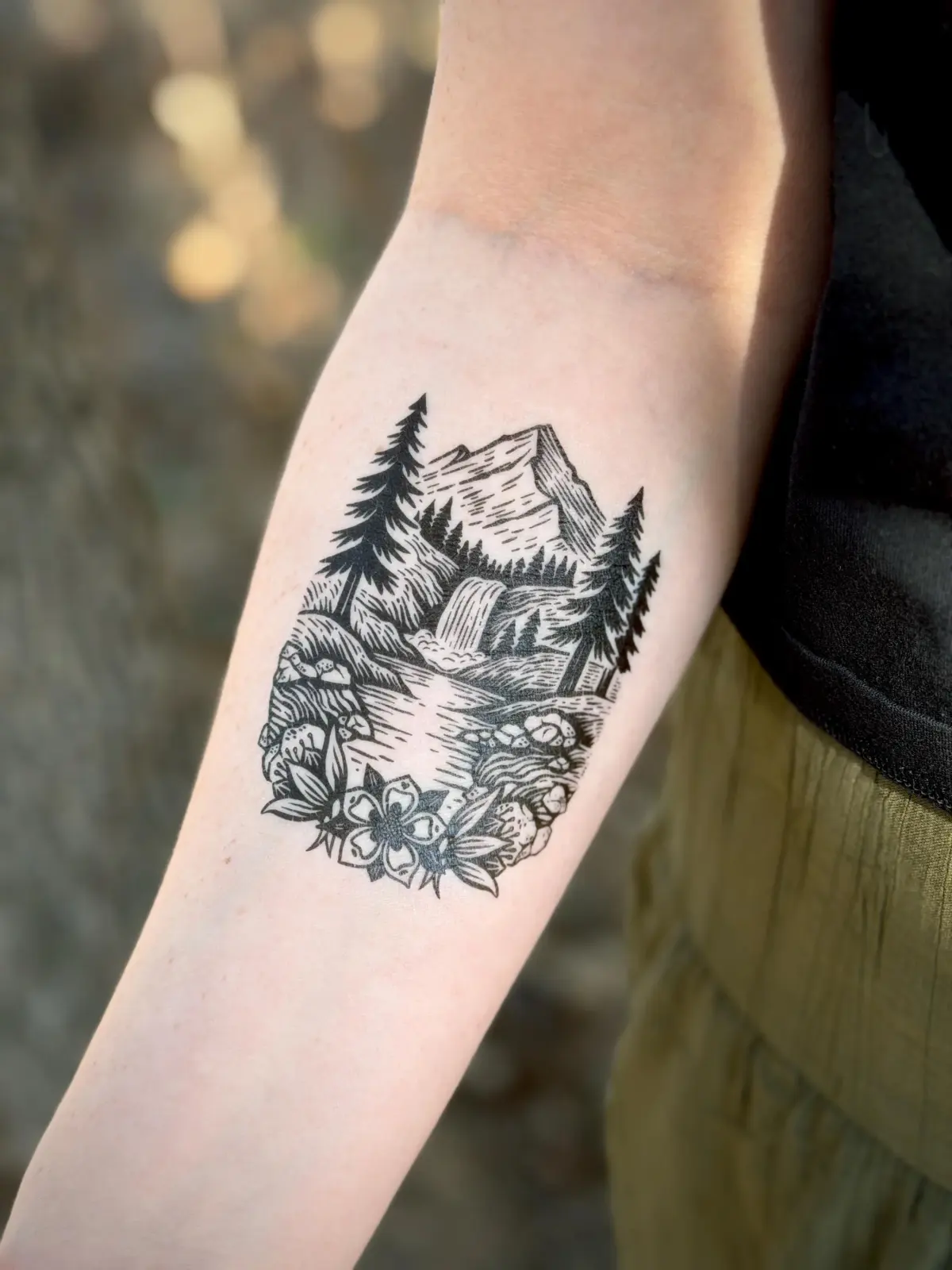
Fine line tattooing is a technical discipline that prioritizes subtlety and detail over the bold, saturated aesthetic of traditional American tattoos. Artists utilize specialized equipment, typically single-needle configurations or very small needle groupings, to deposit ink with minimal trauma to the skin. This approach allows for intricate linework, micro-realism, and soft geometric patterns that would be impossible to execute with standard, thicker needles. Because the lines are so thin, the aesthetic often feels more akin to fine art illustrations or technical sketches than classic body art.
The visual impact of this style depends heavily on the artist's ability to maintain a consistent depth and speed. If the needle goes too deep, the ink can spread or "blow out" under the skin, ruining the delicate look. If it is too shallow, the tattoo may fade prematurely. Consequently, the style demands a steady hand and a deep understanding of skin tension. It is a popular choice for those seeking understated, sophisticated, or highly personalized designs that fit easily into small, visible areas of the body.
How long does it take to heal?
The healing process for fine line tattoos is generally similar to that of other styles, typically taking two to four weeks for the surface skin to fully recover. However, because these tattoos involve less overall trauma to the skin compared to heavy shading or color-packing, many clients report less inflammation and discomfort during the first few days. Proper aftercare is essential to ensure the thin lines remain crisp and do not blur or fade during the critical initial phase.
- Keep the initial bandage on for the duration recommended by your artist, usually two to four hours.
- Gently wash the area with fragrance-free, antibacterial soap and lukewarm water, patting it dry with a clean paper towel.
- Apply a very thin layer of unscented moisturizer or a specialized tattoo aftercare balm, ensuring the skin can still breathe.
- Avoid submerging the tattoo in water, such as in baths, pools, or the ocean, for at least two weeks.
- Protect the area from direct sunlight, as UV rays are the primary cause of premature fading in fine line work.
Best tattoo placement for beginners
Choosing the right placement is crucial for the longevity and aesthetic success of a fine line tattoo. Because these designs are delicate, they are susceptible to "spreading" or blurring if placed in areas with high friction or significant skin movement. Beginners should prioritize areas where the skin remains relatively stable and is not subject to constant stretching. These locations help maintain the integrity of the thin lines over time, ensuring the design remains sharp and legible for years to come.
- Inner forearm: Provides a flat surface that is easy to care for and protects the design from excessive sun exposure.
- Upper back or shoulder blade: Offers a stable canvas with minimal movement, perfect for intricate, larger-scale fine line compositions.
- Ankle or wrist: Excellent for smaller, minimalist designs, though these areas require extra care during the healing process due to clothing friction.
- Ribcage: A popular choice for script or floral fine line work, though it may be more sensitive during the initial tattooing session.
- Behind the ear: Ideal for tiny, discreet symbols or micro-fine line details that require very little surface area.
Why fine line tattoos fade faster
Fine line tattoos are inherently more delicate than traditional styles, which means they are more sensitive to the natural aging process of the skin. As the body naturally exfoliates its outer layer of skin over time, the pigment in very thin lines can appear to lighten or lose its original sharpness. Additionally, because there is less ink density in a fine line compared to a bold black outline, there is simply less pigment available to remain visible as the skin undergoes its natural turnover cycle.
Sun exposure is the most significant factor accelerating the fading of these tattoos. Ultraviolet radiation breaks down ink particles, causing them to migrate or lose their vibrancy. For fine line work, even minor blurring can be noticeable, whereas, in a bold tattoo, such changes might be invisible. To maximize the lifespan of your design, you must commit to a strict regimen of sun protection, including the daily application of high-SPF sunscreen, even when the tattoo is fully healed and appears to have settled into the skin.
Common mistakes when getting fine line tattoos
One of the most frequent errors clients make is choosing an artist who lacks specific experience in this technical style. Fine line tattooing is unforgiving; an inexperienced artist may struggle with line consistency, leading to "patchy" or uneven results. Before booking, you should review an artist’s portfolio specifically for healed fine line work, not just fresh photos. Fresh tattoos often look perfect, but seeing how the lines have aged after six months or a year provides a much more accurate representation of the artist's true skill level and technique.
Another common mistake is neglecting the aftercare instructions, specifically by over-moisturizing the area. Using too much ointment can clog pores and lead to breakouts or even pull ink out of the skin during the healing phase. Always stick to the "less is more" rule when applying aftercare products. Additionally, failing to account for the size of the design is a common oversight. Extremely intricate designs that are too small may blur together as the ink settles over time. Always consult with your artist about the appropriate scale to ensure your design remains legible for the long term.
Key facts
- Fine line tattoos are created using a single-needle or small-grouping needle configuration to achieve delicate, thin, and precise lines.
- These designs often resemble technical illustrations, calligraphy, or pencil sketches rather than traditional bold, saturated traditional tattoos.
- The technique requires extreme precision, as the lack of thick outlines makes any jitter or depth inconsistency highly visible.
- Fine line tattoos are particularly susceptible to fading or "blurring" over time if the ink is placed too shallow or too deep in the skin.
- Artists specializing in this style often work at a slower pace to ensure the needle enters the dermis at the perfect angle.
- Clients should avoid heavy sun exposure and aggressive exfoliation, as these factors cause the fine details to lose clarity faster than bold tattoos.
The bottom line
Fine line tattooing is a sophisticated, minimalist art form that emphasizes precision and subtle detail over bold saturation. While these tattoos offer a refined, elegant aesthetic, they require a highly skilled artist and diligent long-term care to maintain their clarity. By choosing an experienced specialist and protecting your skin from the sun, you can ensure your delicate design remains crisp and beautiful for many years to come.
People also ask
Do fine line tattoos hurt more than traditional tattoos?
Generally, the pain level is similar to other styles, but the prolonged focus required for intricate detail can make the session feel more intense. Because artists often use smaller needle groupings, the sensation is sometimes described as more of a sharp scratching feeling rather than a dull vibration.
How long do fine line tattoos typically last before needing a touch-up?
While they can last a lifetime, fine line tattoos may appear to soften or lose crispness after 3 to 5 years. Many people opt for a touch-up session after a few years to redefine the lines and restore the original sharpness of the design.
Can any tattoo artist perform fine line work?
Not every artist is suited for this style, as it requires a specific set of technical skills and specialized equipment. It is essential to review an artist’s portfolio specifically for healed fine line work to ensure they have the necessary steady hand and experience.
What is the best placement for a fine line tattoo?
Areas with minimal sun exposure and less skin stretching, such as the inner forearm, ribs, or upper back, are ideal. High-friction areas like the fingers, feet, or elbows often cause fine lines to fade or spread much faster due to constant skin regeneration.
Why do some fine line tattoos turn green or blue over time?
This usually happens because of ink migration or the use of improper pigment quality. If the ink is deposited too deeply into the dermis, the body’s macrophages may break down the particles, causing the lines to appear blurred or discolored as they age.
Should I use a specific type of aftercare for fine line tattoos?
The aftercare is largely the same as any other tattoo, focusing on keeping the area clean and moisturized with fragrance-free lotion. However, because the lines are so thin, it is even more critical to avoid picking at scabs, as even minor trauma can cause gaps in the delicate line work.
This answer was created with the help of AI research tools and reference sources. Spotted an error? Let us know — we correct mistakes quickly. See our editorial policy.