What is a watercolor tattoo?
Short answer
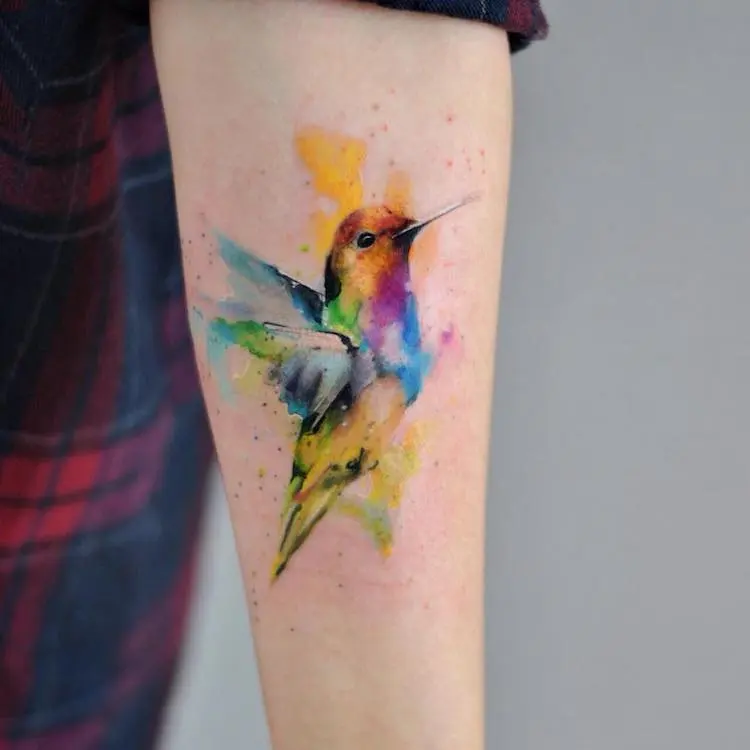
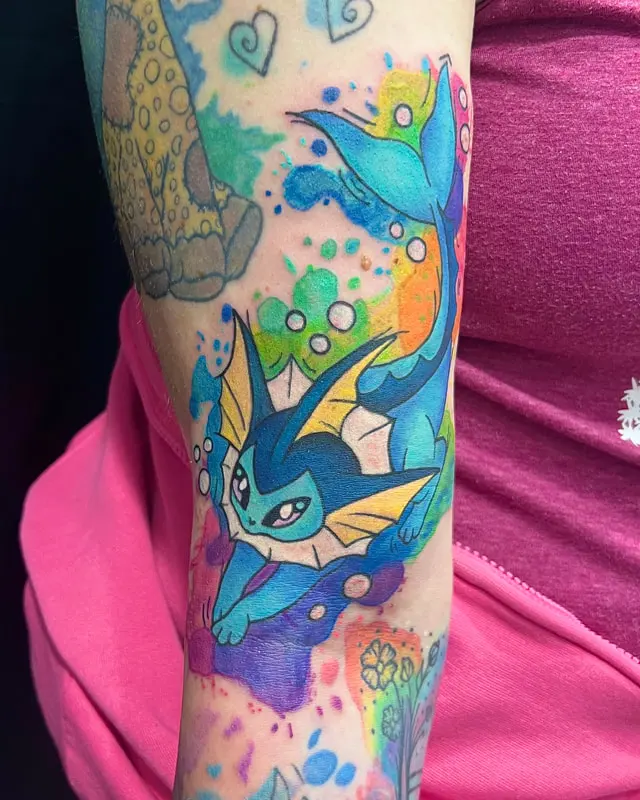
A watercolor tattoo is a style of body art that mimics the fluid, translucent aesthetic of traditional watercolor paintings. Artists use soft color gradients, intentional paint splashes, and blurred edges to create a dreamlike, painterly effect. Unlike traditional tattoos, these designs often lack bold black outlines, relying instead on color saturation and contrast.
On this page
How do watercolor tattoos work?
Watercolor tattoos rely on specific tattooing techniques to replicate the look of pigments on paper. Rather than using solid, saturated blocks of color, artists layer thin, diluted inks to create transparency. They often employ "whip shading," a technique where the needle moves quickly to create a gradient that fades from dark to light. This mimics the way water spreads pigment across a canvas.
To achieve the signature "splash" effect, artists use irregular, splatter-like patterns that appear to have been flicked onto the skin. These elements are often combined with fine-line sketches or geometric shapes to provide structure. Because the style lacks heavy black outlines, the artist must be highly skilled in color theory to ensure the design remains legible and visually distinct over time.
How long do watercolor tattoos last?
Watercolor tattoos are notorious for fading faster than traditional, bold-lined tattoos. Because the style depends on soft, light-toned pigments and thin layers of ink, the body’s natural exfoliation process and sun exposure affect them more significantly. While a traditional tattoo might stay sharp for decades, a watercolor piece often requires touch-ups every three to five years to maintain its vibrancy.
Several factors influence the longevity of these designs:
- Sun exposure: Ultraviolet rays break down ink particles, causing light colors to fade rapidly.
- Skin tone: The contrast between the skin and the ink determines how well the colors stand out.
- Ink quality: High-quality pigments are more resistant to degradation.
- Placement: Areas that experience high friction or movement, such as hands or feet, will lose detail much faster than the back or upper arms.
Best body placement for watercolor tattoos
Choosing the right location is critical for the long-term appearance of a watercolor tattoo. Large, flat areas of the body provide the best canvas for the fluid, sprawling nature of this style. The back, thigh, upper arm, and ribcage are ideal because they offer enough surface area to allow the "splashes" and gradients to breathe without looking cramped.
When selecting a placement, consider these practical tips:
- Opt for areas with minimal sun exposure to protect the delicate, light-toned inks.
- Avoid joints or bony areas where the skin stretches frequently, as this can distort the soft edges of the design over time.
- Ensure the area is large enough to accommodate the design without needing to wrap the imagery around curves, which can obscure the watercolor effect.
- Consult with your artist about muscle structure, as the way your skin moves can either enhance or detract from the fluid look of the piece.
Common mistakes when getting a watercolor tattoo
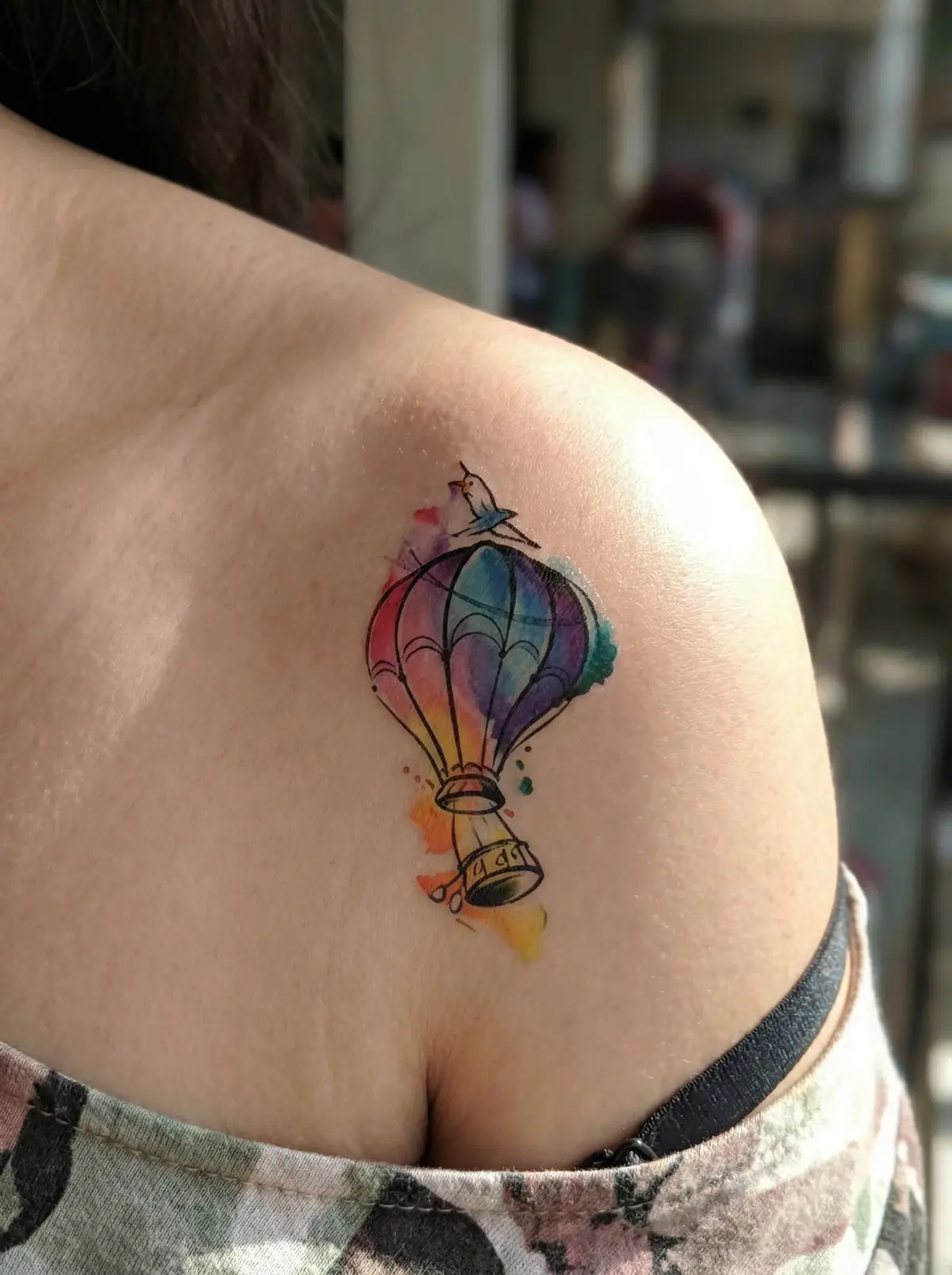
The most frequent error is choosing an artist who lacks specific experience in this style. Many artists can do traditional tattoos, but watercolor requires a deep understanding of color blending and light manipulation. A common mistake is failing to include enough contrast; without dark tones to anchor the design, a watercolor tattoo can look like a bruise or an indistinct blur after just a few years.
Another mistake involves neglecting the "healing" phase. Because these tattoos involve extensive shading, the skin can be more sensitive during the recovery process. Avoid these pitfalls:
- Choosing a design that is too small, as the fine details and gradients will lose their definition as the skin ages.
- Forgetting to use high-SPF sunscreen daily, which is the single most effective way to prevent the colors from washing out.
- Rushing the design process; watercolor tattoos require careful planning to ensure the "messy" look is intentional rather than accidental.
How to maintain a watercolor tattoo
Proper aftercare is essential to ensure the longevity of your ink. During the initial healing phase, keep the area clean and moisturized with a fragrance-free lotion. Avoid swimming, soaking in baths, or exposing the fresh tattoo to direct sunlight for at least three to four weeks. Once the tattoo is fully healed, your primary responsibility shifts to long-term protection.
To keep your tattoo looking fresh, follow these maintenance steps:
- Apply a high-SPF sunscreen every time the tattoo is exposed to sunlight, as UV damage is the primary cause of fading.
- Moisturize the skin regularly to keep the surface supple, which helps the ink appear more vibrant.
- Schedule a professional touch-up session if you notice the colors losing their intensity or the edges becoming too faint.
- Stay hydrated and maintain a healthy lifestyle, as skin health directly impacts how the ink settles and remains visible within the dermal layers.
Key facts
- Watercolor tattoos mimic the aesthetic of traditional watercolor paintings by using soft, blended color gradients and "splatter" effects.
- Unlike traditional tattoos, these designs often lack a bold black outline, relying instead on color saturation to define the shape.
- These tattoos typically require a highly skilled artist who specializes in color theory and light-to-dark shading techniques.
- Because the ink is often applied with less density than traditional tribal or neo-traditional styles, these tattoos are prone to faster fading.
- UV rays are the primary enemy of watercolor tattoos, so consistent use of high-SPF sunscreen is mandatory to preserve the vibrancy of the pigments.
- Touch-ups are more frequently required for watercolor tattoos compared to solid black-ink tattoos to maintain the crispness of the blended edges.
The bottom line
Watercolor tattoos offer a beautiful, artistic alternative to traditional ink by prioritizing fluid gradients and soft edges over rigid outlines. While they provide a unique, painterly aesthetic, they demand a higher commitment to maintenance and sun protection. By selecting an experienced specialist and following strict aftercare protocols, you can ensure your watercolor tattoo retains its delicate, vibrant appearance for many years to come.
People also ask
Do watercolor tattoos hurt more than regular tattoos?
The pain level is generally the same as any other tattoo, as it depends on the body placement rather than the style. However, because watercolor tattoos often require more layering and blending, the artist may spend more time working over the same area of skin.
How long do watercolor tattoos stay vibrant?
Without proper care, watercolor tattoos can begin to lose their definition and brightness within three to five years. Protecting the area from direct sunlight and keeping the skin hydrated can significantly extend the life of the colors.
Can any tattoo artist perform a watercolor design?
Not every artist is proficient in this style, as it requires a specific understanding of how to blend pigments to create a "wash" effect. You should always review an artist's portfolio specifically for healed watercolor work before booking an appointment.
Are watercolor tattoos more expensive?
These tattoos often cost more than traditional designs because they require specialized techniques and a higher level of artistic precision. The complexity of the color blending typically increases the time spent in the chair.
Will the colors bleed into each other over time?
All tattoos experience some level of ink migration as the skin ages, but watercolor tattoos are particularly susceptible to appearing "blurred." Choosing a high-quality artist who understands proper depth and saturation helps minimize this natural diffusion.
Can I get a cover-up using a watercolor design?
Watercolor tattoos are generally poor choices for covering up existing dark tattoos because they lack the solid black lines needed to mask old ink. They are best suited for fresh skin or as part of a larger, carefully planned composition.
This answer was created with the help of AI research tools and reference sources. Spotted an error? Let us know — we correct mistakes quickly. See our editorial policy.