What does a crown symbolize in art?
Short answer
In art, a crown serves as a potent symbol of sovereignty, divine authority, and moral triumph. It signifies the legitimacy of a ruler or the spiritual elevation of a saint. By elevating the head, the crown denotes a status set apart from the common populace, bridging the gap between earthly power and heaven.
On this page
What does a crown represent in historical art?
Historically, the crown functions as the primary visual shorthand for political legitimacy and absolute power. In ancient civilizations, such as Egypt or Persia, headgear like the pschent or the tiara indicated that a ruler held a mandate from the gods. By wearing a crown, a monarch signaled that their authority was not merely physical but divinely ordained. This symbolism remained consistent through the Middle Ages and the Renaissance, where artists were commissioned to paint portraits that reinforced the "divine right of kings."
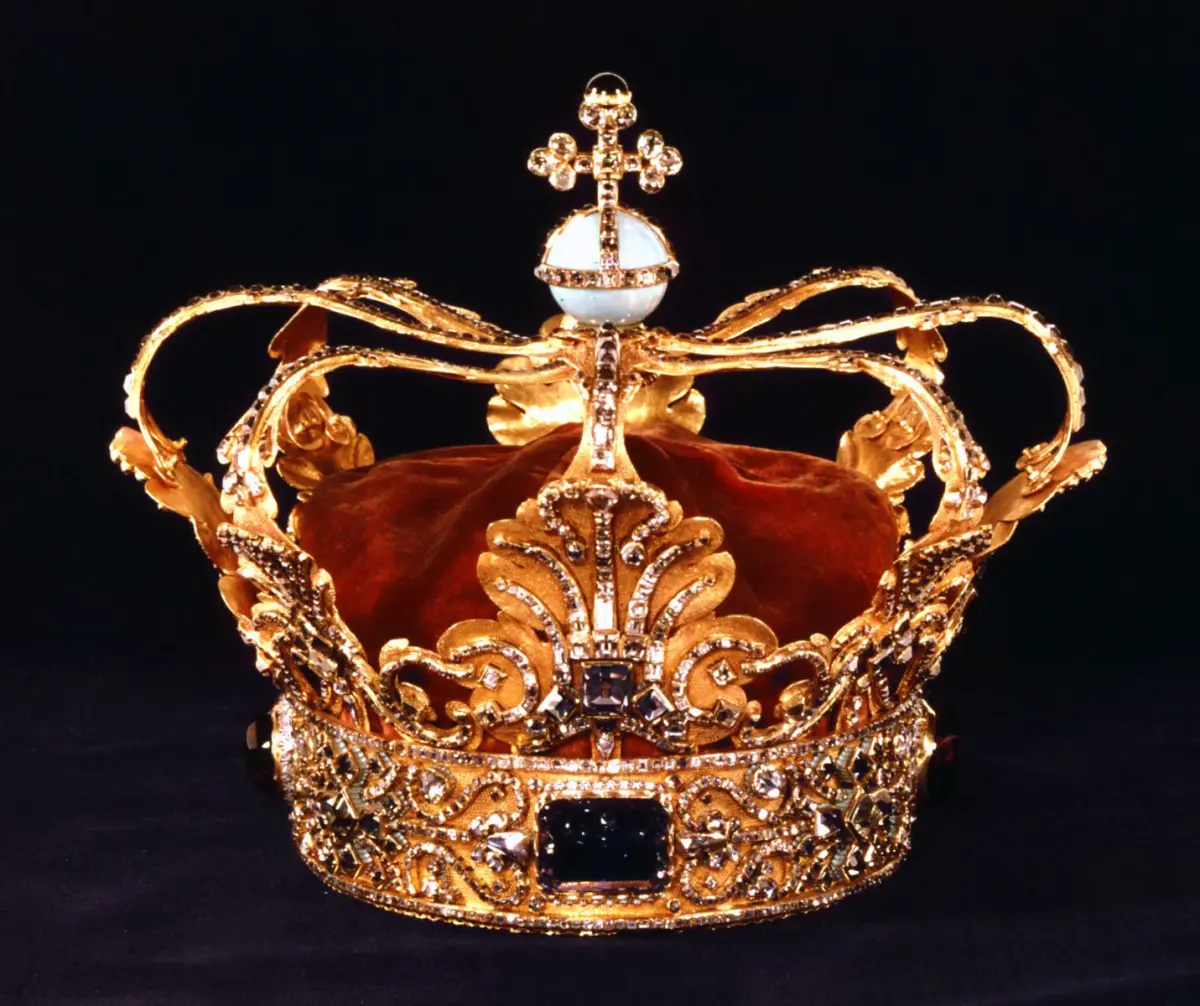
When analyzing these works, consider the specific materials depicted. Gold and precious gems were not merely decorative; they represented the wealth and stability of a kingdom. A crown placed firmly on a ruler’s head suggests a stable, unquestioned reign. Conversely, a crown held in the hand or resting on a table might imply a transition of power, a death, or a humble acknowledgement of a higher authority.
How to identify religious symbolism in crowns
In Christian iconography, the crown often shifts from a symbol of political power to one of spiritual victory. The most prominent example is the "Crown of Thorns," which represents suffering, sacrifice, and the eventual triumph of the spirit over physical death. In contrast, the "Crown of Glory" or the "Heavenly Crown" is frequently depicted atop the heads of martyrs and saints to show their reward in the afterlife.
When viewing religious paintings, look for these common variations:
- The Triple Tiara: Specifically associated with the Papacy, representing the Pope's authority over the church, the world, and the heavens.
- The Halo-Crown Hybrid: Often seen in Byzantine icons, where the crown merges with a golden nimbus to signify a ruler who is also a saint.
- The Floral Crown: Frequently worn by the Virgin Mary, symbolizing purity and the "Queen of Heaven" title.
- The Crown of Thorns: A stark, non-metallic circlet denoting humility and the endurance of pain for a greater spiritual cause.
Why artists use crowns to show status
Artists use the crown as a framing device to direct the viewer's attention to the subject's importance. By placing the crown at the highest point of the composition, the artist ensures that the viewer’s eye is drawn immediately to the head of the figure. This technique establishes a hierarchy within the painting, immediately distinguishing the protagonist from courtiers, servants, or defeated enemies.
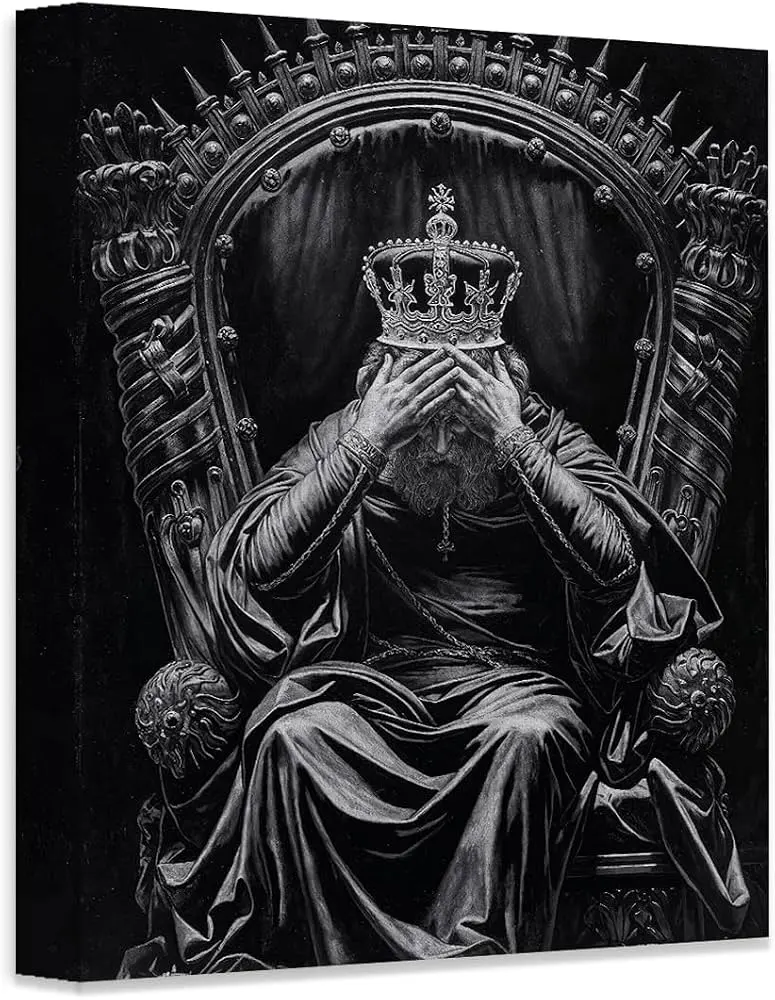
Beyond simple placement, the crown acts as an anchor for the painting’s narrative. If a crown appears tilted or damaged, it often serves as a visual metaphor for a crumbling dynasty or a moral failing. For example, in many morality plays and allegorical paintings from the 17th century, a discarded crown symbolizes the "vanitas" theme—the idea that earthly power is fleeting and ultimately meaningless in the face of time and mortality.
Common mistakes when interpreting crowns in art
One of the most frequent errors is assuming that every ornate headpiece is a crown. In art history, distinctions between a diadem, a coronet, a circlet, and a full crown are significant. A diadem, for instance, is a simple band that often signifies athletic victory or a lower rank of nobility, whereas a closed crown with arches indicates a sovereign monarch. Failing to distinguish these can lead to a misunderstanding of the subject's actual rank.
Another mistake is ignoring the context of the surrounding figures. A crown does not exist in a vacuum; it is a relational symbol. If a figure is wearing a crown while kneeling, the artist is likely commenting on the subjection of worldly power to religious duty. Always look for:
- The presence of other regalia, such as scepters or orbs, which clarify the type of power being claimed.
- The direction of the subject's gaze, which often reveals whether the crown is a source of pride or a burden.
- The background elements, which may show the crown being bestowed by an angel or a predecessor, indicating a transfer of power.
How to analyze crown symbolism in modern works
In contemporary art, the crown is often used subversively to challenge traditional notions of power. Artists may place crowns on the heads of marginalized figures, animals, or even inanimate objects to critique social hierarchies or to celebrate personal agency. This modern usage reclaims the crown from its historical association with monarchy and turns it into a symbol of self-empowerment or ironic commentary on fame and celebrity culture.
When you encounter a crown in a modern piece, ask yourself if the artist is using it to reinforce or dismantle established power structures. Is the crown made of gold, or is it made of trash, flowers, or light? These material choices are critical to the message. A crown made of ephemeral materials suggests that the "royalty" being depicted is temporary or performative, rather than institutional. By looking past the traditional silhouette of the crown, you can uncover the artist's specific critique of who deserves to be honored and why.
Key facts
- A crown represents absolute authority, divine right, and the transition of power from the heavens to a mortal ruler.
- In Christian iconography, the "Crown of Thorns" symbolizes the suffering and sacrifice of Jesus Christ rather than earthly power.
- The laurel wreath, an ancient predecessor to the metal crown, symbolized victory and poetic achievement in Greek and Roman art.
- Artists often use the "coronation" scene to legitimize a ruler's claim to the throne during periods of political instability.
- To identify a saint in medieval art, look for a halo, but distinguish it from a crown, which denotes secular or martyred royalty.
- When analyzing a portrait, note the crown’s material; gold denotes wealth, while jewels often signify the specific territories or virtues held by the monarch.
The bottom line
In art, the crown serves as a multifaceted emblem of status, ranging from the absolute authority of monarchs to the spiritual sacrifice of martyrs. By observing the crown's placement, material, and condition, viewers can decode the underlying message of a work, whether it emphasizes political legitimacy, divine favor, or the inevitable decline of power. Understanding these visual cues provides deep insight into the historical context of masterpieces.
People also ask
Why do some figures in art wear crowns while others wear halos?
A crown symbolizes earthly, political power and sovereignty over a nation. In contrast, a halo represents divine light, holiness, and spiritual status, often reserved for saints or deities.
What does a broken crown signify in a painting?
A broken or fallen crown typically represents the loss of power, the fall of a dynasty, or the vanity of earthly rule. It serves as a visual reminder of mortality and the fleeting nature of human authority.
Is there a difference between a crown and a tiara in art?
Yes, a crown is generally a symbol of sovereign kingship or queenship. A tiara is a smaller, often semi-circular ornament that signifies noble rank, papal authority, or high social status rather than absolute monarchical power.
How can you tell if a crown is meant to be symbolic or literal?
Symbolic crowns often appear in allegorical works, such as a personification of "Justice" wearing a crown to show authority. Literal crowns are depicted as physical objects worn by historical monarchs in portraits to document their specific rank.
Why are crowns sometimes depicted floating above a ruler's head?
This artistic device suggests that the ruler’s authority is divinely ordained or granted by God. It emphasizes that the power comes from a higher spiritual source rather than just the coronation ceremony itself.
What does a crown of stars represent in religious art?
A crown of stars is primarily associated with the Virgin Mary, often referred to as the "Queen of Heaven." It signifies her celestial status, purity, and her role as an intercessor between humanity and the divine.
This answer was created with the help of AI research tools and reference sources. Spotted an error? Let us know — we correct mistakes quickly. See our editorial policy.