What does a dog in a painting symbolize in art?
Short answer
Dogs in art primarily symbolize fidelity, loyalty, and domestic devotion. Throughout history, artists have used the canine figure to represent a spouse’s faithfulness, a hunter’s prowess, or the humble companionship of the lower classes. Depending on the context, a dog can also signify vigilance, earthly desire, or even the scent of death.
On this page
What does a dog symbolize in art history?
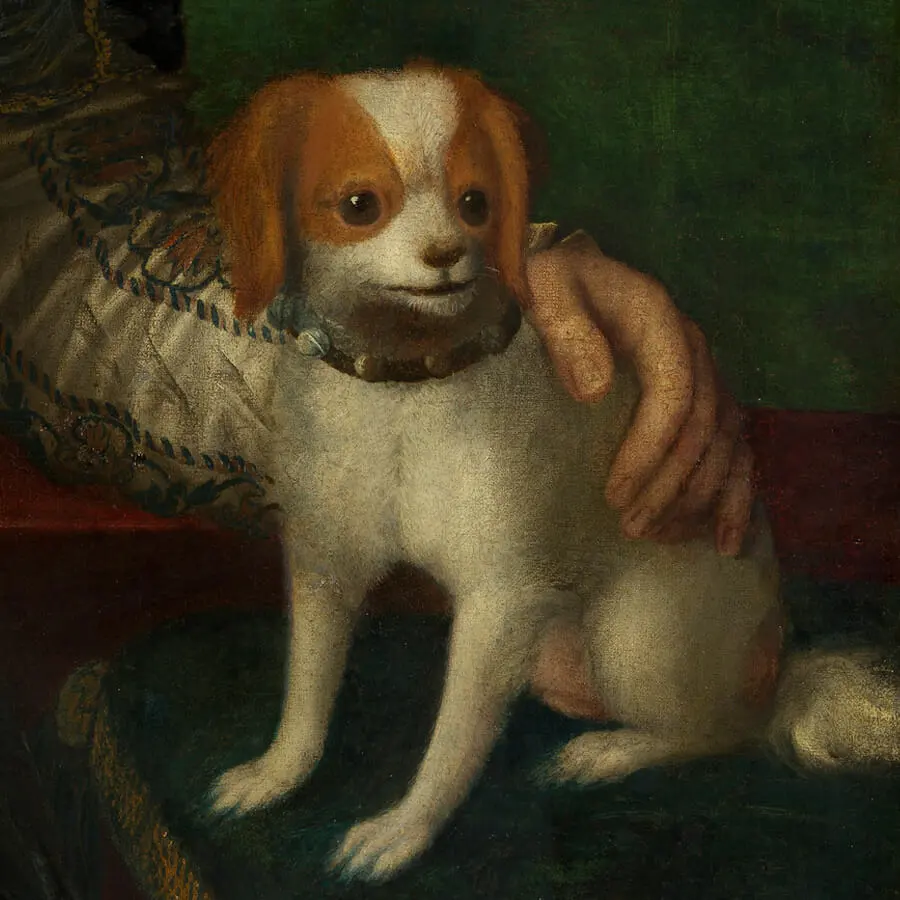
In Western art, the dog is one of the most consistent symbols of loyalty and marital fidelity. This association stems from the Latin word fides, meaning faith, which is phonetically similar to the canine’s role as a faithful companion. In many Renaissance portraits, a small dog resting near a woman’s feet or held in her lap serves as a visual shorthand for her devotion to her husband. This symbolism was so pervasive that it became a standard convention for painters to include a dog to emphasize the stability and moral integrity of the household.
Beyond domesticity, dogs often represent the virtue of vigilance. Because dogs are naturally protective and alert, they appear in religious paintings to symbolize the watchfulness of the clergy or the faithful soul. In funerary sculpture, a dog carved at the feet of a knight or noblewoman suggests that the deceased remained faithful to their vows until death. This dual meaning—loyalty to a partner and alertness to one’s spiritual duties—cemented the dog as a multifaceted icon in European iconography for centuries.
How to interpret dogs in Renaissance portraits
When analyzing a dog in a portrait, you must first look at the animal’s breed and placement. Small, lap-sized dogs like spaniels or greyhounds often indicate the status and refined nature of the sitter. Larger, more robust dogs frequently appear in hunting scenes, where they symbolize the master’s control over nature and his masculine authority. If the dog is looking directly at the viewer, it may suggest a sense of active protection or a challenge to the observer’s presence in the private space of the portrait.
To accurately interpret these symbolic animals, follow these steps:
- Examine the dog’s posture: A sleeping dog often represents domestic peace, while a standing dog suggests readiness and duty.
- Check the proximity to the sitter: A dog touching the subject implies a close, personal bond, whereas a dog at a distance may represent a broader social or professional status.
- Identify the breed: Research whether the breed was common in that region at the time, as specific breeds were often associated with royalty or particular aristocratic families.
Why do dogs appear in hunting and genre paintings?
During the 17th and 18th centuries, the dog’s role in art shifted toward the representation of leisure and social class. In Dutch Golden Age paintings, dogs often appear in genre scenes to provide a sense of realism and everyday life. These animals were not merely symbolic of high virtues; they were functional participants in the lives of the peasantry and the merchant class. A mangy or stray dog might appear in a tavern scene to emphasize the grit and lack of refinement in that specific social setting.
In contrast, the aristocratic hunting portrait used the dog as a trophy of wealth. Owning specialized hunting hounds required significant resources, land, and time, making the dog an extension of the owner’s power. These paintings were designed to broadcast the sitter’s ability to master the wild landscape. By including a prized hound, the artist signaled that the subject was a person of leisure and influence, capable of commanding both nature and the animals within it.
Common mistakes when analyzing animal symbolism
A frequent error in art history interpretation is assuming that every dog represents the same virtue. Context is the most important factor in determining meaning. For instance, while a dog usually represents fidelity, in some medieval contexts, a dog can represent the "cynical" or base nature of humanity because of the animal's scavenging habits. Ignoring the broader cultural context of the era can lead to a misreading of the artist’s original intent. Always consider the religious and political climate of the time when the work was created.
Another common mistake is overlooking the physical condition of the dog in the painting. An artist’s choice to depict a dog as thin, aggressive, or pampered is rarely accidental.
- Do not ignore the dog’s interaction with other objects in the frame, such as food or weapons.
- Avoid applying modern pet-owner sentiments to historical works, as the relationship between humans and dogs was historically more utilitarian.
- Never assume the dog is just a decorative filler; in formal portraiture, every element is usually deliberate and loaded with meaning.
How to identify dogs in religious and mythological scenes
In religious art, the dog sometimes appears as a symbol of the "hound of heaven," representing the relentless pursuit of souls by the divine. In scenes depicting Saint Roch, a dog is a central figure because, according to legend, a dog brought the saint food while he was suffering from the plague. Here, the dog represents charity and divine providence. If you see a dog in a religious painting, look for signs of it assisting a saint or guarding a sacred space, as these are indicators of its role as a divine messenger.
In mythological paintings, dogs are often linked to specific deities. For example, dogs are frequently associated with Diana, the goddess of the hunt. In these instances, the dog symbolizes the wild, untamed aspects of nature that the goddess controls. By recognizing these specific mythological and religious associations, you can move beyond the general "loyalty" definition and understand how the dog serves the narrative of the specific story being told. This deeper level of analysis allows you to appreciate the nuance and complexity that historical painters brought to their compositions.
Key facts
- Dogs in Renaissance portraiture most frequently symbolize marital fidelity, derived from the Latin word fide (faith).
- In hunting scenes, dogs represent the social status, wealth, and virility of the aristocratic subject.
- A dog depicted at the feet of a female subject often signifies her devotion to her husband or domestic virtues.
- When painted in religious scenes, dogs can represent the "Hounds of the Lord," a reference to the Dominican Order.
- Artists often used a dog’s position—such as looking toward the viewer—to create a visual connection between the subject and the audience.
- To identify a dog's meaning, look for its breed and interaction with the subject; a lapdog suggests domesticity, while a hound suggests action.
The bottom line
The presence of a dog in art serves as a versatile tool for painters to communicate complex social and moral values. Whether representing the steadfast loyalty of a marriage, the aristocratic power of a hunter, or religious devotion, the canine figure acts as a bridge between the viewer and the subject’s character. Understanding these visual cues allows viewers to decode the silent narratives embedded within historical masterpieces.
People also ask
Does the breed of the dog change its symbolic meaning?
Yes, smaller lapdogs like spaniels typically signify luxury and fidelity, while larger hunting dogs represent power and outdoor pursuits. Breeds were often chosen to align with the social standing of the person being painted.
Why are dogs often shown at the feet of women in portraits?
This placement is a classic compositional device used to emphasize the subject's role as a loyal and obedient wife. It anchors the figure and provides a visual shorthand for the virtues expected of women in historical society.
Can a dog in a painting represent something negative?
Occasionally, a dog depicted as snarling or fighting can represent uncontrolled passions, anger, or moral vice. These instances are less common but serve as a warning against succumbing to base human instincts.
What should I look for to determine if a dog is symbolic or just a pet?
Examine the dog's gaze and physical proximity to the main subject. If the dog is central to the composition or interacting directly with the subject, it is likely intended to convey a specific symbolic message rather than just historical realism.
Are there specific artists known for including dogs in their work?
Jan van Eyck is famous for the dog in the Arnolfini Portrait, which is widely interpreted as a symbol of fidelity. Titian and Anthony van Dyck also frequently included dogs to add layers of status and personality to their royal portraits.
Should I assume every dog in a painting has a hidden meaning?
Not necessarily, as some dogs were included simply to capture the likeness of a beloved companion. It is best to consider the historical context of the era and the artist's known style before assigning a deep symbolic weight.
This answer was created with the help of AI research tools and reference sources. Spotted an error? Let us know — we correct mistakes quickly. See our editorial policy.