How can I draw a dog face easily?
Short answer
Drawing a dog face is best approached by starting with basic geometric shapes like circles and ovals. By sketching a central muzzle and aligning the eyes symmetrically, you create a balanced foundation. Focus on simple features like triangular ears and a rounded nose to capture the character of a canine face easily.
On this page
How to draw a dog face step by step
The most effective way to begin drawing a dog is to break the complex anatomy down into simple, manageable shapes. Start by drawing a light circle to represent the cranium and a smaller oval overlapping the bottom half for the muzzle. These foundational guidelines ensure that your proportions remain consistent throughout the process. Once your shapes are established, you can refine the outline to better match the specific breed you are attempting to capture.
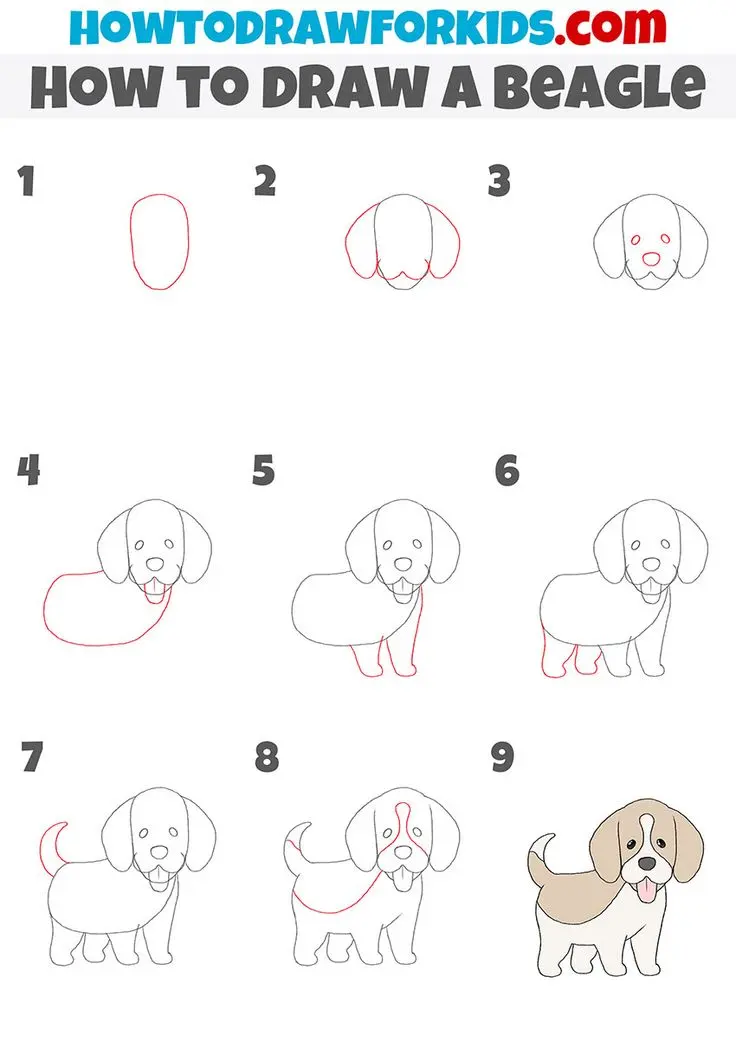
Follow these sequential steps to establish the facial structure:
- Draw a circle for the head and a smaller oval beneath it for the muzzle.
- Add a horizontal line across the center of the circle to align the eyes.
- Place two smaller circles on either side of the center line for the eye sockets.
- Draw an inverted triangle in the center of the muzzle for the nose.
- Connect the nose to the mouth with a vertical line that splits into a "W" shape.
Best drawing tools for beginners
When starting your artistic journey, you do not need expensive equipment to achieve great results. A standard HB graphite pencil is the ideal choice because it is versatile enough for both light sketching and darker detailing. Using a high-quality eraser is equally important, as it allows you to remove construction lines without damaging the paper surface. Choose a smooth, medium-weight drawing paper that can handle multiple layers of graphite without tearing or smudging too easily.
Consider these essential items for your basic kit:
- HB or 2B graphite pencils for varied line weights.
- A kneaded eraser, which is gentle on paper and can be molded into small points.
- A sharpener to maintain a fine tip for detailed work like fur texture.
- A blending stump or a soft tissue to smooth out shadows and transitions.
Why symmetry matters in animal portraits
Symmetry is the core principle that makes a drawing look realistic rather than distorted. Even though dog faces are organic and varied, the eyes, ears, and nostrils should align along a central axis. If one eye is significantly higher than the other or the nose is off-center, the entire drawing will feel unbalanced. Using light guidelines helps you maintain this equilibrium before you commit to permanent, darker lines. Always check your work by holding the paper at arm's length to see if the features appear centered.
When you notice a lack of symmetry, it is often because you are focusing too much on individual features rather than the whole head. Try to draw both eyes simultaneously, alternating between them to ensure they match in size and placement. If you find this difficult, use a mirror to look at your drawing; the reflection will immediately highlight any lopsided elements that your brain might have ignored while working directly on the page.
Common mistakes when drawing dog faces
The most frequent error beginners make is drawing the eyes too high up on the head. In reality, a dog's eyes are usually positioned near the middle of the head, leaving plenty of room for the snout and forehead. Another common issue is making the ears too small or placing them too far down the sides of the skull. Ears should generally sit at the top of the head, and their size should be proportional to the overall skull shape to avoid a cartoonish appearance.
Another mistake involves the nose and mouth area. Many people draw the nose as a perfect circle, but most canine noses are shaped like rounded triangles or hearts. Additionally, failing to account for the fur's direction can make the face look flat or unnatural. Always observe how the hair flows away from the nose and eyes, as these lines provide the essential depth and volume needed to make the drawing look three-dimensional.
How to add personality to your sketches
Once you have mastered the basic anatomy, you can add personality by focusing on the expression of the eyes and the angle of the ears. A slight tilt in the head or a change in the shape of the eyelids can make a dog look curious, happy, or sleepy. Experiment with the placement of the eyebrows, which are often indicated by a slight shift in fur color or direction. These subtle adjustments transform a generic drawing into a unique portrait that captures a specific mood.
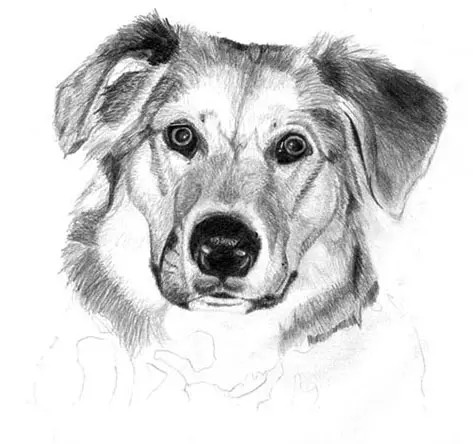
Texture is the final element that brings a drawing to life. Instead of outlining every single hair, focus on shading the areas where shadows naturally fall, such as under the chin and around the ears. Use short, quick pencil strokes to suggest the presence of fur rather than drawing individual strands. By varying the pressure of your pencil, you can create soft highlights and deep shadows that give the face a realistic, tactile quality that truly captures the spirit of the animal.
Key facts
- Start by sketching a simple circle or oval to serve as the base for the muzzle and head.
- Use a "Y" shape to define the nose and mouth area, placing the nose at the center of the muzzle.
- Position the eyes at the same horizontal level, slightly above the center of the head circle.
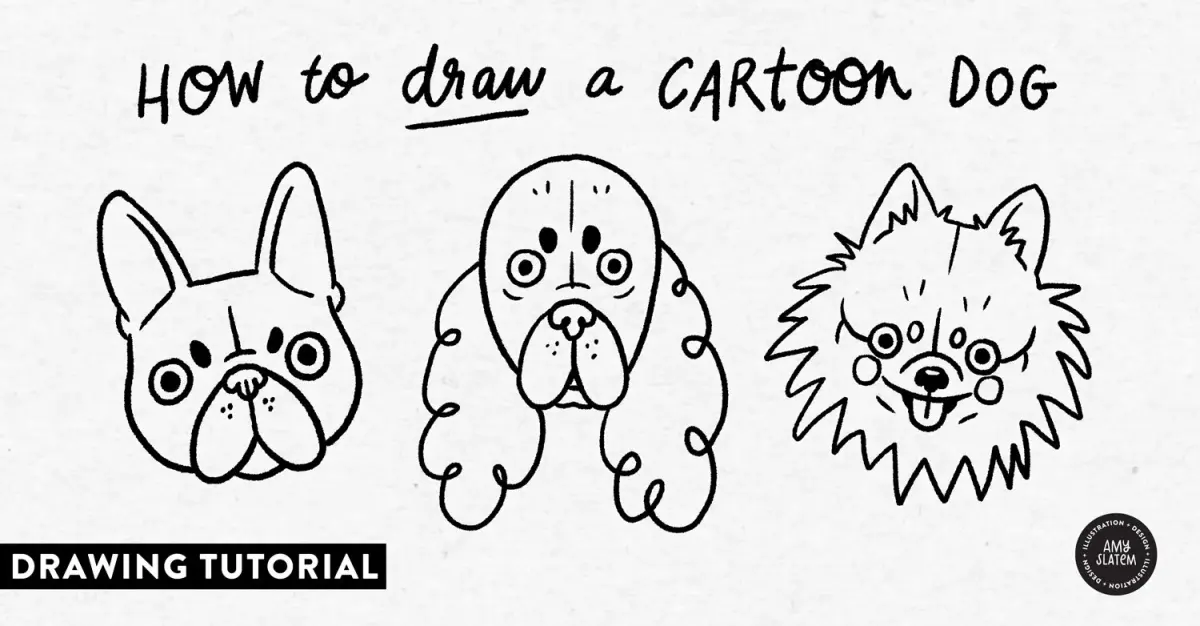
- Draw ears as triangles or rounded flaps, adjusting their height to distinguish between breeds like Labradors or Terriers.
- Add fur texture using short, flicking pencil strokes rather than long, continuous lines for a more realistic look.
- Keep the sketch light initially so you can easily erase guidelines before adding final details or shading.
The bottom line
Drawing a dog face is best approached by breaking the head into basic geometric shapes like circles and triangles. By establishing a central muzzle and aligning the eyes carefully, you create a solid foundation for any breed. Remember to use light, directional strokes to mimic fur texture and prioritize proper proportions. With consistent practice and attention to these fundamental structural elements, you will quickly improve your artistic results.
People also ask
How do I make the dog's eyes look realistic?
Focus on adding a small white highlight within the iris to represent light reflection. This simple detail gives the eyes depth and makes the dog appear alert and lifelike.
Should I draw the nose before the eyes?
It is usually best to draw the nose first as a central anchor point. Positioning the eyes and mouth relative to the nose ensures the proportions remain balanced across the face.
How do I draw different dog breeds?
Change the shape of the ears and the length of the muzzle to differentiate breeds. For example, use long, floppy ears for spaniels and short, pointed triangles for German shepherds.
What is the most common mistake when drawing a dog?
Beginners often place the eyes too far apart or too high on the forehead. Always use light guide lines to ensure the facial features align correctly before darkening your sketch.
How do I add fur texture without it looking messy?
Follow the direction of the fur growth with your pencil strokes. Avoid drawing individual hairs everywhere; instead, focus on shading the shadows where the fur clumps together.
What pencils should I use for sketching?
Start with an HB pencil for light outlines and switch to a 2B or 4B pencil for darker shading. This range allows you to build contrast and depth effectively.
This answer was created with the help of AI research tools and reference sources. Spotted an error? Let us know — we correct mistakes quickly. See our editorial policy.