What is Beatrix Potter known for?
Short answer
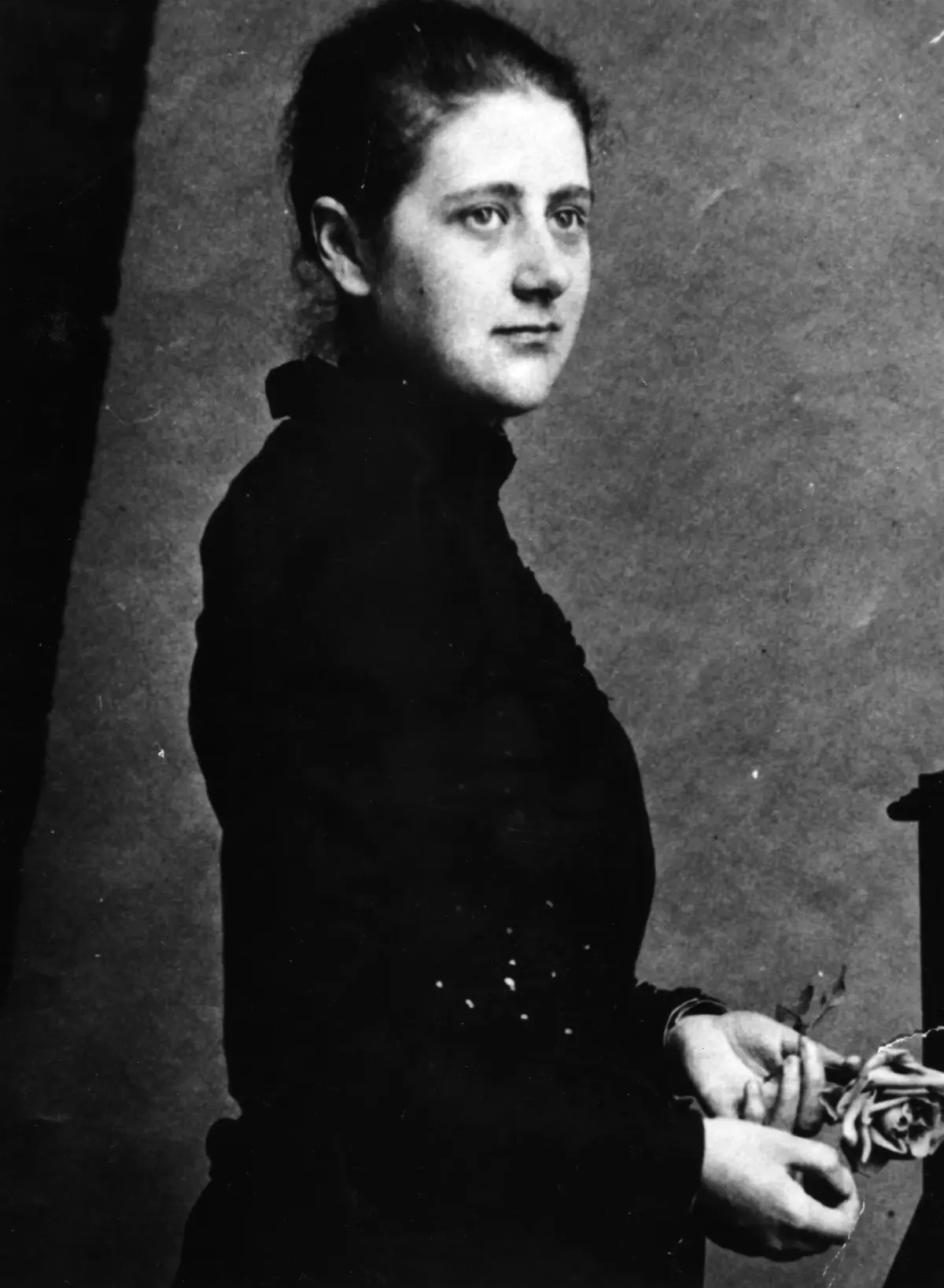
Beatrix Potter is best known as the author and illustrator of The Tale of Peter Rabbit, a cornerstone of children’s literature. Beyond her iconic animal stories, she was a pioneering natural scientist, an accomplished botanical illustrator, and a dedicated conservationist who preserved vast tracts of the English Lake District for future generations.
On this page
What books did Beatrix Potter write?
Beatrix Potter wrote and illustrated 23 "Tales," beginning with the commercial success of The Tale of Peter Rabbit in 1902. Originally created as a picture letter to a former governess’s son, the story established her signature style of anthropomorphic animals set against realistic, detailed backgrounds. Her books are characterized by their gentle moral lessons, precise prose, and delicate watercolor illustrations that capture the nuances of the natural world.
While Peter Rabbit remains her most famous work, her bibliography includes several other beloved classics that expanded her whimsical universe. These stories often featured rural settings inspired by her life in the Lake District, blending fantasy with the practical realities of farm life. Her most notable works include:
- The Tale of Squirrel Nutkin (1903)
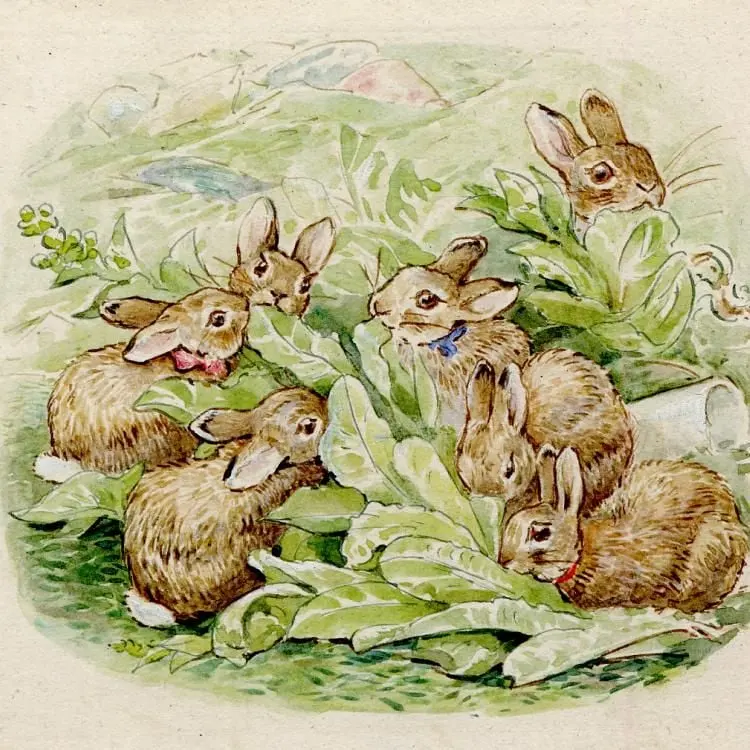
- The Tale of Benjamin Bunny (1904)
- The Tale of Two Bad Mice (1904)
- The Tale of Mrs. Tiggy-Winkle (1905)
- The Tale of Jemima Puddle-Duck (1908)
The enduring appeal of these books stems from Potter’s refusal to "talk down" to children. She utilized sophisticated vocabulary and maintained a dry, observant wit that resonates with readers of all ages. Her ability to balance the charm of animal characters with the sometimes harsh realities of nature ensured that her stories remained timeless rather than becoming dated relics of the Edwardian era.
How did Beatrix Potter contribute to science?
Before finding fame as an author, Potter was a serious student of mycology, the study of fungi. She spent years meticulously observing and painting mushrooms, mosses, and lichens, producing hundreds of high-quality scientific illustrations. Her work was so accurate that it was presented to the Linnean Society of London in 1897, though she was unable to present it herself because she was a woman.
Potter’s scientific contributions were largely overlooked for decades, but modern mycologists now recognize her keen observations regarding spore germination. She hypothesized that lichens were a symbiotic relationship between fungi and algae, a theory that was later proven correct by professional scientists. Her scientific rigor heavily influenced her later artistic career, as she applied the same level of observational detail to her animal characters.
If you wish to explore her scientific legacy, consider these steps:
- Visit the Armitt Museum in Ambleside, which holds a significant collection of her botanical paintings.
- Examine her detailed sketches of fungi to see how she captured texture and color.
- Compare her scientific drawings to the background flora in her children’s books to see the intersection of art and biology.
Why is Beatrix Potter important to conservation?
Potter was a passionate advocate for the preservation of the English Lake District. Using the royalties from her successful book series, she began purchasing local farms to prevent them from being sold to developers. She was particularly concerned with maintaining the traditional landscape and the unique breed of Herdwick sheep, which were vital to the region's agricultural heritage.
By the time of her death in 1943, she had acquired over 4,000 acres of land. In her will, she bequeathed this extensive estate to the National Trust, ensuring that the rolling hills, stone walls, and valleys she loved remained protected from industrialization. This gift remains one of the largest single donations in the organization's history and is a primary reason why the Lake District remains a protected national park today.
Her conservation efforts were not merely about land ownership; they were about maintaining a way of life. She worked closely with local farmers to preserve agricultural techniques and land management practices that had existed for centuries. Her legacy is visible today in the pristine vistas that millions of visitors enjoy annually, proving that her influence extended far beyond the pages of her storybooks.
Common mistakes when studying Beatrix Potter
A frequent error is viewing Potter solely as a children’s author while ignoring her identity as a savvy businesswoman. She was one of the first authors to recognize the value of intellectual property and merchandising. She patented the first Peter Rabbit doll in 1903 and oversaw the production of board games, wallpaper, and tea sets, effectively creating the first modern character brand.
Another common mistake is assuming her books were purely whimsical fantasies. Many of her stories contain subtle, sometimes dark, undertones that reflect the natural food chain. For example, the fox in The Tale of Jemima Puddle-Duck is a genuine predator, and the threat of being turned into a rabbit pie is a recurring motif in the Peter Rabbit series. Readers often miss the irony and dark humor because they focus exclusively on the cute illustrations.
To truly understand her work, avoid these pitfalls:
- Do not assume the books are "cutesy" or overly sentimental.
- Avoid ignoring the historical context of the Victorian and Edwardian eras.
- Do not overlook her role as a pioneer of modern literary licensing.
Best way to experience her legacy today
The best way to appreciate Potter’s life is to visit the Lake District, specifically the village of Near Sawrey. Her former home, Hill Top, is preserved exactly as it was during her lifetime, complete with her personal belongings and the inspiration for many of her illustrations. Walking the paths near the house allows visitors to see the exact stone walls, gardens, and landscapes that appear in her books.
When planning a visit, keep in mind that the region is a working agricultural area. Respect the local farming community and stay on marked footpaths to preserve the fragile environment she fought so hard to protect. Whether you are a fan of her literature or an admirer of her conservationist spirit, the Lake District offers a tangible connection to her remarkable, multifaceted life.
Key facts
- Beatrix Potter wrote and illustrated 23 "Little Tales," starting with The Tale of Peter Rabbit in 1902.
- She was a pioneering conservationist who purchased over 4,000 acres of Lake District land to donate to the National Trust.
- Her original drawings were based on meticulous scientific observations of fungi, insects, and animals.
- She became the first person to patent a stuffed toy based on a character, creating a Peter Rabbit doll in 1903.
- Potter managed her own business affairs and successfully navigated the male-dominated Victorian publishing industry.
- To preserve her legacy, she left 15 farms and her home, Hill Top, to the National Trust upon her death in 1943.
The bottom line
Beatrix Potter remains one of the most influential figures in children’s literature, best known for creating iconic characters like Peter Rabbit. Beyond her storytelling, she was a shrewd businesswoman, a dedicated mycologist, and a visionary conservationist. By protecting vast tracts of the English Lake District, she ensured that the natural landscapes that inspired her beloved tales would be preserved for future generations to enjoy forever.
People also ask
Did Beatrix Potter have children?
No, Beatrix Potter did not have any children. She married William Heelis in 1913, but they had no offspring together during their marriage.
What was Beatrix Potter’s scientific contribution?
She was an accomplished amateur mycologist who produced over 400 detailed botanical illustrations of fungi. She even developed a theory about fungal reproduction that she presented to the Linnean Society of London.
How did she start her writing career?
Her career began with a picture letter she wrote to the son of her former governess, Annie Moore. This letter contained the original story of Peter Rabbit, which she later expanded into a book.
Why are her books still popular today?
Her stories remain popular because of their timeless themes, gentle humor, and anthropomorphic animal characters. The delicate, realistic watercolor illustrations provide a distinct charm that continues to appeal to children and adults alike.
What is the significance of Hill Top?
Hill Top is the famous farmhouse in the Lake District that Potter bought with profits from her books. It served as both her studio and the primary inspiration for the settings of many of her stories.
How should one approach collecting original Potter editions?
When collecting, look for the early printing dates and check for specific color plate variations. Avoid copies with significant foxing or missing pages, as these drastically reduce the investment value of the antique volumes.
This answer was created with the help of AI research tools and reference sources. Spotted an error? Let us know — we correct mistakes quickly. See our editorial policy.