What techniques did Georges Seurat use?
Short answer
Georges Seurat pioneered Divisionism, a technique applying tiny, distinct dots of color to a canvas to create vibrant optical mixtures. By placing complementary colors side-by-side, he achieved a luminosity impossible with traditional palette mixing. This scientific approach to color theory, known as Pointillism, defined his systematic, rigorous contribution to Neo-Impressionism.
On this page
How did Georges Seurat develop Pointillism?
Seurat developed Pointillism in the mid-1880s by moving away from the spontaneous brushwork of the Impressionists. He sought a more disciplined, scientific method to capture light and atmosphere on canvas. Influenced by the writings of color theorists like Michel Eugène Chevreul and Ogden Rood, Seurat believed that the human eye would naturally blend small, adjacent dots of pure color into a cohesive image. This process, often called optical mixing, allowed for a greater intensity of light than traditional color blending on a palette.
His masterpiece, A Sunday Afternoon on the Island of La Grande Jatte (1884–1886), serves as the definitive example of this transition. Seurat spent two years meticulously applying thousands of dots to the massive canvas. He carefully calculated the placement of every hue to ensure that the colors interacted according to the laws of simultaneous contrast. By isolating colors into individual points, he effectively removed the physical texture of brushstrokes, creating a smooth, almost static surface that emphasized structure and permanence over fleeting moments.
What are the steps for practicing Divisionism?
To replicate Seurat’s technique, you must prioritize color separation and patience. The goal is to avoid mixing pigments on the palette, as this dulls the final result. Instead, you allow the viewer's eye to perform the mixing at a distance. Follow these steps to begin your own study:
- Prepare a white canvas or board to maximize the light reflection through your paint.
- Select a limited palette of pure, unmixed colors to ensure clarity in your optical blends.
- Apply small, uniform dots of paint using a round, firm-bristled brush.
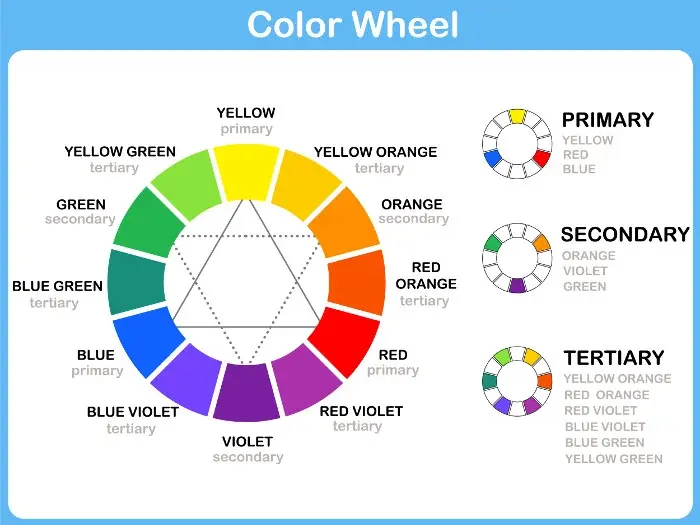
- Place complementary colors—such as blue next to orange, or red next to green—to enhance the perceived vibrancy.
- Step back frequently to observe how the individual dots coalesce into shapes and forms.
Consistency in the size of your dots is essential for a balanced composition. If your dots are too large, the optical mixing will fail, and the work will appear messy rather than luminous.
Why does Seurat’s color theory work?
Seurat’s technique relies on the physiological phenomenon of simultaneous contrast. When two different colors are placed in close proximity, the human eye perceives them as more intense than they would appear in isolation. For instance, a yellow dot surrounded by blue dots will appear more vibrant than a yellow dot surrounded by white. By applying these scientific principles, Seurat was able to simulate the brilliance of sunlight without relying on the muddy grays that often result from over-mixing paints on a palette.
This method also allowed Seurat to manipulate depth and volume through color temperature. He used warmer colors to suggest advancing planes and cooler, darker tones to suggest receding space. By meticulously adjusting the density of his dots, he created soft transitions that mimic the way light wraps around objects. This rigorous approach effectively turned the act of painting into a calculated, almost mathematical endeavor, distancing his work from the emotional, subjective expressions of his contemporaries.
Common mistakes when using Pointillism
Many beginners struggle with the transition from traditional painting to the dot-based method. A frequent mistake is attempting to blend colors directly on the canvas while the paint is still wet. This results in "mud," which defeats the purpose of optical mixing. You must wait for each layer of dots to dry before adding adjacent colors if you want to maintain sharp, distinct edges. Another common error is failing to consider the viewing distance. If your dots are too sparse, the image will look like a collection of spots rather than a unified scene.
- Avoid using too many colors in a single area, as this creates visual noise.
- Do not use black paint to darken a color; instead, use a darker, saturated hue.
- Ensure your paint consistency is thick enough to hold its shape without running.
- Resist the urge to use long, sweeping strokes, as this breaks the Pointillist effect.
- Keep your brushes clean to prevent color contamination during the application process.
How long does it take to master Seurat’s style?
Mastering the Pointillist style requires significant time, as it is inherently a slow, labor-intensive process. Seurat himself was known for his extreme dedication, often spending months or even years on a single large-scale painting. Because each dot is a conscious decision, you cannot rely on the speed of gesture or the accidental beauty of a stray brushstroke. The technique demands a high level of technical discipline and a clear vision of the final composition before you even begin applying the first layer of pigment.
For modern practitioners, the challenge is balancing the mechanical nature of the dots with the need for artistic expression. It is easy to become overly focused on the technique and lose the overall sense of composition or mood. To succeed, you must treat the canvas as a structure of light and shadow, constantly evaluating how your color choices affect the viewer's perception. With consistent practice, you will develop an intuitive sense for color placement, allowing you to create works that capture the shimmering, ethereal quality that defined Seurat’s unique artistic legacy.
Key facts
- Seurat developed "chromoluminarism," a technique using small, distinct dots of pure color to create vibrant optical effects.
- He applied paint in tiny, uniform dabs rather than traditional brushstrokes to ensure the colors blended in the viewer's eye.
- His palette was strictly limited to colors found in the natural light spectrum to maximize luminosity and clarity.
- He used a dark, contrasting border around his canvases to frame the composition and intensify the perceived brightness of the center.
- The artist meticulously planned his compositions through dozens of preparatory sketches, known as croquetons, before applying paint.
- To avoid muddy colors, he never mixed pigments on the palette, relying instead on the viewer's vision to perform the optical mixture.
The bottom line
Georges Seurat revolutionized painting by replacing intuitive brushwork with a rigorous, scientific approach known as chromoluminarism. By applying tiny, unmixed dots of color, he harnessed optical physics to create unparalleled luminosity and depth. His meticulous method, requiring extensive preparation and immense patience, transformed how artists perceived the relationship between light and pigment, leaving an indelible mark on the evolution of modern art and color theory.
People also ask
Why did Seurat choose to use dots instead of traditional brushstrokes?
Seurat believed that dots allowed for greater control over color intensity and light. By placing pure colors side-by-side, he aimed to achieve a shimmering, luminous effect that traditional blending on a palette could not replicate.
What is the difference between Pointillism and Divisionism?
While often used interchangeably, Divisionism refers to the scientific theory of color separation, while Pointillism describes the specific technique of applying paint in dots. Seurat preferred the term chromoluminarism to emphasize his focus on light.
How long did it take Seurat to complete his large paintings?
His process was extremely slow and methodical, often taking over a year for a single large-scale work. For example, A Sunday Afternoon on the Island of La Grande Jatte took approximately two years to finish.
Did Seurat use a specific type of paint for his dots?
He primarily used oil paints, which he applied with small, stiff brushes. He occasionally experimented with different binders to ensure the colors remained stable and vibrant over time.
What are the most common mistakes when trying to replicate Seurat’s style?
A common error is mixing colors on the palette before application, which defeats the purpose of optical mixing. Another mistake is using inconsistent dot sizes, which can make the image look cluttered rather than harmonious.
How did Seurat influence later artists?
His systematic approach to color and light paved the way for the Fauvists and the development of abstract art. Artists like Henri Matisse and Robert Delaunay were heavily influenced by his scientific rigor and color theories.
This answer was created with the help of AI research tools and reference sources. Spotted an error? Let us know — we correct mistakes quickly. See our editorial policy.