What is children's book illustration?
Short answer
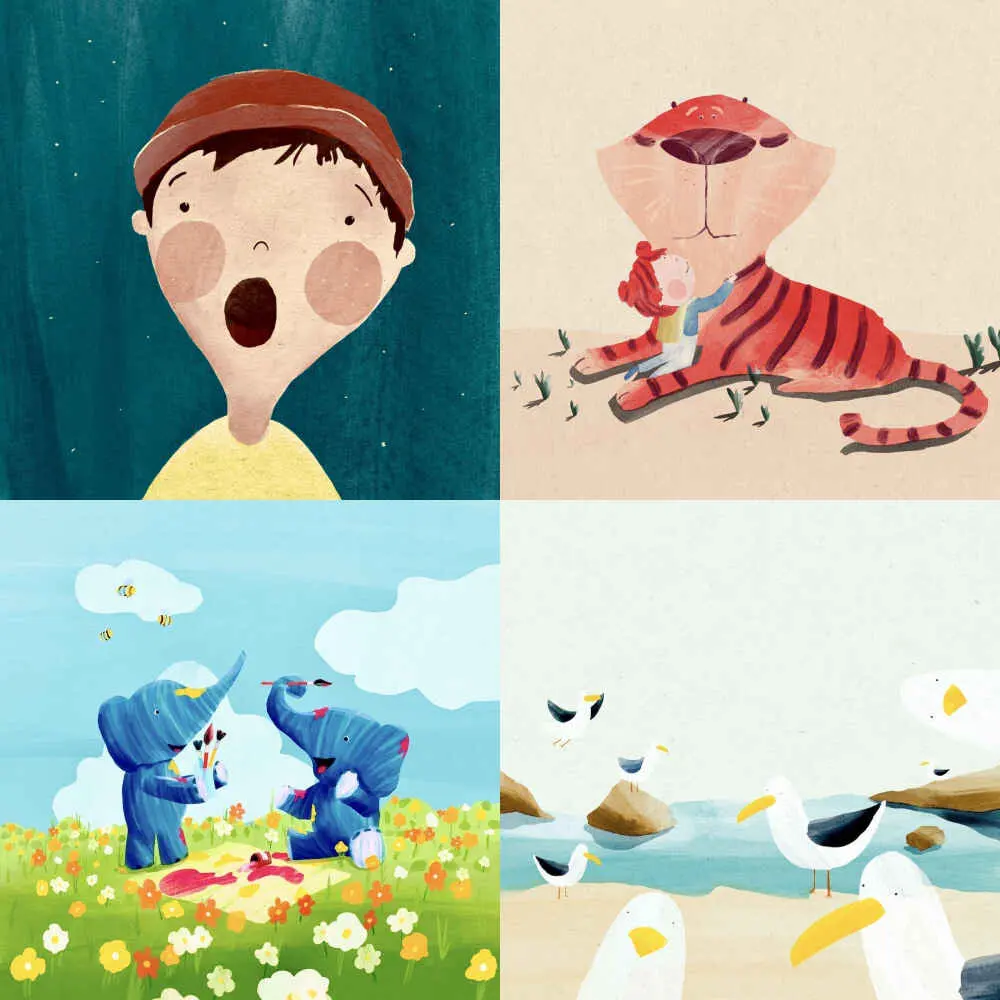
Children’s book illustration is the art of creating visual narratives that complement and expand upon written text for young readers. It serves as a bridge between words and imagination, utilizing color, character design, and composition to convey tone, pacing, and emotional depth, ultimately shaping a child's early engagement with literature and literacy.
On this page
How does children's book illustration work?
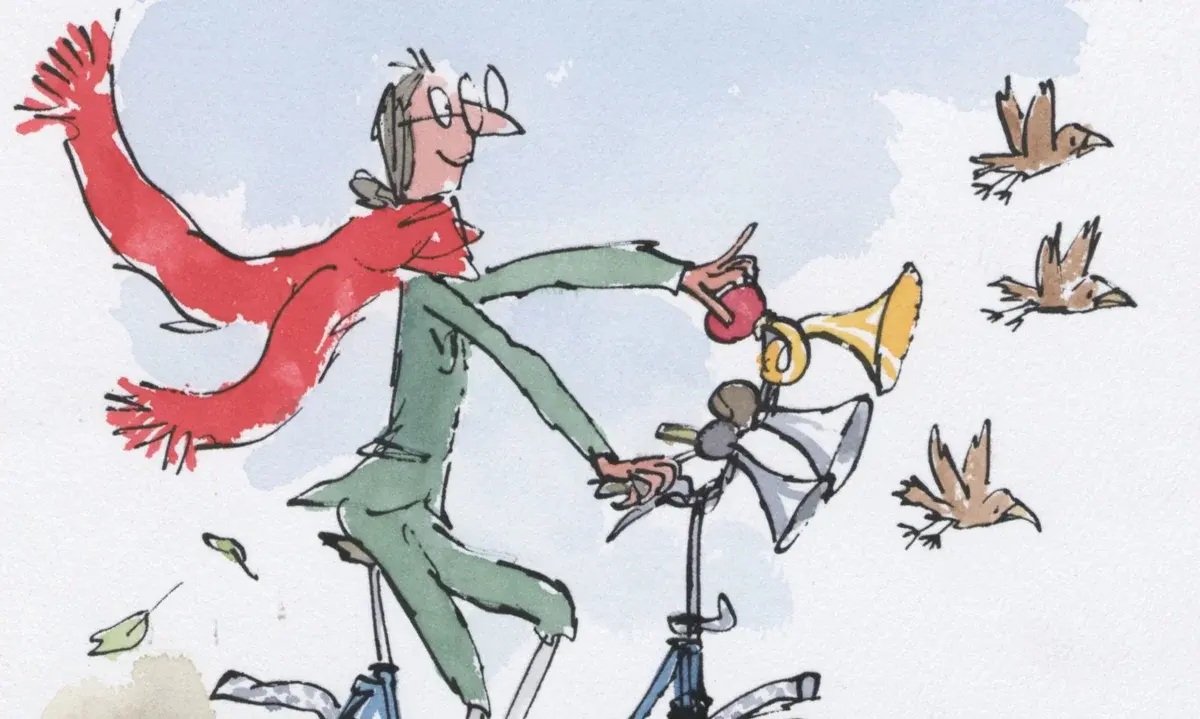
Illustration in children’s literature functions as a primary storytelling device, especially in picture books where images often carry as much narrative weight as the text. The illustrator is responsible for visual world-building, which includes character consistency, setting the mood, and providing visual clues that are not explicitly stated in the writing. By interpreting the subtext of a manuscript, an illustrator transforms a static story into a dynamic experience that captures a child’s attention and curiosity.
This process involves a collaborative relationship between the author, the editor, and the artist. The illustrator must break down the manuscript into a sequence of pages, typically totaling 32 pages for a standard picture book. This structural framework ensures that the visual rhythm matches the narrative arc, allowing for moments of high action followed by quiet, contemplative scenes. Effective illustration relies on:
- Establishing a consistent color palette to unify the story.
- Using visual hierarchy to guide the reader's eye across the page.
- Designing characters that are expressive and recognizable from multiple angles.
What are the steps to illustrate a children's book?
Creating a book requires a disciplined approach to ensure the final product is cohesive and professional. The journey from concept to final art involves several distinct phases that prioritize narrative flow over individual image quality.
- Read the manuscript multiple times to identify the core themes and emotional beats.
- Create a storyboard or "dummy" book to map out the placement of text and images.
- Develop character sketches to ensure the protagonist remains consistent throughout the story.
- Compose rough pencil sketches for every page to finalize the composition and pacing.
- Execute the final illustrations using your chosen medium, such as watercolor, digital tools, or collage.
- Review the full sequence to ensure the visual narrative flows logically from the cover to the final page.
How long does it take to illustrate a children's book?
The timeline for illustrating a book varies significantly based on the artist’s experience, the complexity of the art style, and the length of the manuscript. On average, a professional illustrator spends between six to twelve months completing a full-color picture book. This duration accounts for the initial research, character development, revisions requested by the publisher, and the final rendering of high-resolution images.
Beginners often underestimate the time required for the "dummy" phase, which is the most critical part of the process. If the layout does not work in the thumbnail stage, no amount of detailed rendering will save the final book. Factors that influence the timeline include:
- The level of detail required in background environments.
- The number of characters appearing in each spread.
- The medium chosen, as traditional media like oil painting require longer drying times than digital illustration.
- The number of editorial rounds required by the publishing house.
Best tools for children's book illustration
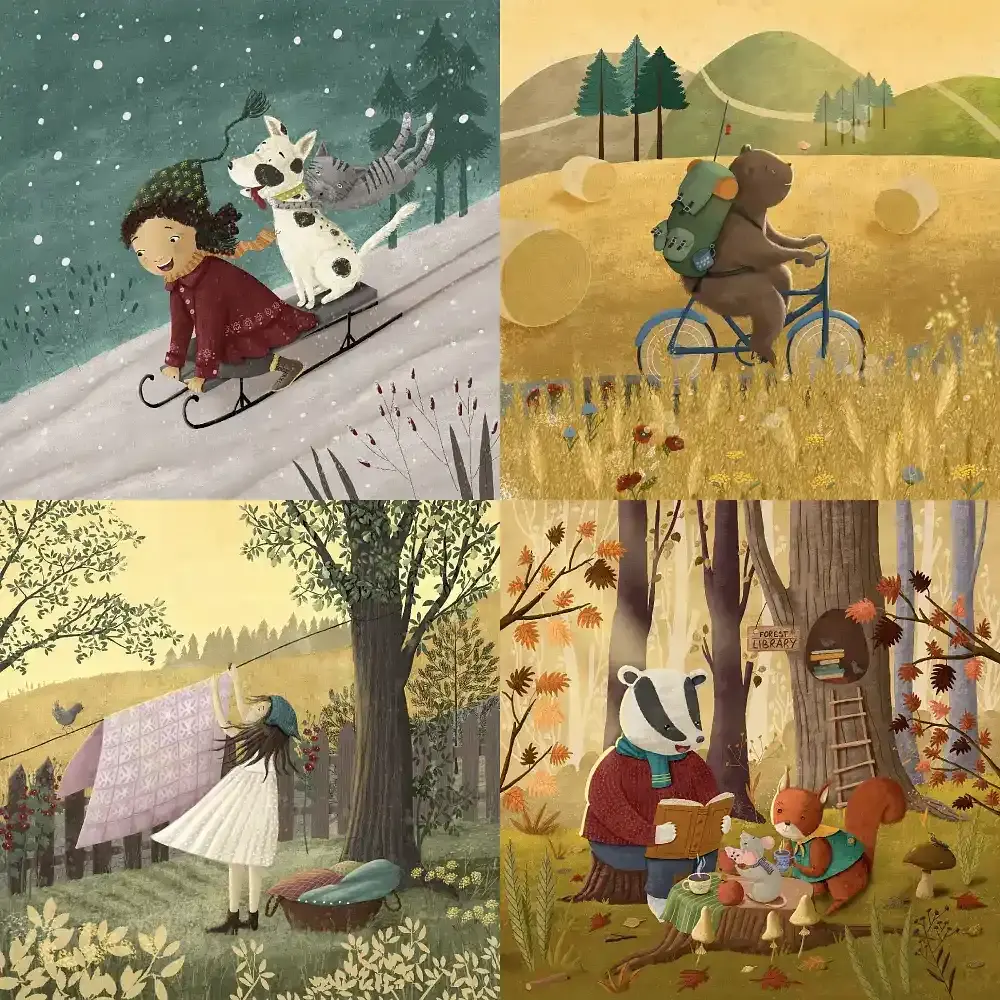
Modern illustrators utilize a wide array of tools, ranging from traditional fine art supplies to sophisticated digital software. The choice of medium often dictates the "look and feel" of the book, with traditional media providing a tactile, organic quality and digital tools offering flexibility and speed. Many contemporary artists use a hybrid approach, sketching on paper before scanning the work to finish it digitally.
For those starting out, it is essential to focus on tools that allow for iteration and experimentation. Common professional setups include:
- Digital: Adobe Photoshop, Procreate, or Clip Studio Paint paired with a drawing tablet.
- Traditional: High-quality watercolors, gouache, colored pencils, or ink pens.
- Essential Hardware: A reliable scanner with at least 600 DPI resolution for digitizing traditional work.
- Reference Materials: A sketchbook for capturing observations from real life, which is vital for developing unique character designs.
Common mistakes when illustrating children's books
New illustrators frequently fall into traps that can hinder the readability and professional appeal of their work. One of the most common errors is failing to leave "gutter space" or "bleed" areas, which are the margins where the paper is folded or trimmed during printing. If important visual elements are placed too close to the edge, they may be lost or distorted during the binding process.
Another frequent mistake is a lack of character consistency, where a character’s proportions, clothing, or facial features change drastically from one page to the next. This confusion breaks the reader's immersion and makes the story difficult to follow. To avoid these pitfalls, keep the following in mind:
- Always check the "gutter" to ensure no faces or text are hidden in the book's center fold.
- Avoid over-cluttering a page; leave enough white space for the text to remain legible.
- Do not ignore the importance of page turns; use them to create suspense or reveal a surprise.
- Maintain a consistent light source throughout the book to ensure the environment feels grounded and real.
Key facts
- Children’s book illustration is a specialized art form that visually narrates a story alongside or instead of text.
- Picture books typically consist of 32 pages, a standard length that allows for pacing and narrative structure.
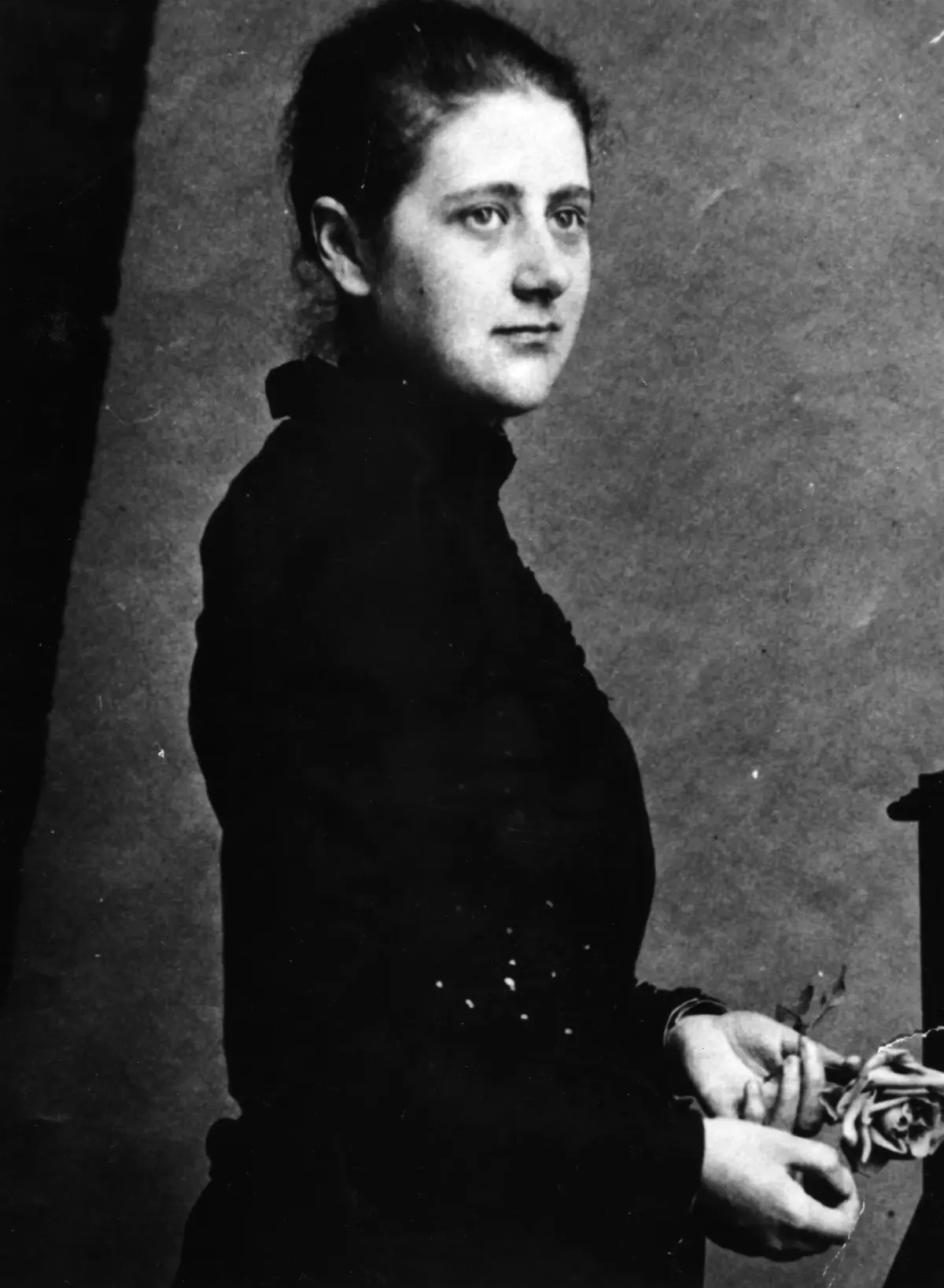
- Beatrix Potter’s The Tale of Peter Rabbit (1902) remains a definitive example of early, successful integrated text and illustration.
- Illustrators must consider "gutter space," the center fold of a book, to ensure important details are not lost in the binding.
- A "dummy book" is a rough, hand-folded prototype used by illustrators to test page turns and visual flow before final production.
- Consistency is vital; characters must remain recognizable in size, clothing, and features across every page of the book.
The bottom line
Children’s book illustration is a deliberate craft that balances visual storytelling with the technical constraints of book design. By mastering character consistency, understanding page pacing, and respecting layout requirements like gutter space, artists create immersive experiences for young readers. Whether using traditional paints or digital tools, the illustrator’s primary goal is to enhance the narrative, turning simple pages into a cohesive and memorable visual journey.
People also ask
How do illustrators choose a color palette for a book?
Illustrators often select a palette based on the emotional tone of the story, such as warm, vibrant colors for joyful scenes or muted, cool tones for somber moments. They frequently create a "color script" to ensure the mood remains cohesive throughout the entire narrative arc.
What is the difference between a picture book and an illustrated chapter book?
Picture books rely on the synergy between text and images to tell the story, usually spanning 32 pages for younger readers. Illustrated chapter books feature longer blocks of text with occasional black-and-white drawings intended to break up the reading experience for older children.
How do I get my illustrations published in a book?
Most illustrators build a professional portfolio featuring sequential art and submit it to literary agents or art directors at publishing houses. Networking at industry conferences, such as those hosted by the Society of Children’s Book Writers and Illustrators, is a common path to securing contracts.
What are the most common mistakes beginners make?
A frequent error is failing to maintain character consistency, where the protagonist looks different from one page to the next. Another mistake is ignoring the placement of text, which can lead to cluttered layouts that obscure the artwork or make the words difficult to read.
Do illustrators always work with the author?
In most traditional publishing scenarios, the publisher acts as the intermediary between the author and the illustrator. This separation allows the art director to ensure the visual style aligns with current market trends and the overall vision for the specific book project.
What tools do modern illustrators use?
Many professionals use a hybrid approach, combining traditional media like watercolors, charcoal, or ink with digital software like Adobe Photoshop or Procreate. Digital tools allow for easier revisions and precise color adjustments, which are essential when meeting strict publishing deadlines.
This answer was created with the help of AI research tools and reference sources. Spotted an error? Let us know — we correct mistakes quickly. See our editorial policy.