What does a comic book artist do?
Short answer
A comic book artist is a visual storyteller responsible for translating a script into sequential art. They design characters, establish panel layouts, and illustrate the action, expressions, and environments of a narrative. By balancing composition and pacing, they guide the reader’s eye across the page to convey the story’s emotional arc.
On this page
What are the responsibilities of a comic book artist?
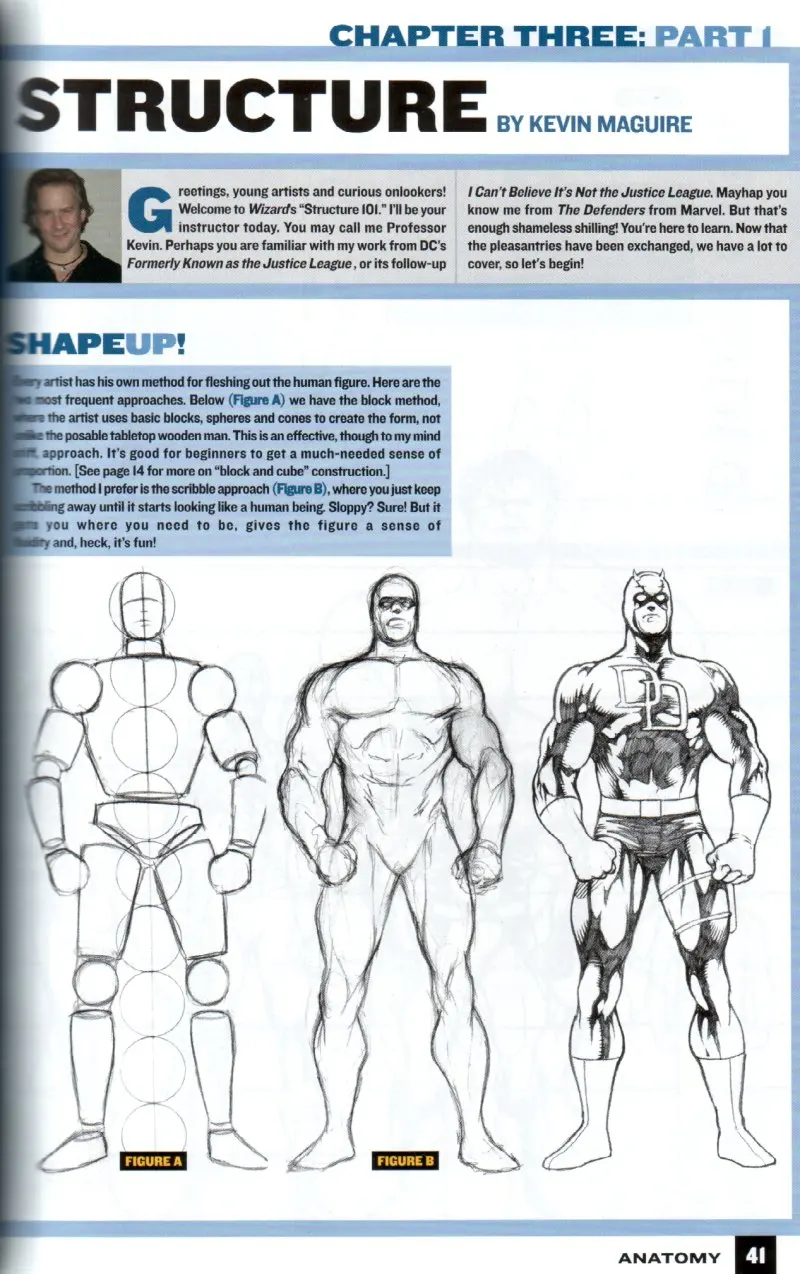
The primary role of a comic book artist is to interpret a written script and transform it into a series of visual panels. This process begins with thumbnail sketches, where the artist experiments with composition and pacing to ensure the story flows logically. Once the layout is approved, the artist proceeds to pencil the final pages, focusing on anatomy, perspective, and background detail.
After the pencils are finalized, the work often moves to an inker, who uses specialized pens or digital brushes to define the lines and create depth through contrast. While some solo creators handle every stage, modern professional comics are frequently produced by teams. The artist must collaborate closely with writers, colorists, and letterers to ensure the visual tone remains consistent throughout the entire publication.
- Read and analyze the script for key narrative beats.
- Draft rough thumbnails to map out panel flow.
- Pencil the final illustrations with attention to character consistency.
- Refine linework to emphasize depth and focus.
- Coordinate with the production team to finalize the page.
How long does it take to draw a comic book?
The time required to complete a comic book page varies significantly based on the artist’s style and the complexity of the art. A standard industry expectation for a professional artist is to complete one finished page per day, though highly detailed illustrations can take much longer. Factors such as the number of characters per panel and the density of background environments directly influence the pace of production.
For a typical 22-page monthly comic book issue, an artist usually has about three to four weeks to finalize the art. This tight deadline necessitates a disciplined workflow and the ability to work efficiently without sacrificing quality. Artists who fall behind schedule often rely on assistants to help with backgrounds or flat colors to ensure the book reaches the printer on time.
- Daily output: 1 page per day is the professional standard.
- Monthly output: 20 to 22 pages for a standard issue.
- Variable factors: Complexity, detail, and team support influence speed.
- Deadline management: Strict adherence to schedules is essential for monthly releases.
What tools do comic book artists use?
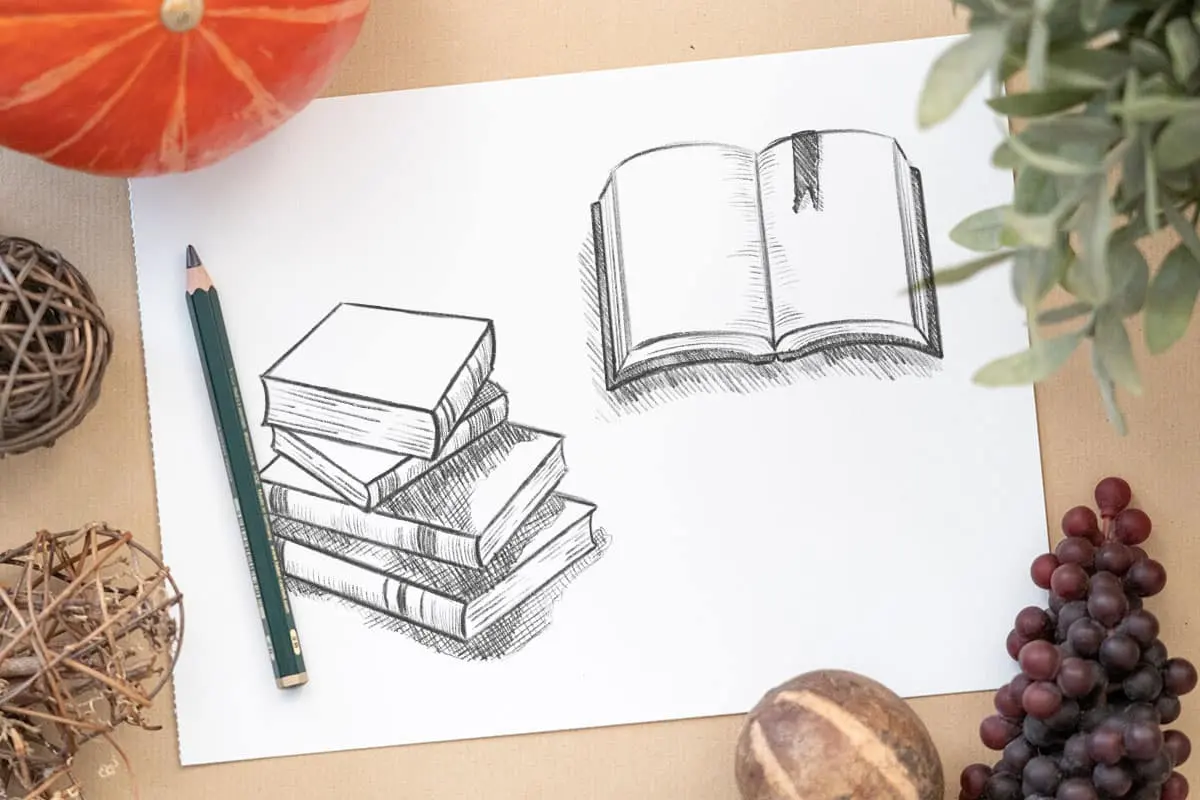
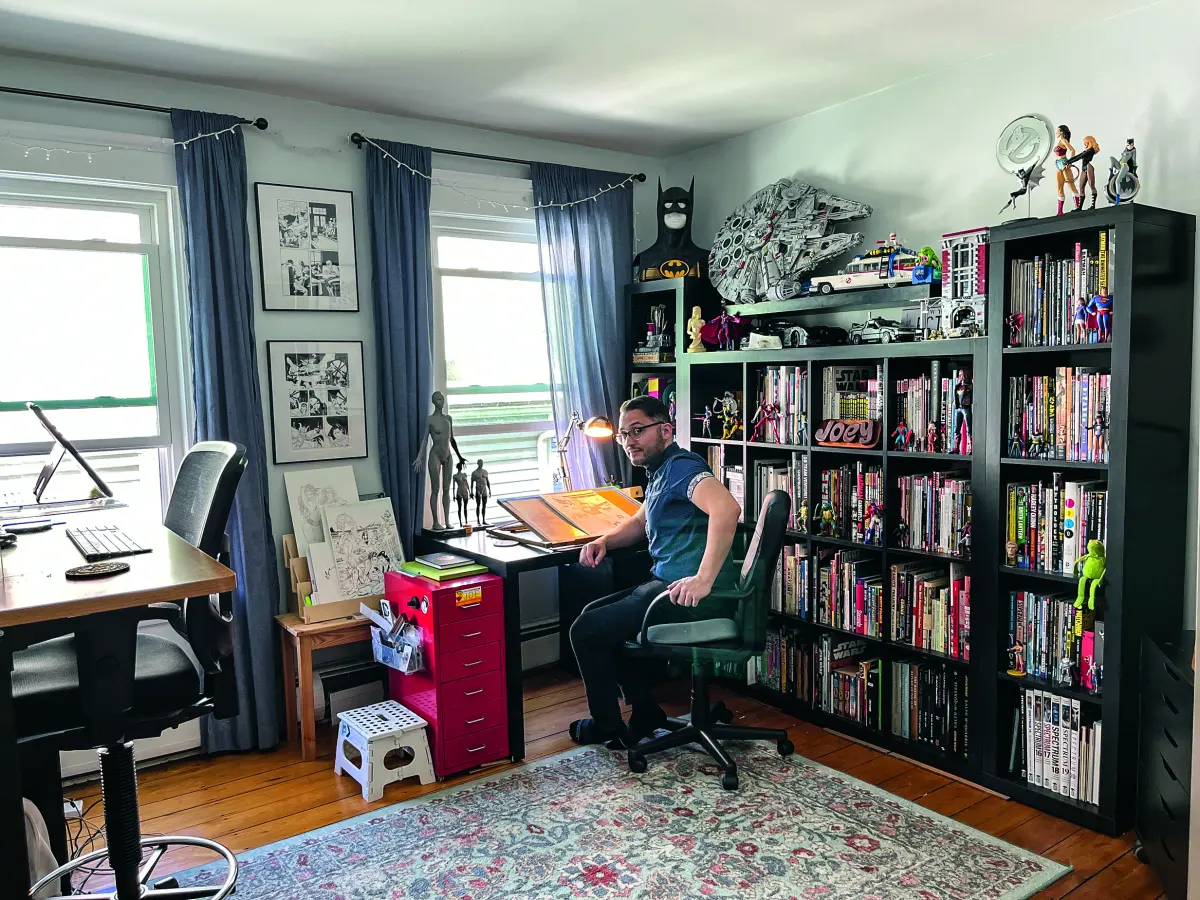
Artists utilize a blend of traditional and digital tools to achieve their desired aesthetic. Traditionally, artists rely on Bristol board, graphite pencils, and high-quality archival ink pens or brush pens to create crisp, permanent lines. These materials provide a tactile experience that many creators prefer for the authenticity of the original art, which is often sold to collectors after the book is published.
In recent years, digital tools have become the industry standard for many professionals due to their efficiency and flexibility. Software like Clip Studio Paint and Adobe Photoshop allows artists to work in layers, making it easy to correct mistakes or adjust panel sizes without restarting the entire page. Many artists use digital tablets with pressure-sensitive styluses to replicate the feel of traditional media while benefiting from the speed of digital editing.
- Traditional: Bristol board, graphite, pens, and brushes.
- Digital: Drawing tablets, graphic software, and cloud storage.
- Essential skills: Understanding perspective, anatomy, and lighting.
- Workflow: Transitioning from rough layout to final inked output.
Common mistakes when starting as a comic book artist
One of the most frequent errors for beginners is neglecting the importance of storytelling in favor of overly elaborate, single-panel illustrations. A comic book is a medium of movement and time; if the panels do not clearly communicate the sequence of events, the reader will become confused. Beginners often focus too much on drawing a "cool" pose while forgetting that the primary goal is to guide the reader through the plot.
Another common mistake is failing to maintain character consistency across multiple panels. If a character’s costume or facial features change significantly from one frame to the next, the reader’s immersion is broken. Artists should create character model sheets—reference drawings showing the character from various angles—to ensure they look the same regardless of the action or perspective. Practicing anatomy and gesture drawing daily is the best way to avoid these pitfalls and build a professional foundation.
- Prioritizing single-image quality over narrative flow.
- Ignoring the importance of panel-to-panel transitions.
- Failing to use reference sheets for character consistency.
- Overlooking basic anatomy and perspective rules.
- Neglecting to leave space for word balloons and text.
How to build a professional comic book portfolio
To break into the industry, an artist must assemble a portfolio that demonstrates both technical skill and the ability to tell a coherent story. Editors look for sequential pages rather than just isolated portraits or pin-ups. Include at least five to ten consecutive pages of a narrative to show that you can maintain character consistency and visual interest over the course of a story.
Networking is equally important, as many opportunities arise from personal connections made at conventions or through social media platforms. When presenting your work to editors, be prepared to explain your creative process and show that you can meet deadlines consistently. Always seek constructive criticism from peers and professionals, as the ability to adapt and improve is highly valued in the competitive world of comic book publishing. Focus on showcasing your unique style while proving you can handle the rigors of professional production.
Key facts
- A comic book artist is responsible for the visual storytelling, transforming a written script into a sequence of panels.
- Most professional artists follow a standard workflow: penciling, inking, and sometimes coloring or lettering.
- Penciling involves sketching the layout, character poses, and background details to establish the composition.
- Inking is the process of tracing over pencil lines with permanent ink to create high-contrast, reproducible artwork.
- A common mistake for beginners is failing to consider "readability," where the action in a panel is too cluttered to follow.
- Artists often use reference photos for anatomy and architecture to ensure their drawings remain grounded and accurate.
The bottom line
Being a comic book artist requires a blend of technical drafting skills and a deep understanding of visual narrative pacing. By mastering anatomy, perspective, and composition, an artist guides the reader's eye across the page to tell a coherent story. Whether working traditionally or digitally, the role is defined by the ability to translate abstract scripts into evocative imagery that defines the medium's unique visual language.
People also ask
Do comic book artists always write their own stories?
No, most comic book artists work as part of a creative team alongside a writer who provides the script. While some creators are "writer-artists" who do both, the industry standard relies on collaboration to maintain production schedules.
How long does it take to draw a single comic book page?
A professional comic book artist typically spends between one to two days completing a single page. This timeframe includes the initial layout, detailed penciling, and technical inking, though it varies based on the complexity of the art.
What tools do modern comic book artists use?
Many artists now use digital tablets and software like Clip Studio Paint, which offers specialized tools for panel borders and perspective. However, many professionals still prefer traditional bristol board, graphite pencils, and archival-quality ink pens.
Is it necessary to know anatomy to be a comic book artist?
Yes, a strong grasp of human anatomy is essential for drawing dynamic poses and consistent character proportions. Even in stylized or cartoonish comics, understanding the underlying bone and muscle structure makes the characters feel believable.
How do artists handle perspective in their panels?
Artists use vanishing points and horizon lines to create the illusion of depth within a two-dimensional frame. Mastering one-point, two-point, and three-point perspective is crucial for drawing convincing cityscapes and interior rooms.
What is the difference between a penciler and an inker?
A penciler focuses on the composition, acting, and staging of the scene, providing the foundation for the page. An inker then refines those lines, adding weight and texture to define the final look before the page is colored.
This answer was created with the help of AI research tools and reference sources. Spotted an error? Let us know — we correct mistakes quickly. See our editorial policy.