How do you make art fun for kids?
Short answer
Making art fun for children requires prioritizing the creative process over the final product. By providing open-ended materials, establishing a low-pressure environment, and focusing on sensory exploration rather than rigid instruction, you encourage self-expression. When children feel free to experiment without fear of judgment, they naturally engage more deeply with artistic activities.
On this page
How to encourage creativity in children
The most effective way to foster a love for art is to shift the focus from creating a masterpiece to enjoying the act of making. Children often feel intimidated by the idea of "getting it right," which can stifle their natural curiosity. By emphasizing exploration, you allow them to discover how colors mix, how textures feel, and how different tools function. This approach transforms a structured lesson into a playful discovery session where the child leads the way.
To keep the experience engaging, provide a variety of open-ended materials that do not have a single "correct" use. Instead of coloring books that require staying within lines, offer blank paper, recycled cardboard, or natural items like leaves and stones. When children are given the autonomy to choose their medium, they are more likely to stay focused and invested in their work. Remember that the goal is not to produce a gallery-worthy piece, but to build confidence through personal expression.
Best art supplies for young beginners
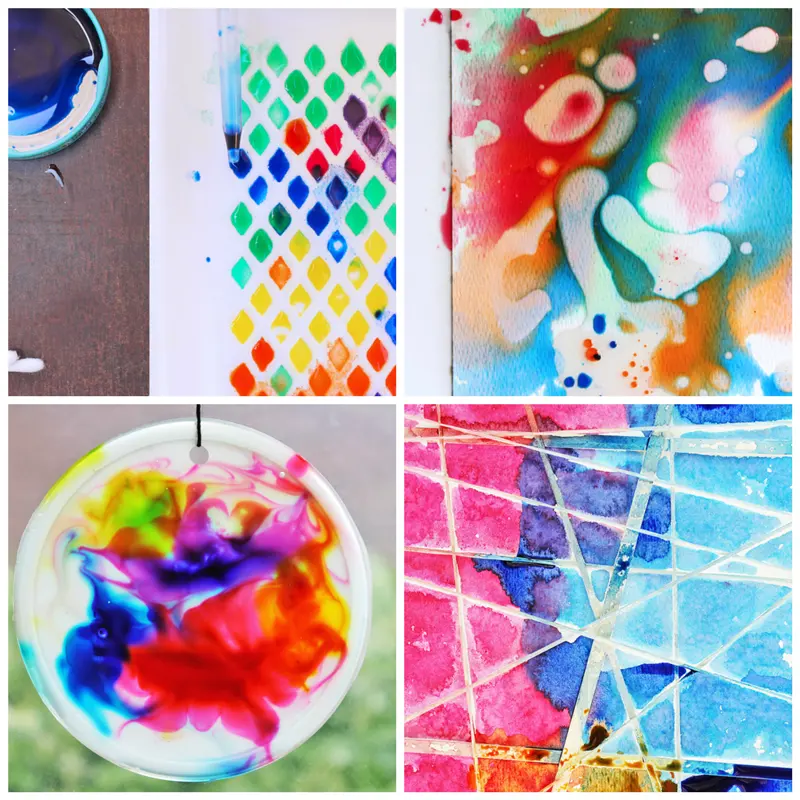
Selecting the right materials can significantly influence a child's interest in art. For toddlers and preschoolers, prioritize non-toxic, washable, and tactile supplies that allow for messy, sensory-driven play. As children grow older, you can introduce more specialized tools that require finer motor control. Providing quality materials that function reliably—such as markers that do not dry out instantly or paints with vibrant pigments—prevents the frustration that often leads to a loss of interest.
- Large-grip crayons and thick chalk for developing hand muscles.
- Watercolor sets that allow for layering and color experimentation.
- Modeling clay or air-dry dough for three-dimensional exploration.
- Collage materials like buttons, yarn, fabric scraps, and glue sticks.
- Heavy-duty paper or cardstock that can withstand wet media.
By organizing these supplies in accessible bins, you allow children to initiate art projects independently. This accessibility turns art into a spontaneous activity rather than a chore that requires adult setup and supervision.
Why children lose interest in art
It is common for children to move quickly between activities, and a loss of interest usually stems from external pressure or overly complex instructions. When adults focus too heavily on the final result, children may feel that their work is being critiqued rather than celebrated. If a child feels they cannot meet an adult’s standard of "good" art, they may stop participating altogether. Additionally, if the materials provided are too difficult to manipulate, the physical struggle can overshadow the joy of creation.
Another factor is the environment. If a child is constantly warned about making a mess, they will likely hold back their creativity to stay within narrow boundaries. To keep the momentum going, create a "yes" space where spills are expected and easy to clean. Using drop cloths, old shirts, or outdoor areas can alleviate the anxiety of mess-making. When the environment is forgiving, children feel safe to take the risks necessary for genuine artistic growth and long-term engagement.
Common mistakes when teaching art to kids
One of the most frequent errors is correcting a child’s work or showing them "how" to draw something specific. When you draw a house or a flower for them to copy, you inadvertently teach them that their own interpretation is inferior. Instead of correcting, ask open-ended questions like, "Tell me about the colors you chose," or "What is happening in this part of your picture?" This validates their choices and encourages them to describe their thought process, which reinforces their artistic identity.
- Avoiding the temptation to "fix" a drawing or painting.
- Refraining from comparing one child’s work to another’s.
- Not forcing a child to finish a project if they have lost interest.
- Failing to display their art, which signals that their work has value.
- Limiting the time allowed for a project, which can feel rushed.
By avoiding these pitfalls, you maintain an atmosphere of support. Art should be a sanctuary for expression, not a performance that is judged against external expectations.
How to make art a daily habit
Integrating art into daily life helps children view it as a natural form of communication rather than a special, rare event. You do not need a dedicated studio space to make this happen; a small corner of the kitchen table or a tray on the floor works perfectly. By making art a consistent part of the routine, you normalize the creative process. Even ten minutes of sketching or clay modeling can have a positive impact on a child's mood and ability to focus.
Encourage creative habits by connecting art to their interests. If a child loves dinosaurs, provide materials to build a prehistoric landscape. If they are fascinated by space, use dark paper and glitter to represent the night sky. When art reflects their personal passions, the motivation to create becomes intrinsic. By keeping the materials simple, the expectations low, and the environment welcoming, you ensure that art remains a joyful, lifelong pursuit for your child.
Key facts
- Focus on the process of creating rather than the final aesthetic result to build confidence.
- Use non-toxic, washable materials like tempera paint or jumbo crayons to minimize cleanup anxiety.
- Introduce "process art," where children explore textures and colors without a predetermined goal or model.
- Set up a dedicated "art station" with accessible supplies to encourage spontaneous creative expression.
- Limit the number of choices provided at once to prevent children from feeling overwhelmed.
- Incorporate natural materials like leaves, twigs, or stones to connect artistic exploration with the outdoors.
The bottom line
Making art fun for children requires shifting the focus from creating a masterpiece to enjoying the sensory experience. By providing accessible, non-toxic materials and encouraging experimentation without judgment, you foster a lifelong appreciation for creativity. Remember that the goal is not technical skill, but rather the development of confidence and self-expression. When you prioritize the process, art becomes a joyful, stress-free activity for everyone involved.
People also ask
At what age should children start formal art lessons
Most experts suggest waiting until age five or six for structured instruction. Before this age, children benefit most from open-ended play and sensory exploration rather than rigid techniques.
How can I manage the mess associated with art projects?
Use a plastic tablecloth, have a damp cloth ready for quick wipes, and designate a specific area like a kitchen floor or patio. Keeping supplies in labeled bins also makes cleanup a quick, manageable routine.
What if my child says they are not good at art?
Validate their feelings while emphasizing that art is about personal expression, not technical perfection. Focus your praise on their effort and the specific choices they made, such as their color selection.
Should I correct my child's drawings?
Avoid correcting or "fixing" their work, as this can discourage experimentation and lower self-esteem. Instead, ask open-ended questions like "Tell me about what you drew here" to encourage their storytelling.
How long should an art session last?
Young children often have short attention spans, typically ranging from 10 to 20 minutes. Follow their lead and stop when they lose interest to ensure the experience remains positive.
What are the best art supplies for toddlers?
Large, chunky crayons, finger paints, and thick paper are ideal for developing motor skills. These items are easy to grip and require less precision than pencils or thin brushes.
This answer was created with the help of AI research tools and reference sources. Spotted an error? Let us know — we correct mistakes quickly. See our editorial policy.