What art supplies do kids need?
Short answer
Children need a modest collection of high-quality basics to foster creativity without overwhelming them. Focus on versatile tools like washable markers, thick drawing paper, non-toxic tempera paints, soft oil pastels, and blunt-nosed scissors. Prioritizing quality over quantity ensures better results, reduces frustration during the creative process, and encourages children to explore artistic expression.
On this page
What art supplies are essential for beginners
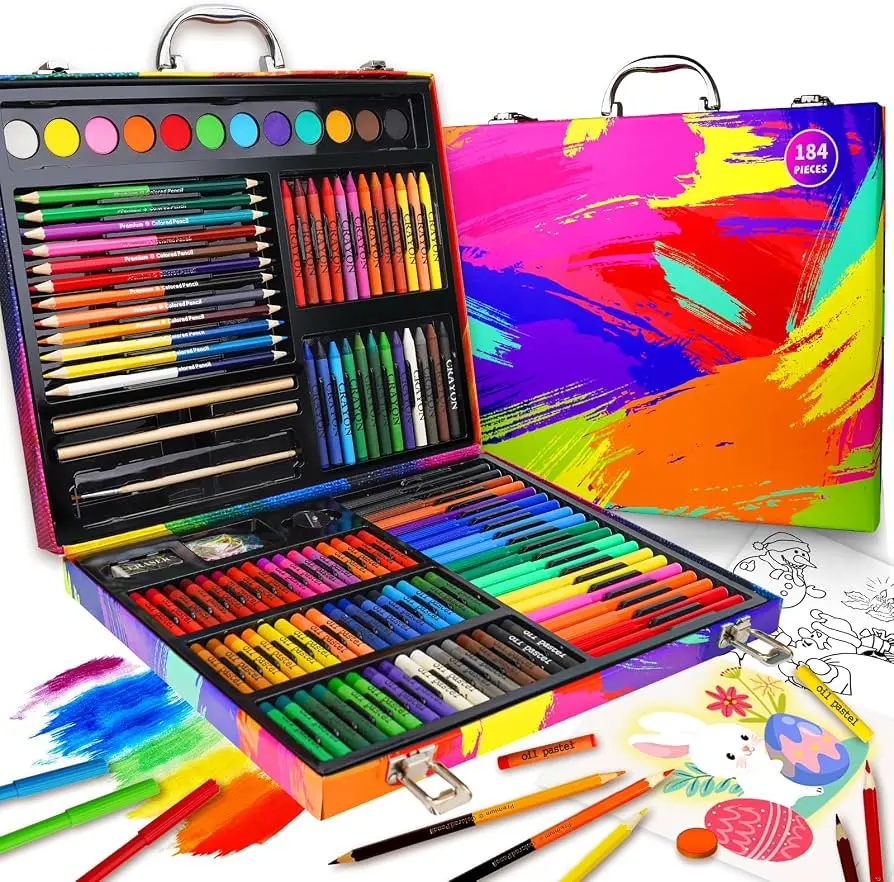
For young children, the focus should be on tactile exploration rather than technical perfection. Start with a core kit that allows for diverse mark-making across different surfaces. High-quality paper is the most important foundation; avoid thin printer paper, which tears easily when wet. Instead, opt for 70-pound weight drawing paper or dedicated construction paper that can handle glue and paint.
When selecting basic tools, prioritize safety and ergonomics. Choose "chunky" or triangular-shaped crayons and markers, as these are easier for small hands to grip while developing fine motor skills. Always ensure that every item is labeled "non-toxic" and "washable." This simple step significantly reduces stress for both the child and the parent during cleanup, allowing the focus to remain on the joy of creation.
- Thick, triangular crayons for better grip.
- Washable markers with broad tips.
- 70lb weight drawing paper or cardstock.
- Non-toxic, child-safe glue sticks.
- Blunt-tipped metal or high-quality plastic scissors.
How to organize art supplies for kids
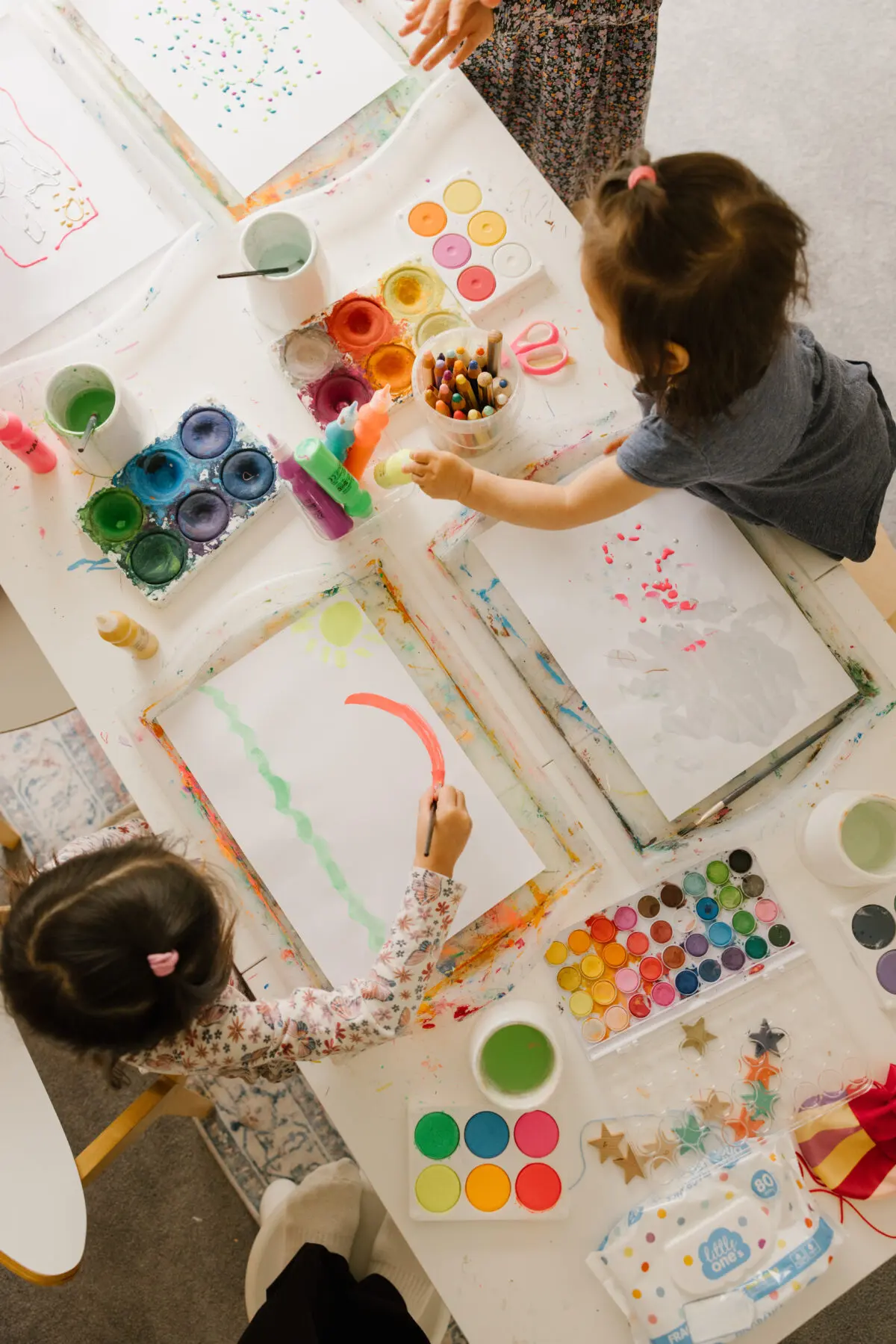
An organized art station encourages independence and reduces the likelihood of supplies being lost or damaged. Use clear, low-profile bins or caddies to store items so children can see exactly what is available. Placing supplies at a height reachable by the child empowers them to initiate projects on their own without needing constant adult assistance to locate materials.
Rotate your supplies to keep interest high and prevent clutter. Instead of putting out every marker, crayon, and sticker simultaneously, offer a curated selection that changes every few weeks. This strategy mimics a professional art studio environment and prevents the overwhelming "decision fatigue" that can sometimes lead to messy, unproductive play. Keep a dedicated "work-in-progress" bin for unfinished projects to help children learn the value of returning to their work later.
- Sort supplies into clear, labeled bins or trays.
- Place the most frequently used items at the child's eye level.
- Dedicate a specific, easy-to-clean surface as the primary art area.
- Keep a "trash bin" nearby to instill good cleanup habits immediately.

Best painting materials for young artists
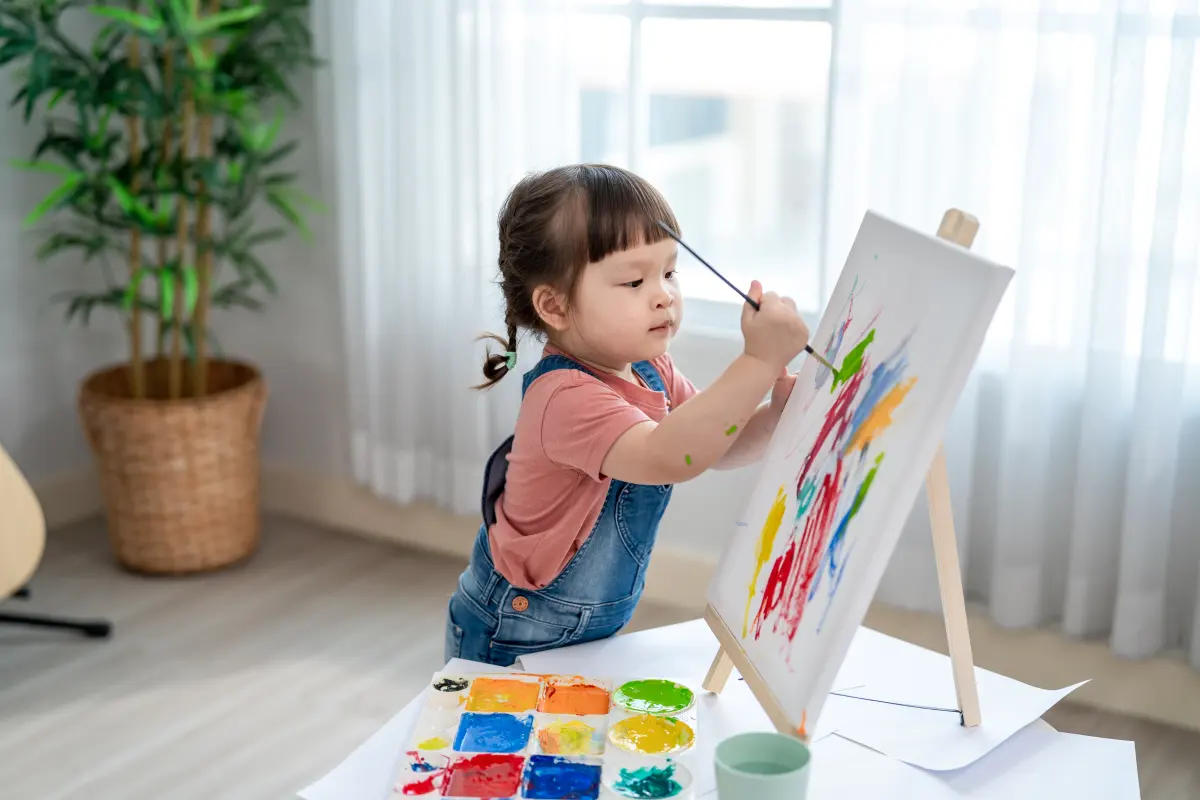
Painting is a sensory-rich experience that helps children understand color theory and spatial relationships. For children under age six, tempera paint is the industry standard because it is opaque, dries quickly, and cleans up easily with soap and water. Avoid watercolors initially, as they often frustrate young children who struggle to control the water-to-pigment ratio required for vibrant results.
Invest in at least three sizes of synthetic-bristle brushes. A large flat brush is perfect for covering backgrounds, while a small round brush allows for detail work. To prevent muddy colors, teach children to rinse their brushes thoroughly in a jar of water before switching colors. Using a muffin tin as a makeshift palette is an excellent way to provide small, manageable amounts of paint while preventing the entire supply from becoming contaminated.
- Tempera paint (primary colors plus black and white).
- Synthetic-bristle brushes in flat and round shapes.
- Muffin tins for mixing and holding small paint portions.
- Oversized shirts or aprons to protect clothing.
Common mistakes when buying art supplies
One of the most frequent errors parents make is purchasing cheap, "dollar store" quality materials. Low-grade markers often dry out within hours, and bargain-bin paints are frequently too thin or watery to provide satisfying coverage. When a child’s tools fail to perform—such as a crayon that snaps under light pressure—it creates unnecessary frustration that can discourage them from pursuing art altogether.
Another common mistake is providing too many options at once. When a child is presented with dozens of colors and tools, they often become distracted or paralyzed by choice. Limit the palette to the three primary colors plus black and white to teach color mixing. This constraint forces the child to experiment with blending rather than simply grabbing a new color from a massive, disorganized pile. Quality over quantity is the golden rule for fostering long-term artistic engagement.
- Buying oversized "starter kits" containing low-quality, disposable items.
- Using standard printer paper for wet media like paint or glue.
- Forgetting to provide a dedicated surface protector like a vinyl mat.
Why art supplies should be age-appropriate
Developmental stages dictate how a child interacts with art materials. Toddlers are in the sensory phase, where the act of smearing paint or making marks is more important than the final product. As children reach school age, they begin to develop the fine motor control necessary for drawing recognizable shapes and figures. Selecting tools that match these stages ensures that the child is challenged just enough to grow without becoming discouraged by physical limitations.
As children mature, introduce more complex media like watercolors, oil pastels, or clay. These materials require more patience and technique, which helps build focus and persistence. Always supervise the use of small items like beads or fine-point pens to ensure safety. By aligning the complexity of the supplies with the child’s current developmental level, you provide a rewarding experience that evolves alongside their growing skills and creative confidence.
Key facts
- Choose "washable" markers and paints to ensure easy removal from skin, clothing, and household surfaces.
- Use heavy-weight paper (at least 80 lb or 120 gsm) to prevent tearing or buckling when using liquid paints or markers.
- Invest in a set of primary colors—red, blue, and yellow—to teach children how to mix secondary colors like green, orange, and purple.
- Store supplies in clear, labeled bins to encourage independence and help children learn how to organize their own workspace.
- Provide a dedicated "messy" area, such as a plastic mat or newspaper-covered table, to reduce anxiety about spills and stains.
- Always cap markers tightly after use and store them upside down to keep the ink flowing to the tip for a longer lifespan.
The bottom line
Equipping a child for artistic expression requires focusing on quality over quantity. By selecting non-toxic, washable materials and providing a dedicated, organized space, you foster a creative environment that minimizes stress for both parent and child. Start with basic, versatile tools that encourage experimentation, and prioritize the process of making art over the final result to help young creators build confidence and essential motor skills.
People also ask
At what age can children start using scissors
Most children develop the fine motor skills required for cutting around age three or four. Start with blunt-tipped, spring-loaded safety scissors designed specifically for small hands to ensure a controlled and safe experience.
Should I buy professional-grade art supplies for my child?
Professional supplies are often unnecessary and expensive for young children. Student-grade materials are formulated to be safer, non-toxic, and easier to clean, which is more important for developmental play than high-end pigment quality.
How do I prevent art supplies from drying out?
The most common mistake is leaving caps off markers or paint jars. Establish a routine where the child must "click" the cap shut before moving to the next task to ensure supplies remain usable for months.
What is the best way to display children's artwork?
Use a dedicated wall space with removable adhesive hooks or a clothesline with wooden clips. This approach avoids damaging walls with tape and allows children to rotate their gallery frequently, boosting their creative confidence.
How many colors do kids really need?
A basic set of 8 to 12 colors is ideal for beginners. Too many options can be overwhelming and lead to "muddy" colors when mixed, whereas a limited palette encourages experimentation and color theory exploration.
Are oil pastels better than crayons?
Oil pastels offer vibrant, buttery textures that blend well, but they are permanent and can stain surfaces. Crayons are more durable, portable, and mess-free, making them the superior choice for younger toddlers or travel.
This answer was created with the help of AI research tools and reference sources. Spotted an error? Let us know — we correct mistakes quickly. See our editorial policy.