What is epoxy resin?
Short answer
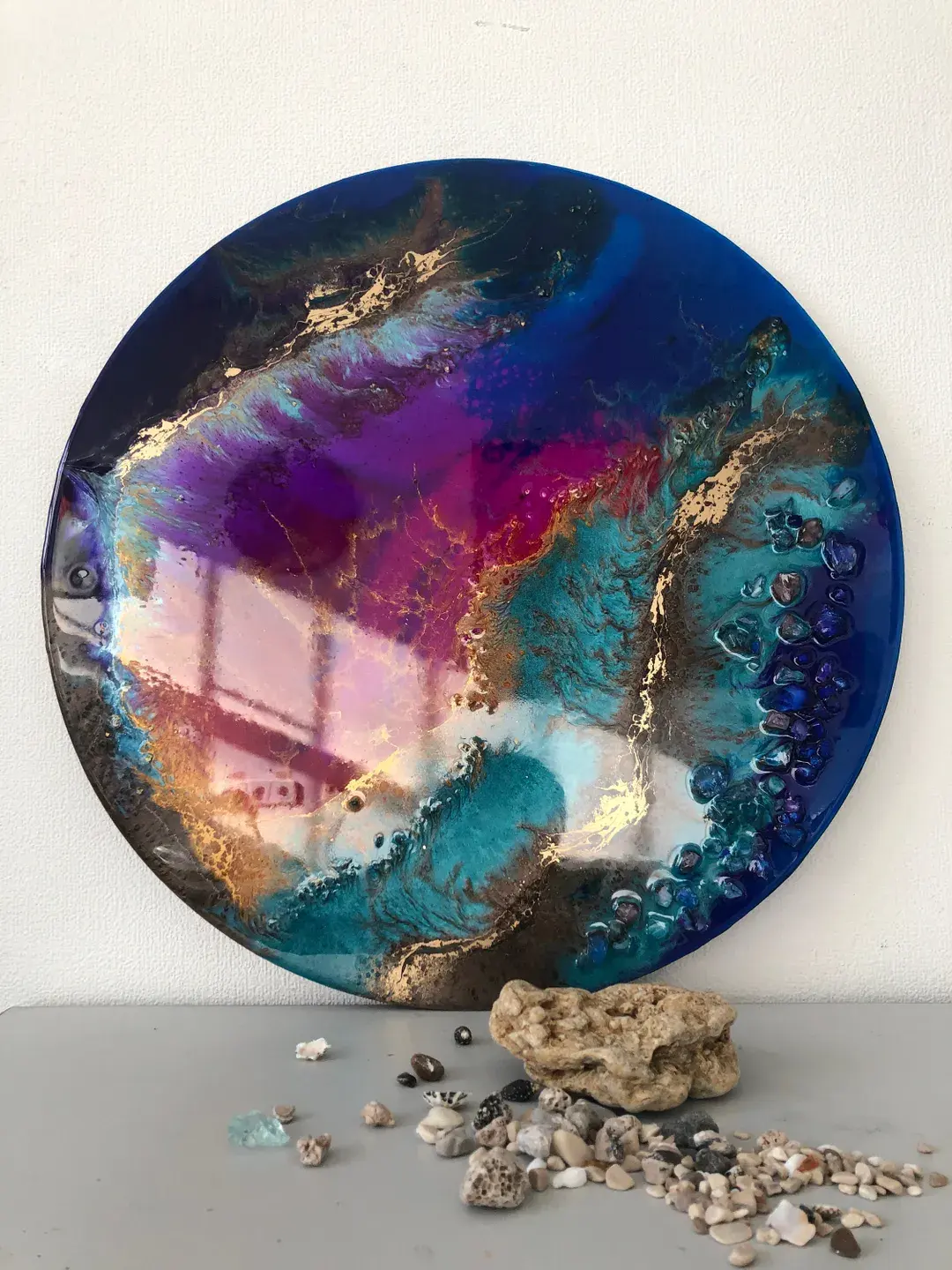
Epoxy resin is a versatile synthetic polymer formed by the chemical reaction between an epoxide resin and a polyamine hardener. When mixed, these two components undergo polymerization, transforming from a viscous liquid into a durable, heat-resistant, and chemically inert solid. It is widely used in adhesives, protective coatings, and artistic casting projects.
On this page
What is epoxy resin made of?
Epoxy resin is a member of the thermosetting polymer family, meaning once it cures, it cannot be melted or reshaped by heat. The material consists of two distinct parts: the resin itself, which contains the epoxide groups, and the hardener, which acts as a catalyst to initiate the cross-linking process. When combined, these molecules form a dense, three-dimensional network that provides the material with its characteristic strength and rigidity.
The chemical formulation can be adjusted to change the final properties of the cured plastic. Manufacturers add various fillers, pigments, and additives to alter the viscosity, flexibility, or UV resistance of the mixture. Understanding the chemistry helps users select the right product for their specific needs, whether they are performing structural repairs or creating decorative crafts.
- Bisphenol A (BPA) or Bisphenol F (BPF) based resins.
- Amine-based hardeners for room-temperature curing.
- Reactive diluents to lower viscosity for easier pouring.
- UV stabilizers to prevent yellowing over time.
How long does it take to cure?
The curing process occurs in stages, beginning with the "pot life" or working time, which is the period the mixture remains liquid enough to apply. Depending on the specific formula and ambient temperature, this stage typically lasts between 20 and 60 minutes. Once the mixture is poured, it enters the "gel time," where it becomes tacky and begins to harden significantly.
Full cure, where the resin reaches its maximum hardness and chemical resistance, usually takes between 24 and 72 hours. Factors such as room temperature and humidity play a critical role in this timeline; warmer environments generally accelerate the reaction, while colder conditions can cause it to stall or remain sticky. It is essential to monitor the environment to ensure a successful outcome.
- Measure the resin and hardener precisely according to the manufacturer's ratio.
- Mix the two components thoroughly for at least three minutes, scraping the sides of the container.
- Pour the mixture into your mold or onto the surface within the specified pot life.
- Allow the project to sit undisturbed in a dust-free, temperature-controlled environment until fully cured.
Best epoxy resin for beginners
For those new to working with epoxy, selecting a "casting" or "coating" resin is the most important first step. Coating resins are thinner and designed for thin layers, such as sealing tabletops or artwork, while casting resins are thicker and intended for deep pours, such as filling molds or river tables. Choosing the wrong type often leads to overheating or incomplete curing.
Beginners should look for products labeled as "easy mix" or those with a simple 1:1 mixing ratio by volume. These are much more forgiving than products requiring complex weight-based ratios. Additionally, many beginner-friendly kits include safety gear and mixing tools, which helps ensure that the process remains organized and safe from the start.
- Look for "low VOC" or "low odor" formulas to improve indoor air quality.
- Choose a resin with a long working time to reduce stress during the pouring process.
- Prioritize brands that provide clear instructions and technical data sheets.
- Start with small projects, like coasters or jewelry, to practice technique before attempting large furniture pieces.

Why bubbles happen in epoxy
Bubbles are a common frustration when working with resin, often caused by improper mixing or trapped air during the pouring process. When you stir the two components together, you introduce air into the mixture; if the resin is highly viscous, these bubbles cannot rise to the surface to pop on their own. Pouring from too high of a distance can also whip additional air into the liquid.
To mitigate this, many professionals use a heat gun or a small butane torch to pass quickly over the surface of the poured resin. The heat lowers the surface tension of the liquid, allowing the bubbles to rise and burst instantly. However, be careful not to overheat the resin, as this can cause it to smoke or cure unevenly.
- Stir slowly and steadily rather than whipping the mixture.
- Use a vacuum chamber if you are working on professional-grade casting projects.
- Pour the resin into the mold in a thin stream to minimize air entrapment.
- Let the mixed resin sit for a few minutes before pouring to allow air to escape.
Common mistakes when using epoxy
The most frequent error is inaccurate measuring, which prevents the chemical reaction from completing. Even a slight imbalance between the resin and hardener can result in a surface that stays tacky or soft indefinitely. Always use graduated mixing cups and follow the manufacturer's instructions to the letter, as guessing the ratio will almost always lead to failure.
Another common mistake is failing to prepare the workspace or the substrate correctly. Epoxy will not adhere to surfaces contaminated with oil, dust, or moisture. Furthermore, ignoring safety protocols—such as wearing gloves and working in a well-ventilated area—can lead to skin irritation or respiratory issues. Always treat the chemicals with respect and ensure you have all your materials ready before you begin the mixing process.
Key facts
- Epoxy resin is a thermosetting polymer created by mixing a resin and a hardener, which triggers a chemical reaction known as polymerization.
- The material transitions from a liquid to a solid state, forming a durable, heat-resistant, and chemically stable plastic.
- Always wear nitrile gloves and work in a well-ventilated area, as uncured epoxy can cause skin irritation and respiratory issues.
- Precise measuring is critical; even a slight deviation from the manufacturer’s specified ratio can result in a sticky or soft final product.
- Epoxy is widely used as a high-strength adhesive, a protective coating for flooring, and a medium for creating decorative art pieces.
- To avoid bubbles, stir the mixture slowly and gently, then use a heat gun or torch to briefly pass over the surface after pouring.
The bottom line
Epoxy resin is a versatile, two-part chemical system that transforms from a liquid into a rock-hard, durable plastic. Whether you are repairing a broken item, coating a floor, or crafting art, success depends on precise measurement and thorough mixing. By maintaining a clean workspace and following safety protocols, you can harness this powerful material to create long-lasting, professional-grade results for a wide variety of projects.
People also ask
Is epoxy resin waterproof once it has cured?
Yes, once fully cured, epoxy resin is completely waterproof and resistant to moisture. This makes it an excellent choice for sealing wooden boats, countertops, and outdoor furniture.
How long does it take for epoxy resin to dry?
Most epoxies become "tack-free" within 4 to 12 hours, but they typically require 24 to 72 hours to reach their full structural strength. The exact time depends on the specific brand, ambient temperature, and humidity levels.
Can epoxy resin be used over any surface?
Epoxy adheres well to wood, concrete, metal, and glass, but it may have trouble sticking to oily or waxy surfaces like silicone or polyethylene plastic. Proper surface preparation, such as sanding and cleaning with isopropyl alcohol, is essential for a strong bond.
What happens if I mix the resin and hardener incorrectly?
If the ratio is off, the epoxy may remain tacky, soft, or brittle indefinitely. It is vital to use a digital scale or graduated mixing cups to ensure the precise chemical balance required for hardening.
Is epoxy resin toxic after it cures?
Once fully cured, epoxy resin is generally considered inert and safe for incidental contact. However, it is not typically food-safe unless the specific product has been certified as food-grade by the manufacturer.
Can I change the color of clear epoxy resin?
Yes, you can tint epoxy using specialized liquid pigments, mica powders, or alcohol inks. Only use additives designed for resin to avoid interfering with the curing process or the clarity of the material.
This answer was created with the help of AI research tools and reference sources. Spotted an error? Let us know — we correct mistakes quickly. See our editorial policy.