What is cold process soap?
Short answer
Cold process soap is a traditional method of soapmaking created by mixing fats or oils with a strong alkali, typically sodium hydroxide. Through a chemical reaction called saponification, these ingredients transform into soap and glycerin. The process requires a curing period of four to six weeks to ensure the water evaporates and the bars harden.
On this page
How is cold process soap made?
Cold process soap is created through the chemical reaction known as saponification. Soapmakers begin by melting solid fats, such as coconut oil, palm oil, or shea butter, and combining them with liquid oils like olive or sweet almond oil. A lye solution, made by dissolving sodium hydroxide flakes in water, is then carefully stirred into the oils. As the mixture reaches a state called "trace"—where the soap thickens to the consistency of thin pudding—essential oils, fragrances, or natural colorants are added before the batter is poured into a mold.
The chemical transformation begins immediately, but the soap remains soft for the first 24 to 48 hours. During this time, the soap undergoes a gel phase, where the internal temperature rises significantly, often causing the colors to appear more vibrant. Once the soap is firm enough to handle, it is removed from the mold and sliced into individual bars. Because no external heat is applied during the mixing process, the method is termed "cold process," though the chemical reaction itself produces a natural, self-sustaining heat.
How long does it take to cure?
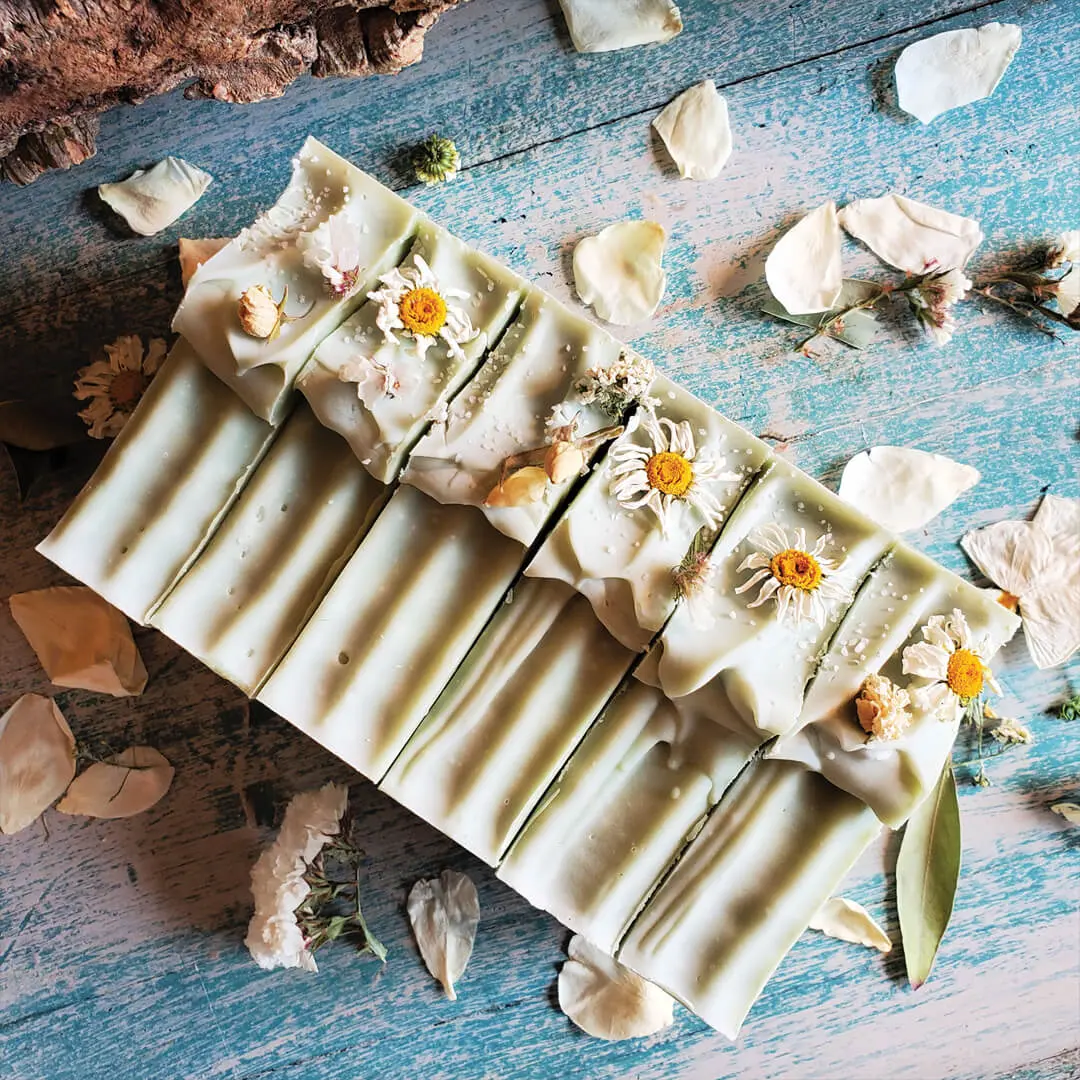
The curing process is the most critical stage for achieving a high-quality, long-lasting bar of soap. While the soap is technically safe to use once saponification is complete, it contains excess water that must evaporate to ensure the bar is hard and mild on the skin. This phase typically lasts between four and six weeks, depending on the humidity of the environment and the specific oils used in the recipe. If soap is used too early, it will be soft, produce a slimy lather, and dissolve rapidly in the shower.
To properly cure soap, follow these guidelines:
- Place bars in a cool, dry area with good air circulation.
- Space the bars out so air can reach all sides of the soap.
- Avoid direct sunlight, which can fade natural colors or cause fragrance oils to oxidize.
- Use a wire rack or a wooden shelf to maximize airflow underneath the bars.
- Rotate the bars occasionally to ensure even evaporation across the entire surface.
Why is it different from melt and pour?
Many beginners confuse cold process soap with "melt and pour" soap, but the two methods differ significantly in their chemistry and composition. Melt and pour soap is a pre-made base that has already undergone saponification in a factory; the crafter simply melts the base, adds scent, and pours it into a mold. Because the chemical reaction is already complete, melt and pour soap can be used immediately. It is often transparent due to the addition of solvents like propylene glycol or sugar, which are not present in traditional cold process bars.
Cold process soap is considered a more artisanal, "from scratch" approach. It allows the maker complete control over every ingredient, from the specific fatty acid profile of the oils to the inclusion of botanicals, clays, or goat milk. Because the glycerin—a natural humectant that draws moisture to the skin—is retained in the bar rather than removed, cold process soap is frequently cited as being more moisturizing than mass-produced commercial detergents. Commercial bars are often stripped of their natural glycerin to be sold separately in lotions, leaving the soap harsh and drying.
Common mistakes when making soap
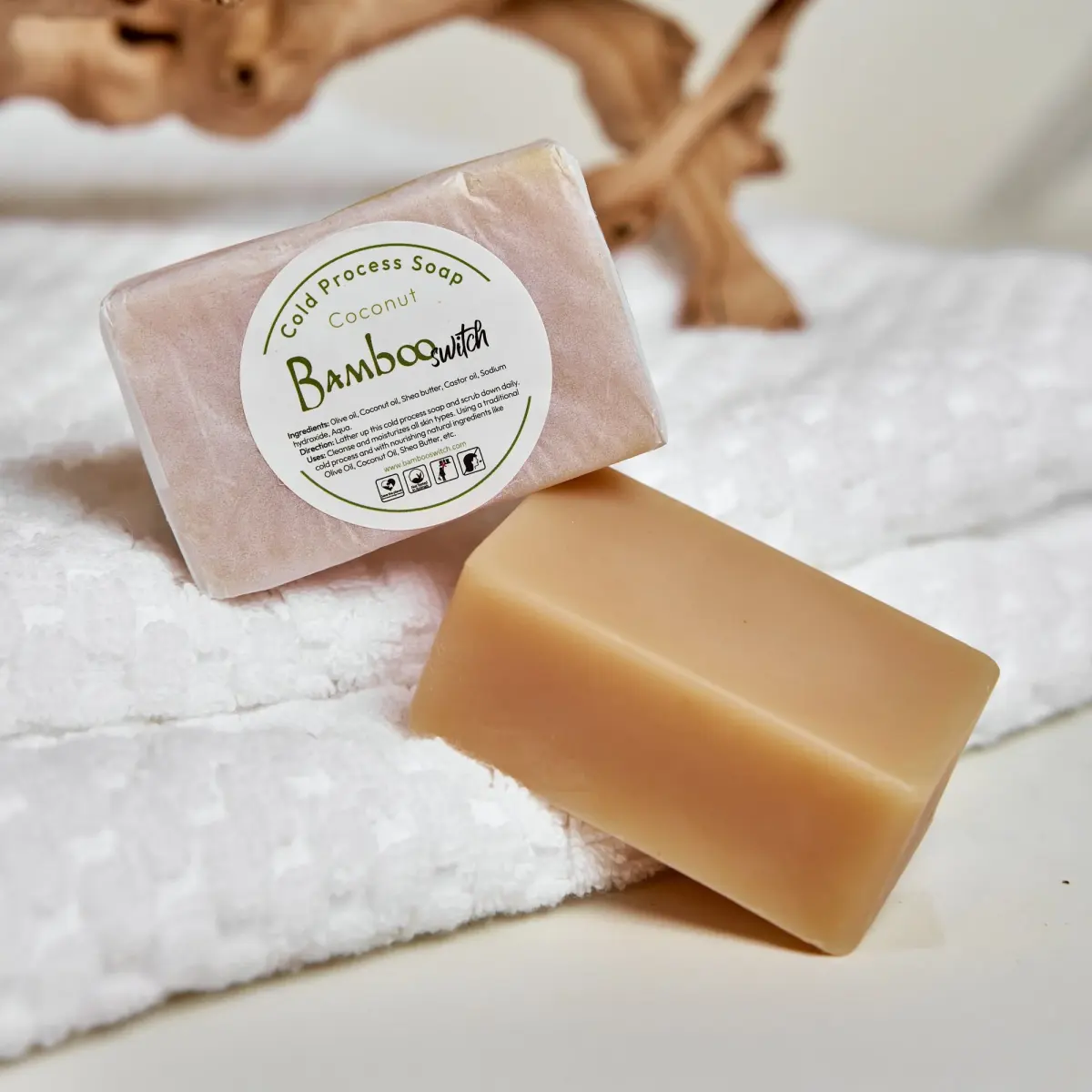
Safety and precision are the foundations of successful soapmaking. The most common error is failing to measure ingredients by weight rather than volume. Because lye is a caustic substance, even a small discrepancy in the amount of fat or alkali can result in a bar that is either too oily or dangerously caustic. Always use a digital scale to ensure accuracy, and never substitute one oil for another without recalculating the recipe using a lye calculator, as every oil requires a specific amount of sodium hydroxide to saponify correctly.
- Always wear safety goggles and gloves when handling lye, as it can cause severe chemical burns.
- Add lye to water, never water to lye, to prevent a "volcano" effect of hot, caustic liquid.
- Avoid using aluminum equipment, as lye reacts with the metal and can release toxic fumes.
- Ensure you reach a proper trace; if the mixture is too thin, the oil and lye may separate in the mold.
- Do not rush the unmolding process; if the soap is too soft, it will stick to the mold and ruin the design.
Best oils for beginners
Selecting the right fats is essential for a balanced bar that is both cleansing and moisturizing. Beginners should start with a simple recipe that is easy to work with and produces a reliable result. A popular "beginner blend" often includes olive oil for mildness, coconut oil for cleansing power and hard bubbles, and palm oil or lard for structural stability. These fats create a balanced bar that is neither too soft nor too stripping.
- Olive oil: Provides a gentle, conditioning lather but takes longer to harden.
- Coconut oil: Creates large, fluffy bubbles and a very hard bar, but can be drying if used in excess.
- Shea butter: Adds luxury and skin-soothing properties, though it can speed up the thickening process.
- Castor oil: A small amount—usually 5%—greatly improves the stability and creaminess of the lather.
- Sunflower oil: An affordable, high-vitamin alternative to olive oil that is easy to source and work with.
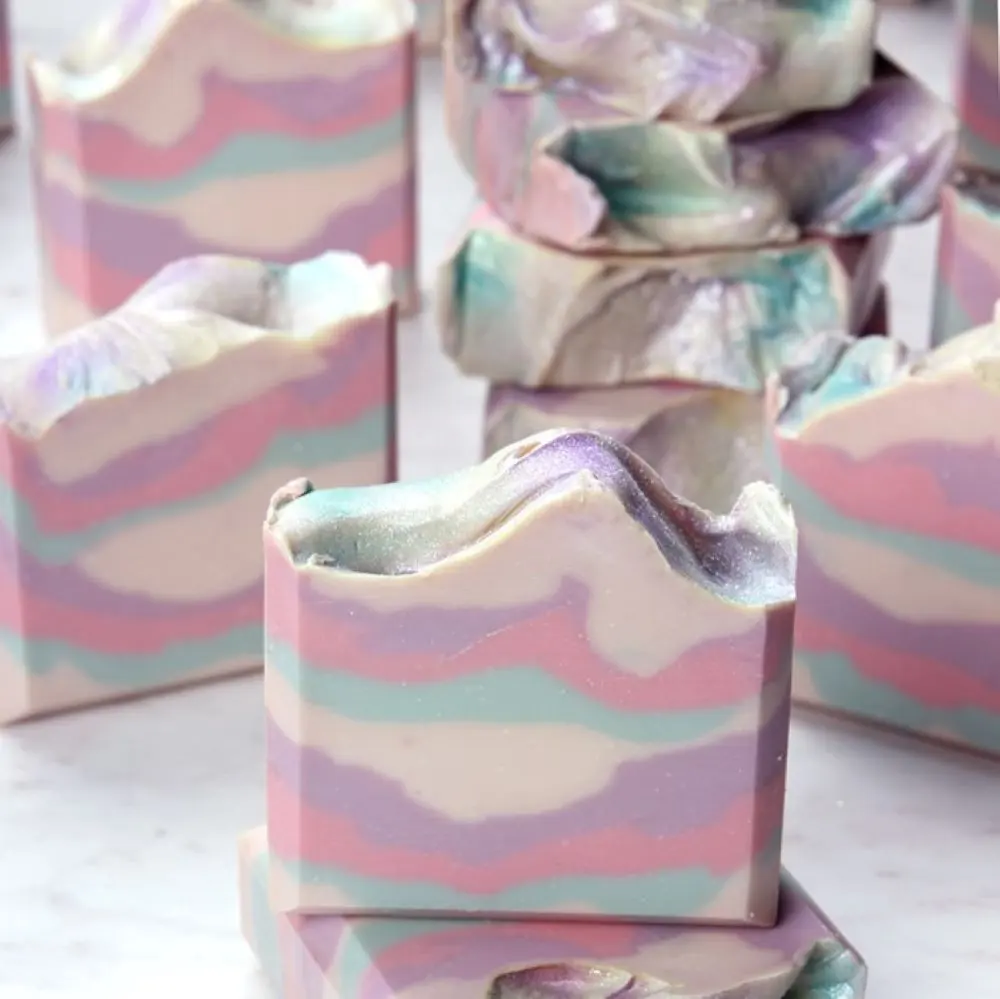
By sticking to these fundamental ingredients, a new soapmaker can master the technique of emulsion and trace before experimenting with more complex additives or intricate, decorative swirl designs.
Key facts
- Cold process soap is created through saponification, a chemical reaction between fats or oils and sodium hydroxide (lye).
- The "cold" in the name refers to the fact that no external heat source is applied to the soap batter during the saponification process.
- Once poured into molds, the soap must cure for four to six weeks to allow excess water to evaporate and the bar to harden.
- A digital scale is essential, as soap making requires precise measurements by weight rather than volume to ensure safety and chemical balance.
- Protective gear, including goggles and gloves, is mandatory because lye is a caustic substance that can cause chemical burns.
- Cold process soap naturally retains glycerin, a humectant that draws moisture to the skin, which is often removed from mass-produced commercial bars.
The bottom line
Cold process soap is a traditional craft that transforms fats and lye into a gentle, moisturizing cleanser through the science of saponification. By mastering precise measurements and safety protocols, crafters can produce high-quality, customized bars that retain natural glycerin. While the process requires patience during the weeks-long curing phase, the result is a superior, long-lasting product that offers significant benefits over mass-produced synthetic alternatives.
People also ask
Is cold process soap safer for sensitive skin than commercial soap?
Many people find cold process soap gentler because it contains natural glycerin and allows for the inclusion of skin-loving oils like olive or shea butter. Unlike commercial detergents, it lacks synthetic foaming agents and harsh preservatives that can trigger irritation.
Can I make cold process soap without using lye?
It is chemically impossible to make true soap without lye, as the reaction between an acid (fat) and a base (lye) is the definition of saponification. If a product is made without lye, it is technically a synthetic detergent bar rather than soap.
Why do I need to let the soap cure for several weeks?
Curing allows the water used to dissolve the lye to evaporate, resulting in a harder, longer-lasting bar. It also ensures the saponification process is fully complete, making the soap milder and safer for your skin.
What is "superfatting" in soap making?
Superfatting is the practice of adding extra oil to the recipe beyond what the lye can consume during saponification. This leaves a small percentage of unsaponified oil in the final bar, which provides extra moisturizing properties.
What are the most common mistakes beginners make?
The most frequent errors include measuring ingredients by volume instead of weight and failing to wear proper safety equipment. Beginners also often rush the process by cutting the soap too early or using fragrance oils that cause the batter to "seize" or harden instantly.
How should I store my handmade soap?
To maximize the lifespan of your soap, store it in a well-draining soap dish that allows air to circulate around the bar. Keeping it dry between uses prevents it from becoming soft or mushy.
This answer was created with the help of AI research tools and reference sources. Spotted an error? Let us know — we correct mistakes quickly. See our editorial policy.