What is a speech bubble?
Short answer
A speech bubble is a graphic convention used in comics and cartoons to represent vocalized speech. It typically consists of a balloon-shaped enclosure containing text, connected to a speaker by a tail or pointer. This device allows readers to identify which character is speaking and follow the flow of dialogue.
On this page
What is the history of speech bubbles?
The use of text integrated into visual art dates back to the Middle Ages, appearing in European manuscripts and religious paintings as "banderoles" or scrolls. These early versions functioned as speech indicators, often floating near the mouths of figures to clarify their spoken words or prayers. However, the modern speech bubble as we recognize it today did not emerge until the late 19th century.
The transition occurred during the rise of newspaper comic strips in the United States. Richard F. Outcault, the creator of The Yellow Kid in 1896, is frequently credited with popularizing the convention. By placing dialogue directly within the image rather than relying on captions below the panel, creators could create a more immediate connection between the character's expression and their words. This innovation fundamentally changed how sequential art is consumed, transforming it into a medium that balances visual narrative with literary dialogue.
How do speech bubbles indicate different emotions?
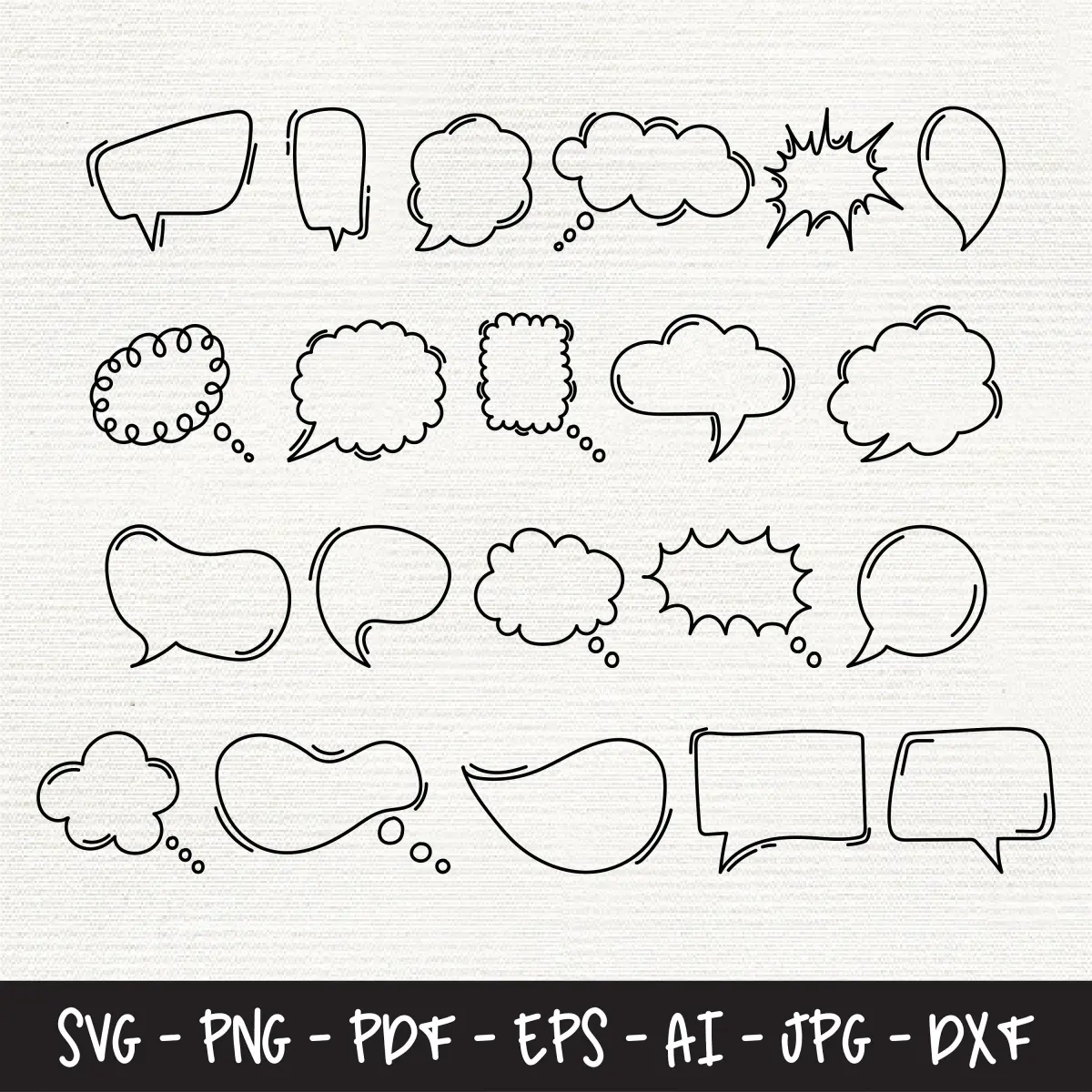
The shape and style of a speech bubble often convey the tone or volume of the dialogue. While a standard bubble features a smooth, rounded outline, variations in design provide visual cues that help the reader interpret the character's internal state. These subtle adjustments are essential for storytelling without relying solely on descriptive text.
Common variations include:
- Jagged or "spiky" outlines to indicate shouting or intense anger.
- Bubbles with "cloud-like" scalloped edges to represent thoughts or dreams.
- Dotted or faint outlines to signify whispering or a character speaking from a distance.
- Bubbles with multiple tails to show that a character is speaking to several people at once.
- Squiggly or melting outlines to denote confusion, intoxication, or physical illness.
By altering these visual elements, artists can communicate complex emotional subtexts. A character shouting in a panic will have a bubble that visually vibrates, whereas a thoughtful character will appear surrounded by soft, ethereal borders that suggest internal reflection.
How to draw a speech bubble correctly?
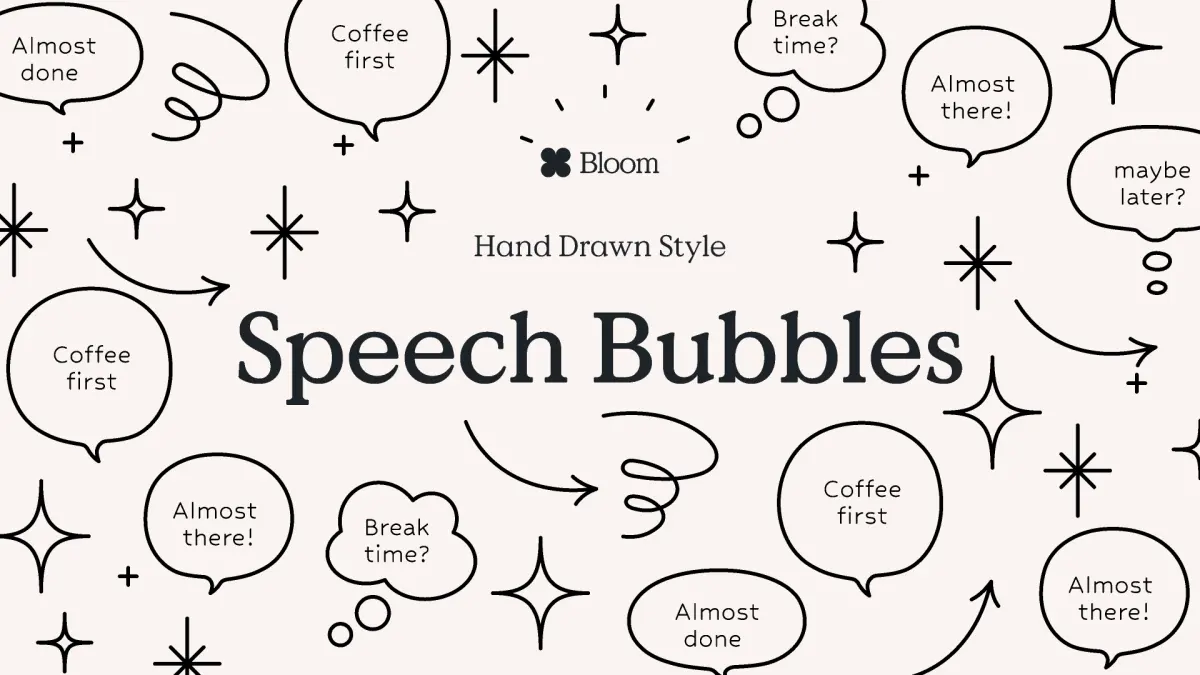
Creating effective speech bubbles requires balancing the text with the surrounding artwork. The goal is to ensure the dialogue is legible without obscuring vital visual details. When drawing, you must consider the placement of the tail, which acts as a directional guide for the reader's eye.
Follow these steps to create a professional-looking bubble:
- Sketch the text first to determine how much space you need, ensuring you leave a margin of white space around the words.
- Draw a soft, oval-shaped container around the text, keeping the lines clean and consistent.
- Attach a tail that points toward the speaker's mouth, ensuring it does not cross over the character's face or eyes.
- Use a ruler or digital tool to keep the lines smooth, as shaky outlines can distract from the narrative.
- Place the bubbles in the order they should be read, typically from top to bottom or left to right.
Why is speech bubble placement important?
The placement of bubbles is critical for maintaining the logical flow of a comic strip or graphic novel. Because readers scan pages in specific patterns—usually in a "Z" formation—the arrangement of dialogue must align with this natural movement. Poor placement can cause confusion, forcing the reader to backtrack to understand who spoke first.
If a bubble is placed incorrectly, the reader may misidentify the speaker or lose the rhythm of the conversation. To avoid this, artists often use a technique called "leading," where the tail of the bubble directs the eye directly to the speaker's mouth. Furthermore, bubbles should never overlap important action or facial expressions unless the intent is to show a character being physically overwhelmed. Keeping the layout clean ensures that the visual storytelling remains the primary focus, while the dialogue provides the necessary context for the scene.
Common mistakes when using speech bubbles?
Even experienced creators can fall into traps that hinder the reading experience. One of the most frequent errors is overcrowding the bubble, which occurs when the text is too large or the margins are too thin. This makes the dialogue feel cramped and difficult to scan, leading to eye strain for the reader.
Another common mistake involves the tail of the bubble. If the tail points too far away from the speaker or overlaps with another character's bubble, it creates ambiguity. Additionally, creators sometimes forget to account for the "gutter" or the space between panels. Placing a bubble too close to the edge of a panel can make it appear as if it is being cut off, which is visually jarring. To maintain high quality, always prioritize clarity and consistency: keep your font size uniform, maintain even spacing, and ensure that every bubble has a clear, unambiguous connection to the character speaking. By following these principles, you ensure the dialogue enhances the art rather than detracting from it.
Key facts
- A speech bubble, also known as a speech balloon, is a graphic convention used in comics and cartoons to allow characters to speak.
- The "tail," or pointer, of the bubble must always clearly indicate which character is the speaker to avoid confusion.
- Speech bubbles are typically read from top to bottom and left to right, mirroring standard Western reading patterns.
- Rounded bubbles usually contain spoken dialogue, while jagged or "electric" edges often denote shouting or intense emotion.
- Rectangular boxes at the top or bottom of a panel are called "captions" and are used for narration rather than direct speech.
- When creating bubbles, ensure the text is centered with consistent margins so the words do not touch the outer edges of the shape.
The bottom line
Speech bubbles are essential visual tools that bridge the gap between static imagery and narrative flow. By using specific shapes, tails, and placement, creators can effectively convey dialogue, tone, and internal thought. Mastering the balance between text and graphic design ensures that readers can follow complex conversations effortlessly. Whether for professional comics or casual sketches, clear communication remains the primary goal of every speech balloon.
People also ask
What does a bubble with small circles leading to a character mean?
This is known as a "thought bubble." It indicates that the character is thinking the words internally rather than speaking them aloud to others in the scene.
How do you decide the size of a speech bubble?
The bubble should be sized to fit the text comfortably while leaving enough "white space" around the words. If the bubble is too large, it creates unnecessary empty space; if too small, the text appears cramped and difficult to read.
Can multiple characters speak in one bubble?
While possible, it is generally discouraged because it confuses the reader regarding who is saying which line. It is better to use separate bubbles or a single bubble with multiple tails if the characters are speaking in unison.
What is the purpose of a square-shaped speech bubble?
Square or rectangular bubbles are often used to signify mechanical or robotic speech. They can also represent transmission through a device like a radio, television, or telephone.
How should I handle long dialogue in a single panel?
Break the dialogue into multiple bubbles rather than one massive, overwhelming shape. This keeps the pacing of the conversation natural and prevents the artwork from being completely obscured.
What is a "whisper" bubble?
A whisper bubble is typically drawn with a dashed or dotted outline. This visual cue signals to the reader that the character is speaking in a low, quiet volume.
This answer was created with the help of AI research tools and reference sources. Spotted an error? Let us know — we correct mistakes quickly. See our editorial policy.