What do you need to start painting?
Short answer
To start painting, you need a basic set of brushes, a palette, a painting surface, and your chosen medium—acrylics, oils, or watercolors. Beyond these, you require a container for water or solvent, rags for cleanup, and a well-lit workspace. Investing in quality student-grade supplies ensures a better experience for beginners.
On this page
How to choose the right paint for beginners
Acrylic paint is widely considered the best medium for beginners because it is water-soluble, dries quickly, and cleans up easily with soap and water. Unlike oil paints, which require specialized solvents like turpentine or mineral spirits, acrylics are non-toxic and odorless. They are versatile, allowing you to paint on canvas, paper, or wood without extensive surface preparation. If you prefer a more fluid, transparent look, watercolors are an excellent alternative. However, watercolors are less forgiving than acrylics because mistakes are difficult to correct once the pigment settles into the paper fibers.
When purchasing your first set, avoid buying the cheapest craft-store paints, as they often lack pigment density and contain excessive binders. Instead, look for "student-grade" paints from reputable manufacturers like Winsor & Newton, Liquitex, or Golden. You only need a basic palette to start:
- Titanium White
- Mars Black
- Primary Red (e.g., Cadmium Red Medium)
- Primary Blue (e.g., Ultramarine)
- Primary Yellow (e.g., Cadmium Yellow Medium)
Best brushes for painting projects
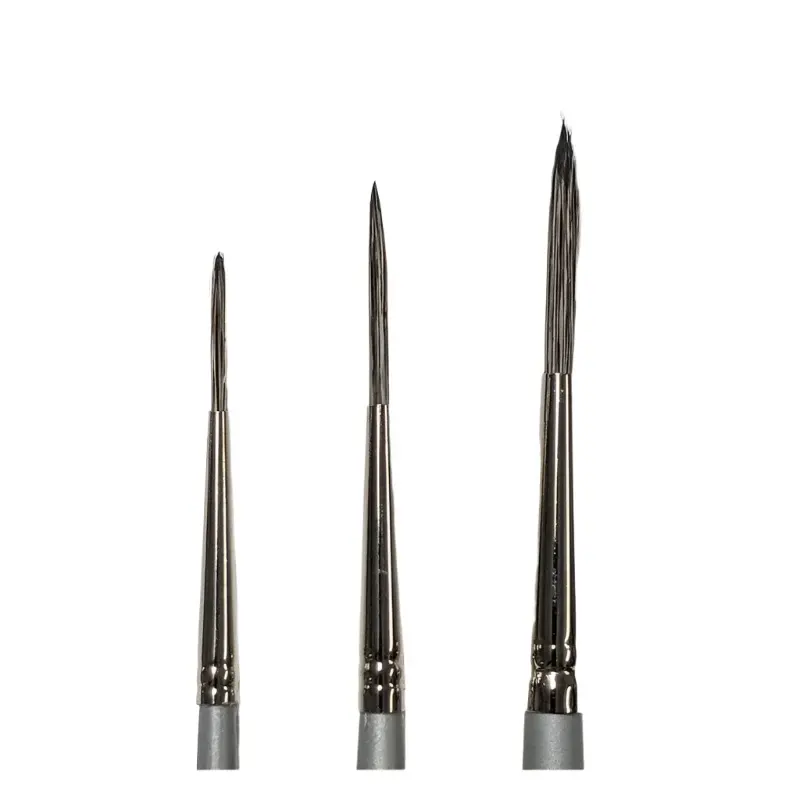
You do not need a massive collection of brushes to begin. A small set of three to five brushes will suffice for most early projects. Beginners should focus on acquiring a mix of shapes and sizes to handle different types of marks. Synthetic brushes are generally preferred for acrylics because they are durable and maintain their shape well under the stress of heavy paint application. Natural hair brushes are better suited for oil painting, as they hold more paint and offer a softer touch.
To build your starter kit, prioritize these specific shapes:
- Round brush (size 4 or 6): Ideal for detail work and thin lines.
- Flat brush (size 8 or 10): Perfect for covering large areas and creating bold, square strokes.
- Filbert brush (size 6): A versatile hybrid with a rounded tip, excellent for blending and soft edges.
- Bright brush (size 4): A short-bristled flat brush that offers more control for stiff, thick paint application.
How to prepare your painting surface
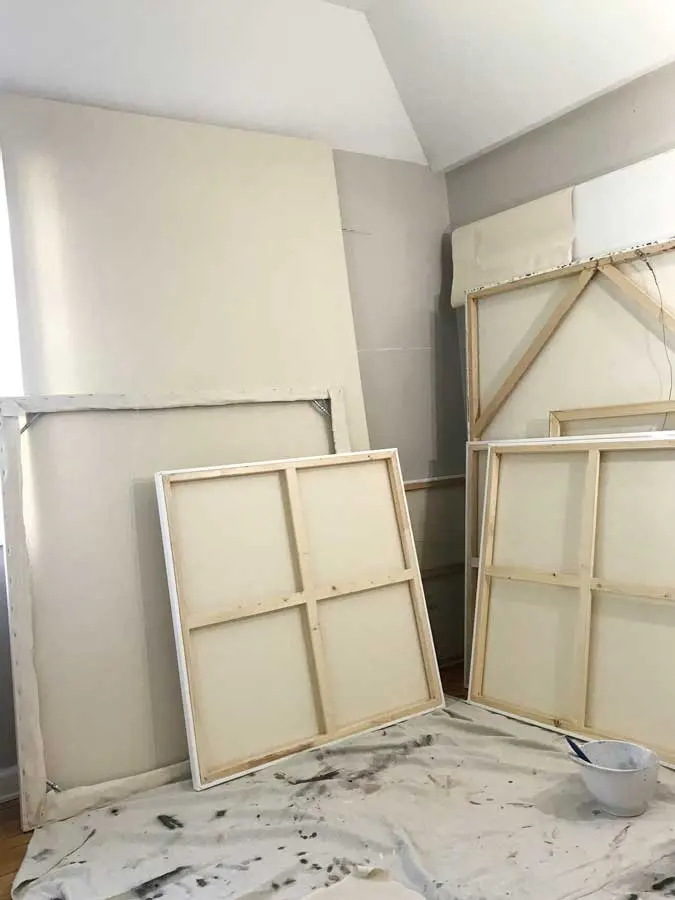
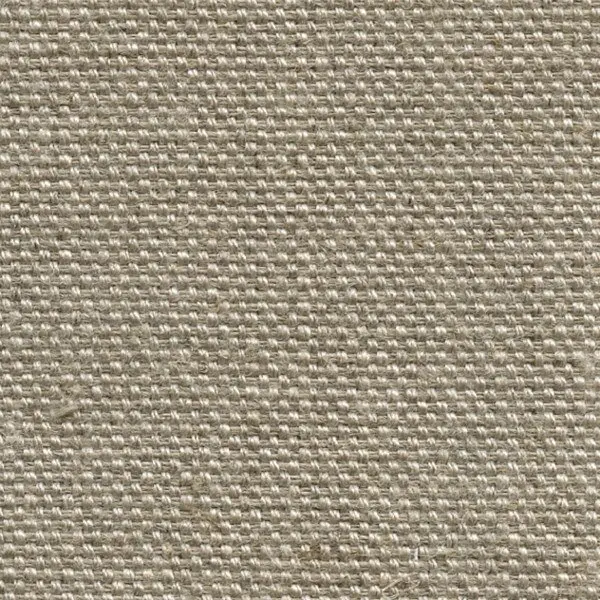
The surface you paint on, known as the substrate, significantly impacts your final result. For acrylics and oils, canvas is the industry standard. Beginners can purchase pre-stretched, gessoed canvases, which are ready to paint on immediately. Gesso is a white primer that seals the surface, preventing the paint from soaking into the fabric and causing it to rot over time. If you are on a budget, heavy-weight canvas pads or thick multimedia paper are excellent, cost-effective alternatives that provide a similar texture to canvas.
If you choose to work with watercolors, you must use specialized watercolor paper, which is typically rated by weight. A weight of 140lb (300gsm) is the industry standard for beginners, as it is thick enough to handle water without buckling or tearing. Avoid standard printer paper or thin drawing paper, as these will warp, pill, and disintegrate when wet. Always ensure your surface is clean and free of dust before you apply your first layer of color.
Essential tools and workspace setup
Beyond paint and brushes, you need a few utility items to keep your process organized. A palette is necessary for mixing colors; plastic palettes work well for acrylics, while wooden or glass palettes are traditional for oils. You will also need a sturdy easel to hold your canvas at eye level, which helps maintain proper posture and perspective. If an easel is not in your budget, you can prop your canvas against a heavy book or work flat on a table, though this may distort your view of the composition.
Keep these items on your table at all times:
- Two jars of water: One for rinsing brushes and one for clean water to thin paint.
- Paper towels or old cotton rags: Essential for wiping excess paint off your brush.
- A spray bottle: Used to mist acrylics on the palette so they do not dry out too quickly.
- Masking tape: Useful for securing paper to a board or creating crisp, clean edges on your canvas.
Common mistakes when starting to paint
A frequent error beginners make is using brushes that are too small for the entire painting. Starting with small brushes often leads to "noodling," or getting lost in tiny details before the overall composition is established. Always start by blocking in large shapes with your largest brush, then move to smaller brushes for refinement. Another common mistake is failing to clean your brushes thoroughly. If paint dries in the ferrule—the metal part connecting the bristles to the handle—the brush will lose its shape and eventually become unusable.
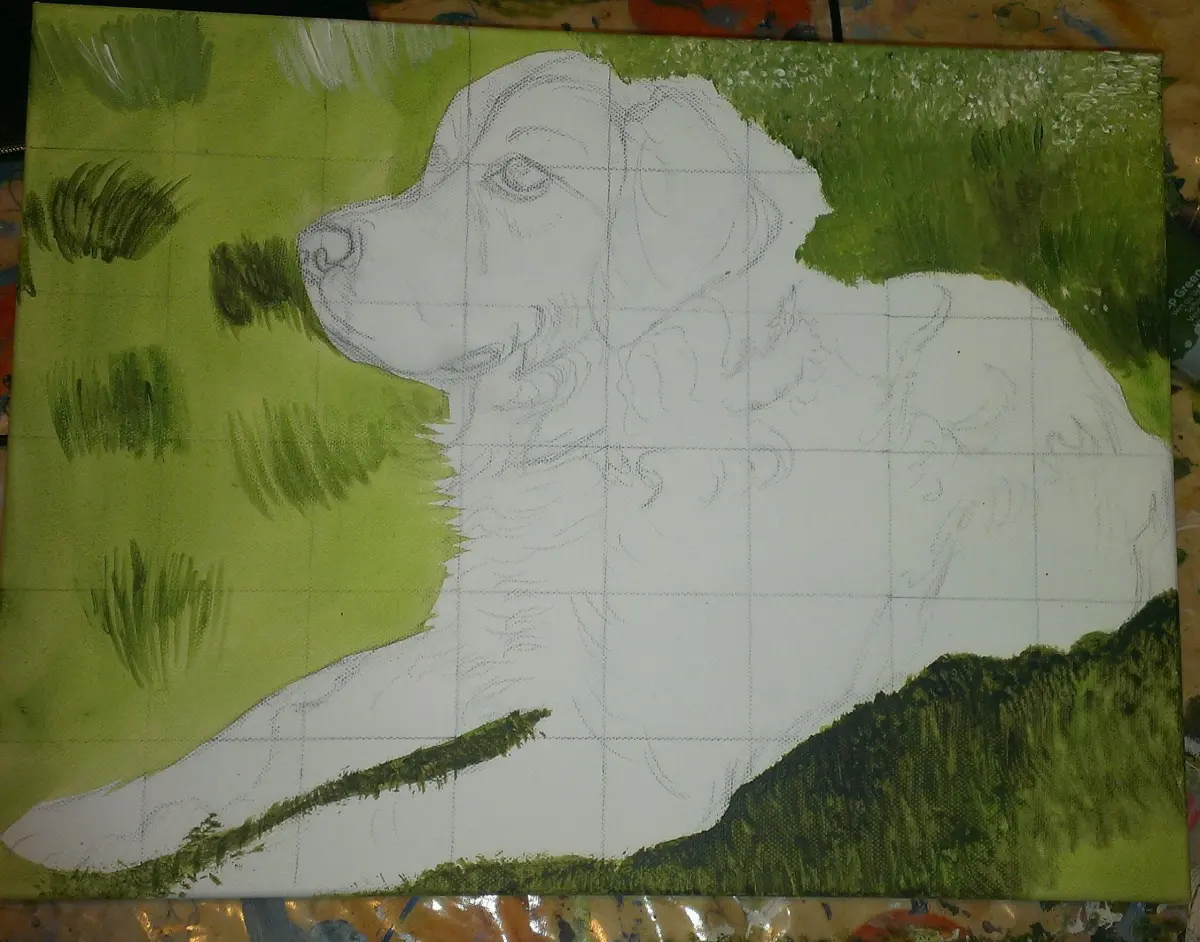
Finally, do not be afraid of making mistakes or "ruining" a canvas. Many beginners hesitate to apply paint because they fear the result will not look professional. Remember that painting is a skill developed through repetition, not intuition. If you are unhappy with a section, let it dry and paint over it; acrylics are particularly good for layering. Avoid over-mixing your colors on the palette, which can result in a muddy, dull gray. Instead, mix colors partially to retain vibrancy and visual interest in your brushstrokes as you practice.
Key facts
- Choose between oil, acrylic, or watercolor paints as your primary medium, as each requires different solvents and drying times.
- Invest in a set of synthetic brushes in various shapes, such as flats, rounds, and filberts, to handle different mark-making techniques.
- Use a palette made of wood, plastic, or glass to mix your colors effectively before applying them to the canvas.
- Primed surfaces like stretched canvas, wood panels, or heavy-weight watercolor paper are essential to prevent paint from soaking into the support.
- Natural light is the best illumination for painting because it provides the most accurate color representation for your work.
- Keep a jar of water or solvent nearby to clean your brushes immediately after use to prevent paint from hardening in the bristles.
The bottom line
Starting your painting journey requires only a few essential tools: a basic set of paints, a variety of brushes, a palette, and a primed surface. Focus on mastering color mixing and brush control rather than accumulating expensive supplies. By maintaining your equipment and practicing consistently in a well-lit space, you will develop the technical skills necessary to express your creative vision with confidence and clarity.
People also ask
Should I buy expensive professional-grade paint as a beginner?
It is generally better to start with student-grade paints to learn color mixing and consistency without overspending. Professional paints have higher pigment loads, which can be difficult to manage until you understand basic techniques.
How do I choose the right brush size for my project?
Use large brushes for covering broad areas and background washes, and save small, fine-tipped brushes for details. A common mistake is using small brushes for everything, which results in a choppy, overworked appearance.
Do I need to buy a wooden easel to start painting?
An easel is helpful for posture and perspective, but it is not strictly necessary for beginners. You can start by painting on a flat table or propping your canvas against a sturdy object.
What is the purpose of gesso?
Gesso is a primer applied to canvases or boards to create a smooth, non-porous surface. It prevents the paint from sinking into the fabric and protects the fibers from the oils in the paint.
How can I prevent my colors from becoming muddy?
Muddy colors occur when you mix too many colors together or over-blend on the canvas. Clean your brush thoroughly between color changes and try to place colors side-by-side rather than mixing them into a single gray tone.
Is it necessary to wear protective gear while painting?
If you are using oil paints or solvents like turpentine, you should work in a well-ventilated area to avoid inhaling fumes. Acrylics are water-based and generally safe, but you should still avoid getting any paint in your eyes or mouth.
This answer was created with the help of AI research tools and reference sources. Spotted an error? Let us know — we correct mistakes quickly. See our editorial policy.