How do you paint rocks with watercolor?
Short answer
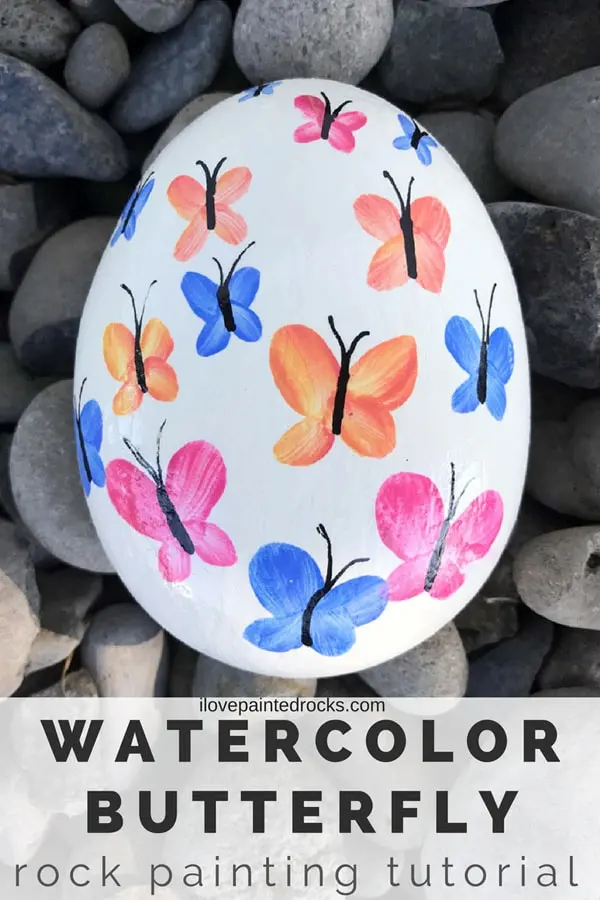
Watercolor paint does not naturally adhere to porous stone surfaces, so you must first prime the rock with a sealant or gesso. Once prepared, you can apply watercolor pigments using standard brushes. Because watercolors are water-soluble, you must finish the project with a high-quality protective varnish to prevent the paint from washing away.
On this page
How to prepare rocks for watercolor painting
Rocks are naturally porous and often dusty, which prevents watercolor paint from settling or staying vibrant. To create a suitable surface, you must first clean the stone thoroughly with warm, soapy water to remove dirt and debris. Once the rock is completely dry, apply a base coat of white acrylic gesso. This primer creates a smooth, opaque barrier that mimics the texture of watercolor paper.
If you prefer to keep the natural color of the stone visible, you can use a clear matte medium instead of white gesso. However, white gesso is generally recommended for beginners because it makes the colors appear more vivid and prevents them from sinking into the stone. Allow the primer to dry for at least two hours before you begin your artwork. Skipping this step will result in muddy colors and paint that flakes off easily once dry.
Best watercolor supplies for beginners
You do not need professional-grade materials to start painting rocks, but choosing the right tools makes the process much easier. Pan watercolors are often better for small surfaces like stones because they allow for more control than liquid tubes. Synthetic brushes are preferable to natural hair brushes because they hold their shape better against the slightly abrasive texture of a primed rock.
- Select smooth, flat river stones for the easiest painting surface.
- Use a set of student-grade watercolor pans for a wide range of colors.
- Keep two containers of water nearby, one for rinsing and one for wetting your brush.
- Use a fine-tipped round brush, size 2 or 4, for detailed work.
- Have a paper towel handy to dab excess moisture from your brush.
Using high-quality brushes ensures that you can achieve precise lines without the bristles fraying against the surface of the stone.
How to paint rocks with watercolor techniques
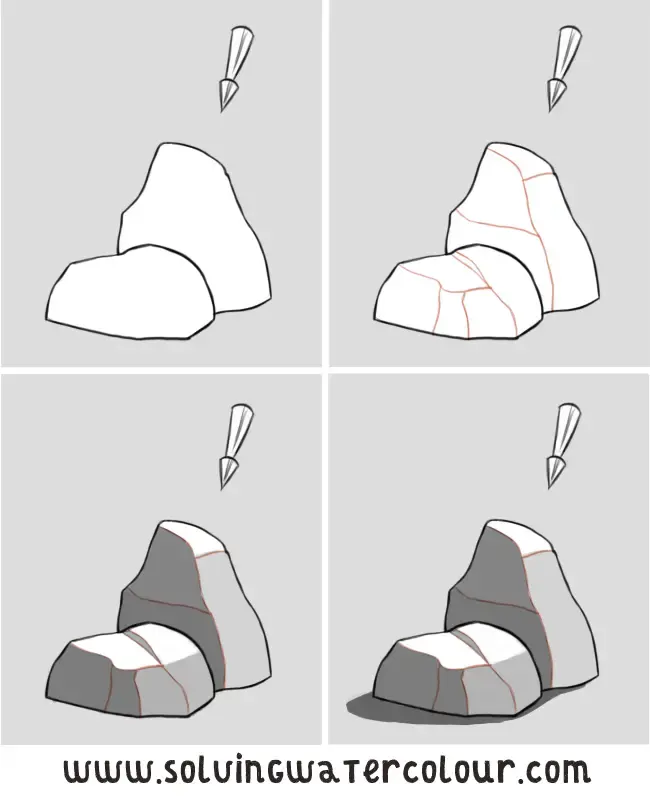
Painting on a rock requires a slightly different approach than painting on paper because the surface is three-dimensional and non-absorbent. Start by lightly sketching your design with a graphite pencil, which should show up clearly on the gessoed surface. Apply your paint in thin, light layers rather than thick, heavy strokes. If you add too much water to the brush, the pigment may bead up and run off the sides of the rock.
Work from the background to the foreground, allowing each layer to dry completely before adding new colors. If you want to create a gradient or blend colors, work quickly while the paint is still damp. Because watercolors are transparent, you can build depth by layering colors, but avoid overworking the surface, as this can cause the gesso to lift or peel. If you make a mistake, you can gently wipe the wet paint away with a damp cloth or sponge.
Common mistakes when painting rocks
One of the most frequent errors is applying watercolor directly to a bare stone. Without a primer, the water will soak into the rock instantly, leaving behind faint, chalky pigments that lack saturation. Another common mistake is failing to let the layers dry before adding details. This leads to colors bleeding into one another, resulting in a muddy or unintentional brown appearance.
- Rushing the drying process between layers, which causes smudging.
- Using too much water, which causes the paint to pool and drip.
- Forgetting to seal the final piece, which leads to immediate damage if the rock gets wet.
- Choosing rocks with deep crevices or sharp edges that make detail work difficult.
- Using low-quality paint that becomes transparent or chalky once it dries on the gesso.
Taking your time and ensuring each layer is fully set will result in a professional, clean finish that highlights the beauty of your design.
How to seal watercolor rocks for protection
Because watercolor is water-soluble, your finished rock will remain vulnerable to moisture, humidity, and fading unless it is properly sealed. Once your painting is bone-dry, wait an additional 24 hours to ensure no moisture is trapped under the paint. Apply a thin, even layer of spray varnish or a brush-on acrylic sealer. A matte finish will keep the rock looking natural, while a glossy finish can make the colors appear more intense and vibrant.
Apply at least two coats of sealer, allowing for sufficient drying time between each application. This protective layer acts as a shield against environmental factors, making your painted rock suitable for display indoors or in a sheltered garden area. Avoid placing your finished rocks in direct, heavy rain or standing water, even after sealing, as watercolors are inherently delicate. With the proper protective coating, your hand-painted stones will remain bright and intact for years to come.
Key facts
- Watercolor paint is water-soluble and will wash off a rock unless it is properly sealed with a primer or varnish.
- Smooth, non-porous river rocks are the best surface for painting because they absorb less pigment than rougher stones.
- Applying a base coat of white acrylic gesso creates a bright, opaque surface that makes watercolor pigments pop.
- Use synthetic brushes rather than natural hair brushes to prevent damage from the abrasive, gritty surface of the stone.
- Allow each layer of paint to dry completely before adding detail to prevent the colors from bleeding into one another.
- Protect the finished artwork with a clear acrylic spray sealer to prevent moisture from dissolving the water-based paint.
The bottom line
Painting rocks with watercolors is a rewarding technique that requires proper surface preparation to ensure success. By cleaning your stones, applying a white gesso base, and finishing with a durable acrylic sealer, you can create vibrant, professional-looking art. Remember that watercolors are inherently delicate, so protecting your finished pieces from moisture is the most critical step in maintaining the integrity of your designs over time.
People also ask
Can I use regular watercolors on rocks without a primer?
You can, but the colors will appear dull and likely soak into the stone or wash away if exposed to humidity. Using a white primer or gesso is essential for vibrant, long-lasting results.
What is the best type of sealer to use for rock painting?
A clear acrylic spray sealer in a matte or glossy finish works best. It creates a waterproof barrier that protects the paint from environmental elements like rain and sunlight.
Why is my watercolor paint beading up on the rock surface?
If the paint beads up, the rock may be too smooth or have a waxy residue on its surface. Scrubbing the rock with soap and water and applying a primer will help the paint adhere properly.
Can I use watercolor pencils instead of liquid paint?
Yes, watercolor pencils are excellent for adding fine details and intricate patterns to rocks. You can draw directly onto a primed surface and then use a damp brush to activate the pigment.
How do I clean my brushes after painting on rocks?
Rinse your brushes thoroughly in clean water and reshape the bristles after every session. Because the stone surface is abrasive, avoid pressing too hard to keep the brush tips from fraying.
Are painted rocks safe to leave outside in the garden?
They are safe if they have been thoroughly sealed with a high-quality outdoor-rated varnish. Without a protective coating, the watercolor paint will dissolve the first time it rains.
This answer was created with the help of AI research tools and reference sources. Spotted an error? Let us know — we correct mistakes quickly. See our editorial policy.