What is the difference between matte and gloss varnish?
Short answer
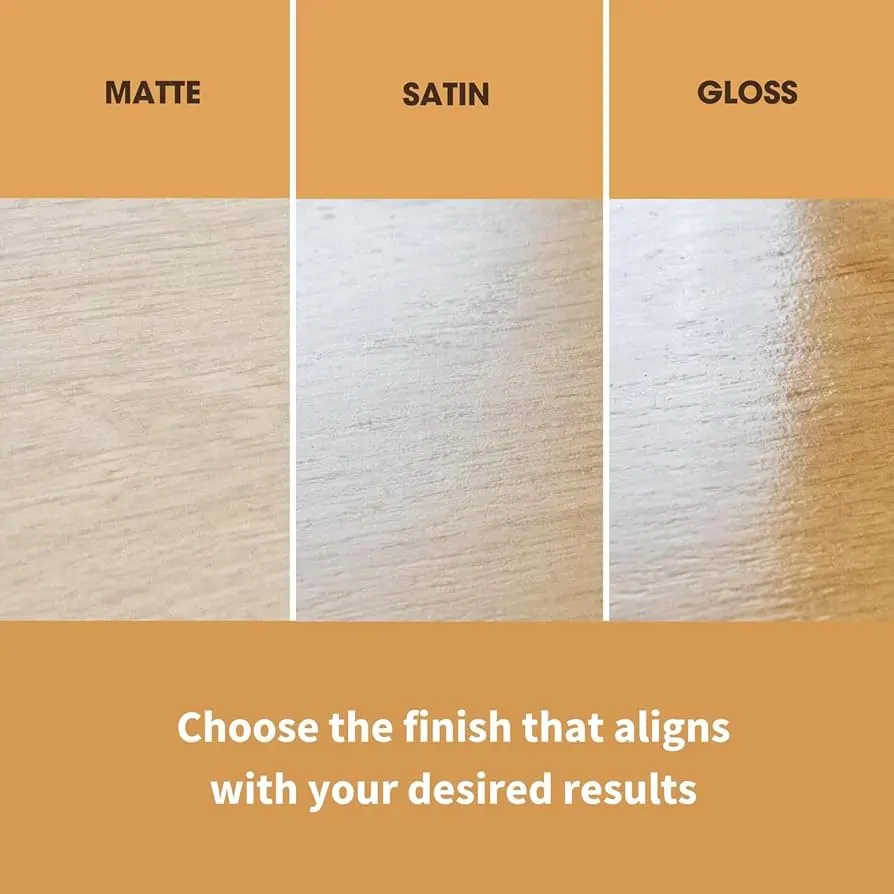
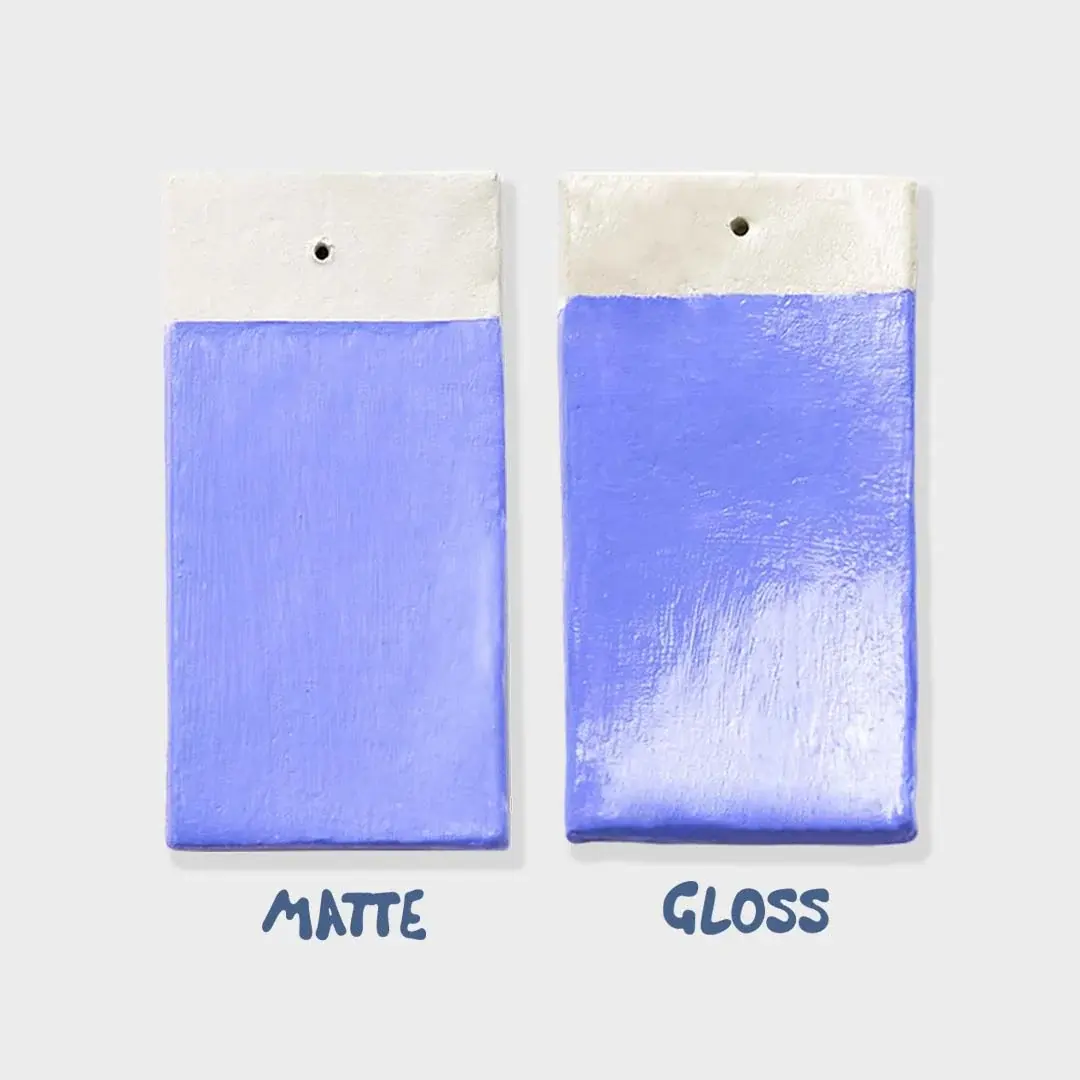
Matte varnish provides a non-reflective, flat finish that obscures glare and hides surface imperfections, while gloss varnish creates a highly reflective, shiny surface that enhances color saturation and depth. The primary difference lies in how light interacts with the dried film: matte scatters light in multiple directions, whereas gloss reflects it uniformly.
On this page
How do matte and gloss varnishes work?
Varnish is a protective coating applied to paintings, photographs, or woodwork to shield the surface from dust, moisture, and ultraviolet light. The visual difference between matte and gloss is determined by the presence of matting agents, typically silica or wax, added to the resin base. In gloss varnishes, the dried surface is smooth and uniform, allowing light to bounce off at a consistent angle. This creates a mirror-like effect that makes colors appear deeper and more vibrant, as the light penetrates the clear layer without being scattered.
Conversely, matte varnishes contain microscopic particles that break up the surface texture as the liquid dries. These particles create a microscopically rough surface that scatters incoming light in many different directions, a process known as diffuse reflection. Because the light is not reflected back to the eye in a single, concentrated beam, the surface appears flat and non-reflective. This effect is ideal for reducing glare in brightly lit galleries or for protecting delicate media where a high-shine finish would distract from the intricate details of the artwork.
Which finish should I choose for my project?
Selecting the right finish depends largely on the desired aesthetic and the environment in which the object will be displayed. Gloss is generally preferred for high-contrast works, such as oil paintings or vibrant photographs, because it increases the perceived saturation and tonal range of the colors. It is also the standard choice for furniture that requires a durable, easy-to-clean surface, as the smooth finish resists dirt and grime more effectively than a textured matte surface.
Matte finishes are often selected for works that are intended to be viewed from multiple angles or under intense lighting conditions. By neutralizing glare, matte varnish ensures that the viewer can see the entire composition clearly without being blinded by reflections. It is also frequently used in conservation to unify the sheen of a painting that may have areas of varying saturation. If you are uncertain about which look you prefer, consider these guidelines:
- Choose gloss for deep, rich colors and a modern, polished appearance.
- Choose matte for subtle, muted palettes or when you want the surface to look "natural."
- Choose a satin finish if you want a middle-ground option that offers some depth without extreme reflectivity.
How to apply varnish like a professional
Achieving a professional-grade finish requires careful preparation and a steady hand. Before applying any varnish, ensure the surface is completely dry and free of dust or debris, as any trapped particles will be permanently sealed under the coating. Use a high-quality, soft-bristled brush or a lint-free applicator to ensure an even distribution of the liquid. Work in a well-ventilated space with a controlled temperature to prevent the varnish from drying too quickly or trapping air bubbles.
- Clean the surface thoroughly with a dry, soft cloth to remove dust.
- Pour a small amount of varnish into a clean container to avoid contaminating the main supply.
- Apply a thin, even coat using long, overlapping strokes to maintain a consistent film thickness.
- Allow the first coat to dry completely according to the manufacturer's instructions before considering a second layer.
- Inspect the surface under a bright light to identify any missed spots or uneven patches.
Common mistakes when applying varnish
One of the most frequent errors is applying the varnish too thickly, which can lead to drips, runs, or a cloudy, milky appearance. If the varnish is applied in a humid environment, it may turn hazy as moisture becomes trapped in the drying film. Another common mistake is overworking the varnish with the brush; once the liquid begins to set, continuing to brush over it will create streaks and brush marks that are difficult to remove. Always prioritize thin, multiple layers over a single heavy application.
Furthermore, failing to stir the varnish properly before use can lead to inconsistent results. Matte varnishes, in particular, rely on the even suspension of matting agents within the resin. If these particles settle at the bottom of the container, the top layer of varnish will be too glossy, while the bottom layer will be overly thick and potentially chalky. Always stir the product gently—do not shake it—to ensure the matting agents are distributed throughout the liquid without introducing air bubbles that could ruin the final finish.
How long does it take to dry and cure?
The drying time for varnish depends on the chemical composition, such as whether it is water-based, solvent-based, or synthetic. Most water-based acrylic varnishes are "touch dry" within one to two hours, but they require a much longer period to fully cure. Curing is the process by which the chemical bonds fully harden and the solvent or water evaporates completely from the film. This process can take anywhere from 24 hours to several weeks, depending on the thickness of the application and the ambient humidity levels.
While the surface may feel dry to the touch, it is often still soft and susceptible to damage during the early stages of curing. Avoid hanging paintings or placing heavy objects on varnished furniture until the curing period is complete. If you apply a second coat too soon, you risk pulling up the first layer or creating a tacky, uneven surface. Always check the specific product label for recommended drying times, as modern formulations vary significantly in their performance and environmental requirements for optimal results.
Key facts
- Gloss varnish creates a high-reflectivity surface that deepens colors and increases perceived contrast.
- Matte varnish scatters light, resulting in a flat, non-reflective finish that reduces glare.
- Satin varnish provides a middle-ground finish, offering a slight sheen without the intense reflection of gloss.
- Gloss finishes are generally more durable and easier to clean because they have a smoother, less porous surface.
- Matte varnishes are superior for hiding surface imperfections, brush strokes, or minor irregularities in the underlying paint.
- Always stir varnish gently before application to avoid creating air bubbles that can ruin the final texture.
The bottom line
Choosing between matte and gloss varnish depends on your aesthetic goals and the environment of the piece. Use gloss to make colors pop and maximize durability in high-traffic areas. Opt for matte when you want a sophisticated, glare-free look that masks surface flaws. Regardless of your choice, apply thin, even layers and ensure the surface is clean to achieve a professional, long-lasting finish every time.
People also ask
Can I mix matte and gloss varnish to create a custom sheen?
Yes, you can mix them to achieve a specific level of luster. Ensure you use the same brand and chemical base to prevent separation or curing issues.
Which varnish is better for protecting artwork?
Gloss varnish typically offers better physical protection and is easier to wipe clean. However, matte varnish is often preferred for display purposes to prevent distracting reflections on the art.
How many coats of varnish should I apply?
Two to three thin coats are usually sufficient for most projects. Allow each coat to dry completely according to the manufacturer's instructions before applying the next layer.
Does varnish yellow over time?
Many modern synthetic varnishes are non-yellowing. Older oil-based or natural resin varnishes are more prone to turning yellow as they age.
Can I apply varnish over an unfinished surface?
It is best to apply a sealer or primer first, especially on porous materials like wood. Applying varnish directly to raw wood may lead to uneven absorption and blotchiness.
What is the best tool for applying varnish?
High-quality synthetic brushes or foam rollers are ideal for smooth application. Avoid cheap brushes that shed bristles, as these will become permanently trapped in the drying varnish.
This answer was created with the help of AI research tools and reference sources. Spotted an error? Let us know — we correct mistakes quickly. See our editorial policy.