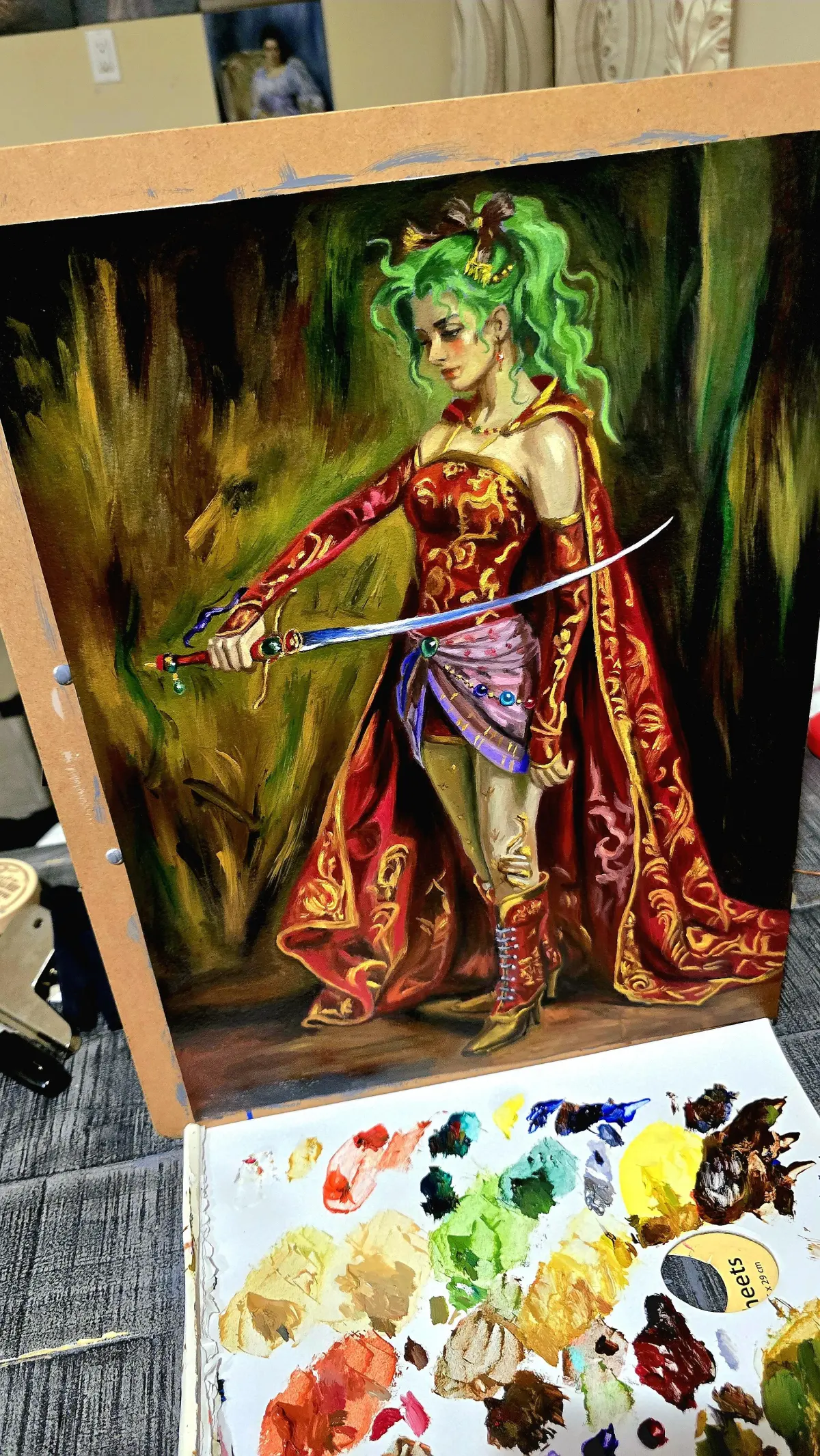
What is an art cooperative?
Short answer
An art cooperative is a business or organization owned and democratically managed by a group of artists who pool resources to promote, exhibit, and sell their work. By sharing operational costs like rent and marketing, members gain professional exposure and financial stability while maintaining creative autonomy over their individual artistic practices.

On this page
How does an art cooperative work
Art cooperatives function as member-owned entities where artists share the financial burden and administrative labor of running a gallery or studio space. Unlike a traditional commercial gallery, which often takes a commission of 50 percent or more on sales, a cooperative typically charges members a monthly fee to cover overhead costs. This structure allows artists to keep a higher percentage of their sales while participating in the decision-making process for the group.
Members usually contribute in various ways to ensure the organization thrives. Some may manage social media accounts, while others handle accounting, curating exhibitions, or staffing the front desk during gallery hours. This collaborative approach fosters a supportive community where artists can share technical knowledge and professional advice. Because the artists own the business, they have the final say on which works are displayed and how the space is utilized for community engagement.
Why join an art cooperative
Joining a cooperative offers significant benefits for artists looking to transition from hobbyists to professional practitioners. The primary advantage is the reduction of individual overhead costs, as rent, utilities, and insurance are divided among all participants. This makes maintaining a physical presence in the art market much more affordable for emerging creators who might otherwise struggle to secure gallery representation.
Beyond financial savings, cooperatives provide a built-in network of peers. This environment is ideal for professional growth and networking. Members often benefit from the following:
- Increased visibility through collective marketing efforts and joint exhibition openings.
- Access to shared equipment, such as printing presses, kilns, or lighting setups.
- Opportunities to gain experience in gallery management and curation.
- A sense of shared purpose and emotional support within a competitive industry.
How to start an art cooperative
Establishing a new cooperative requires careful planning and legal foresight to ensure long-term sustainability. The process begins with finding a group of like-minded artists who share a common vision for the organization. Once a core group is established, the members must formalize their partnership to protect their individual interests and clarify expectations regarding contributions and revenue distribution.
Follow these steps to build a foundation for your cooperative:
- Draft a formal set of bylaws that outlines membership requirements, voting procedures, and conflict resolution processes.
- Register the cooperative as a legal business entity, such as an LLC or a nonprofit organization, depending on your tax goals.
- Secure a physical space that meets the needs of your members, ensuring it is zoned correctly for both studio work and public retail.
- Establish a clear financial system for tracking member dues, sales commissions, and shared operating expenses.

Common mistakes when running a cooperative
The most frequent cause of failure in art cooperatives is a lack of clear communication regarding labor expectations. When members do not contribute equally to the maintenance and promotion of the space, resentment often builds, leading to turnover and instability. It is essential to define specific roles for each member and hold regular meetings to address concerns before they escalate into larger organizational conflicts.
Another common error is failing to maintain a professional standard for the gallery space. Because cooperatives are member-run, they can sometimes suffer from inconsistent quality control or poor marketing. To avoid these pitfalls, cooperatives should:
- Implement a jury process for new members to ensure a consistent level of artistic quality.
- Maintain a strict schedule for gallery staffing to ensure the space is always open during advertised hours.
- Invest in professional-grade marketing materials, such as a cohesive website and high-quality photography of member work.
- Avoid relying on a single "leader" to handle all tasks, which leads to burnout and creates a power imbalance.
Best practices for cooperative management
Successful cooperatives prioritize transparency and democratic participation to keep members engaged. Regular board meetings should be open to all members, and financial records should be accessible to ensure everyone understands how their dues are being spent. By fostering an environment of mutual respect and shared responsibility, cooperatives can survive for decades as vital pillars of the local arts community.
Engaging with the broader public is also crucial for the financial health of the cooperative. Rather than focusing solely on internal needs, successful groups host workshops, artist talks, and community events that draw visitors into the gallery. By positioning the cooperative as a cultural hub, members can build a loyal customer base that supports their work year-round. Consistent outreach ensures that the cooperative remains relevant and financially viable, allowing artists to focus on their creative output while the business side remains stable and well-managed.
Key facts
- An art cooperative is a business organization owned and operated by a group of artists who share resources, costs, and responsibilities.
- Members typically pay monthly dues or a percentage of sales to cover overhead expenses like gallery rent, utilities, and marketing.
- Most cooperatives operate under a democratic structure where members vote on major decisions, such as exhibition schedules and membership criteria.
- The cooperative model allows artists to bypass traditional commercial galleries, often keeping 80% to 100% of their individual sales revenue.
- Successful cooperatives often require members to volunteer a set number of hours per month to staff the gallery or manage administrative tasks.
- The oldest continuously operating art cooperative in the United States is the Artists' Cooperative Gallery in Omaha, Nebraska, founded in 1975.
The bottom line
An art cooperative provides a sustainable business model for artists seeking autonomy, lower costs, and community support. By pooling resources and sharing administrative duties, members gain a professional platform to showcase their work while retaining a larger share of their sales. Success depends on clear legal structures, consistent quality standards, and a dedicated commitment from every member to contribute both financially and through active participation.
People also ask
How does an art cooperative differ from a commercial gallery?
A commercial gallery is owned by a single proprietor who takes a significant commission, often 50%, for representing artists. In contrast, a cooperative is member-owned and prioritizes the collective needs of artists over profit margins for an owner.
What are the biggest mistakes new cooperatives make?
Many groups fail because they lack clear bylaws regarding financial contributions and member responsibilities. Another common error is failing to establish a professional jury process, which can lead to inconsistent quality in exhibitions.
How do artists join an existing cooperative?
Most cooperatives have a formal application process that includes a portfolio review by a jury of current members. If accepted, new members usually pay an initiation fee and sign a contract detailing their monthly financial and labor obligations.
Can an art cooperative be a non-profit organization?
Yes, many cooperatives register as 501(c)(3) non-profits to seek grants and tax-deductible donations. This structure is ideal for groups focused on community education and public arts programming rather than just retail sales.
Do all members have to work in the gallery?
Almost all cooperatives require "gallery sitting" or administrative work from their members. This shared labor model is what keeps overhead costs low and allows the cooperative to remain financially viable.
What happens if the cooperative loses money?
Because members are owners, they are collectively responsible for the cooperative's debts. If the business fails, members may be required to cover outstanding rent or utility bills based on the terms outlined in their incorporation documents.
This answer was created with the help of AI research tools and reference sources. Spotted an error? Let us know — we correct mistakes quickly. See our editorial policy.