Can you sell fan art?
Short answer
Selling fan art is generally illegal under copyright law because it uses intellectual property owned by others without permission. While some companies tolerate small-scale fan creations, they retain the legal right to issue cease-and-desist orders or sue for damages. You do not own the characters or stories you are depicting.
On this page
Is it legal to sell fan art?
Selling fan art without an official license constitutes copyright infringement. Under the United States Copyright Act of 1976 and similar international treaties, the original creator or the corporation that owns the intellectual property holds exclusive rights to reproduce, distribute, and create derivative works. When you draw a character from a popular franchise, you are creating a derivative work based on protected assets.
Most major entertainment companies, such as Disney, Nintendo, or Warner Bros., own the trademarks and copyrights for their characters. While these companies often ignore individual artists selling prints at local conventions, this is a matter of corporate discretion rather than a legal right. They can choose to enforce their rights at any time. If you receive a takedown notice or a cease-and-desist letter, you must comply immediately to avoid potential litigation or financial penalties.
How do companies handle fan art?
Many companies adopt a "look the other way" policy because fan art builds community engagement and keeps their franchises relevant. Some brands even encourage fan participation through official contests or fan art galleries. However, this tolerance is not a waiver of their legal rights. A company may tolerate a small artist selling stickers on Etsy but will aggressively pursue a business that mass-produces merchandise like t-shirts or phone cases.
Some organizations have specific guidelines for fan creators. For example, the "Fan Content Policy" for certain video game developers outlines what is acceptable for creators to make and sell. Before you attempt to sell anything, you should research the specific intellectual property policies of the franchise you are interested in. If no policy exists, you should assume that selling any work derived from that property is prohibited.
- Research the specific IP holder's website for "Fan Content Policies."
- Determine if the company requires a formal licensing agreement for merchandise.
- Assess the risk of a potential legal challenge versus the profit potential.
- Keep your production volume low to avoid attracting unwanted corporate attention.
What are the risks of selling fan art?
The primary risk is a formal legal action, which can result in significant financial loss. If a copyright holder files a lawsuit, you could be liable for statutory damages, which can range from $750 to $30,000 per infringed work, or up to $150,000 if the infringement is found to be willful. Even if a company does not sue, they can issue a Digital Millennium Copyright Act (DMCA) takedown notice to your online storefront.
A DMCA takedown can lead to the permanent suspension of your accounts on platforms like Etsy, Redbubble, or Shopify. Once an account is flagged for copyright infringement, it is often difficult to regain access or open new stores. Furthermore, if you build a brand based entirely on someone else's intellectual property, you have no long-term security. Your entire business model can be dismantled overnight if the rights holder decides to change their enforcement strategy.
- Account suspension on e-commerce platforms.
- Legal fees associated with defending against copyright claims.
- Financial damages for willful infringement.
- Damage to your professional reputation within the art industry.
How to create fan art safely?
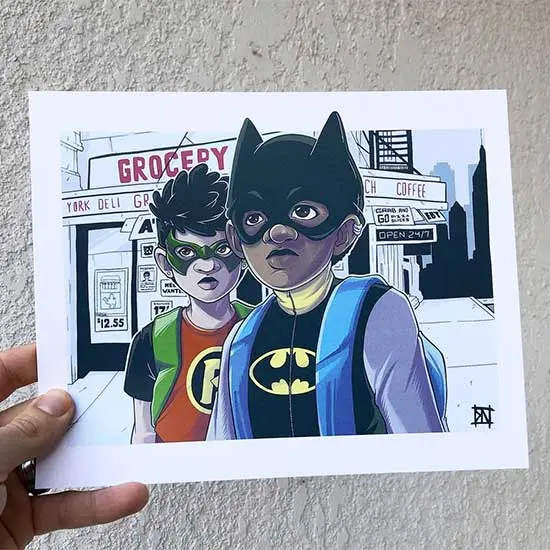
If you want to create fan art, focus on personal projects or non-commercial commissions rather than mass-marketed products. Many artists use fan art as a way to practice their skills, build a portfolio, or gain followers on social media. By keeping the work free and clearly labeled as fan-made, you minimize the likelihood of legal issues. Always give credit to the original creator and the company that owns the property.
If you are determined to sell your work, consider creating original characters or stories that are inspired by your favorite genres rather than using specific copyrighted characters. This allows you to build your own intellectual property, which you own and can legally monetize. By shifting your focus toward original art, you ensure that your business is sustainable and protected from the legal volatility associated with fan-based merchandise.
- Create original characters that inhabit a similar aesthetic or genre.
- Use fan art only for social media engagement and portfolio building.
- Avoid using official logos, names, or trademarked catchphrases on your products.
- Focus on developing your unique artistic style to attract a loyal audience.
Common mistakes when selling fan art?
A frequent mistake is the belief that "fair use" protects all fan art. Fair use is a legal defense that is typically applied to commentary, criticism, news reporting, or educational purposes. Simply drawing a character in your own style does not automatically qualify as fair use. Another common error is assuming that because other artists are selling fan art, it must be legal. Many artists operate in a legal gray area and are simply lucky that they have not yet been targeted.
Avoid the temptation to use "disclaimers" on your shop page. Writing "I do not own these characters" does not provide any legal protection against copyright infringement. Furthermore, do not attempt to sell fan art through print-on-demand services that do not have licensing agreements with the copyright holders. These platforms often have automated systems that scan for copyrighted material, which can lead to your designs being removed and your account being banned without warning.
Key facts
- Fan art is technically a derivative work, meaning it is protected by the copyright of the original intellectual property owner.
- Selling fan art without explicit permission from the rights holder constitutes copyright infringement under laws like the U.S. Copyright Act.
- Many companies, such as Disney or Nintendo, maintain strict enforcement policies and may issue cease-and-desist orders to sellers.
- Some franchises, including Star Trek or Critical Role, have specific fan content policies that allow for limited commercial sales.
- Platforms like Redbubble or Etsy often remove listings if a copyright holder files a Digital Millennium Copyright Act (DMCA) takedown notice.
- Creating original characters or transformative works that do not rely on established trademarks is the safest way to avoid legal liability.
The bottom line
Selling fan art is a high-risk endeavor because it relies on intellectual property owned by others. While some franchises offer specific licensing programs, most commercial sales without permission are illegal and subject to copyright enforcement. To build a sustainable career, focus on creating original content. This protects you from legal liability and ensures that you retain full ownership of your creative work and brand identity.
People also ask
Is it legal to sell fan art if I credit the original creator?
No, providing credit does not grant you the legal right to sell someone else’s intellectual property. Attribution is a matter of professional courtesy, but it does not protect you from copyright infringement claims.
What is the "fair use" doctrine?
Fair use is a legal defense that allows limited use of copyrighted material without permission for purposes like criticism, news reporting, or education. Selling fan art for profit rarely qualifies as fair use because it competes with the original creator's market.
Can I sell fan art if I draw it entirely from scratch?
Even if you draw the piece yourself, the characters, logos, and specific designs are owned by the rights holder. Drawing from scratch does not change the fact that you are using protected intellectual property for commercial gain.
Are there platforms that allow fan art sales?
Some platforms have licensing agreements with major studios that allow artists to sell fan art legally. These programs usually require you to submit your designs for approval and share a portion of your profits with the rights holder.
What happens if I receive a cease-and-desist letter?
A cease-and-desist letter is a formal demand to stop selling the infringing items immediately. You should comply promptly to avoid potential litigation, financial penalties, or the permanent suspension of your online store accounts.
How can I tell if a company allows fan art?
Check the official website of the franchise for a "Fan Content Policy." If no such policy exists, you must assume that commercial use is prohibited and that you risk legal action by selling your work.
This answer was created with the help of AI research tools and reference sources. Spotted an error? Let us know — we correct mistakes quickly. See our editorial policy.