Can you make money with digital art?
Short answer
Yes, you can generate income with digital art by leveraging platforms that connect creators with clients or consumers. Success requires a combination of technical skill, consistent output, and strategic marketing. While professional artists earn significant salaries, most beginners start by building a portfolio to attract freelance commissions or passive royalty streams.
On this page
How to start selling digital art
To begin, you must establish a professional presence online. Start by selecting a niche, such as character design, concept art, or surface pattern design, which helps potential clients identify your specific expertise. Create a portfolio on platforms like Behance, ArtStation, or a personal website to showcase your best work. Consistency is vital; aim to upload new pieces regularly to demonstrate growth and reliability to prospective buyers.
Once your portfolio is ready, you should explore various monetization models. Many artists begin with freelance marketplaces where they bid on specific projects. Others prefer print-on-demand services, which allow you to upload designs to products like shirts and mugs without managing inventory. Regardless of the path, you must treat your art as a business. This involves setting clear pricing structures and maintaining professional communication with every client you encounter.
Best platforms for digital artists
Choosing the right marketplace depends on your artistic style and business goals. Some platforms focus on high-end professional commissions, while others are geared toward mass-market retail. Researching these options allows you to align your output with the audience most likely to purchase your work.
- Upwork and Fiverr: Ideal for finding freelance clients seeking custom illustrations, logos, or character designs.
- Redbubble and Society6: Best for passive income through print-on-demand, where the platform handles production and shipping.
- Gumroad: Excellent for selling digital assets like brushes, tutorials, or texture packs directly to other artists.
- Etsy: A strong choice for selling digital downloads, such as printable wall art or planners, which require no physical shipping.
How long does it take to make money
The timeline for earning a sustainable income varies significantly based on your skill level and marketing efforts. Most artists do not see immediate financial returns, as building a brand requires time and trust. You should expect to spend the first six to twelve months refining your style and networking within your chosen industry. During this period, focus on building a following on social media to drive traffic to your portfolio or shop.
Income growth often follows an exponential curve rather than a linear one. You might earn very little in your first few months, but as your portfolio expands and your reputation improves, your ability to command higher rates increases. Successful artists often diversify their income streams, combining freelance client work with passive sales. This hybrid approach provides stability, as it ensures that you are earning money even when you are not actively working on a custom commission.
Common mistakes when selling art
Many beginners struggle because they treat their art as a hobby rather than a commercial product. One frequent error is failing to research market demand, leading to the creation of work that has no clear buyer. Another common mistake is underpricing your services, which can lead to burnout and undervalue your professional time. Always calculate your hourly rate based on the time spent on sketches, revisions, and final production.
- Ignoring copyright and licensing agreements, which can lead to legal complications or loss of ownership.
- Neglecting to engage with your community, which is essential for building long-term loyalty and repeat customers.
- Over-complicating your workflow, which prevents you from meeting project deadlines consistently.
- Failing to back up your files, which can result in the permanent loss of valuable work and client projects.
Why professional networking matters
Networking is often more important than raw talent when it comes to securing high-paying contracts. Many job opportunities in the digital art world are never advertised publicly; they are filled through referrals and professional connections. Attend industry events, participate in online forums, and engage with other artists to expand your reach. Being part of a community also provides you with feedback, which is crucial for improving your technical skills and staying updated on industry trends.
When you interact with potential clients, maintain a professional tone and ensure your contracts are clear. A well-written contract outlines the scope of work, the number of revisions allowed, and the payment schedule, protecting both you and the client. By establishing a reputation for reliability and clear communication, you become a preferred choice for repeat business. This professional foundation is what separates full-time artists from those who struggle to find consistent work in the competitive digital market.
Key facts
- Licensing your digital art for commercial use allows you to earn royalties repeatedly from a single creative asset.
- Freelance marketplaces like Upwork and Fiverr connect artists directly with clients seeking custom commissions.
- Print-on-demand services such as Redbubble or Society6 handle manufacturing and shipping, taking a percentage of each sale.
- Building a consistent social media presence on platforms like Instagram or ArtStation is essential for attracting potential buyers.
- Selling digital brushes, textures, or templates on sites like Creative Market provides a source of passive income.
- Establishing a clear pricing structure based on time, complexity, and usage rights prevents undercharging for your labor.
The bottom line
Making money with digital art requires a blend of creative talent and business acumen. Success often comes from diversifying your revenue streams, such as combining custom commissions with passive sales like prints or digital assets. By building a professional portfolio, engaging with your target audience, and consistently refining your craft, you can turn your digital skills into a sustainable source of income in the modern creative economy.
People also ask
Do I need a degree to sell digital art?
No formal degree is required to sell digital art. Clients and customers prioritize the quality of your portfolio and your ability to meet project requirements over academic credentials.
How do I protect my digital art from theft?
You can protect your work by uploading low-resolution previews, using watermarks, and registering your copyright. While online theft is a risk, these measures deter casual copying and help establish legal ownership.
What software is standard for professional digital art?
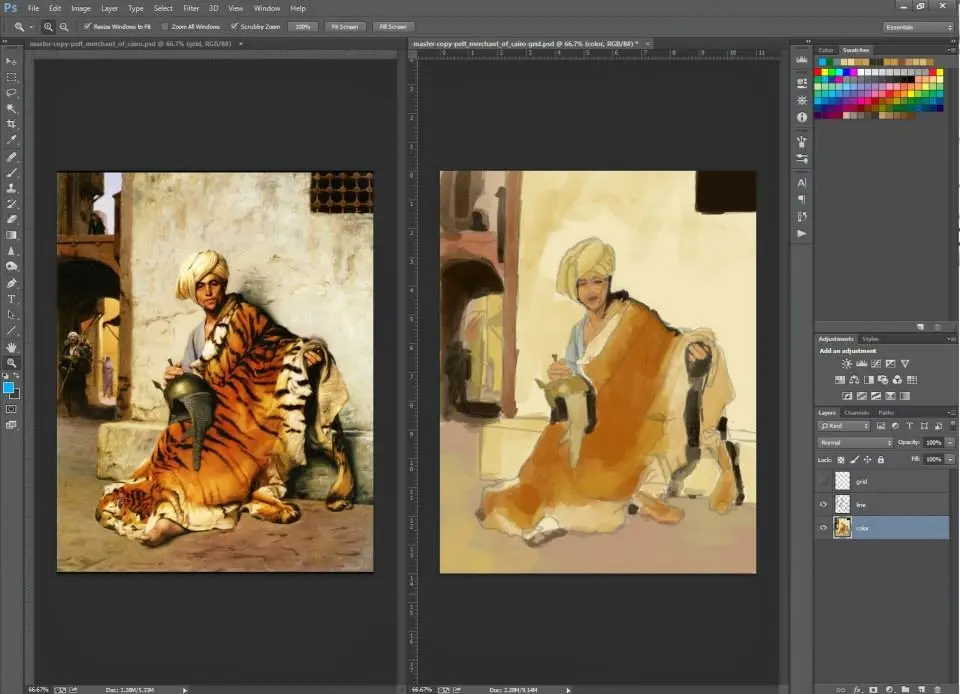
Adobe Photoshop, Clip Studio Paint, and Procreate are industry standards. Choosing software depends on your specific focus, such as illustration, graphic design, or 3D modeling.
How should I price my first commission?
Research what artists with similar skill levels charge for comparable work. Start with an hourly rate that covers your costs and gradually increase your prices as your demand and experience grow.
Is it better to sell prints or digital files?
Both have benefits; prints offer physical products for collectors, while digital files allow for unlimited sales without inventory costs. Diversifying your approach often yields the best financial results.
How do I handle taxes on my digital art income?
You are generally considered a self-employed freelancer, meaning you must track your earnings and expenses throughout the year. Consult a tax professional to understand your local requirements for reporting business income.
This answer was created with the help of AI research tools and reference sources. Spotted an error? Let us know — we correct mistakes quickly. See our editorial policy.