What is letterpress printing?
Short answer
Letterpress printing is a relief printing technique where raised surfaces are inked and pressed into paper to create an impression. Invented by Johannes Gutenberg around 1440, it remained the primary method for mass-producing text for centuries. Today, it is primarily used for high-end stationery, wedding invitations, and artistic, tactile design work.
On this page
How does letterpress printing work?
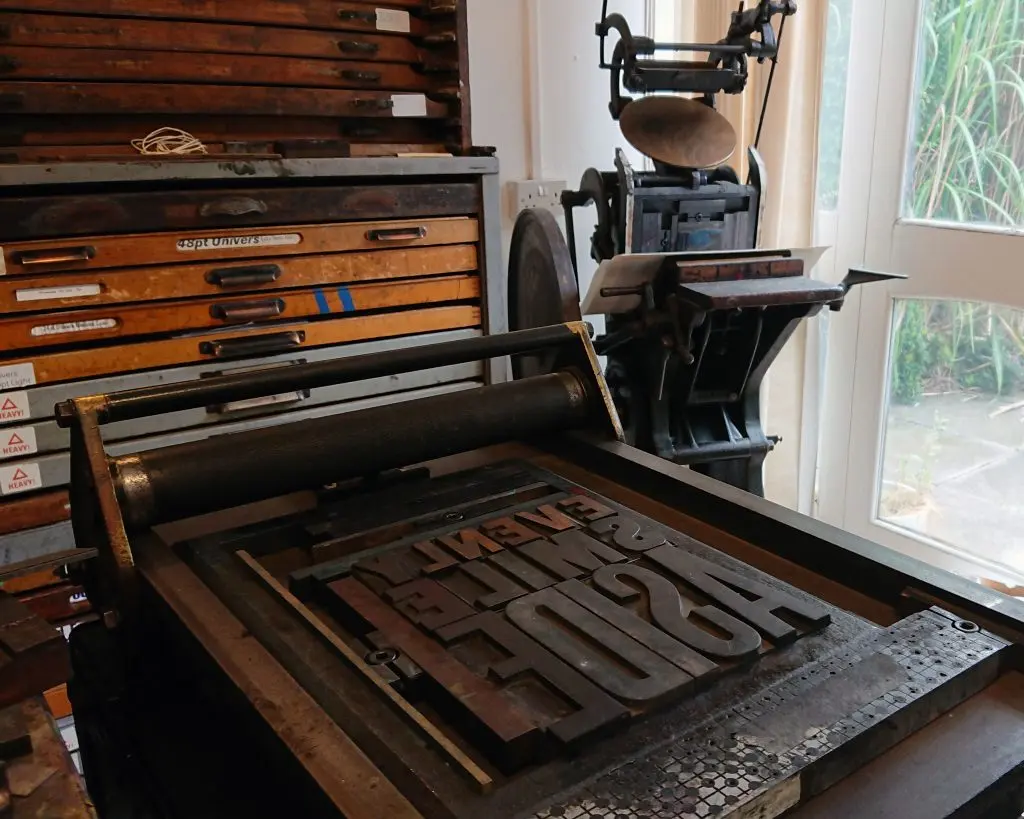
Letterpress printing operates on the principle of relief printing. A raised surface, traditionally composed of individual metal or wood type, is covered with a thin layer of ink. This surface is then pressed firmly against paper, transferring the ink and creating a physical indentation known as a deboss. Because the process requires significant pressure, it is best suited for heavy, cotton-based papers that can withstand the force without tearing.
The mechanism relies on a press, which can range from small, hand-operated tabletop machines like the Kelsey Excelsior to massive, motorized industrial presses like the Heidelberg Windmill. The operator must carefully calibrate the "impression," which is the depth of the bite into the paper. Modern letterpress often uses photopolymer plates—flexible plastic sheets hardened by UV light—to translate digital designs into the physical relief required for the press. This allows designers to incorporate custom illustrations and modern typography into a centuries-old craft.
How to get started with letterpress printing
For those interested in the craft, starting with a small tabletop press is the most practical approach. These machines are relatively compact and allow beginners to learn the fundamentals of inking, registration, and pressure control without the complexity of industrial equipment. You will need a few essential supplies to begin your first project:
- A tabletop platen press, such as a vintage Pilot or Adana.
- Oil-based letterpress ink and a brayer for manual inking.
- Photopolymer plates or a small collection of lead type.
- High-quality, soft cotton paper (300gsm or heavier).
- A tympan sheet and packing materials to adjust impression depth.
Once you have your equipment, focus on "registration," which ensures that your paper aligns perfectly with the inked plate on every sheet. Beginners should start with single-color designs to avoid the complications of aligning multiple plates for different ink colors.
What are the common mistakes when letterpress printing?
The most frequent error for beginners is "over-inking," which occurs when too much ink is applied to the plate. This causes the ink to spread beyond the edges of the characters, resulting in a muddy, illegible print rather than a crisp, clean impression. Another common mistake is failing to properly "pack" the press. Packing refers to the layers of paper or board placed behind the paper being printed to ensure even pressure across the entire surface.
- Clean your rollers thoroughly after every session to prevent ink buildup.
- Check your paper grain to ensure it runs parallel to the press movement.
- Avoid using standard copy paper, as it is too thin and will not hold an impression.
- Always perform a "proof" on scrap paper before running your final, expensive stock.
If your impression is uneven, check if your press bed is level. Even a slight tilt can cause one side of the print to be deep while the other remains faint or uninked.
Why is letterpress printing still popular?
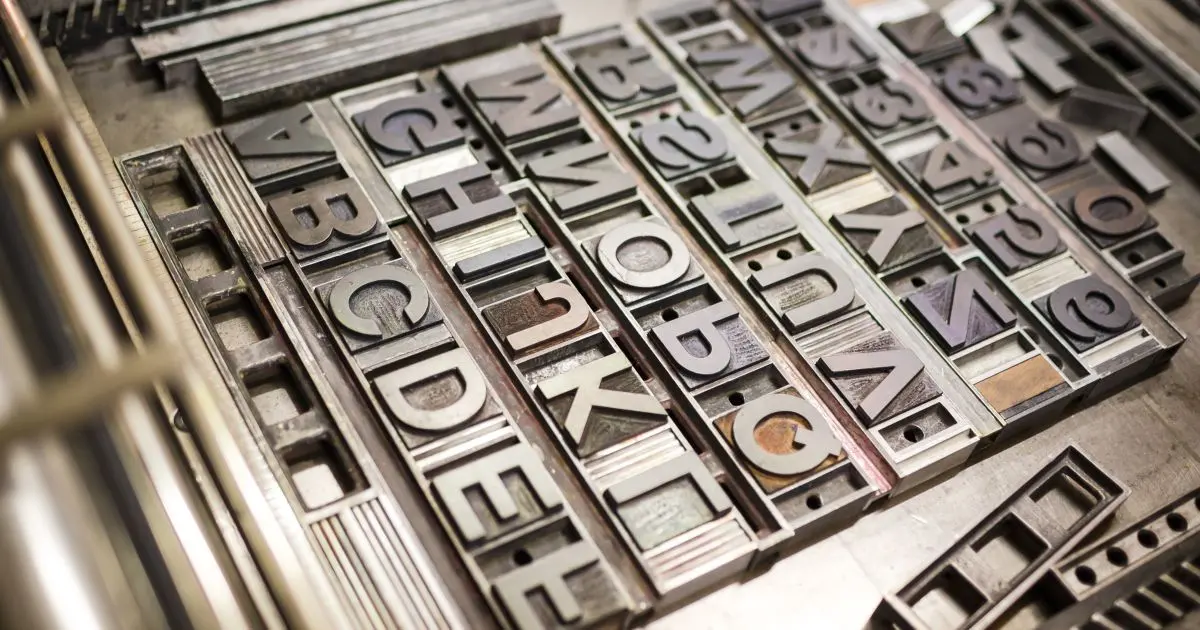
Despite the dominance of digital printing, letterpress has seen a significant resurgence in the 21st century. The primary appeal lies in the tactile quality of the finished product. Unlike offset or digital printing, which sit flush on the surface of the paper, letterpress creates a three-dimensional texture that can be felt by the fingers. This sensory experience conveys a sense of luxury, permanence, and craftsmanship that mass-produced materials cannot replicate.
Furthermore, letterpress offers a unique aesthetic characterized by sharp edges and deep, saturated colors. Because each color is printed individually, the ink layers are often thicker and more vibrant than those produced by CMYK digital printers. Collectors and consumers gravitate toward letterpress for special occasions, such as wedding suites, business cards, and limited-edition art prints. It serves as a bridge between historical tradition and modern design, proving that the physical act of pressing ink into paper remains a powerful form of communication.
How to maintain letterpress equipment
Proper maintenance is vital for the longevity of vintage letterpress machinery. Most presses are made of heavy cast iron and require regular lubrication to function smoothly. Neglecting the moving parts—such as the gears, cams, and grippers—can lead to friction, wear, and eventual mechanical failure. Always use the specific oil recommended by the press manufacturer, as modern synthetic lubricants can sometimes damage older metal components.
- Wipe down the ink disk daily to prevent dried ink residue.
- Apply a light coat of machine oil to all friction points weekly.
- Keep the press covered when not in use to prevent dust from settling on the rollers.
- Inspect the rubber rollers for cracks or "tackiness" loss, as these will need to be replaced periodically.
By treating the machine with care and keeping the workspace clean, you ensure that the press remains a reliable tool for years to come. Consistency in maintenance leads to consistency in print quality, which is the hallmark of a skilled press operator.
Key facts
- Letterpress is a relief printing process where a raised surface is inked and pressed into paper.
- Johannes Gutenberg popularized the technique in the mid-15th century using movable metal type.
- The process creates a physical indentation in the paper known as a "deboss" or "bite."
- Modern letterpress often utilizes photopolymer plates created from digital files rather than traditional metal type.
- Ink must be applied in a thin, even layer to prevent smudging or filling in the fine details of the type.
- Cotton-based paper is the industry standard because its soft fibers hold the impression better than wood-pulp paper.
The bottom line
Letterpress printing remains a revered craft that combines historical tradition with modern design. By using raised surfaces to physically indent paper, it creates a tactile experience that digital processes simply cannot match. Whether you are using vintage metal type or contemporary photopolymer plates, the process requires precision and patience. Ultimately, letterpress transforms ink and paper into a piece of art that appeals to both sight and touch.
People also ask
What is the difference between letterpress and offset printing?
Offset printing uses a flat plate to transfer ink to a rubber blanket before the paper, resulting in a smooth, flush surface. Letterpress uses a raised surface to physically stamp the paper, creating a tactile, indented texture.
Can I do letterpress printing at home?
Yes, you can use small tabletop presses like the Kelsey or Adana to print at home. You will need a chase, type or plates, ink, a brayer, and high-quality cotton paper to begin.
What are the most common mistakes for beginners?
The most frequent error is over-inking the plate, which causes the letters to look blurry or "filled in." Another mistake is using paper that is too hard or thin, which prevents the press from creating a clean, deep impression.
How long does it take to set up a letterpress job?
Setting up traditional movable type can take several hours depending on the complexity of the layout. Using photopolymer plates is significantly faster, often requiring only minutes to mount the plate onto the press bed.
Is letterpress printing expensive?
It is generally more costly than digital printing because it is a labor-intensive, manual process. Each color requires a separate plate and a separate pass through the press, increasing the time and material costs.
Why do people still use letterpress in the digital age?
People prefer letterpress for its unique aesthetic and tactile quality that digital printers cannot replicate. It is highly valued for high-end stationery, wedding invitations, and art prints where the physical presence of the design is essential.
This answer was created with the help of AI research tools and reference sources. Spotted an error? Let us know — we correct mistakes quickly. See our editorial policy.