What is a comic panel?
Short answer
A comic panel is a single drawing or illustration, typically enclosed within a border, that represents a specific moment in a narrative sequence. Panels act as the fundamental units of comic storytelling, dictating the pacing, timing, and visual flow of a story by isolating individual actions or transitions between events.
On this page
What is a comic panel used for?
Comic panels function as the primary containers for visual information in graphic storytelling. By framing a specific moment, they allow creators to isolate an action, a facial expression, or a setting, effectively freezing time so the reader can process the narrative. This structural choice is essential for the "gutter," the empty space between panels, which forces the reader to mentally bridge the gap between two distinct moments.
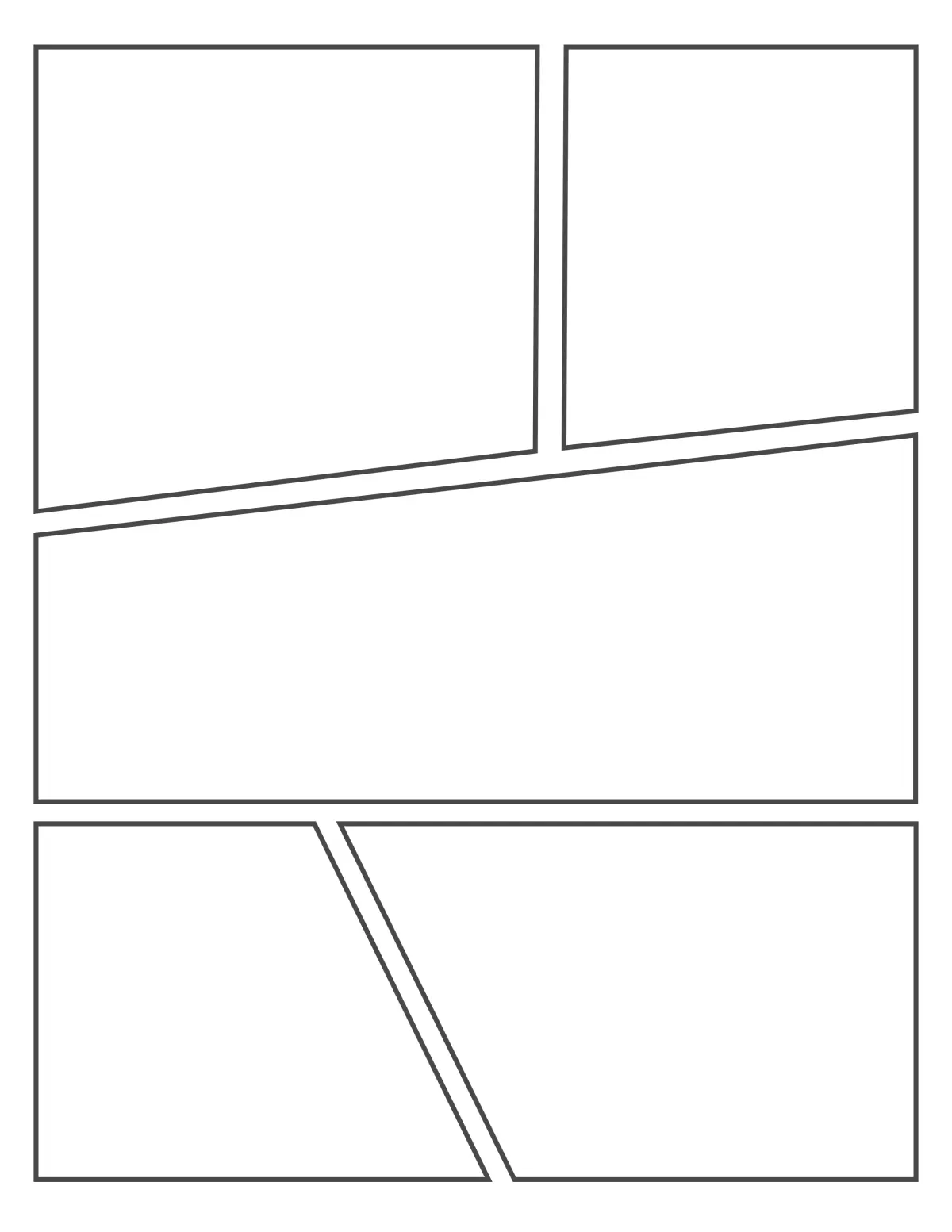
The arrangement of these panels, known as the page layout or grid, dictates how a reader experiences the passage of time. A large, expansive panel might suggest a slow, cinematic moment, while a series of small, tight panels can accelerate the pacing to convey rapid action or intense dialogue. Through these deliberate choices, panels transform a static page into a dynamic, flowing sequence of events that guides the reader’s eye across the paper.
How to design a comic panel layout
Designing an effective layout requires balancing clarity with artistic expression. Most professional comics utilize a grid system to ensure the reader follows the sequence from left to right and top to bottom without confusion. When planning your layout, consider the following structural elements to maintain a professional flow:
- Determine the focal point of the scene to decide which panel needs the most visual weight.
- Establish a consistent gutter width to prevent the reader from losing track of the sequence.
- Use varying panel sizes to emphasize important beats or dramatic shifts in the story.
- Integrate speech bubbles and captions early in the design process to ensure they do not obscure vital artwork.
By following these steps, you create a visual path that feels natural. Avoid placing panels in a chaotic or overlapping fashion unless the narrative specifically calls for a sense of disorientation or extreme urgency.
What are the different types of comic panels?
Creators use various panel shapes and styles to convey different emotional tones and narrative functions. While the standard rectangular panel is the most common, creative variations can significantly alter the reader's perception of the scene. Understanding these types helps in selecting the right visual language for your story:
- Standard Rectangular Panels: These provide a stable, traditional reading experience and are ideal for dialogue-heavy scenes.
- Splash Panels: These occupy an entire page or a large portion of it, used to showcase a major reveal or a breathtaking landscape.
- Borderless Panels: By removing the ink lines, artists can make a scene feel ethereal or suggest that the action is bleeding into the surrounding environment.
- Inset Panels: Smaller panels placed inside larger ones, often used to show a close-up of an object or a character's reaction without breaking the flow of the main action.
Each type serves a specific purpose in building the world and controlling the emotional impact of the narrative.

Common mistakes when drawing comic panels
Novice creators often struggle with the technical constraints of paneling, leading to pages that are difficult to follow. One of the most frequent errors is inconsistent gutter spacing, which can make the sequence of events feel disjointed. Another common issue is "tangents," where the edge of a character or object accidentally touches the border of the panel, creating a distracting visual tension that flattens the depth of the image.
Furthermore, many beginners fail to account for the "bleed" area, which is the extra space at the edge of the page that gets trimmed during printing. If important artwork or text is placed too close to the edge, it risks being cut off entirely. To avoid these pitfalls, always use a ruler or digital grid templates to maintain alignment. Ensure that your speech bubbles have enough breathing room within the panel so they do not crowd the characters or obscure the action.
How to improve comic panel pacing
Pacing is the heartbeat of a comic, and it is entirely controlled by how you manipulate your panels. To slow down a scene, use a series of panels that show small, incremental changes in movement or expression. This forces the reader to linger on the details, creating a sense of weight or contemplation. Conversely, to speed up a scene, use fewer panels or remove the borders entirely to create a sense of frantic, continuous motion.
Experimenting with "decompressed" storytelling, where a single action is stretched across multiple panels, can add a cinematic quality to your work. However, be careful not to overdo this, as it can lead to a sluggish reading experience if the action does not justify the space. Always review your pages by reading them without the dialogue to see if the visual sequence alone tells a coherent story. If the narrative flow is clear through the panels alone, you have mastered the fundamental mechanics of comic book storytelling.
Key facts
- A comic panel is a single drawing or illustration that captures a specific moment in a narrative sequence.
- Panels are typically enclosed by a border, which serves to frame the action and separate it from other moments in time.
- The space between panels is known as the "gutter," which functions as the bridge where the reader mentally connects two separate images.
- Panel size and shape often dictate the pacing of a story, with larger panels conveying importance or slower action.
- Bleed panels extend to the edge of the page, removing the border to create an immersive, expansive effect for the reader.
- To improve clarity, keep action within the center of the panel and ensure word balloons do not obscure vital character expressions.
The bottom line
A comic panel is the fundamental building block of visual storytelling, acting as a container for individual moments within a larger narrative. By mastering the arrangement of these frames and the strategic use of gutters, creators control the rhythm and flow of their stories. Whether using standard borders or dramatic bleeds, the panel remains the primary tool for guiding a reader through a sequential artistic experience.
People also ask
What is the purpose of the gutter in a comic?
The gutter is the empty space between panels that forces the reader to perform "closure." This psychological process allows the reader to fill in the missing time and motion between two static images.
How do panel shapes influence a reader's experience?
Rectangular panels are standard for dialogue-heavy scenes, while irregular or tilted panels often signal chaos, tension, or high-speed action. Changing the shape helps guide the reader's eye across the page in a specific sequence.
What is a splash panel?
A splash panel is a large illustration that occupies a full page or a significant portion of it. Artists use these to create a dramatic impact, introduce a new setting, or highlight a major plot twist.
What is the difference between a panel border and a bleed?
A panel border is a defined line that contains the artwork, while a bleed occurs when the art extends past the edge of the paper. Bleeds are often used for cinematic, wide-angle shots to draw the reader into the environment.
How many panels should be on a single comic page?
There is no set rule, but most standard comic pages feature between five and nine panels. Using too many panels can make a page look cluttered and difficult to follow, while too few can slow the narrative pace.
Can a panel exist without a border?
Yes, borderless panels are frequently used to isolate a character or object against a white background. This technique emphasizes the subject by removing the distraction of a defined frame.
This answer was created with the help of AI research tools and reference sources. Spotted an error? Let us know — we correct mistakes quickly. See our editorial policy.