What is the difference between canvas and canvas board?
Short answer
Stretched canvas consists of primed fabric pulled tightly over a wooden frame, offering a springy surface and professional longevity. Canvas board, or panel, is a rigid piece of cardboard or hardboard coated with primed canvas. Stretched canvas is ideal for heavy impasto techniques, while canvas boards are better for portability, storage, and practice.
On this page
What is the difference between canvas and canvas board?
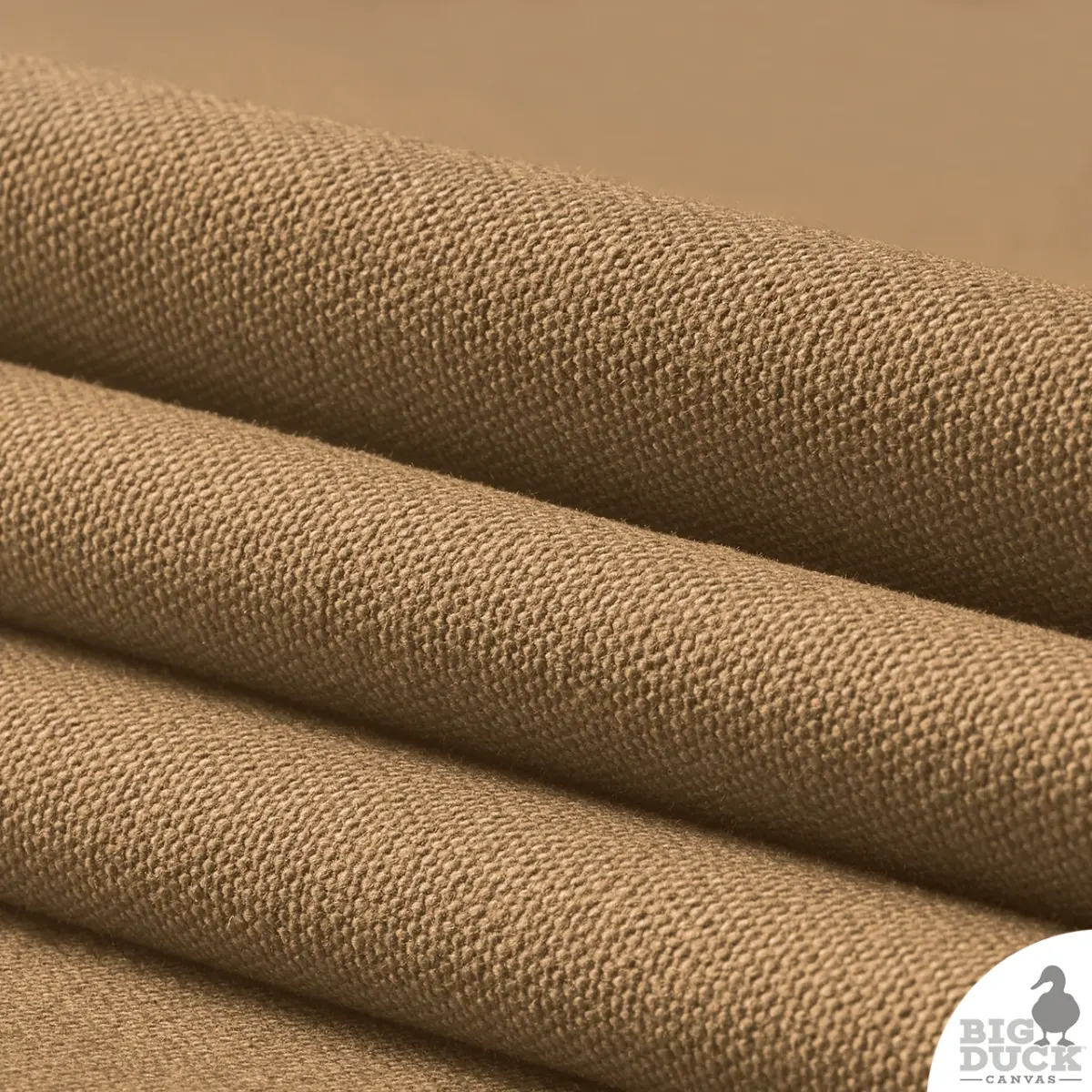
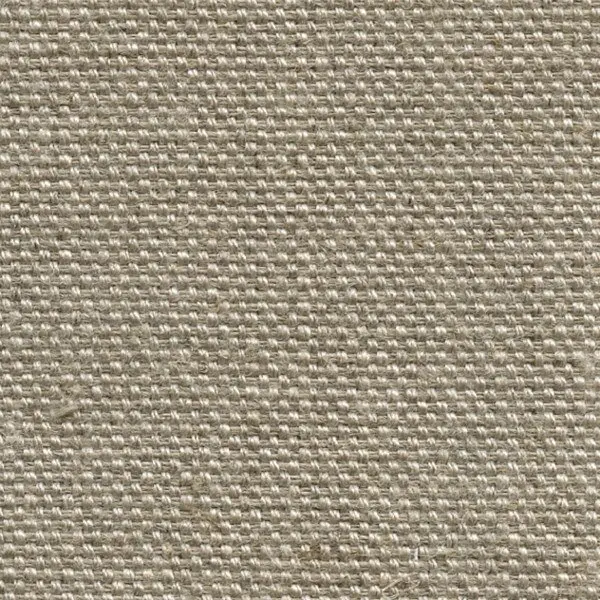
Stretched canvas is the traditional choice for oil and acrylic painters. It is created by stretching fabric, usually cotton duck or linen, over a wooden frame called stretcher bars. This construction provides a flexible, bouncy surface that absorbs the pressure of a brush, making it highly responsive for blending and layering. Because the fabric is suspended, it allows for air circulation on both sides, which is essential for the long-term preservation of oil paintings.
Canvas board is a rigid alternative designed for convenience and durability. It is made by mounting a piece of primed canvas onto a stiff backing, such as cardboard, wood pulp, or medium-density fiberboard. Unlike stretched canvas, the surface has no "give," which can feel more like painting on a wall or a desk. While it lacks the professional aesthetic of a deep-profile stretched frame, it is significantly cheaper and easier to transport, making it a staple for outdoor plein air painting and classroom settings.
How to choose between canvas and canvas board
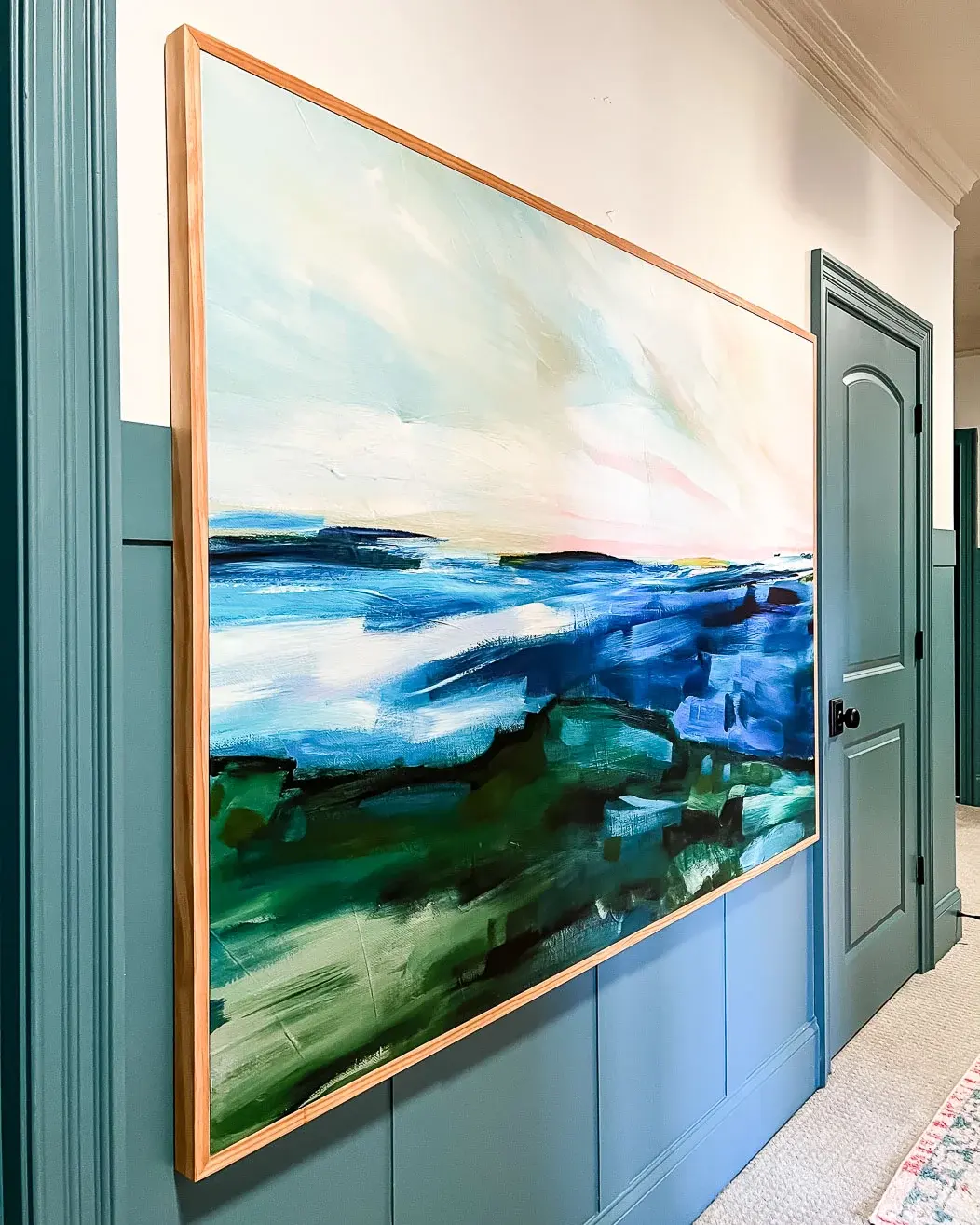
Selecting the right surface depends on your specific goals, storage space, and budget. For large-scale studio work, stretched canvas is almost always preferred because it can be re-tensioned using keys if the fabric sags over time. The depth of the wooden bars also adds a sculptural quality to the finished work, allowing the painting to be displayed without an additional frame.
Canvas boards are the superior choice for beginners and artists who produce a high volume of work. Because they are thin, they occupy minimal storage space compared to bulky stretched frames. If you are experimenting with new techniques or working on quick sketches, the lower cost of boards allows for more creative freedom without the financial pressure of ruining an expensive stretched canvas. Consider these factors when making your purchase:
- Weight: Stretched canvases are light but bulky; boards are heavy but compact.
- Archival Quality: High-quality linen stretched on wood lasts longer than cardboard-backed boards.
- Texture: Both come in various "tooth" levels, ranging from smooth to coarse.
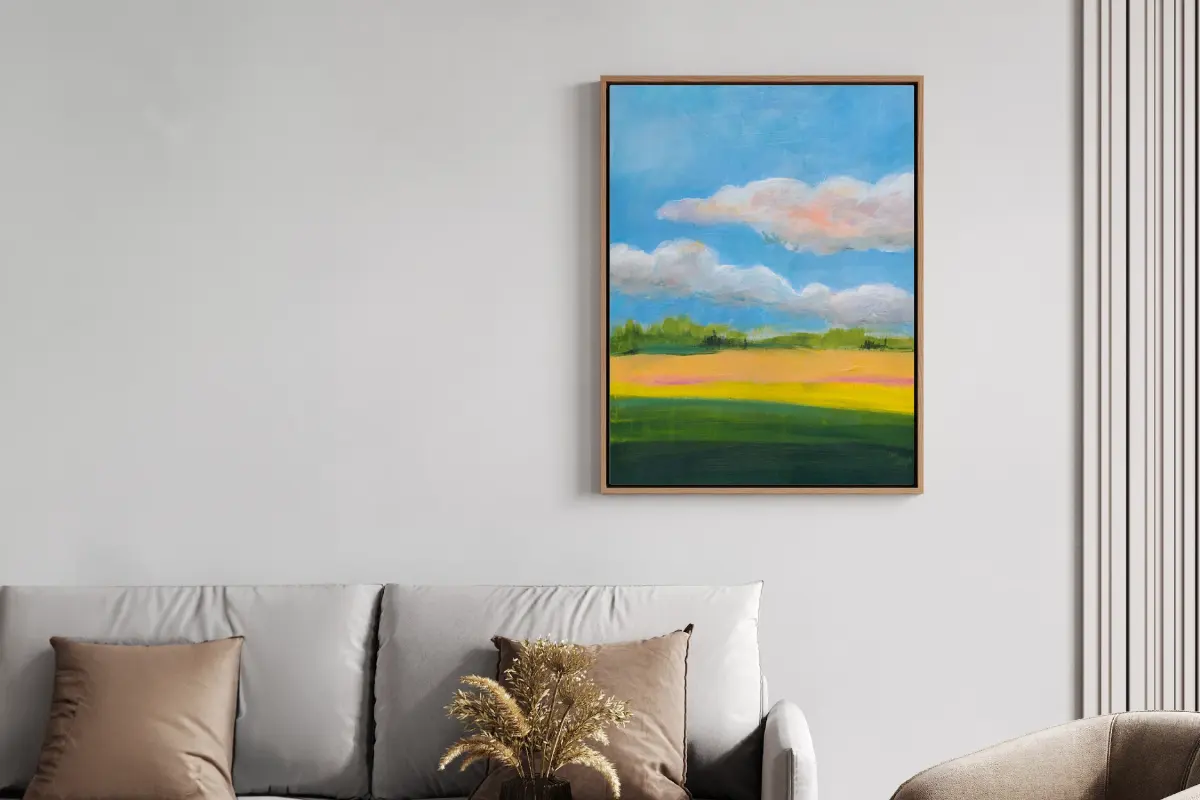
- Display: Stretched canvases look finished on the wall; boards usually require a frame.
Common mistakes when using canvas boards
One common mistake is assuming that all canvas boards are archival. Many inexpensive boards use acidic cardboard backings that can cause the canvas to yellow or deteriorate over several years. If you plan to sell your work or keep it for a lifetime, look for labels that specify "acid-free" or "museum-grade" backing materials. Using cheap, non-archival boards for professional commissions is a frequent error that can lead to disappointed clients later.
Another issue involves the rigidity of the board. Because boards do not flex, they can be prone to warping if they are exposed to extreme humidity or temperature changes. Never store canvas boards leaning against a wall in a damp garage or basement. Instead, store them flat in a cool, dry environment. If a board does warp, it is often impossible to flatten it again without damaging the paint layer, so prevention is the only reliable solution for maintaining a flat surface.
How to prepare canvas for painting
Whether you choose a stretched canvas or a board, you must ensure the surface is properly primed. Most commercial canvases come "gessoed," meaning they have a layer of primer that prevents paint from soaking into the fibers. However, many professional artists prefer to apply an extra coat of gesso to create a smoother, more uniform surface. Follow these steps to improve your painting surface:
- Sand the existing canvas lightly with fine-grit sandpaper to remove bumps.
- Wipe away any dust with a clean, damp cloth.
- Apply a thin, even layer of acrylic gesso using a wide, flat brush.
- Let the surface dry completely for at least 24 hours.
- Sand again lightly if you desire an ultra-smooth finish for detailed portraiture.
Which surface is best for beginners?
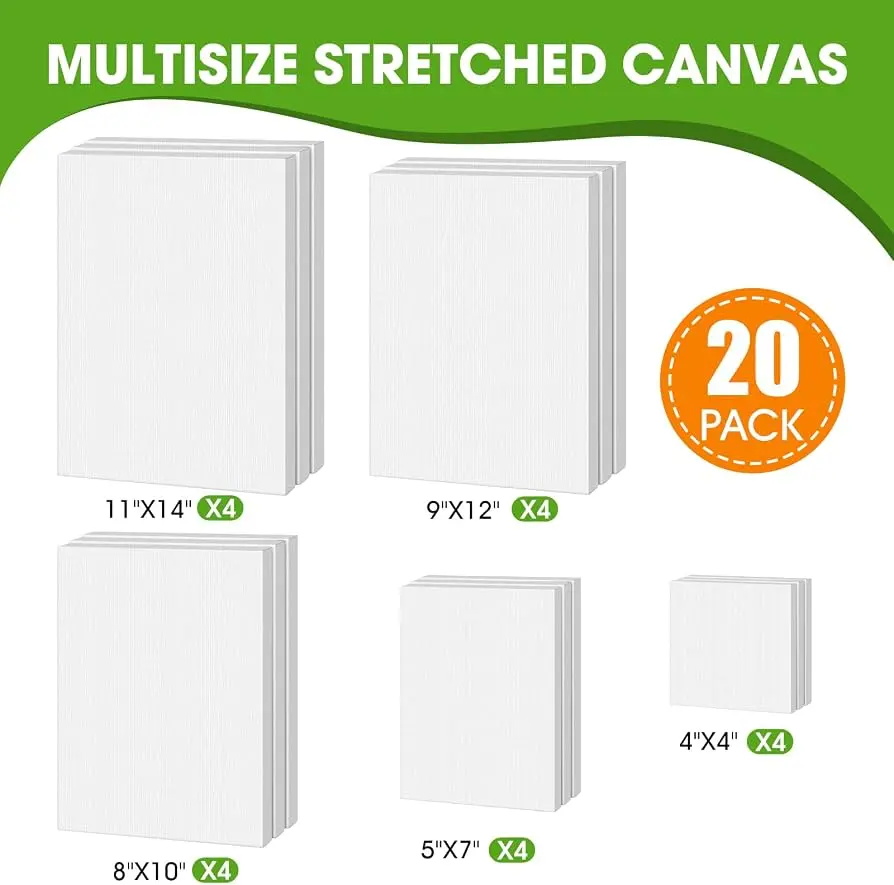
For those just starting their artistic journey, canvas boards are generally the best entry point. They are affordable, readily available in multi-packs, and do not require the complex setup of wooden frames. Beginners often find that the lack of "bounce" on a board makes it easier to control fine lines and detail work. You can focus on learning color theory and brush pressure without worrying about the fabric sagging under the weight of thick paint.
Once you have mastered the basics and feel ready to commit to a more permanent project, transition to stretched canvas. You will immediately notice the difference in how the brush glides across the fabric. The "spring" of a stretched canvas encourages looser, more expressive brushwork, which is a hallmark of professional oil painting. By starting with boards and moving to stretched frames, you develop a tactile understanding of how different surfaces interact with various paint media, ultimately making you a more versatile and confident artist.
Key facts
- Stretched canvas consists of fabric, usually cotton or linen, pulled tight and stapled over a wooden frame called stretcher bars.
- Canvas board is a rigid piece of cardboard or hardboard panel covered with a thin layer of primed canvas fabric.
- Stretched canvas provides a slight "bounce" or spring when the brush touches the surface, which some artists find more comfortable.
- Canvas boards are significantly thinner and easier to store, making them ideal for artists with limited studio space.
- Stretched canvas requires more careful handling to avoid punctures, whereas canvas boards are durable and resistant to warping.
- Professional artists often prefer stretched canvas for large-scale gallery works, while beginners frequently choose boards for practice.
The bottom line
The primary difference between these surfaces lies in their structure and physical response. Stretched canvas offers a flexible, springy surface favored for its traditional feel and professional presentation, while canvas board provides a rigid, space-saving alternative perfect for practice and portability. Choosing between them depends on your specific project needs, storage capacity, and budget, as both options effectively support various painting mediums when properly primed.
People also ask
Can I use oil paints on both canvas and canvas board?
Yes, both surfaces are suitable for oil painting as long as they are properly primed with gesso. Ensure the surface is acid-free to prevent the oil from eventually rotting the fabric or board.
Which surface is more affordable for beginners?
Canvas boards are generally much cheaper than stretched canvases. They are the standard choice for students and hobbyists who are still learning techniques and do not need museum-quality longevity.
Do canvas boards warp over time?
Because they are made of cardboard, cheaper canvas boards can warp if they get wet or are exposed to high humidity. Higher-quality panels mounted on wood or MDF are much more stable.
Is it possible to re-stretch a canvas after it has been painted?
You can remove a painting from its stretcher bars, but it is a delicate process that risks damaging the paint layer. It is usually better to paint on a new surface if you need a different size.
Why do professional artists prefer linen over cotton?
Linen is a stronger, more durable fiber that is less prone to expansion and contraction than cotton. It provides a smoother, more consistent texture that can last for centuries if preserved correctly.
How should I store my finished paintings?
Store your work in a cool, dry place away from direct sunlight. Keep stretched canvases upright and separated by spacers to prevent the paint from sticking to other surfaces.
This answer was created with the help of AI research tools and reference sources. Spotted an error? Let us know — we correct mistakes quickly. See our editorial policy.