What is linen canvas?
Short answer
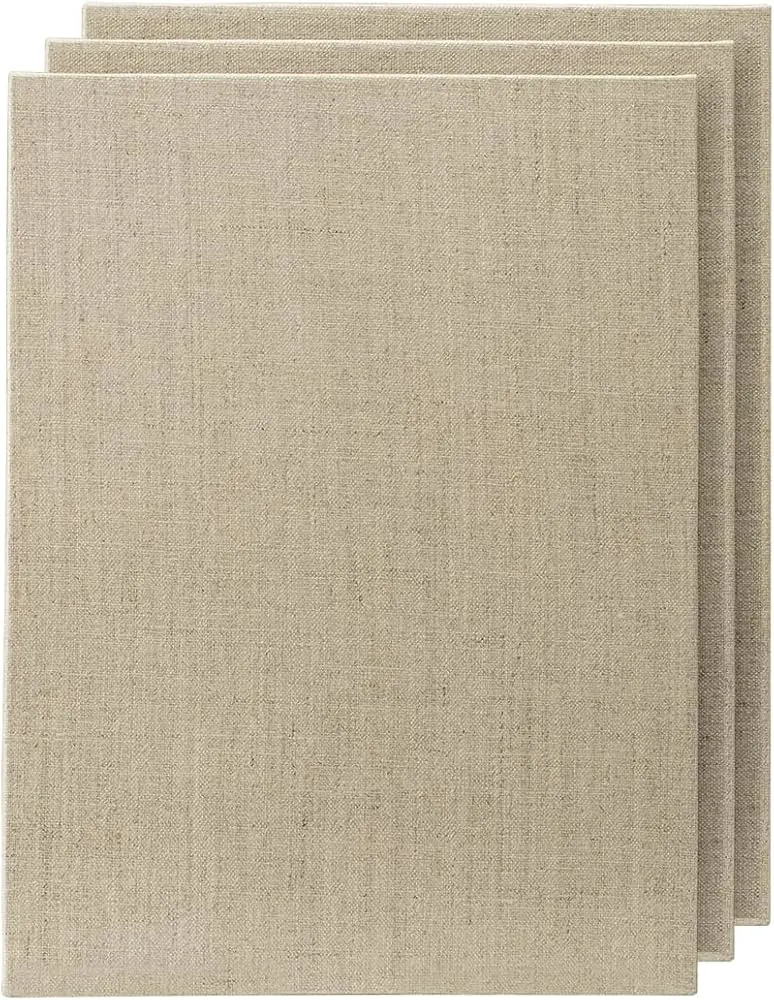
Linen canvas is a premium painting surface woven from the fibers of the flax plant. Prized for its exceptional durability, archival quality, and natural texture, it is the preferred choice for professional artists working in oils or acrylics. Unlike cotton, linen is resistant to rot and maintains its structural tension over centuries.
On this page
What is linen canvas made of?
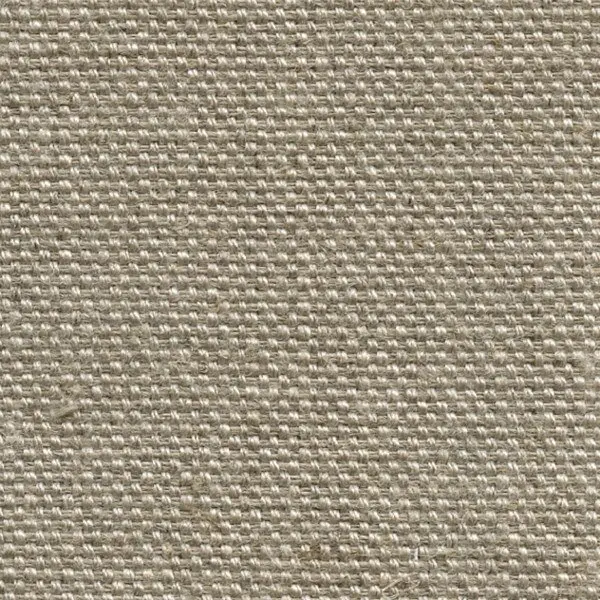
Linen is derived from the flax plant, Linum usitatissimum, which has been cultivated for thousands of years. The process involves harvesting the stalks, retting them to break down the outer layers, and spinning the inner fibers into yarn. Once woven into a textile, this material is processed into canvas by applying a "size" to seal the fibers and a "gesso" to create a painting surface.
The quality of linen is determined by the weight of the weave and the uniformity of the threads. Professional-grade linens often feature a "double-primed" surface, meaning two layers of gesso are applied to prevent oil paint from seeping into the fibers. Because flax fibers are naturally long and strong, the resulting canvas is significantly more resistant to moisture, mold, and temperature fluctuations than its cotton counterpart. This structural integrity ensures that the painting remains stable for generations.
Why do professional artists prefer linen?
Most professional painters choose linen because it offers a superior surface texture and unmatched longevity. The natural irregularities in the flax threads provide a subtle "tooth" that grips paint effectively, allowing for complex layering and glazing techniques. Furthermore, linen is less prone to the "sagging" that often plagues cotton canvas over time, as the fibers do not expand and contract as drastically with humidity changes.
The archival benefits of linen are well-documented in art history, as many masterpieces from the Renaissance to the present day remain in excellent condition due to the stability of the support. While cotton is a popular choice for students due to its affordability, linen remains the gold standard for gallery-ready work. Artists often cite the following benefits when selecting this material:
- Exceptional resistance to rot and fungal growth.
- Higher tensile strength, allowing for tighter stretching on wooden bars.
- A natural, aesthetic appearance that can be left partially exposed in underpaintings.
- Minimal expansion and contraction, which prevents cracking in thick oil paint layers.
How to choose the right linen canvas?
Selecting the correct linen involves considering the weight, the weave, and the priming method. Weight is measured in ounces per square yard, with heavier canvases (10 to 12 ounces) being ideal for large-scale works, while lighter weights (4 to 6 ounces) are better for smaller, detailed portraits. You must also decide between raw, oil-primed, or universal-primed linen depending on your medium.
- Check the weave: Look for "fine" weave for portraiture and "coarse" or "rough" weave for heavy impasto techniques.
- Verify the priming: Ensure the label specifies whether it is primed for oils or acrylics, as oil-primed linen requires a specific ground to prevent the paint's acidity from rotting the fabric.
- Inspect the surface: Hold the canvas up to a light source to ensure there are no pinholes or thin patches in the weave.
- Test the tension: If buying pre-stretched, press gently on the center to ensure the frame is sturdy and the fabric is taut.
Common mistakes when using linen canvas
One of the most frequent errors artists make is using oil-primed linen for acrylic painting. Acrylic paint does not adhere well to oil-based primers, which can lead to the paint peeling off the surface over time. Always verify that your primer is compatible with your chosen medium to ensure long-term adhesion. Another common mistake is storing linen in damp environments, which can lead to warping of the wooden stretcher bars, even if the linen itself remains stable.
Avoid these pitfalls to maintain your work's integrity:
- Never use a damp cloth to clean the surface of a raw, unprimed linen canvas.
- Avoid over-stretching the canvas, as excessive force can cause the fibers to lose their natural elasticity.
- Do not store finished paintings in basements or attics where humidity levels fluctuate wildly.
- Refrain from using cheap, acidic tapes or adhesives on the back of the canvas, as these can migrate into the fibers and cause yellowing.
How to prepare raw linen for painting?
If you purchase raw, unprimed linen, you must prepare it yourself to prevent the oil in your paint from deteriorating the fibers. The process begins with "sizing," which acts as a barrier between the linen and the paint. Rabbit-skin glue is the traditional choice, though modern synthetic sizes are often preferred for their flexibility and resistance to moisture. Once the size is dry, you apply a layer of gesso.
To prepare your own surface, follow these steps:
- Stretch your raw linen tightly over a high-quality wooden frame using stainless steel staples.
- Apply a thin, even coat of size to the entire surface and allow it to dry completely.
- Apply two or more coats of gesso, sanding lightly between layers with fine-grit sandpaper to achieve your desired texture.
- Allow the final layer to cure for at least 24 hours before beginning your underpainting.
By taking the time to properly prime your linen, you ensure that your artwork will remain as vibrant and structurally sound as the day it was finished.
Key facts
- Linen is a textile made from the fibers of the flax plant, known for its superior strength and durability compared to cotton.
- Artists prefer linen because it is naturally resistant to moisture, rot, and insects, ensuring the longevity of paintings.
- The fabric is categorized by its "tooth," or surface texture, which ranges from fine and smooth to coarse and heavy.
- Linen canvas is typically sold in three states: raw, primed with gesso, or oil-primed for specific painting techniques.
- Because linen fibers are less elastic than cotton, they maintain a tighter, more stable tension on the stretcher bars over time.
- To prevent cracking, always store linen canvases in environments with stable humidity levels to avoid the natural expansion and contraction of the fibers.
The bottom line
Linen canvas remains the gold standard for fine art painting due to its remarkable durability and structural stability. Derived from the flax plant, this premium material provides a superior surface that resists the sagging and environmental decay common in cheaper alternatives. While it requires a higher initial investment and careful preparation, its longevity ensures that your artwork will maintain its integrity and professional appearance for generations to come.
People also ask
Is linen canvas better than cotton canvas?
Linen is generally considered superior to cotton because it is more durable, less prone to sagging, and naturally resistant to environmental degradation. While cotton is more affordable and widely available, professional artists often choose linen for long-term archival projects.
How do I prime raw linen canvas before painting?
You must apply a sizing agent, such as rabbit-skin glue or a synthetic equivalent, to seal the fibers and prevent oil paint from rotting the fabric. Once the sizing is dry, apply two or three coats of gesso to create a smooth, receptive surface for your pigments.
Why does linen canvas sometimes warp on the frame?
Warping often occurs if the canvas was stretched too tightly or if the wooden stretcher bars are made of low-quality, unseasoned timber. Using cross-braced bars and proper tensioning techniques helps keep the surface flat and responsive to the brush.
Can I use acrylic paint on linen?
Yes, acrylic paint adheres well to linen, provided the canvas is properly primed with an acrylic-based gesso. Avoid using raw linen with acrylics, as the paint's water content can cause the natural fibers to swell and eventually degrade.
What is "double-primed" linen?
Double-primed linen has received two layers of gesso during the manufacturing process, resulting in a smoother, less absorbent surface. This finish is ideal for artists who prefer detailed work and want to minimize the amount of paint absorbed by the fabric.
How should I clean a linen canvas painting?
Use a soft, dry brush to gently remove dust from the surface. Avoid using water, household cleaners, or damp cloths, as these can damage the paint film or cause the linen fibers to expand and ripple.
This answer was created with the help of AI research tools and reference sources. Spotted an error? Let us know — we correct mistakes quickly. See our editorial policy.