How do you frame a painting?
Short answer
Framing a painting involves selecting a frame that complements the artwork, securing the canvas or board within the frame using offset clips or brads, and installing hardware for wall mounting. Proper framing protects the piece from environmental damage while enhancing its visual presentation through professional mounting techniques and protective backing materials.
On this page
How to choose the right frame for a painting
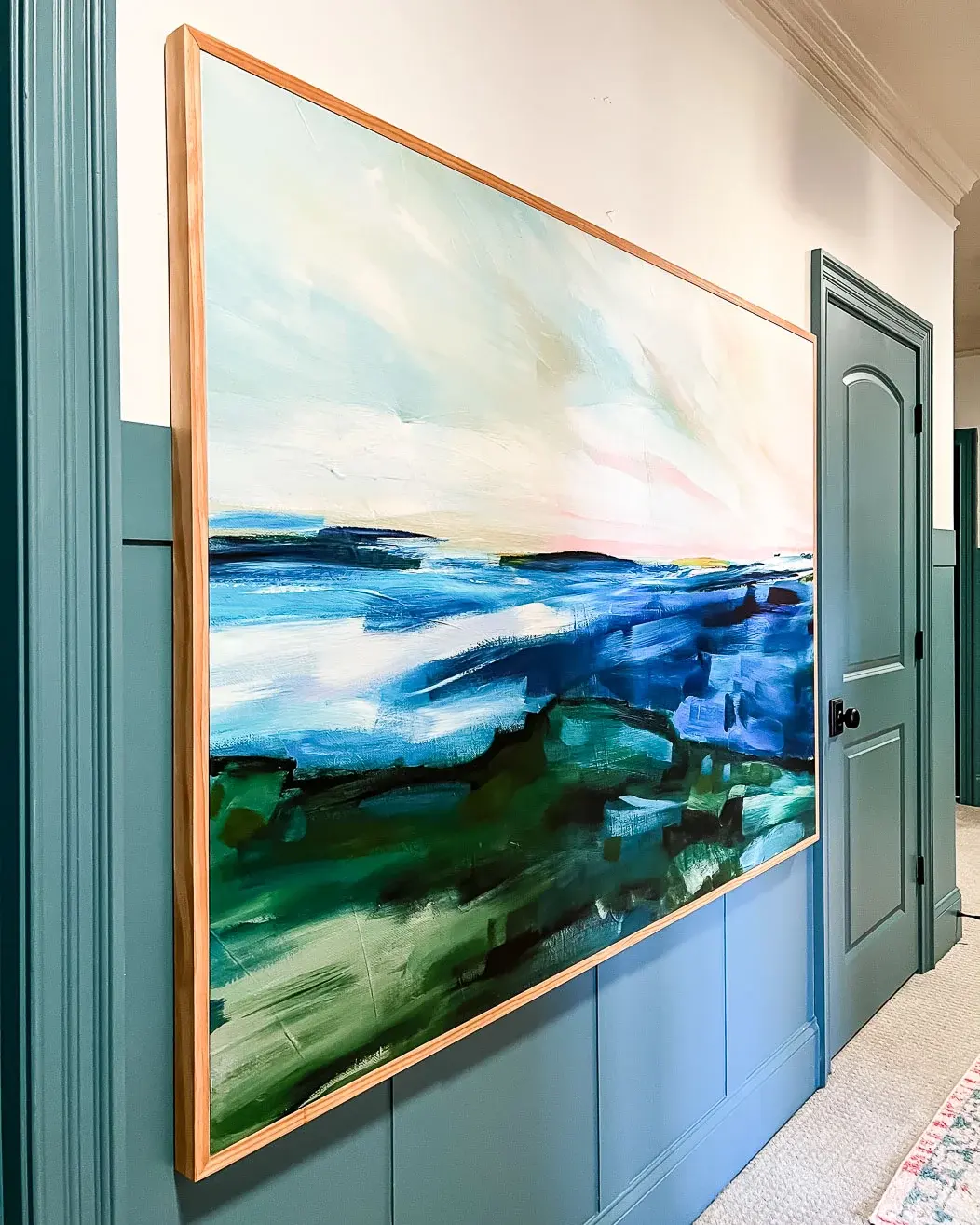
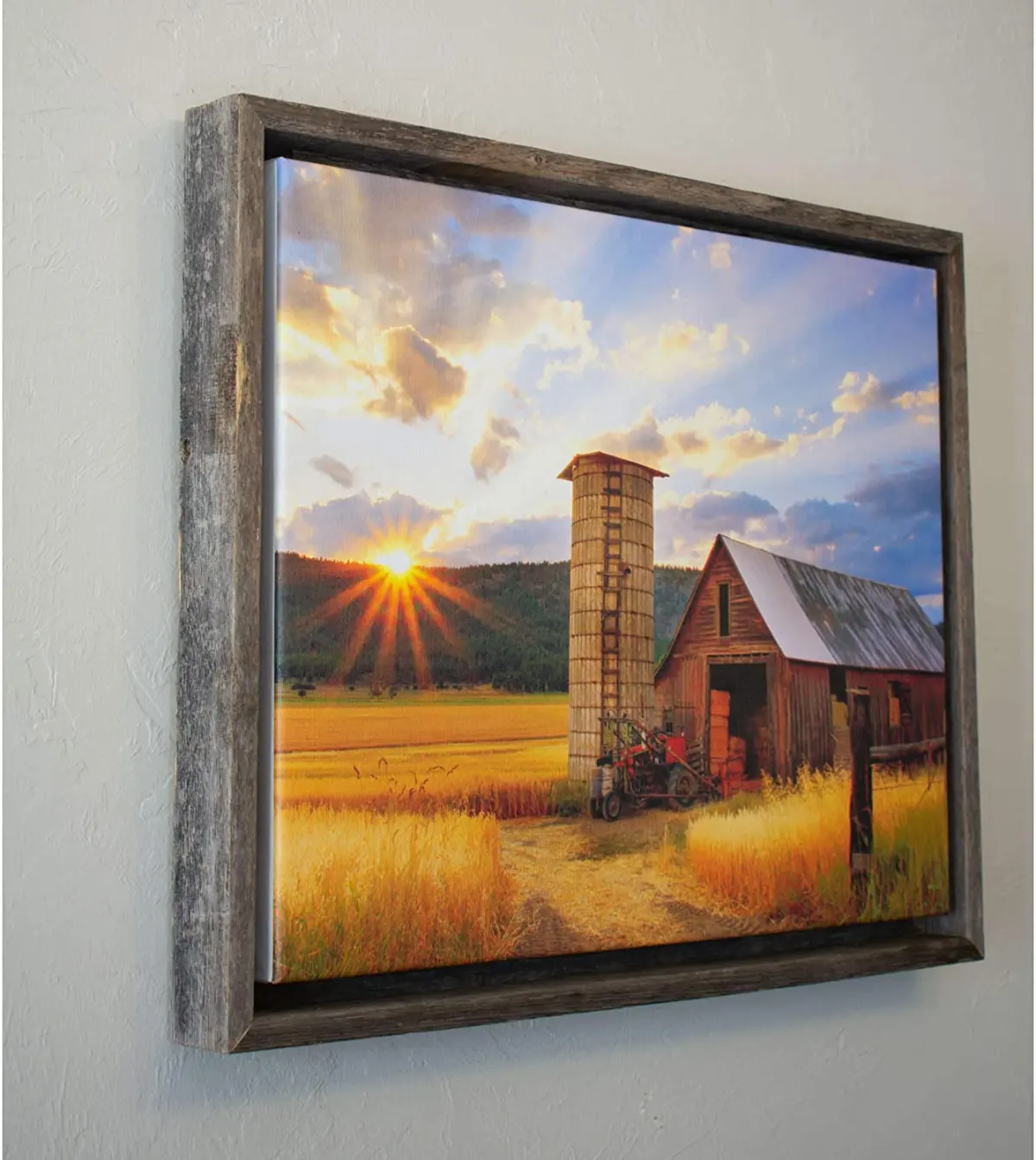
Selecting a frame requires balancing aesthetic appeal with the physical requirements of the artwork. For oil or acrylic paintings on canvas, a "floater frame" is a popular choice because it leaves a small gap between the edge of the canvas and the frame, allowing the entire surface of the painting to remain visible. Traditional frames with a rabbet—the inner lip that holds the art—are better suited for paintings on rigid panels or stretched canvases that do not require edge exposure.
Consider the style and period of the painting when choosing materials. Ornate, gilded wooden frames often suit classical portraits, while minimalist metal or simple wood frames are preferred for contemporary abstract works. Always ensure the frame is deep enough to accommodate the thickness of your stretcher bars. If the painting is valuable, choose acid-free materials to prevent long-term degradation of the canvas or paint layers.
How to measure a painting for framing
Accurate measurement is the most critical step to ensure a secure fit. Use a metal tape measure to determine the exact height and width of the artwork at its widest points. If the painting is on a stretched canvas, measure the dimensions of the stretcher bars rather than the canvas surface itself, as the canvas may wrap around the sides.
- Measure the height and width of the canvas or board at three different points to account for slight warping.
- Record the thickest measurement to ensure the frame's rabbet depth is sufficient.
- Add 1/8 inch to your final dimensions to allow for "breathing room," which prevents the frame from damaging the edges of the artwork.
- Verify that the frame you intend to purchase matches these dimensions exactly, as a frame that is too tight can cause the canvas to bulge or the wood to crack.

How to secure a painting in a frame
Once you have the frame, you must securely attach the painting to prevent it from shifting or falling. For paintings on canvas, offset clips are the industry standard. These metal brackets screw into the back of the frame and reach over the stretcher bars, holding the painting firmly against the front rabbet without requiring you to drive nails into the artwork itself.
If you are framing a painting on a thin board or panel, you may use flexible framer’s points or brads. These are thin metal pieces driven into the inner wall of the frame to hold the panel in place. Always place a piece of acid-free backing board behind the painting before sealing it. This acts as a barrier against dust, insects, and moisture, which can cause significant damage to the back of the canvas over time.
Common mistakes when framing paintings
Many beginners make the mistake of using non-archival materials, such as standard masking tape or cardboard, to secure their artwork. These materials contain acids that will eventually migrate into the canvas, causing yellowing, brittleness, and permanent staining. Always use acid-free, archival-quality tape and backing materials to ensure the longevity of the piece. Another common error is framing a painting behind glass when it is not necessary.
- Avoid using glass for oil or acrylic paintings, as these mediums need to breathe; trapping moisture can lead to mold growth.
- Do not overtighten hardware, as this can warp the wooden stretcher bars over time.
- Never use glue or permanent adhesives to attach a canvas to a frame, as this prevents future conservation and restoration efforts.
- Ensure the hanging wire is rated for the specific weight of the frame and painting to avoid accidental drops.
How to install hanging hardware
The final step is preparing the frame for display by installing the hanging system. For most medium-sized paintings, a two-point hanging system using D-rings is superior to a single centered hook. D-rings should be attached to the back of the frame roughly one-third of the way down from the top edge. This placement ensures the painting hangs flat against the wall and reduces the risk of the frame tilting forward.
- Measure one-third of the distance from the top of the frame on both vertical sides.
- Screw the D-rings into the wood frame, ensuring they are securely anchored.
- Thread a braided steel wire through the D-rings, leaving enough slack so that the wire forms a shallow triangle when pulled upward.
- Wrap the excess wire tightly around itself to prevent fraying and secure the ends with crimps or electrical tape.
- Use high-quality wall hooks that match the weight capacity of your frame to complete the installation process.
Key facts
- Use acid-free materials for backing boards and mats to prevent yellowing and deterioration of the artwork over time.
- Ensure the frame is slightly larger than the artwork to allow for natural expansion and contraction caused by humidity changes.
- Glass or acrylic glazing should never touch the surface of a painting, as trapped moisture can cause mold or paint adhesion issues.
- Use D-rings or heavy-duty screw eyes attached to the frame, not the stretcher bars, to ensure the piece hangs securely.
- Measure the artwork at its widest and tallest points, then add a 1/8-inch allowance to ensure a proper fit without pinching.
- Always wear clean cotton or nitrile gloves when handling prints or paintings to prevent skin oils from damaging the surface.
The bottom line
Framing is an essential process that balances aesthetic presentation with long-term preservation. By selecting archival-quality materials, ensuring proper spacing between the artwork and the glazing, and using secure hanging hardware, you protect your investment from environmental damage. Whether you choose a simple gallery frame or an ornate custom design, the goal is to enhance the visual impact while maintaining the structural integrity of the piece.
People also ask
Should I use glass when framing an oil painting?
Generally, oil paintings on canvas do not require glass because the paint needs to breathe and cure over many years. However, if the painting is in a high-traffic area or lacks a protective varnish, glass or acrylic can provide necessary protection from dust and physical damage.
What is the purpose of a mat board?
A mat board serves as a decorative border and a physical spacer between the artwork and the glazing. It prevents the artwork from sticking to the glass and draws the viewer's eye toward the center of the piece.
How do I choose the right frame style?
Select a frame that complements the style of the artwork rather than competing with it. Traditional oil paintings often look best in ornate, gilded wood frames, while modern abstract works typically benefit from sleek, minimalist metal or simple wood profiles.
Can I use regular tape to secure my artwork?
Never use standard adhesive tape, as the chemicals will eventually yellow and damage the paper or canvas. Use only archival-quality linen tape or acid-free hinging tissue that can be safely removed by a professional conservator.
What is the difference between acrylic and glass glazing?
Glass is more scratch-resistant and affordable, but it is heavy and prone to shattering. Acrylic is lightweight, shatterproof, and often comes with UV-filtering properties, making it the preferred choice for large works or pieces displayed in public spaces.
How high should I hang a framed painting?
A common professional standard is to hang the center of the artwork at eye level, which is approximately 57 to 60 inches from the floor. This height creates a comfortable viewing experience for the average person standing in a room.
This answer was created with the help of AI research tools and reference sources. Spotted an error? Let us know — we correct mistakes quickly. See our editorial policy.