What is a palette knife used for?
Short answer
A palette knife is a blunt tool with a flexible steel blade used primarily by artists to mix paints on a palette or apply them directly to a canvas. It allows for thick, sculptural impasto textures, clean color blending, and precise scraping techniques that brushes cannot easily replicate in oil or acrylic painting.
On this page
What is a palette knife used for in painting?
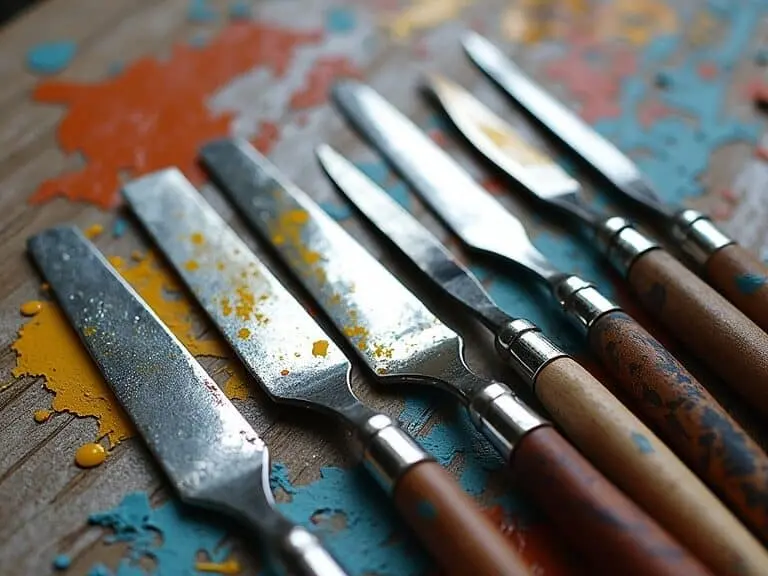
Palette knives serve two primary functions in the studio: mixing and application. When mixing, the flat surface of the blade allows artists to incorporate pigments thoroughly without trapping air bubbles or damaging delicate brush bristles. This ensures a consistent color mixture that remains stable during the painting process.
Beyond mixing, these tools are essential for applying paint to a surface. Because they lack the soft hairs of a brush, they deposit paint in crisp, defined layers. Artists use the edge of the blade to create sharp lines or the flat side to spread large, buttery swaths of color. This versatility makes them indispensable for painters who prioritize texture and structural depth in their work.
How to use a palette knife for impasto techniques
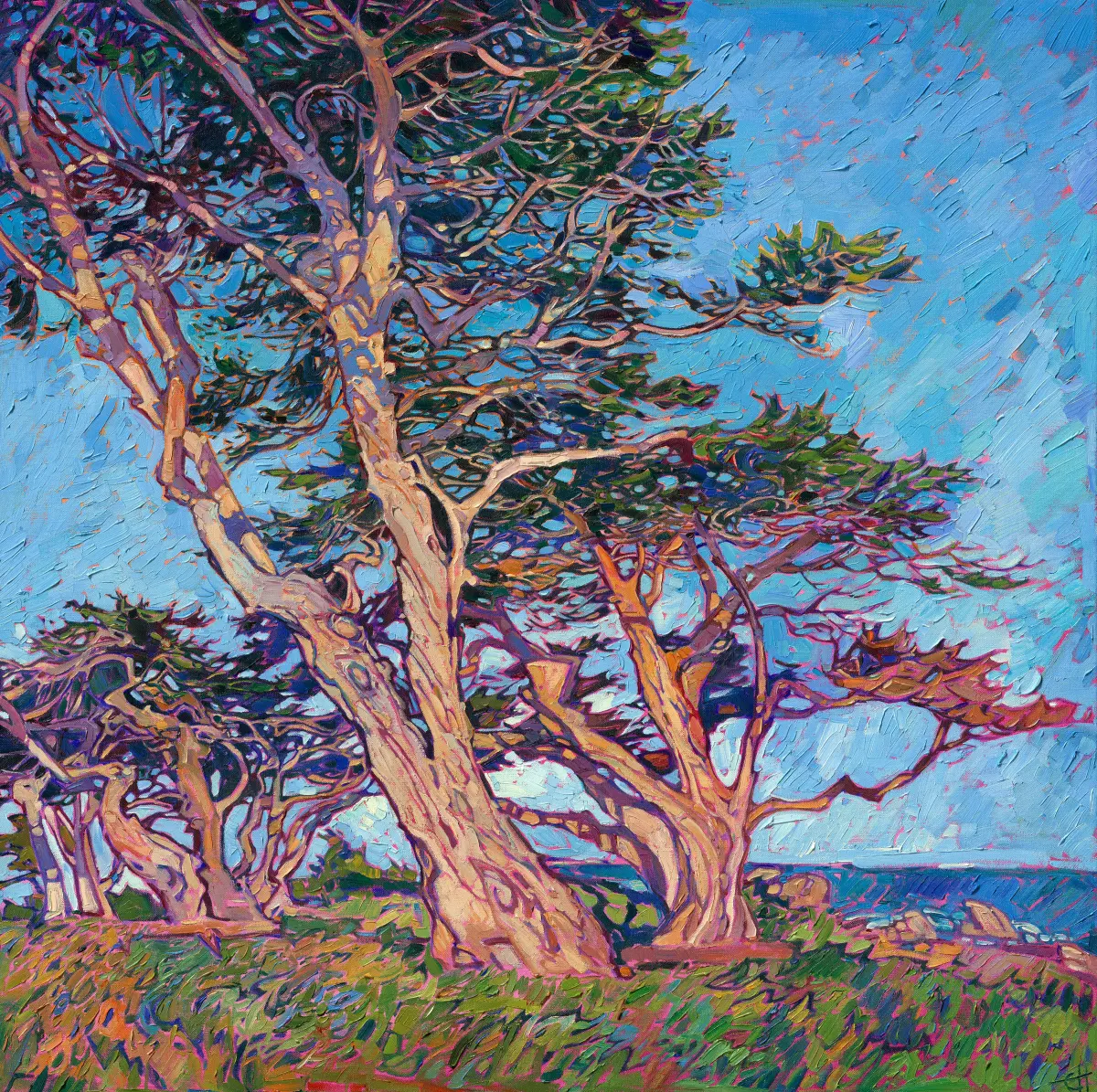
Impasto refers to the technique of laying paint on a canvas so thickly that it stands out from the surface. To achieve this, load the underside of the blade with a generous amount of paint. Press the blade gently against the canvas and pull it away, leaving a raised ridge of pigment that catches the light.
- Scoop a marble-sized amount of heavy-body acrylic or oil paint onto the blade.
- Apply the paint to the canvas using a light, sweeping motion to avoid flattening the texture.
- Vary the angle of the blade to create different edge profiles, ranging from soft slopes to jagged, sharp peaks.
- Allow the paint to dry completely before attempting to layer additional colors on top to prevent muddying the base.
Best palette knife shapes for beginners
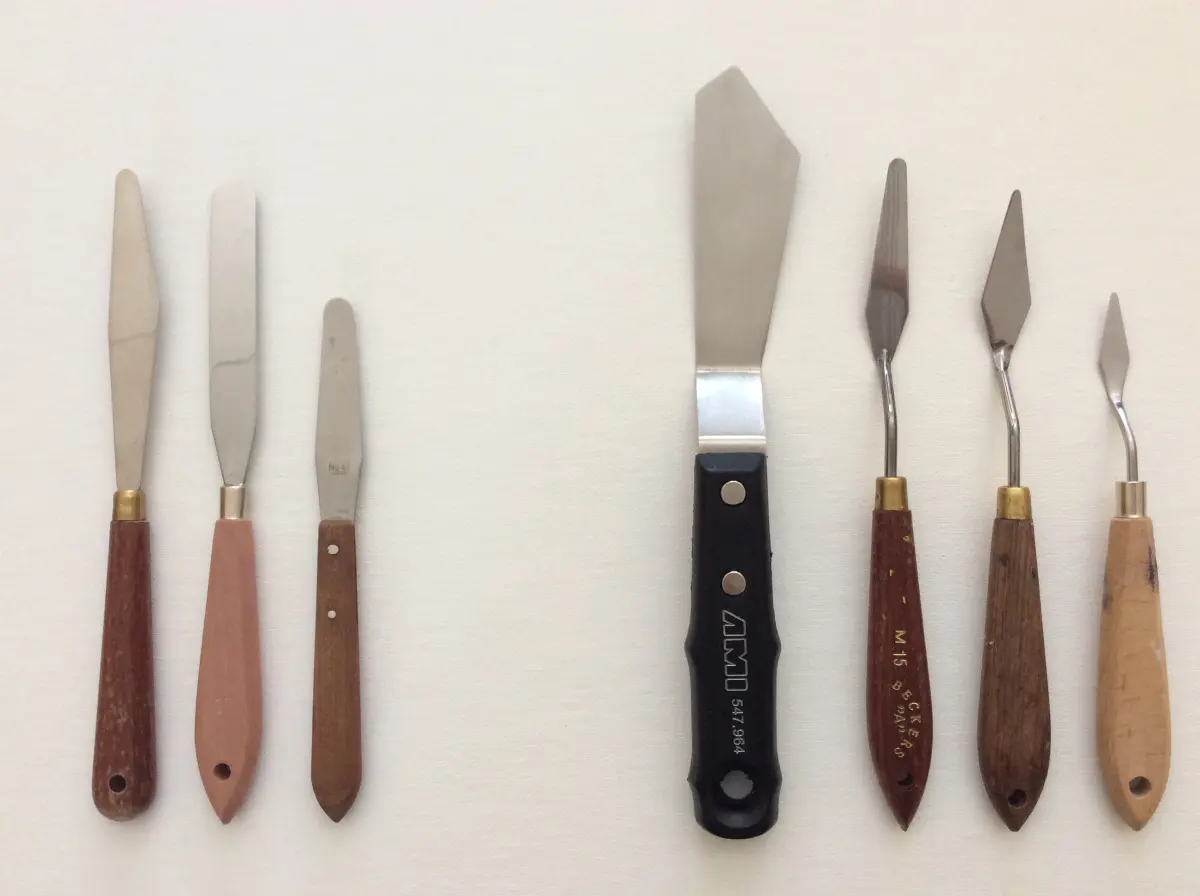
Palette knives come in various shapes, each designed for specific movements and effects. Beginners should start with a small collection that covers the most common needs. A diamond-shaped blade is the most versatile, as it provides a sharp point for detail and a wide belly for broad coverage.
- Trowel-shaped knives: Ideal for large, flat areas and smoothing backgrounds.
- Pointed diamond knives: Best for fine details, sharp edges, and signing your name.
- Rectangular or square-tipped knives: Perfect for creating geometric shapes or straight, architectural lines.
- Offset knives: These feature a bent handle that keeps your knuckles away from the wet paint surface.
Investing in a set of three to five knives with different blade lengths will allow you to experiment with various strokes. Stainless steel blades are preferred for their durability and ease of cleaning, while plastic alternatives are cheaper but often lack the necessary flexibility for professional results.
Common mistakes when using a palette knife
The most frequent error beginners make is overworking the paint. Because the knife is a rigid tool, repeatedly scraping over the same area will quickly turn vibrant colors into a dull, muddy brown. Aim for decisive, single-stroke applications rather than trying to "brush" the paint around.
Another common mistake is failing to clean the tool between color changes. Residual paint on the blade will contaminate your next mixture, leading to unintended color shifts. Always keep a rag or paper towel nearby to wipe the blade clean after every few strokes. Additionally, avoid using too much pressure, which can scrape the paint off the canvas entirely or damage the primed surface underneath.
How to clean and maintain palette knives
Proper maintenance ensures your knives remain effective for years. Because palette knives are typically made of tempered steel, they are resistant to most solvents, but they can rust if left wet. After each painting session, wipe the blade thoroughly with a dry cloth or a paper towel soaked in a small amount of solvent or vegetable oil.
- Wipe the blade immediately after use to prevent paint from hardening in the crevices.
- Use a mild soap and warm water for deep cleaning, especially after using acrylics.
- Dry the blade completely with a lint-free cloth to prevent oxidation or rust spots.
- Store your knives in a flat container or a dedicated knife roll to prevent the edges from bending or becoming nicked.
If you notice dried paint stuck to the metal, gently scrape it off with a fingernail or a soft plastic scraper. Avoid using abrasive steel wool, as this can scratch the surface and make it harder to clean in the future. By keeping your tools pristine, you ensure that every stroke remains as crisp and clean as the first one you made on your canvas.
Key facts
- A palette knife is a blunt, flexible tool featuring a steel blade and a wood or plastic handle, used primarily for mixing and applying paint.
- Artists use the knife to mix colors directly on the palette, which prevents the bristles of expensive brushes from becoming clogged or damaged.
- Applying paint with a knife creates a distinct "impasto" effect, where the paint stands off the canvas with visible, three-dimensional texture.
- The blade’s flat edge is ideal for scraping excess paint off a canvas or cleaning dried residue from a wooden palette.
- Unlike brushes, palette knives do not hold paint in bristles, making them extremely easy to clean with a simple wipe of a rag.
- When choosing a knife, look for high-quality tempered steel that offers enough "spring" to bend slightly without permanently deforming.
The bottom line
The palette knife is an essential, versatile instrument that bridges the gap between utility and artistry. By using it to mix pigments efficiently and apply thick, textured layers of paint, artists can achieve a level of depth and tactile energy impossible with brushes alone. Mastering this tool allows for cleaner color transitions, easier cleanup, and a unique, sculptural quality that defines professional-grade oil and acrylic work.
People also ask
Can I use a palette knife for oil and acrylic paints?
Yes, palette knives are highly effective for both mediums. They are particularly useful with heavy-body acrylics or thick oil paints that require a sturdy tool to manipulate on the surface.
What is the difference between a palette knife and a painting knife?
A palette knife typically has a straight, long blade intended for mixing colors on a palette. A painting knife has a bent handle (cranked) to keep your knuckles away from the wet paint while applying it to the canvas.
How do I prevent the paint from looking muddy when mixing with a knife?
Avoid over-mixing your colors. Use a light, folding motion to combine pigments rather than grinding them together, which keeps the individual color streaks vibrant and distinct.
What is the most common mistake beginners make with a palette knife?
Many beginners press too hard against the canvas, which can scrape away the paint or damage the surface. Use a light, skimming touch to lay the paint on top of the canvas rather than digging into it.
Do I need a set of different knife shapes?
Starting with one diamond-shaped trowel knife is sufficient for most tasks. As you develop your style, you may want to add smaller, pointed knives for detail or larger, rectangular ones for broad coverage.
How should I clean my palette knife after a painting session?
Simply wipe the blade thoroughly with a paper towel or a soft rag immediately after use. If the paint has hardened, use a mild solvent or a gentle scraper to remove the buildup without scratching the steel.
This answer was created with the help of AI research tools and reference sources. Spotted an error? Let us know — we correct mistakes quickly. See our editorial policy.