What is impasto?
Short answer
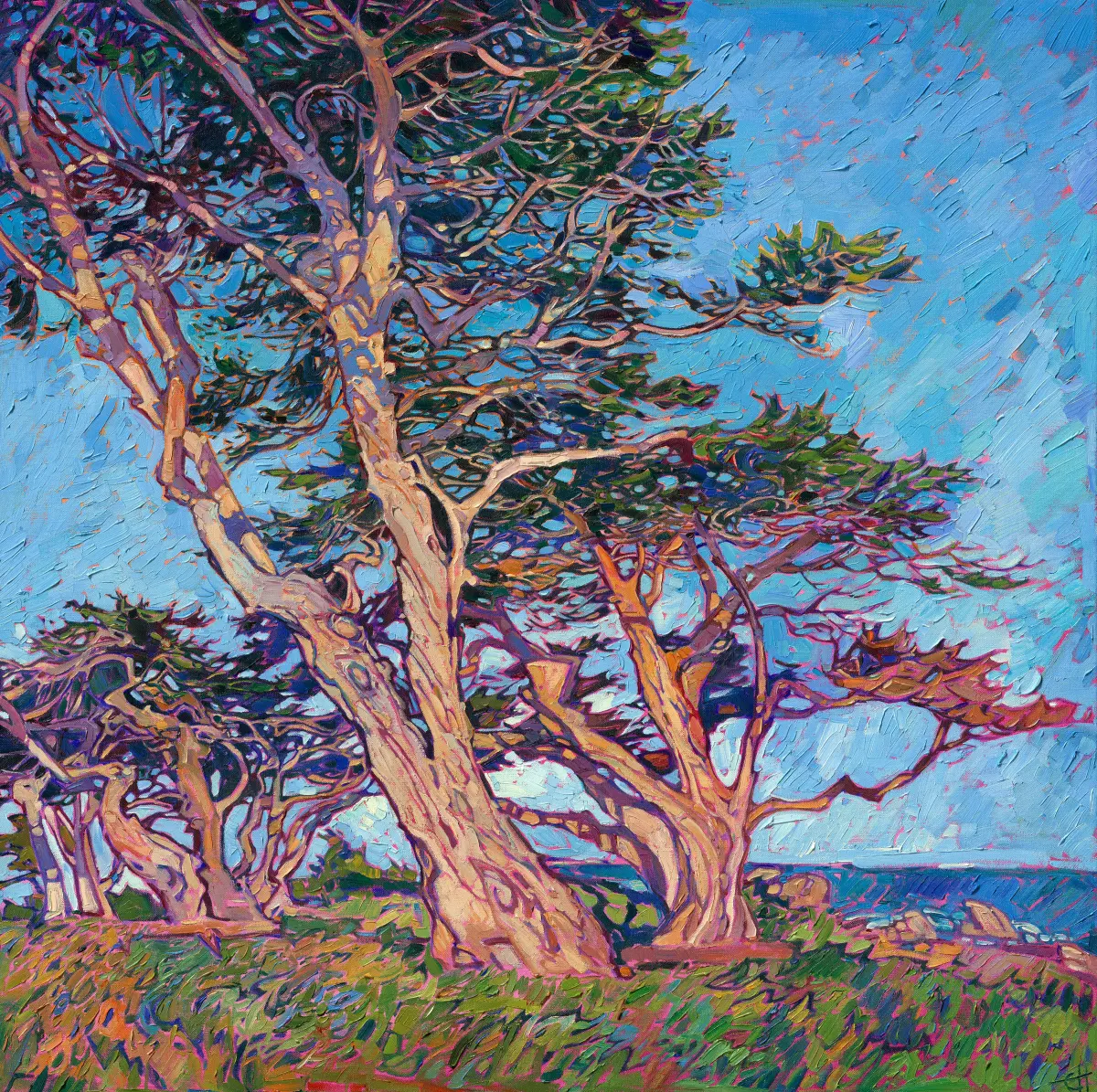
Impasto is a painting technique where paint is applied to a surface in thick, textured layers. By using a brush or palette knife, artists leave visible marks that stand out from the canvas. This method adds physical depth, enhances light reflection, and creates a tactile, three-dimensional quality in both oil and acrylic works.
On this page
What is the history of impasto?
The technique of impasto has been utilized by painters for centuries to add drama and realism to their work. While early Renaissance artists often favored smooth, blended surfaces, the use of thick paint became more prominent during the 17th century. Masters like Rembrandt van Rijn famously used heavy applications of lead white to highlight jewelry, skin textures, and fabric, giving his subjects a lifelike presence that seemed to emerge from the shadows.
By the 19th and 20th centuries, impasto evolved from a subtle tool into a primary expressive element. Impressionist and Post-Impressionist painters, most notably Vincent van Gogh, used thick, rhythmic strokes to convey movement and raw emotion. Van Gogh’s The Starry Night remains the quintessential example of this style, where the paint’s physical height creates a swirling, energetic surface. Modern artists continue to use this method to emphasize the materiality of paint itself, moving beyond mere representation to celebrate the sculptural potential of the medium.
Which materials are best for impasto?
To achieve a successful impasto effect, the choice of paint and tools is critical. Oil paints are naturally suited for this technique due to their slow drying time and buttery consistency, which holds its shape without collapsing. Acrylic paints can also be used, though they often require the addition of thickening mediums to achieve the same structural stability. High-viscosity "heavy body" acrylics are specifically formulated to mimic the thickness of oils.
Beyond the paint, the tools used for application significantly influence the final texture. Palette knives are the preferred instrument for creating sharp, clean ridges and large, flat planes of color. Brushes, particularly those with stiff, natural hog bristles, allow for more gestural, directional marks that retain the imprint of the brush hairs.
- Select heavy-body paints or add a modeling paste to acrylics.
- Choose a sturdy, rigid support like a wood panel or heavy-duty stretched canvas.
- Use a metal palette knife for crisp edges or a stiff hog-hair brush for textured strokes.
- Ensure the surface is properly primed with gesso to prevent the oil from rotting the fabric.
How to create impasto textures?
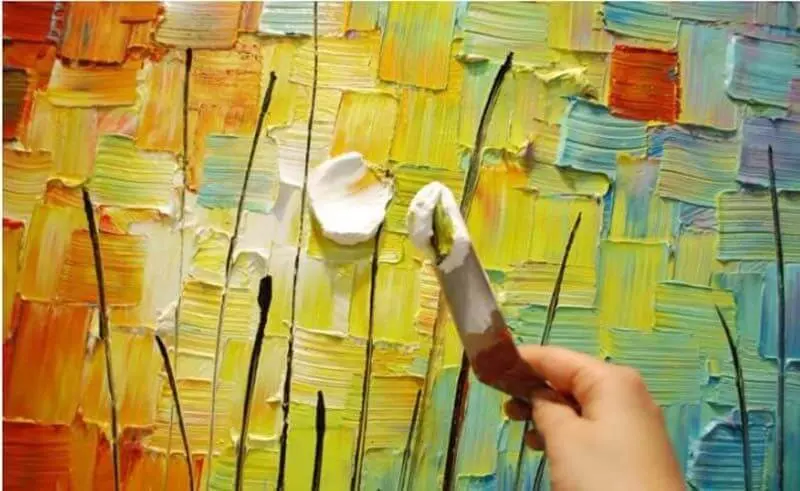
Creating depth with impasto requires a balance of pressure and paint volume. When using a palette knife, load the underside of the blade with a generous amount of paint and press it firmly against the canvas. By pulling the knife across the surface at a shallow angle, you can deposit a thick "ribbon" of pigment. For brushwork, load the bristles fully and apply the paint using a dabbing or "stippling" motion rather than dragging it, which preserves the height of the stroke.
Building layers is the most effective way to create complex, multi-dimensional surfaces. Allow the base layer to become "tack-dry" before applying further thick paint on top to prevent the entire mass from sliding or cracking. This layering process creates a topographical effect, where light catches the peaks of the paint and casts tiny shadows into the valleys, providing a dynamic visual experience that changes as the viewer moves around the room.
Why does impasto crack or fall off?
The most significant risk when working with thick paint is the structural failure of the film. Because the surface of the paint dries faster than the interior, significant shrinkage can occur, leading to deep cracks known as "mud-cracking." This is particularly common when using oil paints, as they oxidize over a long period. If the paint layer is too thick, the internal tension can cause the entire mass to delaminate and peel away from the support, especially if the canvas is flexible or improperly primed.
Another issue is the weight of the paint. If the impasto is exceptionally heavy, the canvas may sag over time, causing the brittle, dried paint to snap. To mitigate these risks, artists must ensure their support is rigid and that they avoid "fat over lean" violations, where a faster-drying layer is placed over a slower-drying one. Using high-quality binders and avoiding excessive thinning with solvents will also help maintain the integrity of the paint film for many years.
Common mistakes when painting impasto
One of the most frequent errors beginners make is over-blending the paint. Once you have applied a thick stroke, resist the urge to smooth it out or rework it repeatedly. Continual agitation destroys the crispness of the texture and leads to a muddy, gray appearance as colors mix uncontrollably on the canvas. Instead, aim for decisive, confident marks that you leave untouched once they are placed.
Another common mistake is neglecting the drying time required for thick applications. Many artists attempt to varnish their work too soon, which can trap moisture or solvents inside the paint, leading to long-term cloudiness or surface degradation. Patience is essential when working with high-relief paint.
- Avoid over-mixing colors on the palette before application.
- Do not use thin, watery paint for the final layers of an impasto piece.
- Ensure your workspace is well-ventilated, as thick paint releases more fumes.
- Keep your palette knives clean to prevent color contamination in the thick ridges.
Key facts
- Impasto is a technique where paint is laid on a surface in very thick layers, usually thick enough that the brush or painting-knife strokes are visible.
- The term comes from the Italian word for "dough" or "mixture," reflecting the heavy, paste-like consistency of the paint used.
- Oil paint is the traditional medium for impasto because of its slow drying time and high viscosity, though heavy-body acrylics are now common.
- Artists often apply impasto using stiff-bristled brushes or metal palette knives to create three-dimensional textures that catch and reflect light.
- Vincent van Gogh is the most famous historical practitioner of the technique, notably in works like The Starry Night (1889).
- A common mistake is applying impasto too thickly on a flexible canvas, which can cause the paint to crack as it dries and shrinks over time.
The bottom line
Impasto is a transformative technique that moves painting into the realm of sculpture by emphasizing the physical texture of the medium. By applying paint with deliberate, heavy strokes, artists create dynamic surfaces that interact with light and shadow. Whether using traditional oils or modern acrylics, mastering this method requires patience and an understanding of material properties to ensure the work remains stable and crack-free over time.
People also ask
Can you use impasto with watercolor paints?
No, traditional watercolor is too thin and transparent to hold a physical shape. To achieve a similar effect with water-based media, artists must use specialized impasto gels or heavy-body acrylic mediums.
Does impasto paint take longer to dry?
Yes, because the paint is applied in such thick layers, the inner portions take significantly longer to cure than a thin wash. It can take months or even years for a heavy impasto layer to dry completely through to the support.
What is the difference between impasto and texture paste?
Impasto is a technique using the paint itself to build volume, whereas texture paste is a sculptural additive mixed into or applied under the paint. Texture paste provides a more rigid structure and is often used to save expensive pigment.
Is impasto only used in oil painting?
While oil is the historical standard, modern acrylics can mimic the effect perfectly when mixed with thickeners. Impasto is rarely used in mediums like gouache or ink, which are designed for flat, smooth application.
How do you prevent impasto paint from cracking?
Avoid applying thick layers over a "lean" or dry underpainting too quickly. Using a high-quality, rigid support like a wood panel instead of a flexible canvas also helps prevent the paint film from flexing and cracking.
Why do artists use palette knives for impasto?
Palette knives allow for clean, sharp edges and the ability to scoop large amounts of paint onto the surface at once. Brushes often lose their shape or become clogged when trying to manipulate heavy, sculptural mounds of pigment.
This answer was created with the help of AI research tools and reference sources. Spotted an error? Let us know — we correct mistakes quickly. See our editorial policy.