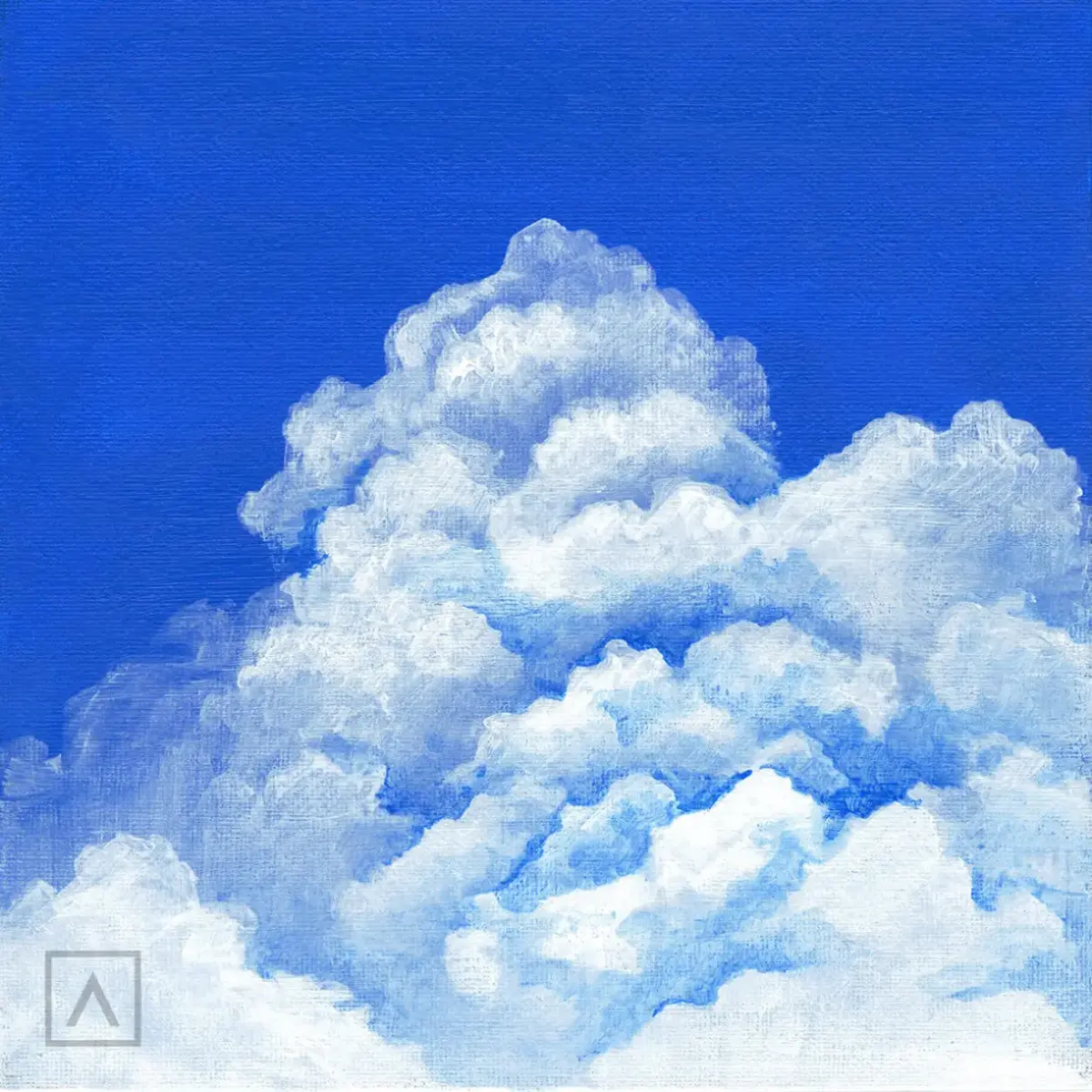
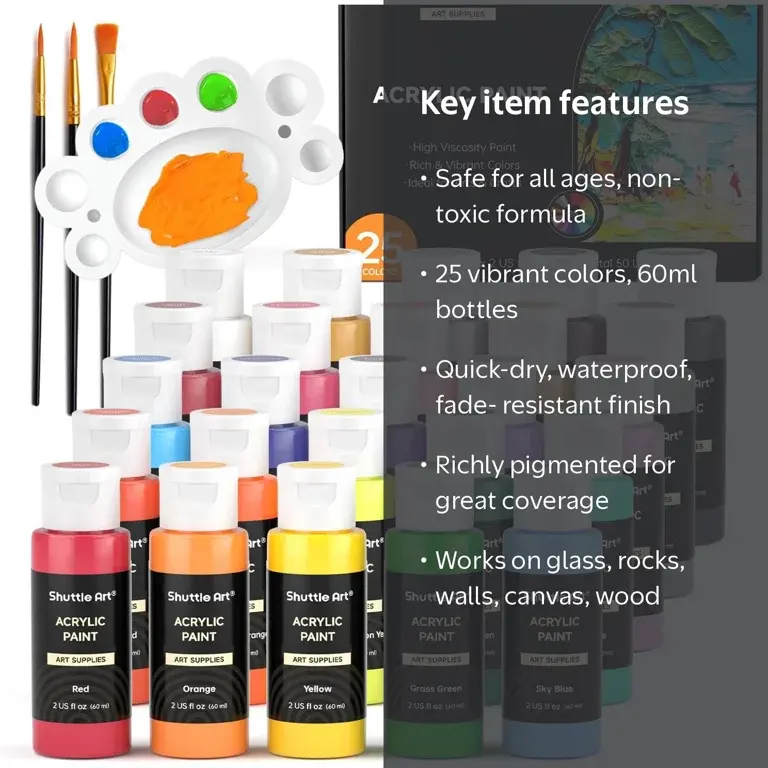
What is the difference between watercolor and acrylic paint?
Short answer
Watercolor paint is a water-soluble medium made of pigment suspended in gum arabic, known for transparency and delicate layering. In contrast, acrylic paint uses a synthetic polymer emulsion binder, resulting in a plastic-like, durable, and opaque finish. While watercolors remain reactive to water after drying, acrylics become permanent and water-resistant.
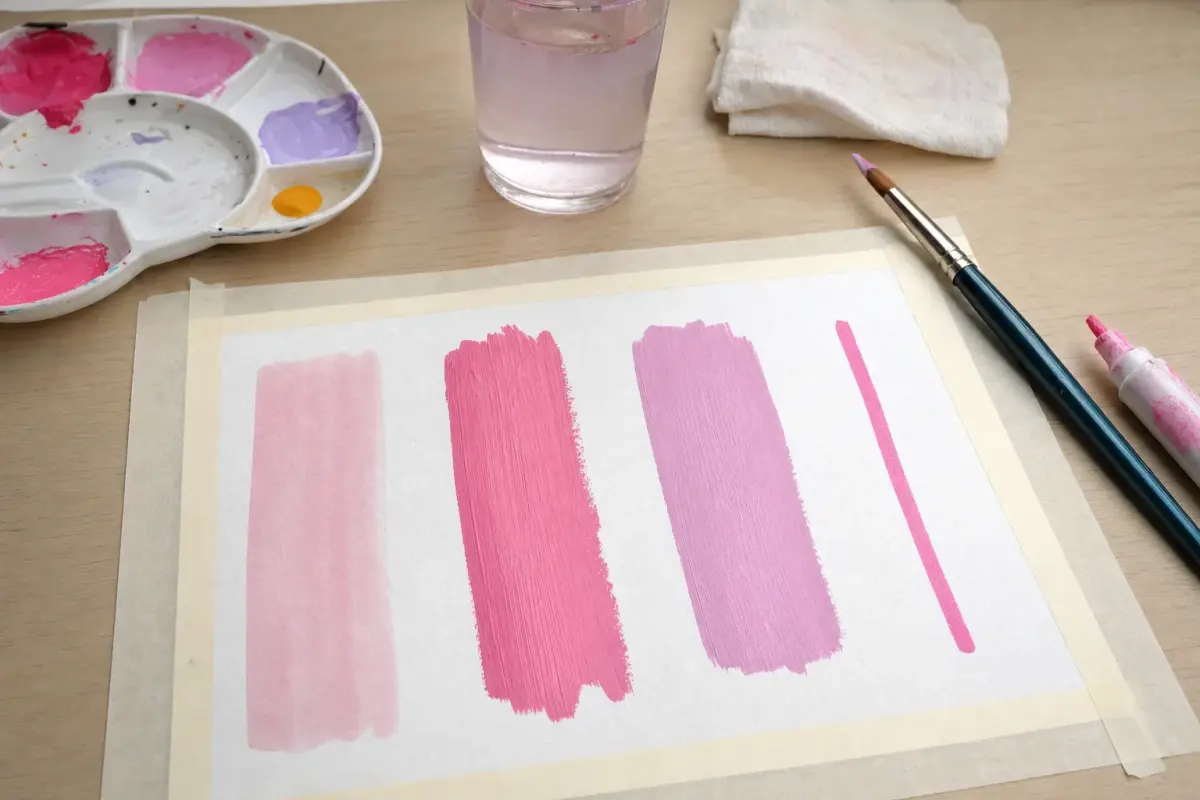
On this page
How do watercolor and acrylic paints differ chemically?
Watercolor paint consists of finely ground pigments held together by gum arabic, a natural sap from acacia trees. Because this binder is highly water-soluble, the paint can be re-wetted and manipulated long after it has dried on the palette or paper. This characteristic allows artists to lift color or soften edges even hours after the initial application. The medium relies on the white surface of the paper to provide brightness, as the paint itself is designed to be translucent.
Acrylic paint, developed commercially in the 1950s, utilizes a synthetic acrylic polymer emulsion as a binder. Once the water evaporates, the polymer particles coalesce into a tough, flexible, and water-resistant plastic film. This chemical structure makes acrylics incredibly versatile; they can be applied to almost any non-oily surface, including canvas, wood, fabric, and even glass. Unlike watercolors, acrylics cannot be re-wetted once they have fully cured, making them ideal for layering without the risk of lifting underlying colors.
How long does it take to dry?
Watercolor paint dries almost instantly, depending on the humidity and the thickness of the application. Because it is essentially pigment suspended in water, the drying process is merely the evaporation of that water from the paper fibers. This rapid drying time is a hallmark of the medium, allowing for quick, spontaneous work. However, it also means that artists must work efficiently if they want to blend colors while they are still wet.
Acrylic paint dries through a two-stage process: the evaporation of water followed by the curing of the polymer film. While the surface may feel dry to the touch within 10 to 30 minutes, the paint remains chemically active for a longer period.
- Thin washes of acrylic may dry in as little as five minutes.
- Heavy impasto applications can take several hours to become dry to the touch.
- Full curing, where the paint reaches its maximum durability, can take several days or even weeks.
Best paint for beginners
For those just starting, the choice depends on the desired aesthetic and workspace. Watercolors are often considered more accessible because they require minimal equipment: a small set of pans, a few brushes, and a pad of watercolor paper. They are easy to clean up with water and do not produce fumes, making them perfect for small spaces or kitchen tables. The primary challenge for beginners is learning to control water flow and embracing the unpredictable nature of the medium.
Acrylics are excellent for beginners who prefer a more forgiving experience. If you make a mistake, you can simply wait for the paint to dry and then paint over it with an opaque layer. They offer a range of consistencies, from fluid inks to heavy body pastes that mimic oil paints.
- Start with a basic set of six primary and secondary colors.
- Invest in synthetic brushes, as natural hair brushes can be damaged by the alkaline nature of acrylics.
- Use a stay-wet palette to prevent your acrylics from drying out during a painting session.
Why color layering works differently
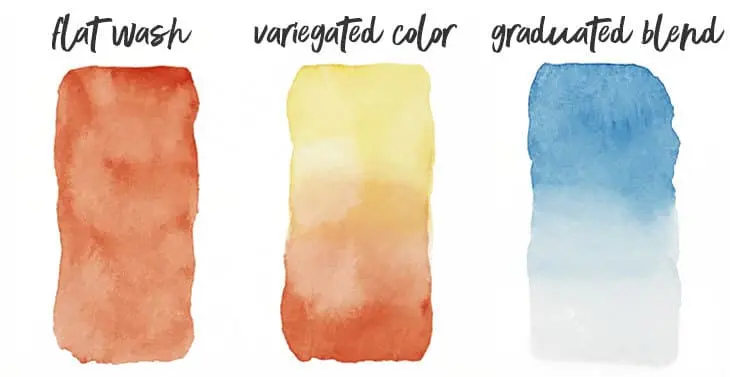
Layering in watercolor is a subtractive process involving transparent glazes. You must work from light to dark, as you cannot paint a lighter color over a darker one. Each layer must be allowed to dry completely if you want to maintain crisp edges, or you can work "wet-on-wet" to create soft, bleeding transitions. The beauty of this method lies in the luminosity achieved as light passes through the layers and reflects off the white paper.
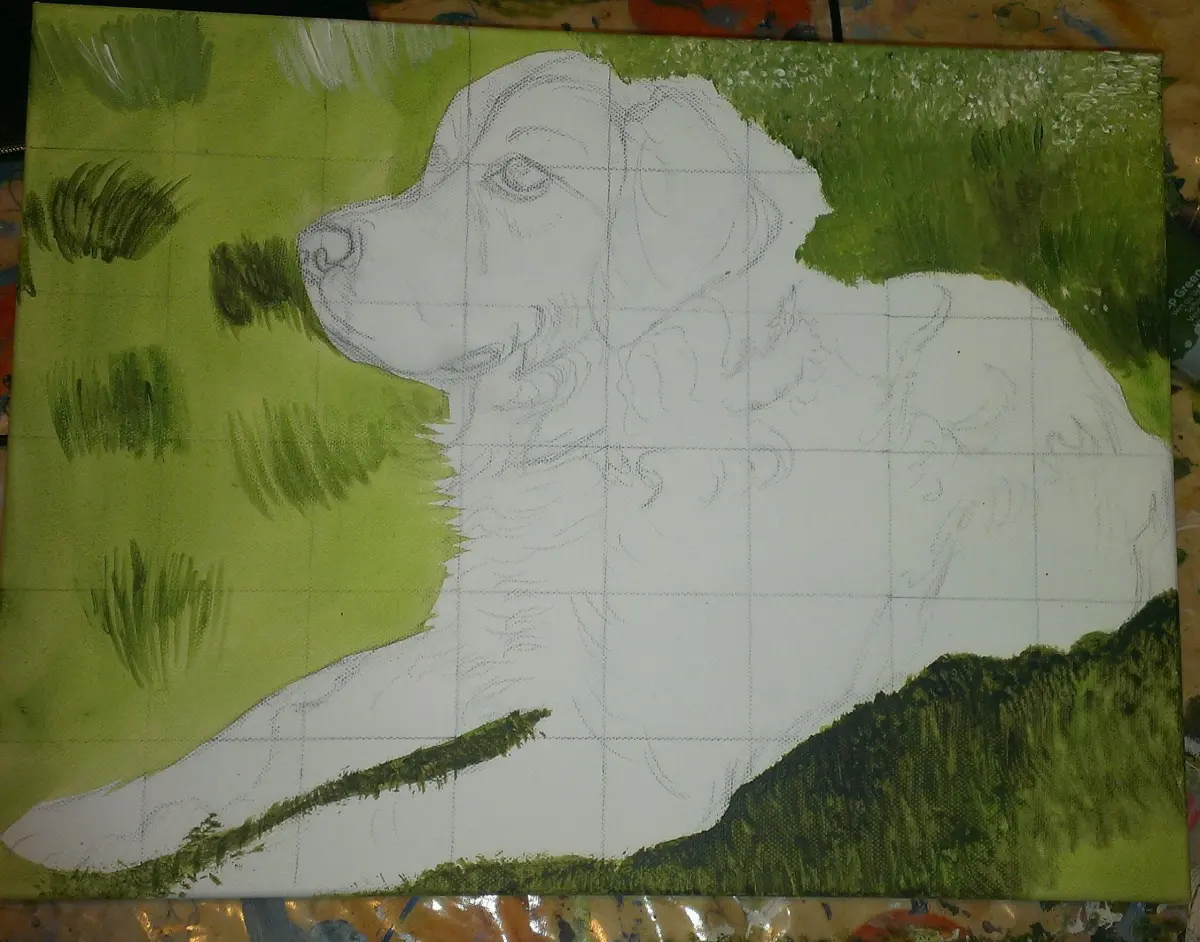
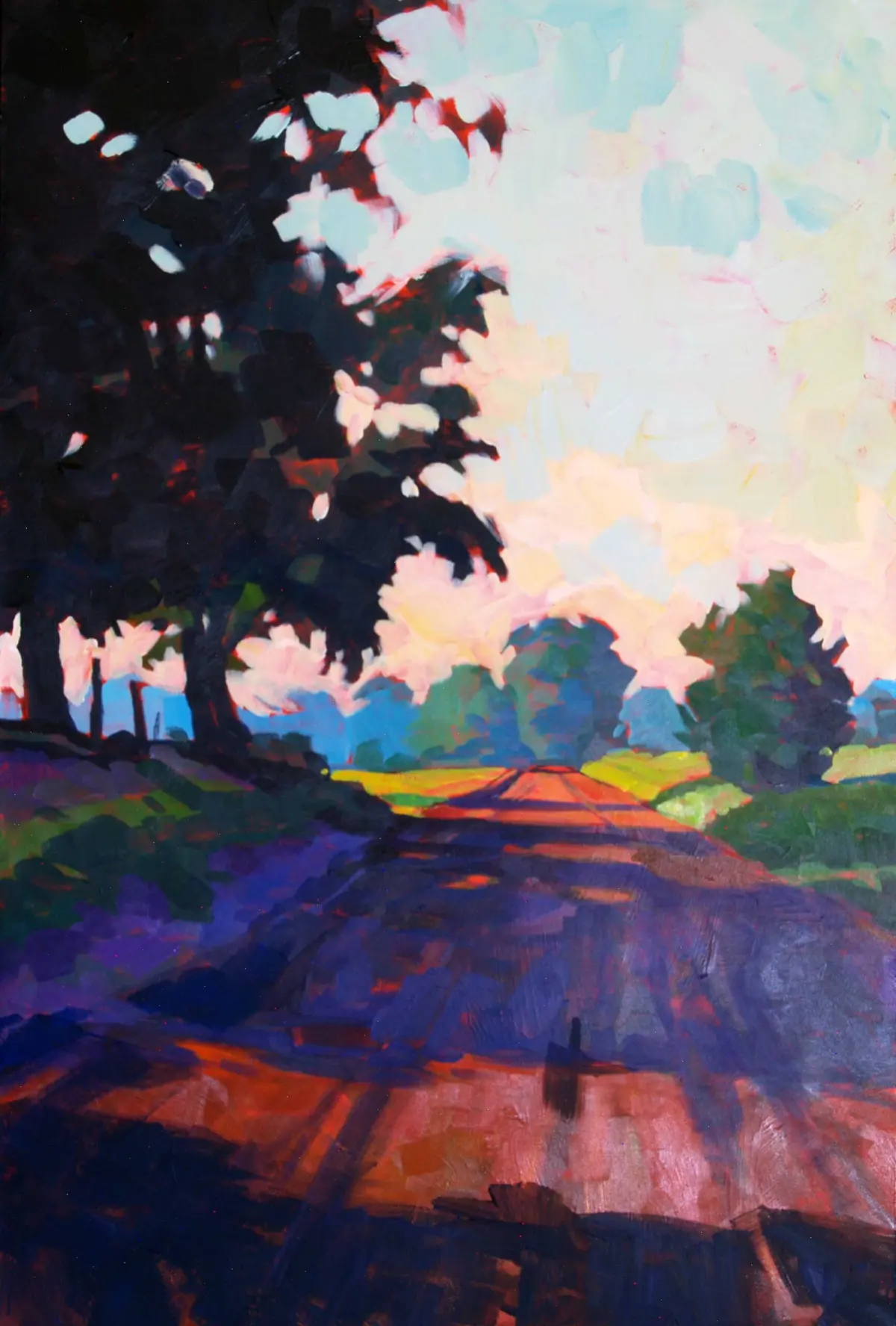
Acrylic layering is an additive process that allows for both transparency and opacity. Because the paint is essentially a plastic film, you can build up texture and depth by applying thick layers of paint, a technique known as impasto. You can also use glazing mediums to make acrylics behave more like watercolors, or use them straight from the tube for bold, opaque coverage. This flexibility allows artists to correct errors, change compositions, and add highlights on top of dark areas with ease.
Common mistakes when using these paints
A frequent mistake with watercolors is overworking the paper. Because the paper fibers can only handle so much water before they begin to pill or tear, it is essential to be decisive with your brushstrokes. Another error is using too much paint, which can result in a muddy appearance rather than the intended crystalline transparency. Always test your color intensity on a scrap piece of paper before applying it to your final composition.
When working with acrylics, the most common error is allowing the paint to dry on your brushes. Because acrylics turn into plastic, they can permanently ruin expensive brushes if left uncleaned for even a short time.
- Always keep a jar of water nearby to rinse brushes immediately after use.
- Avoid mixing acrylics with oil-based products, as they are chemically incompatible.
- Do not assume that all acrylics are lightfast; check the labels to ensure your work will not fade over time.
Key facts
- Watercolor is water-soluble and remains reactive to water even after it dries on the page.
- Acrylic paint is a plastic-based polymer that becomes water-resistant and permanent once the water evaporates.
- Watercolor relies on the white of the paper for highlights, as there is no true opaque white paint in traditional sets.
- Acrylic paint is opaque and can be layered; you can paint light colors over dark colors once they are dry.
- Watercolor brushes are typically soft and absorbent, while acrylic brushes are often stiffer to push the thicker, heavier paint.
- Acrylics dry very quickly, usually within 10 to 20 minutes, whereas watercolor stays workable for a longer period if the paper is kept damp.
The bottom line
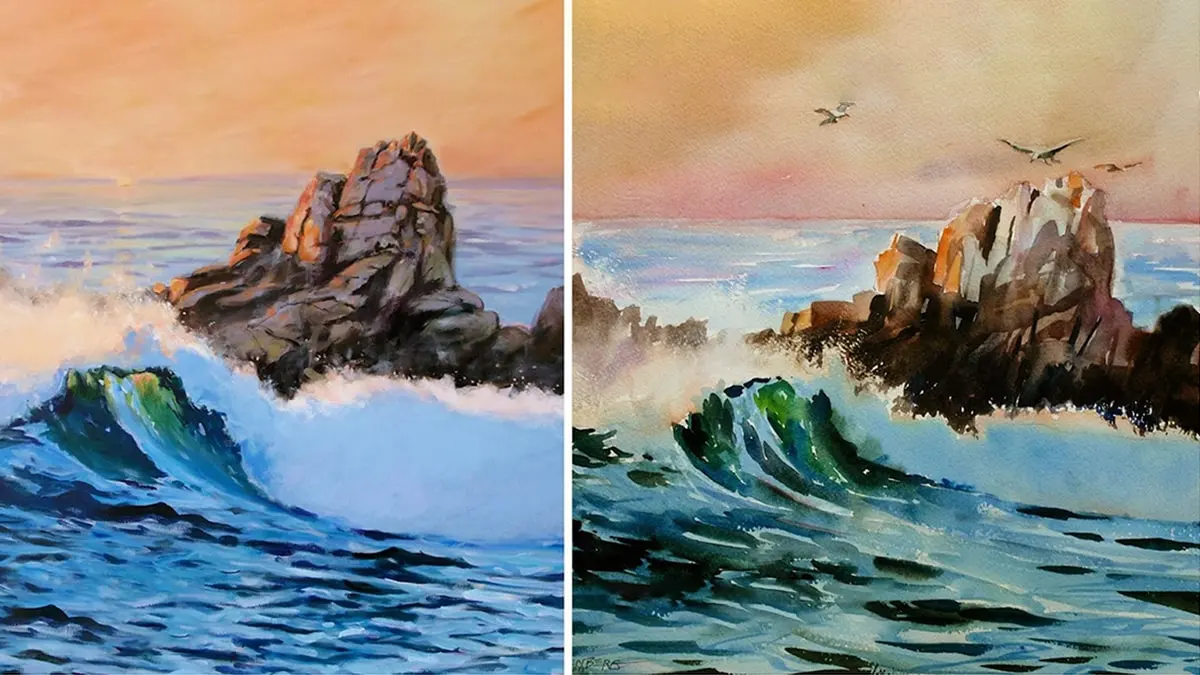
The fundamental difference lies in their chemical binders: watercolor uses gum arabic, which remains water-soluble, while acrylic uses a plastic polymer that forms a permanent film. Watercolor offers transparency and fluid gradients, making it ideal for delicate landscapes. Conversely, acrylic provides versatility, opacity, and durability, allowing for textured, layered compositions. Choosing between them depends on whether you value the unpredictable beauty of transparency or the control of layering.
People also ask
Can you mix watercolor and acrylic paints on the same canvas?
You can apply watercolor over acrylic, but you cannot apply acrylic over watercolor because the water in the acrylic will reactivate the dried watercolor. This causes the colors to muddy and lift off the paper.
Which medium is better for beginners?
Watercolor is often considered more portable and requires less cleanup, but acrylic is more forgiving because mistakes can be painted over. Choose watercolor if you prefer delicate, transparent effects and acrylic if you want bold, textured results.
Do I need special paper for these paints?
Watercolor requires heavy, absorbent paper like cold-press cotton to prevent buckling. Acrylics are versatile and can be used on almost any surface, including canvas, wood, or paper, provided the surface is primed with gesso.
How do I clean my brushes after painting?
Watercolor brushes only require water and mild soap. Acrylic brushes must be cleaned immediately with soap and water before the paint dries, as dried acrylic acts like plastic and will permanently ruin the bristles.
Can I thin acrylic paint with water?
You can thin acrylics with water to create a watercolor-like wash, but using more than 30 percent water can weaken the paint's binding agent. For better results, use a dedicated acrylic medium to thin the paint without compromising its durability.
Why does my watercolor look dull once it dries?
Watercolors often shift in value and become lighter as they dry, a phenomenon known as "drying shift." To compensate, apply your paint slightly darker than you want the final result to appear on the paper.
This answer was created with the help of AI research tools and reference sources. Spotted an error? Let us know — we correct mistakes quickly. See our editorial policy.