What is wet-on-dry watercolor?
Short answer
Wet-on-dry is a watercolor technique where wet paint is applied onto paper that has already dried from a previous layer. This method allows artists to create sharp, defined edges, precise details, and layered colors. Because the underlying layer is dry, the new paint does not bleed, offering maximum control over the composition.
On this page
What is the wet-on-dry technique?
Wet-on-dry is the foundational method for building structure in watercolor paintings. Unlike wet-on-wet, which encourages soft, blurry transitions, wet-on-dry keeps pigment exactly where the brush places it. By allowing the paper to fully dry between applications, artists prevent the colors from spreading uncontrollably. This creates crisp boundaries that are essential for defining shapes, architectural elements, or intricate patterns.
This technique is often used in the later stages of a painting to add depth and clarity. Once the initial washes are set, the artist uses a slightly thicker consistency of paint to refine edges or add dark accents. Because the dry surface acts as a barrier, the fresh application remains distinct, allowing for complex layering known as glazing. This process is fundamental for achieving the luminosity and tonal range characteristic of professional watercolor work.
How to use wet-on-dry in painting
To achieve the best results, you must ensure your paper is completely dry before beginning a new layer. You can test this by lightly touching the back of your hand to the paper; if it feels cool to the touch, it likely contains moisture that could cause unwanted bleeding. Once dry, you can layer colors to darken shadows or add fine details.
Follow these steps to master the application:
- Apply your initial base layer or wash and allow it to dry completely.
- Mix your next color with a higher pigment-to-water ratio to ensure it is opaque enough to sit on top.
- Load your brush with the paint mixture, ensuring it is not overly saturated.
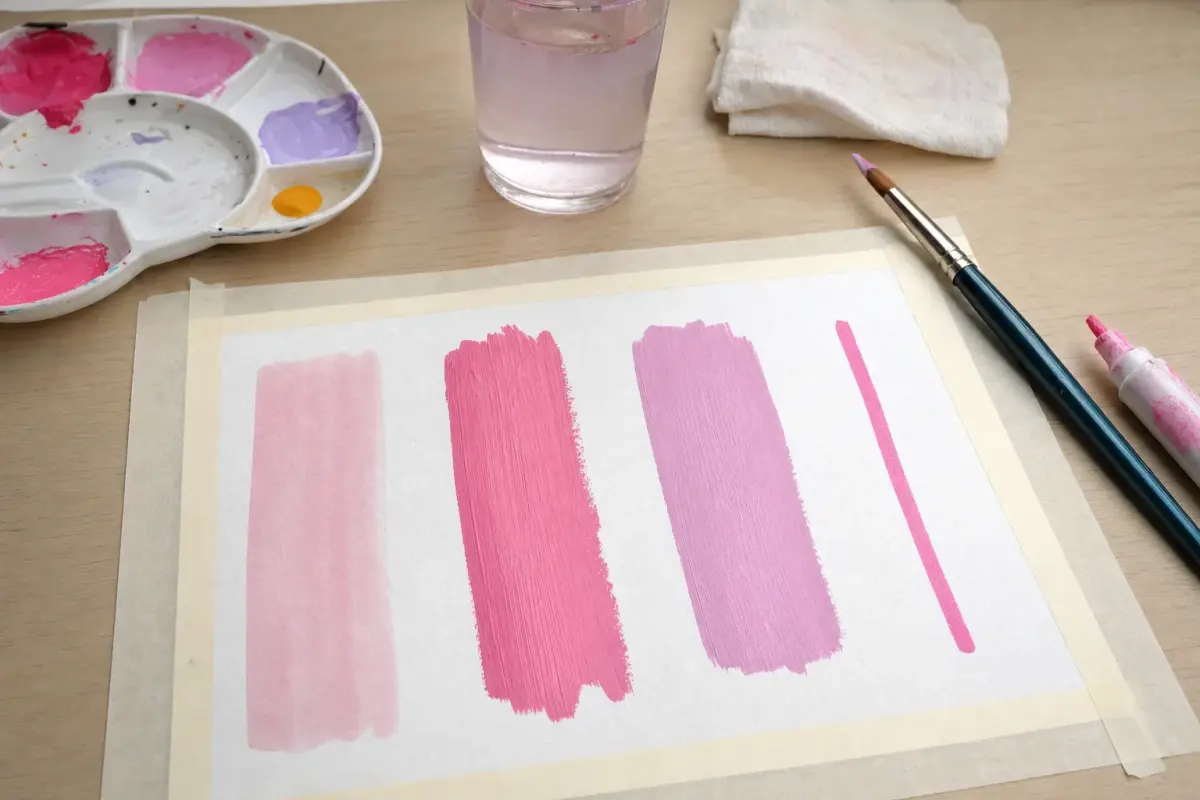
- Apply the paint to the dry surface with steady, deliberate strokes to define your desired shape.
- Let each layer dry fully before attempting to add another to prevent lifting the previous color.
Best brushes for wet-on-dry details
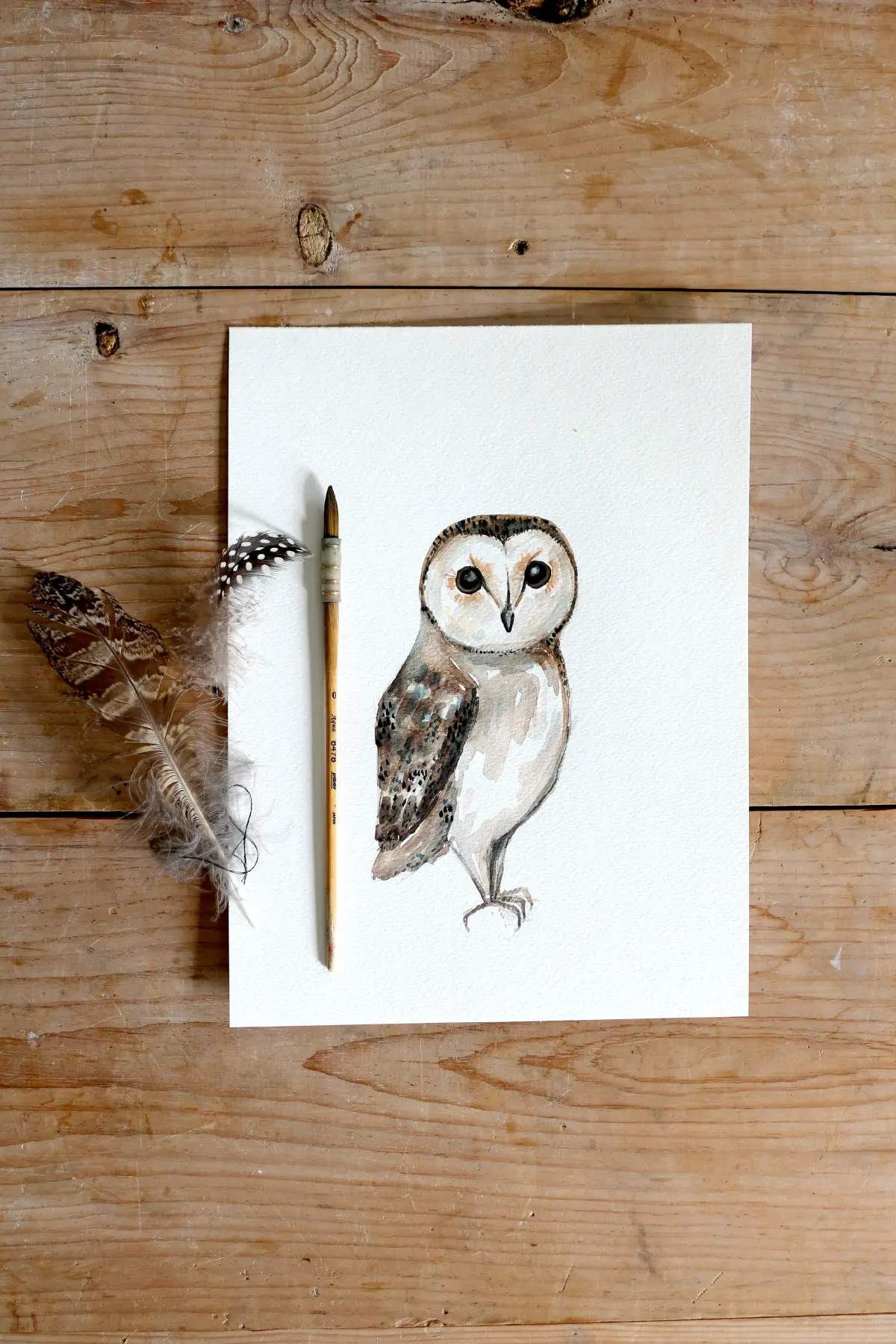
Selecting the right tool is critical for precision. For wet-on-dry work, you generally want a brush that holds a sharp point and has enough "snap" to maintain its shape during application. Synthetic brushes, particularly those made from high-quality polyester or nylon, are excellent for this because they are stiffer than natural hair brushes and offer superior control for fine lines.
Consider these brush types for your kit:
- Round brushes: Sizes 2 through 6 are ideal for small details and controlled edges.
- Liner or Rigger brushes: These have long, thin bristles perfect for consistent, flowing lines.
- Flat brushes: Use these for applying sharp-edged blocks of color or creating geometric shapes.
- Spotter brushes: These are specifically designed for extremely tiny, precise corrections or highlights.
Regardless of the material, always ensure your brush is clean. Any leftover pigment from a previous color can muddy your new, crisp lines.
Why colors look different when layered
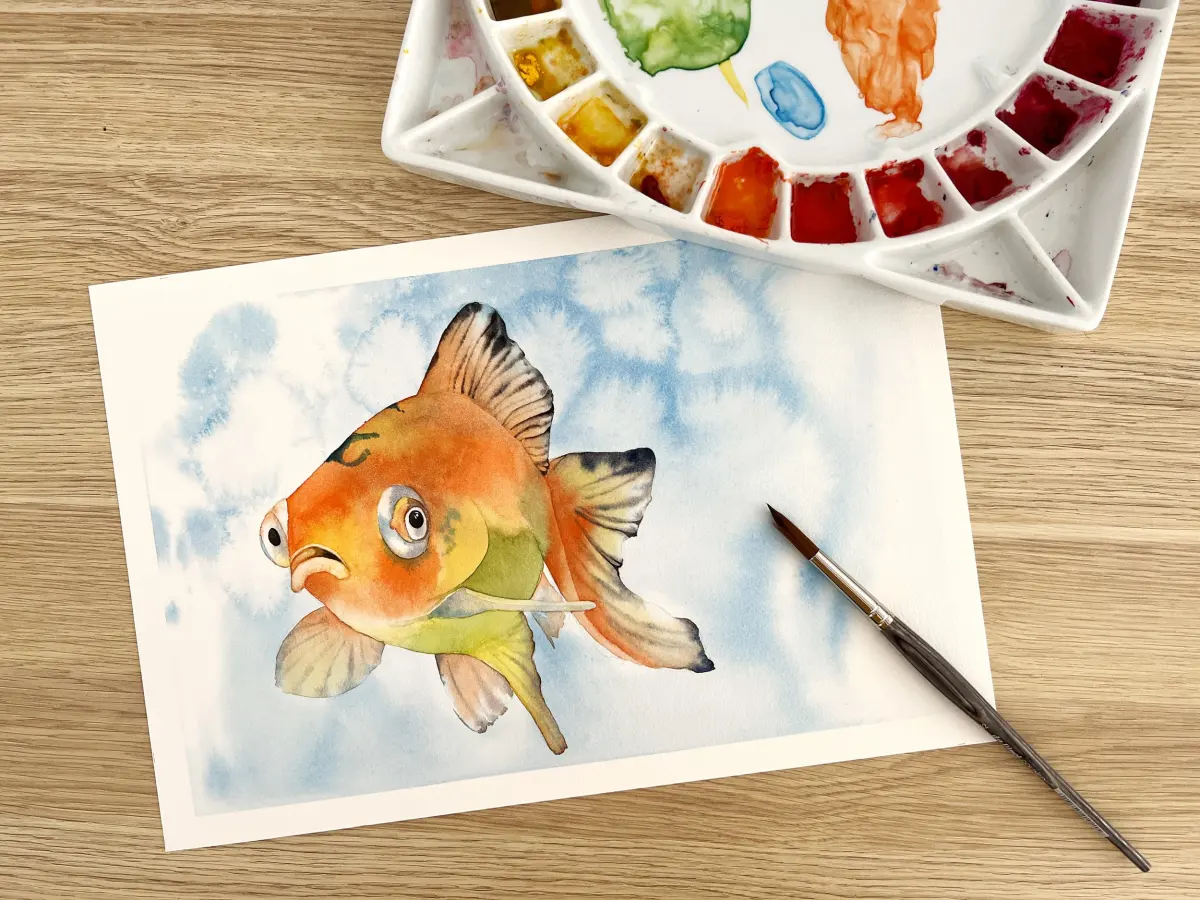
When you apply wet paint over dry watercolor, the result depends heavily on the transparency of your pigments. Watercolor is inherently translucent, meaning the bottom layer will show through the top one. This creates an optical mixing effect where the two colors combine visually rather than physically. For example, layering a thin wash of blue over a dry yellow layer will result in a vibrant, glowing green.
This layering process allows for a depth of color that cannot be achieved with a single application. If you use opaque pigments, such as Cadmium colors or certain earth tones, the top layer will cover the bottom more effectively. However, most watercolorists prefer transparent pigments to maintain the medium's signature luminosity. By carefully choosing which colors to layer, you can create complex, rich hues that appear to vibrate on the page, adding a professional finish to your artwork.
Common mistakes when using wet-on-dry
A frequent error is impatience. If you apply a new layer before the previous one is fully dry, the paint will bleed into the damp paper, creating a "cauliflower" or "bloom" effect. While these effects can be artistic, they ruin the intention of a sharp, wet-on-dry edge. Always wait until the paper is bone dry, or use a hair dryer on a cool setting to speed up the process if you are working on a deadline.
Another common mistake is overworking the paper. Because you are applying wet paint to a dry surface, it is tempting to scrub the brush back and forth to get the color just right. This can easily lift the underlying layer of dried paint, resulting in a muddy or streaky appearance. To avoid this, aim to place your brushstroke confidently and leave it alone. If you are unhappy with a stroke, it is often better to let it dry completely before attempting to adjust it with a fresh layer of pigment.
Key facts
- Wet-on-dry is a watercolor technique where wet paint is applied to a surface that has already completely dried.
- This method allows for sharp, defined edges and precise control over where the pigment settles on the paper.
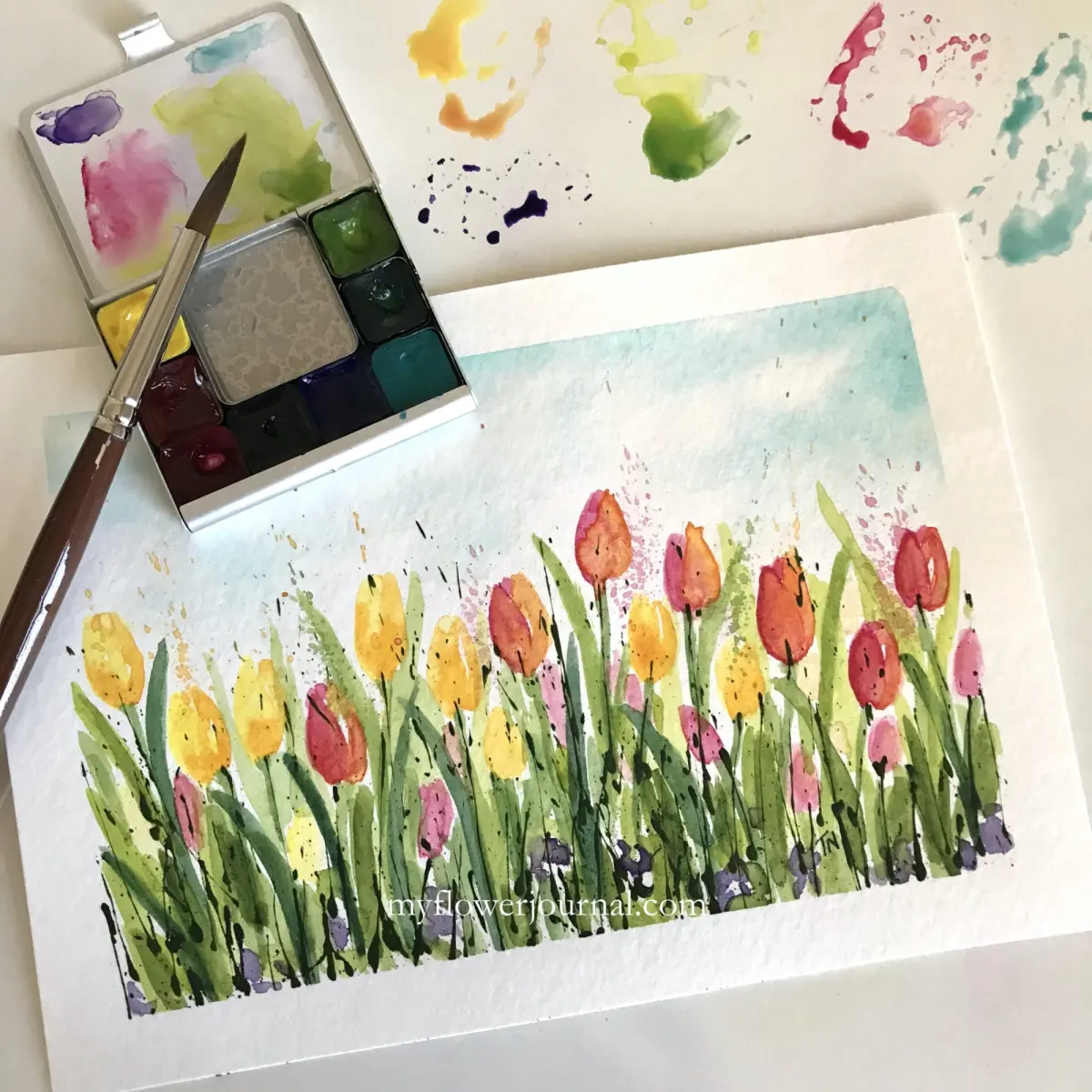
- Artists use this technique to layer colors, creating depth and complexity through transparent glazes.
- Because the underlying layer is dry, the new stroke will not bleed or feather into the surrounding area.
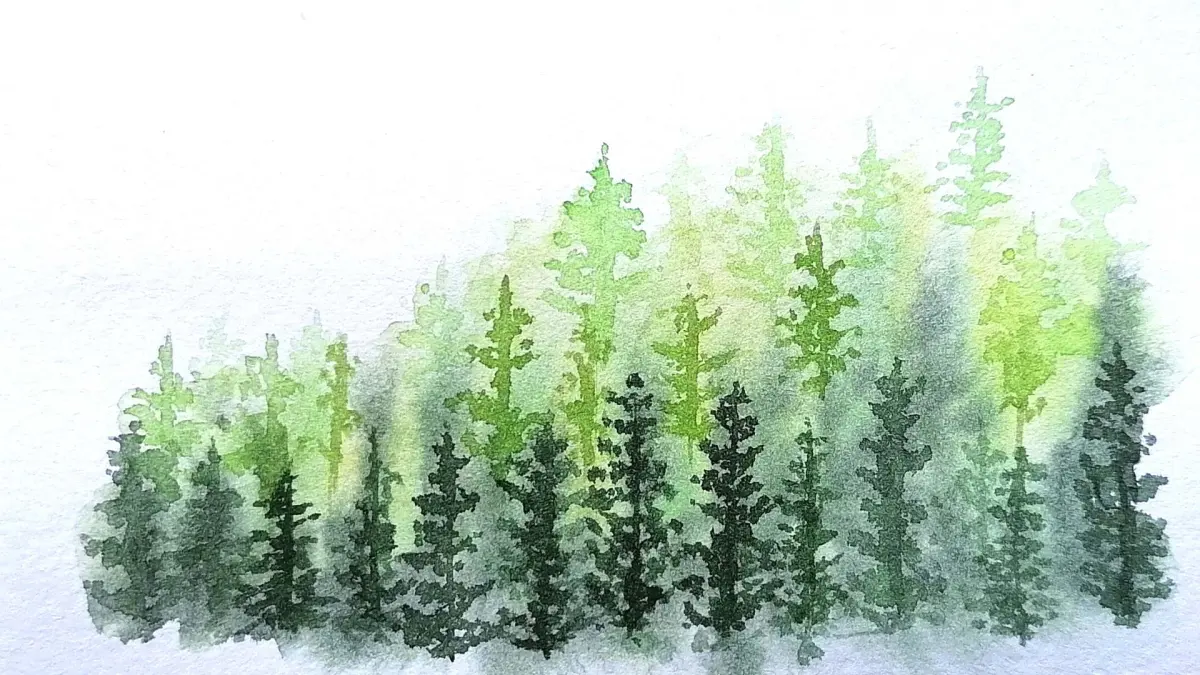
- It is the primary technique used for adding fine details, such as tree branches, facial features, or architectural lines.
- To ensure success, wait until the paper feels room temperature to the touch before applying the next layer.
The bottom line
Wet-on-dry watercolor is a foundational technique that offers artists maximum control by applying moist pigment onto a fully dried surface. By mastering this method, you can create crisp edges, intricate details, and rich, layered colors that bring depth to your paintings. It serves as the perfect counterpoint to the soft, unpredictable nature of wet-on-wet, providing the precision necessary for professional-looking, polished watercolor compositions.
People also ask
How long should I wait for the paper to dry before painting over it?
You should wait until the paper is completely dry to the touch, which can take anywhere from 10 minutes to an hour depending on humidity. If the paper feels cool, it likely still contains moisture and may cause unwanted bleeding.
Can I use wet-on-dry to fix mistakes?
Yes, you can often darken an area or adjust a color by applying a new layer over a dried one. However, because watercolors are transparent, the original color will still show through, which is useful for color mixing.
Does this technique require a specific type of brush?
A round brush with a fine point is ideal for wet-on-dry because it allows for both broad strokes and sharp, intricate details. Synthetic brushes often hold their shape better for this type of precise work.
Will the bottom layer lift up when I paint over it?
If you use a light touch and avoid scrubbing the paper, the bottom layer should remain stable. Using high-quality, cold-press or hot-press watercolor paper helps prevent the fibers from lifting during the layering process.
What is the difference between wet-on-dry and wet-on-wet?
Wet-on-wet involves applying paint to a damp surface, which causes the pigment to spread and create soft, diffused edges. Wet-on-dry is the opposite, prioritizing hard edges, clarity, and intentional placement of color.
Is wet-on-dry better for beginners?
Many artists find wet-on-dry easier to learn because it offers more control and predictability than wet-on-wet. It allows beginners to practice brush strokes without worrying about the paint spreading uncontrollably across the page.
This answer was created with the help of AI research tools and reference sources. Spotted an error? Let us know — we correct mistakes quickly. See our editorial policy.